Whether a Belgian Malinois Chases Bicycles
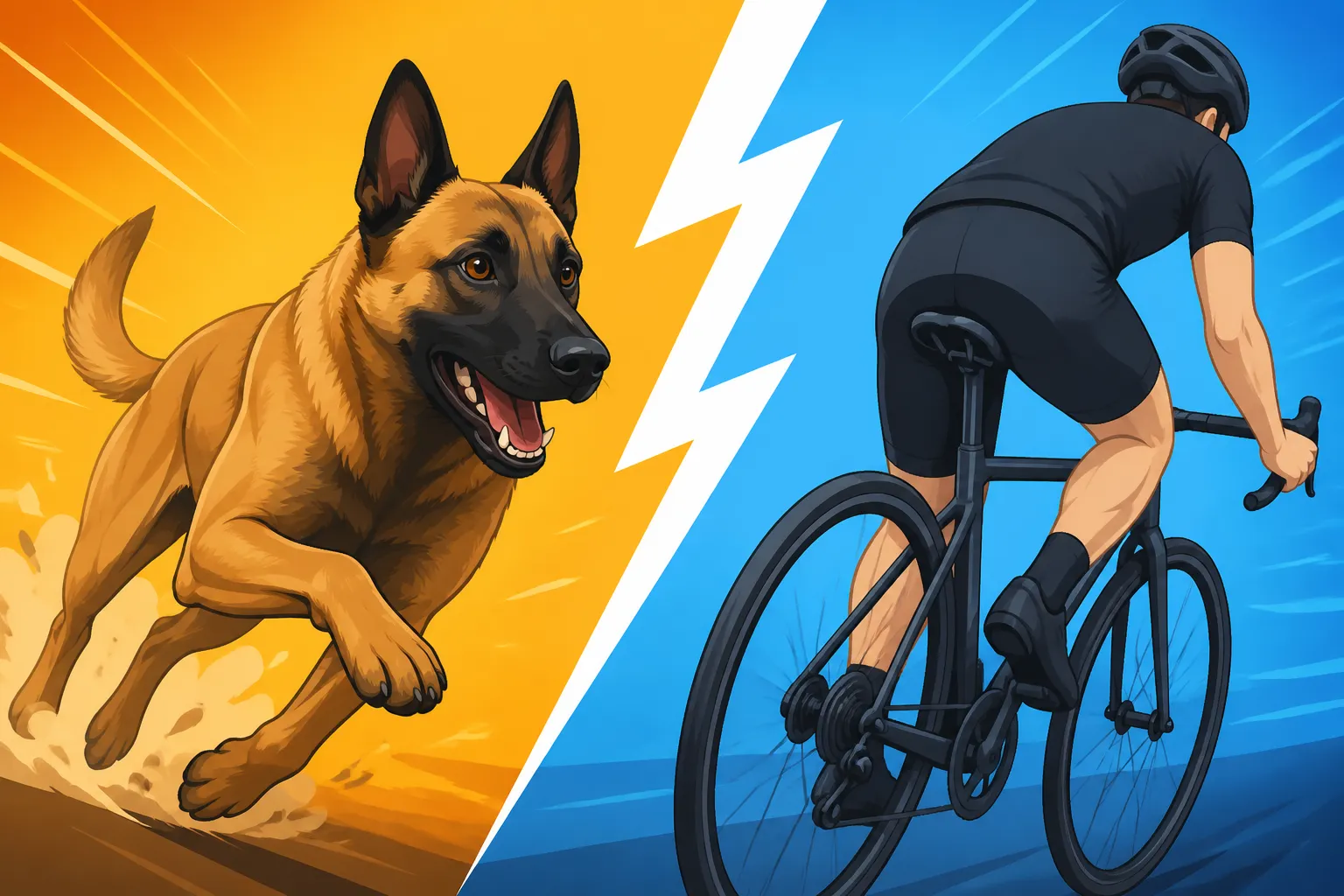
It’s a scenario almost every Belgian Malinois owner dreads: you’re out for a walk, enjoying a moment of relative calm, when suddenly, a bicycle whizzes by. Before you can even react, your Malinois has transformed into a blur of fawn and black, lunging, barking, and pulling with every ounce of their formidable strength. This intense reaction to fast-moving objects isn't just frustrating; it's genuinely concerning for both your dog's safety and the well-being of others. This guide will delve into why your Malinois might have this impulse and, more importantly, equip you with realistic strategies to manage and mitigate bicycle chasing.
Understanding the Malinois Drive: Why Bicycles Are So Enticing
Let's be honest, trying to understand why a Belgian Malinois does anything often feels like trying to catch smoke. They are dogs of immense drive and instinct, and when it comes to fast-moving objects like bicycles, skateboards, or even joggers, it’s like ringing the dinner bell for their ancient hardwired instincts. This isn't naughtiness; it's deeply ingrained. Your Malinois isn't maliciously trying to cause trouble; they're simply responding to powerful genetic programming.
The Power of Prey Drive
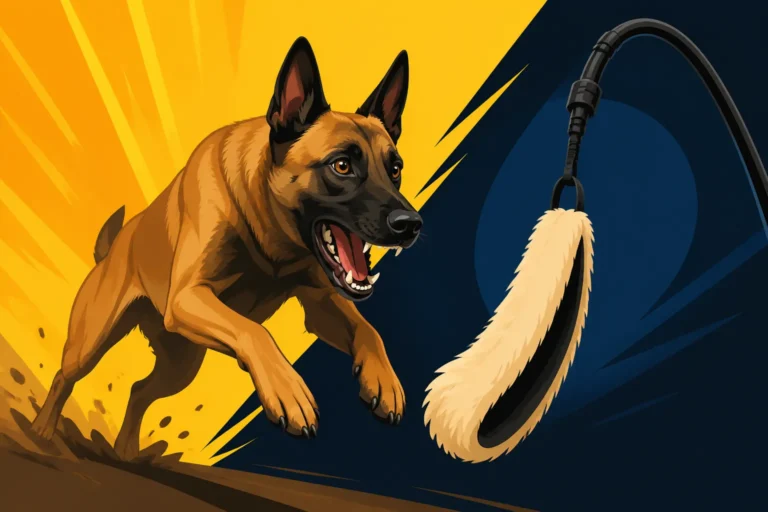
At the heart of a Malinois's fascination with bicycles lies their exceptionally strong prey drive. These dogs were originally developed as herding dogs, bred to gather and move livestock, and that meant keying into movement. A bicycle, with its rapid, often erratic motion, bright colors, and sometimes even a whirring sound, triggers that primal chase instinct. To your Malinois, that bicycle isn't just a vehicle; it's a "fleeing object" that needs to be pursued, perhaps even "stopped" or "gathered." It's an internal switch that flips, overriding almost everything else in that moment. Understanding this helps us approach the problem with empathy rather than just frustration. They aren't trying to be disobedient; they're trying to fulfill a deep-seated urge. This is a big reason why Channeling a Belgian Malinois's Prey Drive Into a Tug is such a crucial training concept.
Herding Instinct and Target Fixation
Beyond pure prey drive, the Malinois also carries a strong herding instinct. While bicycles aren't sheep, the act of "cutting off" or "steering" a moving object is part of that herding repertoire. Many Malinois will try to run in front of a bicycle, or alongside it, attempting to control its movement. This often looks like a frantic, intense burst of speed and focus. This target fixation can be incredibly powerful, making it very difficult for your dog to break away from the stimulus once they've locked on. It's not just about the chase; it's about the intense, singular focus on that moving target, to the exclusion of all other commands or environmental cues. This intensity is part of why A Belgian Malinois That Fixates on Moving Things can be such a challenge for owners.
Environmental Triggers and Lack of Socialization
Sometimes, the bicycle chasing isn't solely about innate drive but also about how your Malinois has learned to interact with the world around them. If a young Malinois puppy wasn't properly exposed to various sights, sounds, and movements in a positive and controlled way during their critical socialization period, novel stimuli can become overwhelming or overly exciting. A sudden, unexpected bicycle might illicit a fear response that manifests as lunging and barking, or it could simply be such a stimulating new experience that the dog can't contain their excitement. Either way, the behavior can quickly become ingrained if not addressed early and consistently. Socializing a Belgian Malinois Puppy Safely is paramount to preventing many behavioral challenges down the line.
The Serious Risks of Allowing Bicycle Chasing
While it might seem like a minor annoyance, a Malinois chasing bicycles presents significant dangers that every owner must take seriously. These risks extend far beyond a momentary loss of control and can have lasting, severe consequences for your dog, yourself, and others.
Safety Hazards for Your Malinois
The most immediate concern is the physical danger to your dog. A Malinois lunging at a bicycle can easily get tangled in the wheels, struck by the bike, or pull you off balance into the path of traffic. Even if the immediate area seems clear, the sudden surge of adrenaline and effort can lead to injuries like pulled muscles, torn ligaments, or even more serious orthopedic issues over time. A strong, sudden jerk on the leash can cause neck injuries or damage to the trachea. In the heat of the moment, with their intense focus, they are not looking out for their own safety, relying entirely on you to protect them. This is especially true for dogs that haven't been taught Muzzle Conditioning Before a Malinois Ever Needs One for emergency situations or vet visits, as their frantic state can make handling difficult.
Risks to Cyclists and Public Perception
Imagine being a cyclist and having a powerful, barking Malinois lunge at you. It’s terrifying, potentially leading to a fall, serious injury, or even a lawsuit. Even if your dog doesn't make contact, the aggressive display can cause fear and anger in others. This kind of incident quickly erodes public trust and contributes to the negative stereotypes that sometimes unfairly plague high-drive breeds. One unfortunate encounter can lead to neighborhood complaints, breed-specific legislation, or even demands for your dog to be muzzled or rehomed. As responsible Malinois owners, we have a duty to ensure our dogs are not only safe but also respectful members of the community. Whether a Malinois Protection Sport Is Legal Everywhere touches on the legal landscape around these dogs, and public perception plays a huge role in that.
Owner Liability and Stress
Beyond the physical and social risks, there are significant legal and emotional burdens for the owner. If your Malinois causes an accident, you could be held liable for medical bills, property damage, and legal fees. The stress of constantly being on guard, anticipating potential triggers, and managing an explosive reaction can also take a toll on your enjoyment of your dog and your walks together. It creates a cycle of anxiety for both you and your Malinois, as your tension can often feed into their reactivity. It's a lose-lose situation that needs proactive intervention.
Training Strategies to Manage Bicycle Chasing
Addressing bicycle chasing in a Belgian Malinois requires a multi-faceted approach, combining careful management with consistent, patient training. There's no magic bullet, but with dedication, you can significantly reduce or even eliminate this behavior.
Management: Prevention is Key
Before you even start formal training, excellent management is non-negotiable. This means avoiding situations where your Malinois can practice the unwanted behavior. Every time they successfully chase a bicycle, they are essentially getting a reward (the thrill of the chase), which reinforces the behavior.
- Leash Up: Always keep your Malinois on a sturdy leash in areas where bicycles might be present. A strong, well-fitting harness or head collar can provide better control than a flat collar, especially for a dog with powerful pulling capabilities. Avoid retractable leashes, as they offer no real control in a sudden lunge. For dogs with extreme reactions, a double-clip leash system, attaching to both a collar and a harness, can provide added security.
- Observe and Avoid: Be vigilant. Scan your surroundings constantly for potential triggers. If you see a bicycle approaching, cross the street, duck behind a parked car, or turn around and walk in the opposite direction. The goal is to avoid the trigger entirely, especially in the early stages of training.
- Safe Spaces: Identify routes or times of day where bicycle traffic is minimal. This allows you to have more relaxed walks and provides opportunities for successful training sessions in less distracting environments. For a high-drive Malinois, even a seemingly secure yard might not be enough; Fencing That a Belgian Malinois Cannot Clear is often a necessary investment.
Foundation Obedience and Engagement
Strong obedience cues are the bedrock of any successful behavioral modification. Your Malinois needs to be rock-solid on commands that can interrupt their focus and redirect their attention to you.
- "Watch Me" / "Look": This command teaches your dog to make eye contact with you on cue, breaking their focus on the environment. Practice this in increasingly distracting environments until it's reliable. Start indoors, then move to the backyard, then a quiet street, and eventually near quiet trails where bicycles might appear at a distance.
- "Leave It": This is a critical command for telling your dog to ignore a specific item or stimulus. Practice with low-value items first, then gradually introduce more tempting distractions. The ultimate goal is for them to ignore a bicycle with this command.
- Super Strong Recall: A reliable recall is not just important for safety; it's a tool to get your dog's attention back on you even when highly stimulated. Work on Recall on a Belgian Malinois in Full Drive relentlessly, using a long line in a safe, enclosed area to practice until it's absolutely solid. You can find excellent long lines and high-value training treats on platforms like Amazon to aid in this process.
- Engagement, Engagement, Engagement: Your Malinois needs to find you more interesting and rewarding than any bicycle. Carry high-value treats (real meat, cheese, boiled chicken) and exciting toys. Practice quick bursts of obedience, play short tug games, and offer frequent rewards for checking in with you. Building Engagement With a Belgian Malinois is key to making you the center of their universe.
Desensitization and Counter-Conditioning (DS/CC)
This is where you systematically change your Malinois's emotional response to bicycles from excitement/fixation to neutrality or even positive anticipation (of a reward from you).
- Identify the Threshold: Start by finding the distance at which your Malinois notices a bicycle but does not react. This might be 50 feet, 100 feet, or even across a park. This is their "threshold."
- Positive Association: When a bicycle appears at or beyond their threshold distance, before your dog reacts, immediately mark the calm behavior (a "yes!" or clicker) and feed them a super high-value treat, or engage in a quick game of tug. The bicycle appears -> amazing things happen from you.
- Repeat and Reduce Distance: Repeat this many, many times. The goal is for your dog to see a bicycle and look at you expectantly for their treat, rather than fixating on the bike. Gradually, over weeks or months, you can slowly decrease the distance to the bicycle, always staying below their reaction threshold.
- Controlled Set-Ups: If possible, enlist a friend with a bicycle to help you set up controlled training scenarios. This allows you to manage the distance, speed, and frequency of exposure.
- Professional Guidance: For severe cases, or if you're struggling to make progress, consult a certified professional dog trainer or behaviorist. They can help you accurately assess your dog's reactions and develop a tailored DS/CC plan. Sometimes an online resource like BAXTER & Bella offers virtual coaching or structured programs that can be incredibly helpful for advanced training challenges.
Introducing Tools and Advanced Training
For some Malinois, especially those with very high drive or a long history of chasing, additional tools and advanced training techniques might be necessary.
- E-Collar (E-Collar Technologies or SportDog brand, for example): Used correctly, an e-collar can be an invaluable tool for providing reliable off-leash recall and interrupting unwanted behaviors from a distance. However, never use an e-collar without guidance from a qualified, experienced professional. Incorrect use can be detrimental and damage your relationship with your dog. It's a tool for communication, not punishment, and proper E-Collar Timing on a Belgian Malinois is paramount.
- Muzzle Training: For dogs with an extreme lunge or a history of coming too close to cyclists, muzzle training can be a responsible safety measure during your training process. It prevents accidental bites and gives you peace of mind while you work on the underlying behavior. Muzzle Conditioning Before a Malinois Ever Needs One is a useful skill for any high-drive dog.
Training Method Comparison
Here's a quick comparison of common approaches to dealing with bicycle chasing:
| Training Method | Description | Pros | Cons |
|---|---|---|---|
| Management | Avoiding triggers, using appropriate leashes/harnesses, seeking low-traffic areas. | Immediate safety, prevents rehearsal of unwanted behavior. | Doesn't solve the underlying behavior; requires constant vigilance. |
| Desensitization/Counter-Conditioning | Gradually exposing dog to bikes at a distance, pairing with positive reinforcement. | Changes emotional response, builds positive associations, long-term solution. | Time-consuming, requires consistency and patience, may need professional guidance for correct application. |
| High-Value Rewards/Engagement | Using exceptional treats/toys to make yourself more appealing than the bike; building focus on handler. | Strengthens bond, makes training fun, highly effective for redirecting attention. | Requires excellent timing, dog must truly value the reward more than the chase. |
| E-Collar (Professional Use) | Using low-level stimulation to interrupt unwanted behavior or reinforce recall at a distance. | Provides reliable remote communication, effective for strong-willed dogs or off-leash safety. | Requires professional instruction, risk of misuse or negative association if not done correctly, not for beginners. |
Living With a Malinois and Moving Targets
The journey to curbing bicycle chasing in a Belgian Malinois is rarely a straight line. There will be good days and bad days, and it's essential to maintain a realistic perspective and immense patience. Complete eradication of the instinct might be a tall order for some individuals, but effective management and a significant reduction in reactivity are absolutely achievable.
Consistency is Your Superpower
Every single interaction your Malinois has with a bicycle, whether it's a successful chase or a calm ignore-and-reward moment, contributes to their learning. Inconsistency is your enemy. If you're diligent for a week and then let your guard down on one walk, that single lapse can undo days or weeks of progress. Everyone in the household needs to be on the same page with training protocols. The Structure a Belgian Malinois Needs Every Day extends to every aspect of their life, and training for this specific issue is no exception.
Patience and Understanding
Remember that your Malinois isn't doing this to spite you. They are powerful, instinct-driven animals who need clear, consistent guidance. Frustration on your part will only escalate tension and make training harder. Celebrate small victories: a glance at a distant bike without a lunge, a successful "leave it" when a cyclist passes. These incremental improvements are vital. Understand that for some Malinois, especially those from intense working lines, the urge to chase might always be there, just under the surface. Your goal is to give them the tools to make better choices and for you to manage their environment effectively.
Ongoing Training and Exercise
Even after you've made significant progress, ongoing training and appropriate exercise are crucial. A bored or under-exercised Malinois is much more likely to resort to instinctual behaviors. Ensure your dog is getting sufficient mental stimulation and physical activity tailored to their needs. This isn't just about walks; it's about structured work that engages their brilliant minds. Puzzle toys, scent work, or even agility can burn energy in a constructive way. Two Hours and a Job a Belgian Malinois Demands Daily is not an exaggeration. A tired Malinois is a well-behaved Malinois.
By understanding the deeply ingrained nature of this behavior, committing to consistent, positive training, and prioritizing safety through effective management, you can help your Belgian Malinois navigate a world full of bicycles with greater calm and control.
Disclaimer
This article is for general informational purposes only and does not constitute professional advice. Laws, prices and regulations vary by location and change over time. Consult a qualified professional for guidance on your specific situation.