Whether a Cooling Vest Helps a Malinois on a Trial Field
The intensity of a trial field is a unique blend of adrenaline, focus, and explosive energy, a space where our Belgian Malinois shine. But when the sun beats down and the humidity hangs heavy, this very environment can become a significant challenge, threatening to push even the most conditioned dog past their safe limits into dangerous heat stress. This guide is dedicated to exploring whether cooling vests are a truly effective tool for safeguarding your Malinois's health and performance during warm-weather competitions, offering practical insights into their use and efficacy.
Understanding the Belgian Malinois and Heat Vulnerability
Belgian Malinois are incredible athletes, built for speed, agility, and relentless work drive. Their lean, muscular physiques and short coats might seem advantageous in the heat compared to, say, a heavy-coated Arctic breed, but their internal furnace runs hot, especially when they're working hard. What often goes unnoticed is just how profoundly their intense drive contributes to their vulnerability to overheating.
The Malinois's Internal Furnace: Drive Meets Physiology
Unlike humans who sweat profusely across most of their skin, dogs primarily cool themselves through panting. This evaporative cooling relies on moving air over moist surfaces in their mouth and respiratory tract. When a Malinois is engaged in a high-intensity activity like bite work, agility, or obedience routines on a trial field, their metabolic rate skyrockets. This rapid energy expenditure generates a tremendous amount of internal heat. Couple that with their unparalleled drive—that relentless "go-go-go" attitude that makes them push through fatigue and discomfort—and you have a recipe for rapidly escalating body temperatures. They're often so focused on the task at hand that they don't self-regulate or seek shade until they're already in distress.
Their short, dense double coat, while not as insulating as a long coat, still traps a layer of warm air close to the body, further impeding efficient cooling when external temperatures are high. On top of that, their active nature means they're constantly generating more heat. It’s a vicious cycle where their best qualities—their drive and athleticism—can become their biggest liabilities in the heat. It's crucial for handlers to be acutely aware of Reading Heat Stress on a Malinois Mid Session because their drive can mask early signs of trouble.
Identifying Signs of Overheating Before It's Too Late
Recognizing the subtle, and then not-so-subtle, signs of heat stress is paramount for any Malinois owner, especially those who compete. Early indicators might be slight changes in behavior: perhaps your dog breaks focus a touch more easily, seems a little less enthusiastic on the retrieve, or their retrieves are slower. Their panting will increase in rate and depth, becoming more strenuous, and their tongue might appear wider, longer, and a darker red or purple. As heat stress progresses, you might notice thick, ropy saliva, glassy eyes, staggering, or a loss of coordination. Their gums might become very bright red or even pale.
A Malinois pushing hard in the heat on a trial field, especially when the temperature climbs above The Temperature a Belgian Malinois Should Not Train In, is always at risk. The danger isn't just discomfort; it's a progression from heat stress to heat exhaustion, and ultimately, to life-threatening heatstroke. Heatstroke is a medical emergency that can lead to organ damage, neurological issues, and even death. It’s a stark reminder that simply observing is not enough; proactive measures are essential.
The Science Behind Cooling Vests for Canines
Given the Malinois's propensity for overheating, any tool that can help mitigate this risk is worth exploring. Cooling vests have emerged as a popular option, but understanding how they work and what kind of support they offer is key to deploying them effectively. They aren't magic bullets, but they can be a valuable part of a comprehensive heat management strategy.
How Cooling Vests Actually Work
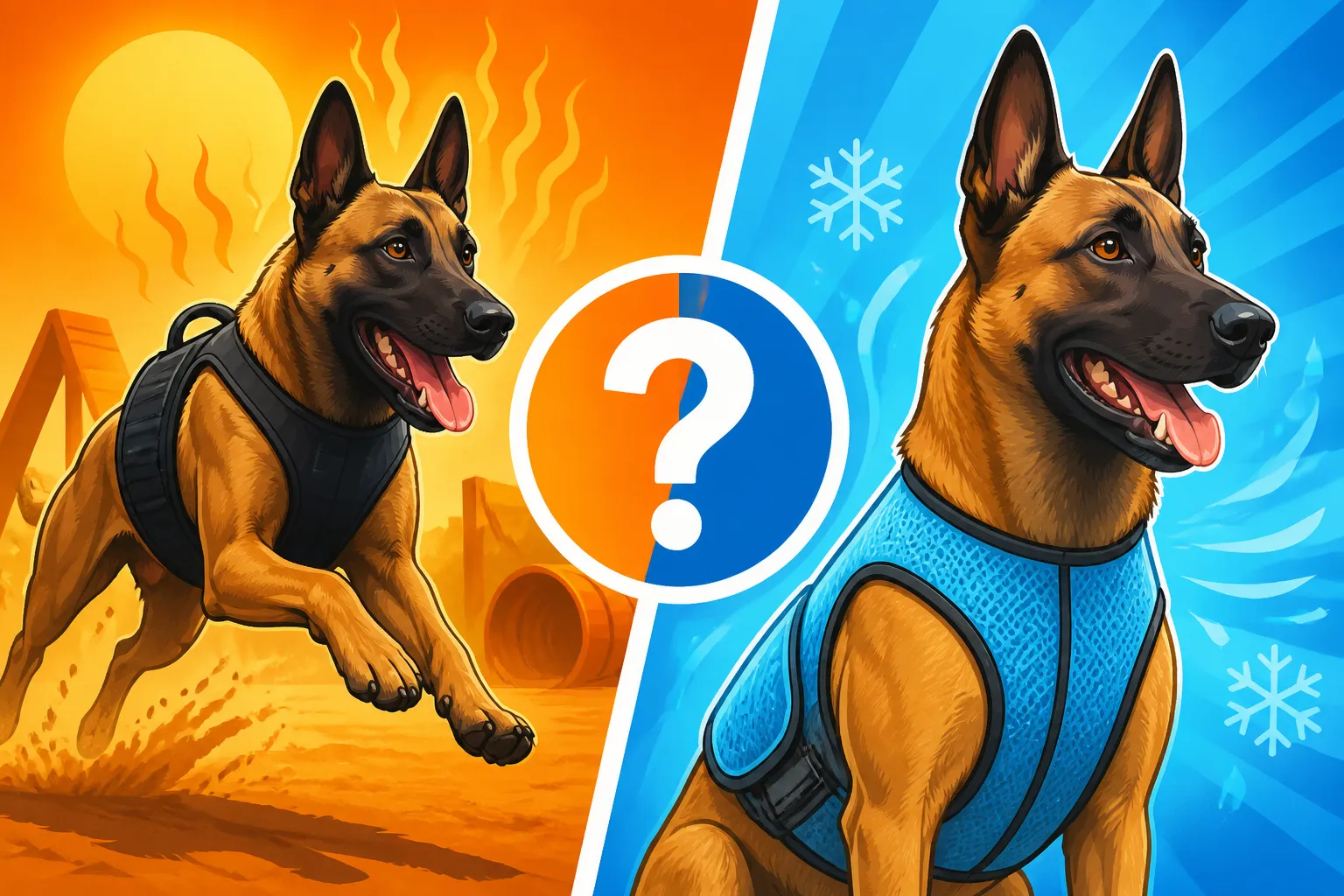
Cooling vests for dogs primarily operate on one of two principles: evaporative cooling or phase-change cooling. Both aim to reduce the dog's core body temperature by promoting heat transfer away from the body.
- Evaporative Cooling Vests: These are perhaps the most common type. They are designed to be soaked in cold water, then wrung out and placed on the dog. The magic happens as the water evaporates from the vest's fabric. This process draws heat away from the dog's body, similar to how human sweat cools us. The key is that the vest remains cool to the touch as long as there's moisture to evaporate and air movement to facilitate it. Many popular brands use this method.
- Phase-Change Cooling Vests: These vests utilize special cooling packs that contain a material that solidifies and liquefies at a specific temperature, often around 58-60°F (14-15°C), which is cooler than body temperature but not freezing. Unlike ice packs, which can cause frostbite or uncomfortable cold spots, phase-change materials (PCMs) maintain a constant cool temperature for an extended period as they absorb heat from the dog's body and change from solid to liquid. These vests often require pre-cooling in a refrigerator or ice water, but once activated, they provide consistent, regulated cooling without being "wet."
The effectiveness of both types hinges on the principles of thermodynamics—heat moves from a warmer object (your Malinois) to a cooler object (the vest) or is carried away by evaporation. For a breed like the Malinois, which generates a lot of internal heat, providing an external sink for that heat can make a real difference, especially during crucial downtime between trial exercises or before and after a run.
Benefits and Limitations on the Trial Field
For a Belgian Malinois at a trial, a cooling vest offers several tangible benefits. Firstly, it helps prevent overheating by providing a consistent cooling source, which is invaluable when your dog is waiting in their crate or on the sidelines between runs. This can lead to improved performance by keeping their core temperature lower, meaning they start their next exercise fresher and less fatigued by the heat. They're not fighting a high body temp and the demands of the sport simultaneously. Secondly, it contributes significantly to their overall safety and well-being, reducing the risk of heat-related emergencies. Imagine your Malinois having just finished a high-drive bite work session; slipping a cooling vest on them immediately can help bring their temperature down more rapidly than just resting in the shade.
However, cooling vests are not without their limitations. They are most effective during periods of rest or low activity. Wearing them during an intense trial run might impede movement or become a distraction for some dogs. Evaporative vests also require re-wetting and can become less effective in high humidity environments where evaporation is slowed. Phase-change vests, while less reliant on environmental humidity, have a finite cooling duration and need to be re-cooled. You'll need to think about how you'll manage this on the field, perhaps with a cooler full of fresh packs. Furthermore, a vest only cools the torso; it doesn't address the heat radiating from the head, paws, or panting. It's a tool, not a complete solution, and should be part of a broader strategy, including ensuring access to plenty of water for Hydrating a Belgian Malinois During Training.
Practical Application: When and How to Use a Cooling Vest
Deciding to use a cooling vest is one thing; implementing it effectively on a busy trial day is another. It requires forethought, understanding your dog's specific needs, and integrating it into your overall heat management strategy.
Selecting the Right Vest for Your Malinois
The market offers a wide variety of cooling vests, and finding the right one for your Malinois involves considering a few factors. Look for vests made from durable, lightweight materials that won't restrict movement. For evaporative vests, a highly absorbent yet quick-drying material is ideal. For phase-change vests, consider the weight and bulk of the cooling packs. Fit is crucial: the vest should be snug enough to allow good contact with the dog's body for efficient heat transfer, but not so tight that it causes chafing or discomfort. Many handlers find options on platforms like Chewy or Amazon, allowing them to compare features and read reviews from other working dog owners.
Consider the climate where you typically trial. If you're often in hot, dry environments, an evaporative vest might be very effective. If you're in a humid region, a phase-change vest might offer more consistent cooling. Some vests are designed specifically for active dogs, with secure fastenings and minimal bulk, which could be beneficial for Malinois who need to move freely, even when resting.
Here's a quick comparison of common cooling vest types:
| Feature | Evaporative Cooling Vest | Phase-Change Cooling Vest |
|---|---|---|
| Cooling Method | Water evaporation draws heat from the dog. | Packs with special material absorb heat as they melt/liquify. |
| Activation | Soak in water, wring out. | Pre-cool packs in freezer/fridge/ice water. |
| Feel | Wet to the touch, can dampen dog's coat. | Dry to the touch, dog's coat stays dry. |
| Humidity Impact | Less effective in high humidity (slower evaporation). | Effective regardless of ambient humidity. |
| Duration | Varies, needs re-wetting as it dries out. | Consistent for several hours, then needs re-cooling. |
| Weight | Generally lighter when wet. | Can be slightly bulkier/heavier due to cooling packs. |
| Cost | Often more budget-friendly. | Typically more expensive upfront. |
| Re-cooling | Easy to re-wet with any water source. | Requires cooler with ice or access to refrigeration. |
Integrating Vests into Your Trial Day Routine
For a Malinois competing on a trial field, the cooling vest is best utilized strategically. It's typically not worn during the actual performance—imagine a dog doing a jump or a bite on a sleeve with a cumbersome vest on! Instead, it's invaluable for pre-cooling and post-cooling.
- Pre-Cooling: Put the vest on your Malinois 15-30 minutes before their scheduled run, especially if they've been waiting in a warm crate or direct sunlight. This helps to lower their baseline body temperature, giving them a head start against the heat they'll generate during their exercise.
- Post-Cooling: Immediately after their run, remove them from the field, get them into the shade, and put the cooling vest back on. Offer water. This rapid cooling can significantly aid recovery and prevent temperatures from spiking further. It’s particularly useful after intense exercises like a long track or a high-drive protection routine.
- Between Runs: If your Malinois has multiple runs or is at a multi-day trial, use the vest during downtime in their crate or designated rest area. Ensure they are always in the shade, and combine the vest with other cooling methods like a portable fan and plenty of cool water.
Remember to supervise your Malinois when they are wearing a cooling vest to ensure they are comfortable and that the vest isn't causing any issues. Also, keep the vest clean; regular washing (according to manufacturer instructions) prevents odor and maintains its effectiveness.
Beyond the Vest: Comprehensive Heat Management
While cooling vests are a fantastic addition to your gear bag, they are just one piece of the puzzle when it comes to keeping your high-drive Malinois safe and performing optimally in warm weather. A holistic approach to heat management is essential, especially for a breed that lives for the job and will often push past its physical limits.
Environmental Control and Strategic Scheduling
The first line of defense against heat stress often involves simple environmental modifications. Always seek out shade, whether it's natural tree cover, an EZ-up canopy, or a vehicle parked strategically. Even five minutes in direct sun can significantly increase your dog's body temperature. Airflow is equally critical; portable battery-operated fans can make a huge difference in a crate or shaded area, helping to evaporate moisture from their skin and the vest. Consider investing in vehicle heat alarms, particularly if your Malinois travels in a crate in your car, to ensure the internal temperature never becomes dangerous. This is vital, as Heat Stroke in a Belgian Malinois in a Patrol Car can happen shockingly fast.
When it comes to trial scheduling, if you have any input or flexibility, aim for early morning or late evening slots during hot months. These times typically offer cooler temperatures, making it easier for your dog to work without undue stress. If you're keeping a Belgian Malinois through a southern summer, you already know these strategies become daily habits, not just trial-day considerations.
Hydration and Nutritional Support
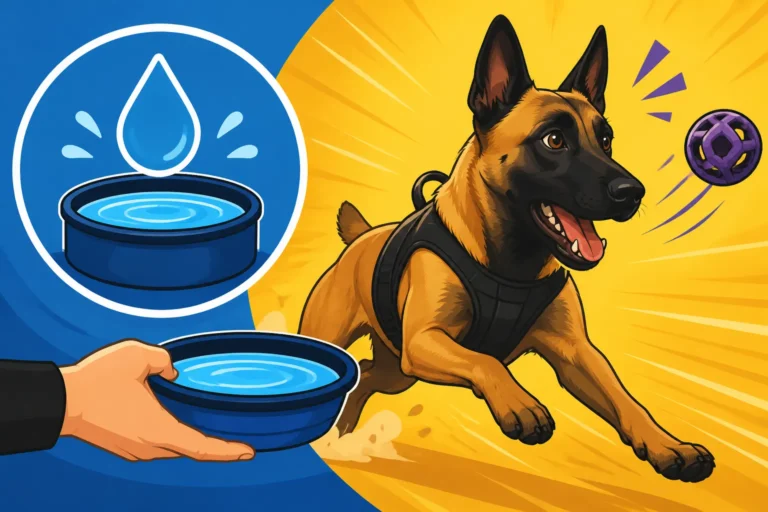
Adequate hydration is non-negotiable. Always have fresh, cool water readily available, not just during breaks but throughout the day. Some Malinois are so focused that they need to be actively encouraged to drink, so consider bringing a favorite water bowl, adding a splash of broth to encourage intake, or using a collapsible water bottle with a dispenser that your dog is familiar with. Electrolyte supplements can also be beneficial, especially after intense exercise, to replenish essential minerals lost through panting. Discuss this with your vet or a canine nutritionist to ensure appropriate usage and dosage.
Nutrition also plays a subtle but important role. A well-balanced, high-quality diet provides the necessary fuel and supports overall health, which includes better thermoregulation. While a cooling vest directly tackles external temperature, optimal internal health, supported by quality food options like those from Ollie, helps the dog's body cope better with stress, including heat. Ensuring your Malinois is in lean, athletic condition—not overweight—also helps, as excess fat acts as an insulator, making it harder for dogs to cool down.
Knowing When to Scratch the Run
Perhaps the most critical, yet often hardest, decision for a dedicated handler is knowing when to pull your Malinois from a competition due to heat. That internal drive, that fire, that makes Malinois so exceptional, also makes them push themselves into dangerous territory. It's your job as the handler to be their advocate. If your Malinois is showing significant signs of heat stress, even with cooling measures in place, or if the environmental conditions are simply too extreme, pulling them is the responsible choice. No ribbon, title, or ranking is worth risking your dog's health or life. Regular veterinary check-ups, as part of The Checkup Schedule a Sport Malinois Should Keep, can also help ensure your dog is fit enough for the demands of competition, especially in challenging weather. Listen to your dog, observe their body language, and prioritize their welfare above all else.
Disclaimer
This article is for general informational purposes only and does not constitute professional advice. Laws, prices and regulations vary by location and change over time. Consult a qualified professional for guidance on your specific situation.