Reading a Belgian Malinois Pedigree Before Paying
When you're looking for a Belgian Malinois puppy, the excitement can be overwhelming, but rushing into a purchase without understanding the background of your future companion can lead to heartbreak and significant financial strain down the line. Many prospective owners get caught up in the puppy's cute face or a breeder's convincing sales pitch, completely overlooking the crucial document that tells the true story of that dog: its pedigree. This comprehensive guide will walk you through exactly what to look for and how to interpret a Belgian Malinois pedigree, ensuring you make an informed decision and bring home a sound, healthy, and stable dog.
What Exactly is a Belgian Malinois Pedigree?
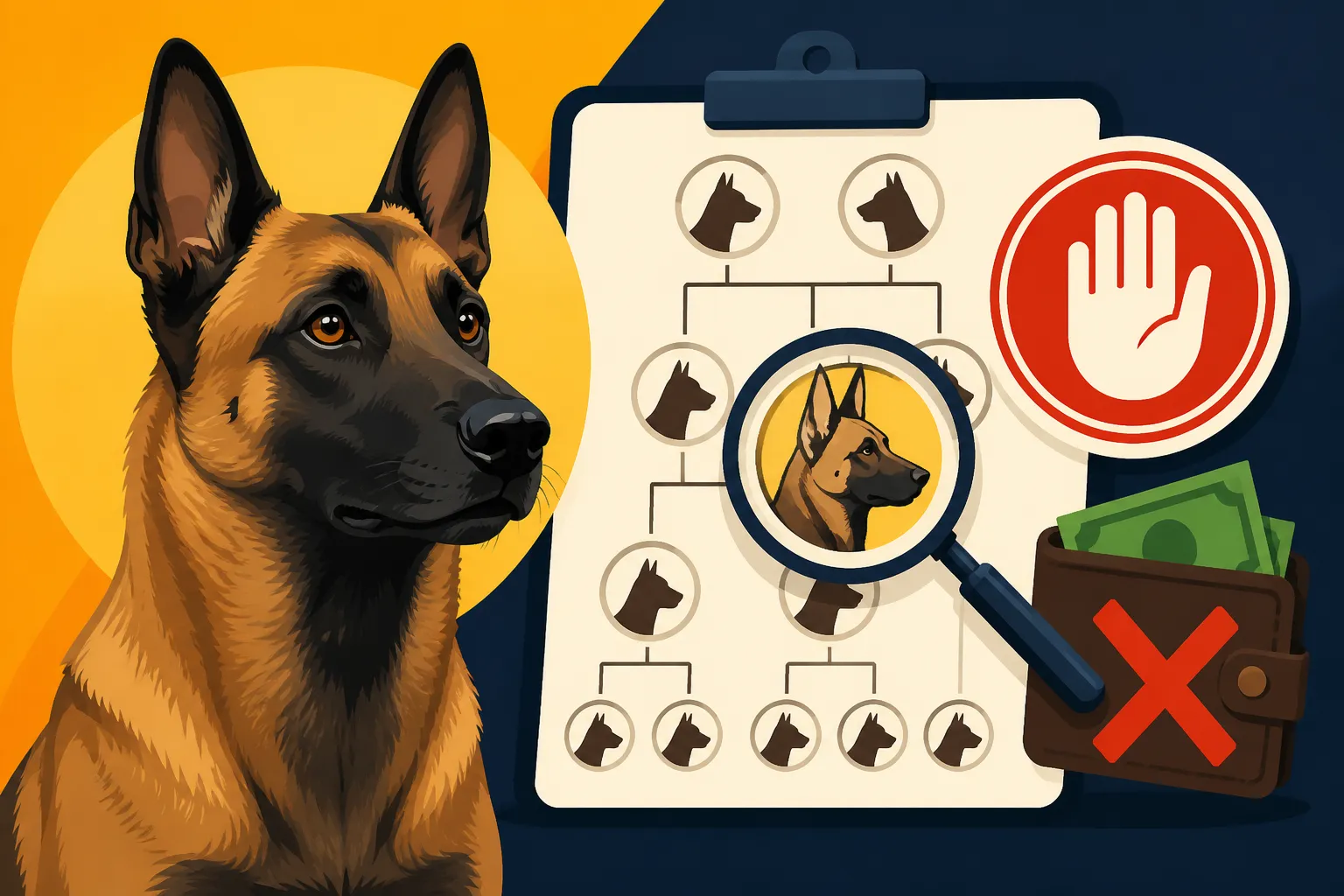
Think of a Belgian Malinois pedigree not just as a piece of paper, but as a meticulously documented family history, a genetic roadmap stretching back generations. It’s more than just who begat whom; it’s a condensed record of health, temperament, and working ability that should inform your decision-making process. Many first-time Malinois owners, swept up by the breed's impressive reputation, might see a pedigree as an intimidating or unnecessary formality. But I promise you, taking the time to truly understand it will save you a world of trouble and expense.
More Than Just a Family Tree
At its core, a pedigree lists the ancestors of a dog – parents, grandparents, great-grandparents, and sometimes even further back. For a Belgian Malinois, this typically includes at least three to five generations. Each entry should detail the registered name of the dog, its registration number (usually with a recognized kennel club like the AKC or FCI), and often its birthdate. But a truly valuable pedigree goes much deeper. It will include titles earned, health clearances, and sometimes even notations about temperament or specific working aptitudes. Without these additional details, you're essentially looking at a skeleton without any meat on the bones. You wouldn't buy a car without checking its service history, so why would you invest in a highly driven, complex breed like a Malinois without scrutinizing its lineage?
The sheer volume of information can seem daunting at first glance. You'll see a mix of letters and numbers, acronyms, and sometimes even symbols. Don't let it scare you off. Each piece of information is a puzzle piece contributing to the full picture of the dog's genetic legacy. Understanding these elements is your first line of defense against potential genetic health issues or temperament mismatches that could otherwise turn your dream of owning a Malinois into a nightmare. A reputable breeder will not only provide this document but will also be eager to walk you through it, explaining every detail and answering all your questions. If a breeder is hesitant or dismissive about their pedigree, that's your first red flag.
The Importance of a Detailed Pedigree
Why bother with all this detail? Well, for a breed as intensely driven and often complex as the Belgian Malinois, a well-documented pedigree is paramount for several reasons. Firstly, it offers insight into the genetic health predispositions within that specific line. Malinois, like many purebreds, can be prone to certain hereditary conditions. A transparent pedigree with recorded health clearances shows a breeder's commitment to reducing the incidence of these issues. You want to see generations of healthy dogs, not just healthy parents.
Secondly, a detailed pedigree gives you a window into the working ability and temperament. The Belgian Malinois isn't just a pet; it's a working dog through and through. The titles and achievements listed in a pedigree indicate the kind of work the ancestors excelled at, giving you a strong predictor of your puppy's potential drives and character. If you're looking for a dog to compete in IGP or protection sports, you want a pedigree full of dogs with strong working titles, not just show ring ribbons. Conversely, if you're looking for a slightly softer companion (though a "soft" Malinois is still a high-drive dog!), you might seek out lines known for stable temperaments that can thrive in a demanding home environment. This information directly impacts whether the dog will fit your lifestyle. For example, if you're asking, "Whether a working line Malinois lives as long," the pedigree can often provide clues by showing the longevity of dogs in that specific lineage.
Lastly, and this is where many people overlook the value, the pedigree is a testament to the breeder's ethical practices. A breeder who proudly presents a transparent, well-researched pedigree is typically one who has invested time, effort, and resources into breeding healthy, stable dogs. They understand the responsibility they have to the breed and to future owners. A shoddy or incomplete pedigree often signals a breeder who may be cutting corners, either due to ignorance or a lack of care. This due diligence on your part can make all the difference in avoiding costly health problems or severe behavioral challenges down the road.
Deciphering the Health Clearances
When you first glance at a Belgian Malinois pedigree, you’ll likely see a jumble of letters and numbers beside each dog’s name. This isn't some secret code; it's vital information about their health. Understanding these clearances is non-negotiable for any prospective Malinois owner, as it directly impacts your dog’s long-term well-being and your wallet. These are highly active dogs, and structural integrity is key to their quality of life.
Hip and Elbow Scores: Understanding the Numbers
One of the most common and important health clearances you'll encounter are those for hips and elbows, primarily to screen for hip and elbow dysplasia. These conditions can cause debilitating arthritis and pain, especially in a dog as athletic as a Malinois. Different registries use different scoring systems. In the United States, the Orthopedic Foundation for Animals (OFA) is widely used. OFA hip ratings range from Excellent, Good, Fair (all considered passing), to Borderline, Mild, Moderate, and Severe (all failing). For elbows, OFA gives a grade of Normal or Dysplastic (Grade I, II, or III). You want to see "Excellent," "Good," or "Fair" for hips, and "Normal" for elbows across multiple generations. If you're wondering, "The Hip and Elbow Numbers Behind a Malinois Clearance," this is exactly what you need to look for.
In Europe, the Fédération Cynologique Internationale (FCI) system is prevalent, often represented by letters like A (no dysplasia), B (near normal), C (mild dysplasia), D (moderate dysplasia), and E (severe dysplasia). Similarly, for elbows, you might see 0 (normal), 1 (mild), 2 (moderate), and 3 (severe). For both systems, the goal is to see scores indicating healthy joints – ideally A or B for hips and 0 or 1 for elbows on the European scale. When you see a long line of ancestors with excellent hip and elbow scores, you significantly reduce the risk of your puppy developing these issues. Don't hesitate to ask your breeder how to interpret these scores, and ensure they can provide copies of the actual certificates if you need further verification. Some breeders might also use PennHIP, which provides a distraction index (DI) that measures hip laxity. Lower DI numbers indicate tighter hips. Understanding "Reading a Belgian Malinois Hip Result" can give you an even deeper insight into the likelihood of hip issues.
Diving into Genetic Disease Testing
Beyond structural clearances, modern breeding practices for Belgian Malinois often include DNA testing for specific genetic diseases. Two significant ones that have gained attention are SDCA1 and SDCA2 (Spongy Degeneration with Cerebellar Ataxia). These are recessive conditions that can cause severe neurological symptoms in affected puppies. A dog can be clear, a carrier, or affected. A responsible breeder will test both parents for these conditions, and you'll want to see documentation showing that at least one parent is "clear" if the other is a carrier, or ideally, both parents are "clear." Breeding two carriers will produce affected puppies, which is something no ethical breeder would do intentionally. "The Two Ataxia Genes Belgian Malinois Are Tested For" highlights the importance of this specific screening. You can ask, "Whether a Malinois puppy arrives with ataxia results" to ensure this information is provided upfront.
Other genetic tests might include those for degenerative myelopathy (DM) or certain eye conditions, although these are less common or less prevalent in Malinois compared to some other breeds. The key is transparency. The breeder should be able to explain what tests they perform, why they chose those specific tests, and what the results mean for the puppies. If a breeder claims their dogs are "healthy" but has no genetic test results to back it up, proceed with extreme caution. This kind of proactive testing demonstrates a dedication to responsible breeding and ensuring the long-term health of the breed, something that an owner of a Malinois will appreciate over the lifespan of their highly active dog. This also helps in avoiding unexpected veterinary costs later on, which can be substantial for genetic conditions.
The Value of Eye and Cardiac Clearances
While hip and elbow scores and genetic ataxia testing are often prioritized, eye and cardiac clearances also hold significant value in a comprehensive Belgian Malinois pedigree. Eye clearances, typically performed by a board-certified veterinary ophthalmologist, look for inherited eye diseases like progressive retinal atrophy (PRA), cataracts, or pannus. While pannus (chronic superficial keratitis) isn't strictly hereditary in the same way some other eye diseases are, a predisposition can exist, and breeders should be aware of lines where it's more prevalent. Seeing current eye certificates, usually done annually, confirms that the breeding dogs are free from observable inherited eye conditions at the time of examination. "The Eye Diseases Behind a Malinois Eye Certificate" is a good topic to look into for more detail.
Cardiac clearances are less frequently seen for Malinois compared to some other breeds prone to heart conditions, but they can still be a valuable addition, especially for dogs from lines with any history of cardiac issues. These typically involve an examination by a veterinary cardiologist, sometimes including an echocardiogram. A "normal" cardiac clearance gives further peace of mind that the dog doesn't have an obvious congenital heart defect. While not every Malinois ancestor will have every single clearance imaginable, a pattern of consistent, transparent health testing across multiple generations is what you’re looking for. It shows a breeder who isn't just lucky, but who is actively working to produce healthy puppies, reducing the likelihood that you'll be facing expensive and heartbreaking health issues later on.
Understanding Titles and Working Achievements
A Belgian Malinois isn't just a dog; it's a finely tuned athletic machine with an incredible work ethic. Because of this, the titles and working achievements listed in a pedigree are arguably just as important as the health clearances, if not more so, in predicting the temperament, drive, and trainability of your future puppy. These aren't vanity awards; they are hard-won distinctions that speak volumes about a dog's genetic potential and the commitment of its handler.
Performance Titles: IGP, Ring Sports, and Detection
When you read a Malinois pedigree, you'll see a string of letters before or after a dog's name, like "IGP3," "PH," "MR3," "BH," or "CDX." These are working titles, and they tell you what disciplines the dog has excelled in.
- IGP (Internationale Gebrauchshunde Prüfungsordnung), formerly IPO or Schutzhund: This is a three-phase sport (tracking, obedience, and protection) designed to test a dog's temperament, trainability, courage, and physical prowess. Titles range from IGP1 to IGP3, with IGP3 being the highest level, signifying a highly trained and stable working dog. Seeing IGP titles in the pedigree tells you these dogs have proven their ability to focus, follow commands under pressure, and engage in controlled protection work.
- Ring Sports (Belgian Ring, French Ring, Mondioring): These are intense protection sports originating in Europe that require immense courage, athleticism, and precision from the dog, and exceptional handling skills. Titles like "MR3" (Mondioring Level 3) or "BR3" (Belgian Ring Level 3) indicate a dog that has performed at the highest echelons of bite work, demonstrating controlled aggression, strong grips, and incredible agility. "Belgian Ring Against Mondioring for a Malinois" is a great resource if you want to understand the nuances between these high-octane sports.
- KNPV (Koninklijke Nederlandse Politiehond Vereniging): This is the Dutch police dog program, known for producing some of the toughest, most driven working dogs in the world. Titles like PH1 (Police Hond 1) are a gold standard for dogs destined for law enforcement or advanced protection work. If you see KNPV titles, you know you're looking at a line bred for extreme drive and resilience, which is why "Why KNPV Bred Malinois Run Past Four Thousand" is a common question.
- Detection Titles (e.g., HRD, Scent Work): While less flashy than bite sports, detection titles demonstrate a dog's intense focus, olfactory abilities, and sustained drive for scent work, vital for roles in narcotics, explosives, or search and rescue.
- Obedience and Agility Titles (e.g., CD, CDX, UD, OA, AX): These are common in many breeds and demonstrate a dog's trainability and athleticism in more generalized contexts. While good to see, for a Malinois, they typically complement the more intense working titles rather than standing alone as the primary indicator of drive.
A pedigree peppered with these titles, especially at higher levels, indicates a line of dogs consistently proving their capabilities in demanding environments. This is precisely what you want to see if you're looking for a true working Malinois.
Why Working Titles Matter for Your Malinois
It’s easy to get caught up in the idea of a "working dog" and think it just means the dog has a lot of energy. For a Malinois, working titles on the pedigree signify so much more than that. They demonstrate:
- Tested Temperament: A dog cannot succeed in bite sports or police work without a stable, confident, and resilient temperament. They need to be bold but controllable, driven but discerning. Titles prove that the dog has been exposed to high-stress situations, strange environments, and confrontational scenarios, and has responded appropriately. This reduces the risk of fear-aggression or instability in your puppy.
- Trainability and Biddability: Earning these titles requires countless hours of dedicated training. Dogs that achieve high-level titles are inherently biddable and possess the mental fortitude to learn and execute complex commands. This is crucial for a Malinois, a breed that demands consistent direction and thrives on having a "job."
- Correct Drives: A Malinois bred for working sports will have appropriate levels of prey drive, fight drive, and defense drive – drives that are channeling into structured, controlled outlets. These drives are the engine of the Malinois, and seeing them present and managed in ancestors through titles is a strong indicator that your puppy will also have these innate abilities and motivations.
- Physical Soundness: High-level working sports are incredibly demanding on a dog's body. A dog with an IGP3 or MR3 title must be physically sound, with strong joints, excellent stamina, and a correct structure that allows it to perform explosive movements and absorb impacts without breaking down. This reinforces the importance of seeing those health clearances alongside the working titles.
Essentially, working titles are a form of quality control. They tell you that a dog has been evaluated, tested, and proven to meet the rigorous demands of its intended purpose. This directly impacts "What a Malinois With Titled Parents Costs" because you're paying for proven genetics and a higher likelihood of a sound, stable, and highly capable dog.
Recognizing "Green" Dogs and Titled Parents
Sometimes, you’ll see "green" dogs in a pedigree. A "green" dog is one that is largely untrained or minimally started in a specific discipline. It's not necessarily a bad thing, especially if it's a young dog in the immediate lineage, but it means there's less verifiable information about its working temperament and drives. What you really want to see, especially in the parents and grandparents, are solid, verifiable titles.
If the parents of a litter both have high-level working titles, it suggests they have inherited and expressed the desired traits. This increases the probability that their offspring will also possess those traits. Conversely, if a pedigree is full of "green" dogs or dogs with only basic obedience titles, it might indicate a line that, while still Malinois, may not possess the extreme drives and working capacity that some owners seek. For example, some show lines of Malinois exist, and while they might be beautiful, they often lack the intensity and working ability of sport or police lines. If your goal is to compete in IGP, a pedigree full of show champions might not be the best fit.
It's also important to verify titles. Most reputable registries and sport organizations maintain online databases where you can look up a dog's registered name and verify its titles. A good breeder will direct you to these resources. This due diligence ensures that the claims on the pedigree are legitimate and that you're not just taking the breeder's word for it. Remember, you're investing a significant amount of money in a Malinois puppy, and those titles on the pedigree are a big part of what justifies the price and predicts your dog's future success and happiness.
Identifying Red Flags and What to Ask
So you've got the pedigree in your hands, and you're starting to understand the jargon. But how do you spot the things that should make you pause? Recognizing red flags in a Belgian Malinois pedigree, and knowing the right questions to ask, can save you from a world of trouble. This isn't about being overly suspicious; it's about being a responsible, informed owner.
Missing Information: A Cause for Concern
A pedigree, by its very nature, should be a comprehensive record. If you find significant gaps, it should immediately raise a red flag. What constitutes missing information?
- Unlisted Health Clearances: If ancestors repeatedly lack hip, elbow, or genetic test results, it’s a problem. It either means the tests weren't done (which is negligent for a working breed prone to these issues) or the results were poor and conveniently omitted. A breeder should be able to provide clear documentation for health clearances of at least the parents, and ideally the grandparents. If you're "Looking Up a Malinois Sire's OFA Record," and find it empty, that's a serious concern.
- Unregistered Dogs: While not every dog in every distant generation might be officially registered, a consistent pattern of unregistered dogs, especially in the closer generations (parents, grandparents), can indicate a lack of commitment to breed standards or potentially unethical breeding practices.
- Vague or Incomplete Names: Each dog should have a full, registered name (e.g., "KNPV PH1 Ares van de Vierwinden"). If you see only kennel names or generic descriptions, it makes verification impossible.
- No Titles for Working Lines: If a breeder claims to be producing "working line" Malinois but the pedigree shows no working titles (IGP, Ring, KNPV, etc.) for the parents or recent ancestors, then their definition of "working line" is questionable at best. A true working line will have verifiable achievements that demonstrate temperament and drive.
When you encounter missing information, it's not necessarily an automatic deal-breaker, but it is an opportunity to ask precise, direct questions. A good breeder will have ready answers and explanations, often accompanied by supplementary documentation. A breeder who gets defensive or vague when questioned about gaps is someone you should walk away from. Remember, a lack of information often means there's something to hide.
Repeated Pairings and Inbreeding
While linebreeding (mating related individuals to concentrate desirable traits) can be a legitimate tool in responsible breeding, excessive inbreeding or repeated pairings can be a serious red flag.
- Close Inbreeding: Seeing dogs listed multiple times in the first two or three generations can indicate a high degree of inbreeding. While some experienced breeders use this carefully to set type, it also significantly increases the risk of genetic health problems and can lead to a reduction in genetic diversity, potentially concentrating undesirable traits or vulnerabilities to disease. You want to see genetic diversity, particularly in a breed already facing some challenges with certain conditions.
- Repeated Sire/Dam Pairings: If a breeder consistently breeds the same sire and dam together for multiple litters, especially if there are no verifiable titles or clearances for all offspring from previous litters, it can be concerning. It might suggest a lack of foresight, a limited gene pool, or simply prioritizing convenience over genetic health and diversity.
A reputable breeder will be able to explain their breeding strategy, including any linebreeding, and justify their choices based on the qualities of the specific dogs involved and the goals for the litter. They should also be able to discuss the Coefficient of Inbreeding (COI) for the proposed litter, which is a calculation that indicates the degree of inbreeding. A very high COI should certainly prompt further questions. It's a delicate balance; you want consistency, but not at the expense of overall genetic health and vigor. A pedigree should show a thoughtful, planned approach to breeding, not a haphazard or overly concentrated one.
Questions to Ask Your Breeder About the Pedigree
Don't be afraid to ask pointed questions. A good breeder respects an informed buyer. Here are some key questions to have ready:
- "Can you walk me through the health clearances for both parents and their parents? Where can I verify these online?" This lets you confirm "The Hip and Elbow Numbers Behind a Malinois Clearance" and other tests.
- "What working titles do the parents and grandparents hold, and what do those titles mean for this litter?" This helps you understand "What a Malinois With Titled Parents Costs" and justifies the investment.
- "Are there any dogs in this pedigree that carry the genes for SDCA1 or SDCA2, and if so, how have you managed that in this pairing?" "Whether a Malinois puppy arrives with ataxia results" is a critical query here.
- "What is the Coefficient of Inbreeding (COI) for this specific litter, and what was your reasoning for this pairing?"
- "Have you bred these specific parents before? If so, what were the results of those litters in terms of health and temperament?"
- "Are there any dogs in this pedigree that have been retired early due to health issues or temperament concerns, even if they had clearances?" Sometimes, underlying issues only become apparent later in life.
- "What kind of temperament are you seeing in the parents and close relatives in this pedigree? Can you describe specific examples?"
- "Are there any dogs in this pedigree that you wouldn't breed again, and why?" This shows self-awareness and honesty.
A breeder who is open, honest, and patient with these questions is generally one who is confident in their breeding program and committed to finding the right homes for their puppies. Be wary of breeders who dismiss your questions, pressure you into a quick decision, or provide vague answers. Your thoroughness now will pay dividends over the lifetime of your amazing Malinois.
Beyond the Paper: Researching the Dogs Themselves
While a pedigree is a vital document, it's still just paper. To truly understand the genetic foundation of your potential Belgian Malinois puppy, you need to go beyond the printed page and conduct your own deeper research into the individual dogs listed. This proactive approach will empower you with knowledge and help you identify a truly exceptional, ethical breeder.
Tapping into Online Databases and Registries
The beauty of the digital age is that much of the information found on a pedigree can be independently verified. Don't just take the breeder's word for it; dive into the official databases.
- OFA (Orthopedic Foundation for Animals) Database: For dogs registered in the U.S., the OFA website is a treasure trove. You can search by registered name or registration number to find official health clearances for hips, elbows, patellas, eyes, cardiac, and even some genetic disease results. This is where you can truly "Looking Up a Malinois Sire's OFA Record" and see the actual certificates. A consistent string of "Excellent" or "Good" hips and "Normal" elbows across generations is what you're hoping to find.
- FCI (Fédération Cynologique Internationale) Database: For European-bred dogs, many kennel clubs within the FCI framework (like the Royal Canine Society Saint Hubert in Belgium or the Raad van Beheer in the Netherlands) have online databases where you can verify registration, titles, and health scores (often A, B, C for hips; 0, 1, 2, 3 for elbows). If you're considering "Whether an Imported Belgian Malinois Is Worth the Freight," verifying their European pedigree is essential.
- Sport Organization Databases: For working titles, check the websites of organizations like IGP (formerly Schutzhund), AKC (for performance events), or various Ring Sport clubs. Many of these maintain online results or title archives. If a dog is listed with an IGP3 title, you should be able to verify that achievement.
The goal here isn't to be an investigative journalist, but to ensure transparency and consistency. If the pedigree says "OFA Good" but the OFA database shows nothing, or a different result, that's a serious problem. A trustworthy breeder will encourage and even help you navigate these online resources.
The Power of Social Media and Breeder Networks
Believe it or not, social media and online communities can be incredibly powerful tools for researching Belgian Malinois lines, but they must be used judiciously.
- Facebook Groups and Forums: There are numerous dedicated Facebook groups for Belgian Malinois enthusiasts, working dog sports, and even specific Malinois bloodlines. You can often post a question about a particular kennel name or a specific dog in a pedigree and get insights from other experienced owners and breeders. Be aware that these platforms can also be rife with opinion and misinformation, so always cross-reference information. Look for consistent positive or negative feedback, not just isolated anecdotes.
- YouTube and Kennel Websites: Many serious working dog kennels maintain websites with extensive information about their breeding dogs, often including photos, videos of them working, and copies of their health clearances and pedigrees. YouTube channels might feature videos of dogs in a pedigree performing in trials or training sessions, which can give you an invaluable visual insight into their drive, athleticism, and temperament. Seeing a grandparent perform a flawless IGP routine can tell you a lot about the genetic potential of your puppy.
- Networking with Experienced Handlers: Attending local working dog trials or talking to people involved in Belgian Malinois clubs (like the American Belgian Malinois Club or local IGP clubs) can connect you with experienced handlers and breeders. They often have deep knowledge of specific lines and can offer invaluable insights into the reputation and characteristics of certain dogs and kennels. Remember, these are highly specialized dogs, and finding mentors who truly understand the breed is crucial.
Visiting the Kennel and Meeting the Parents
No amount of paper or online research can replace the invaluable experience of visiting the breeder's facility and, most importantly, meeting the puppy's parents (at least the dam, and ideally the sire if he lives on-site). This is where the pedigree truly comes to life.
- Observe the Dam's Temperament: The mother of the litter is arguably the most crucial influence on a puppy's early development and temperament. Is she calm and confident, or nervous and reactive? How does she interact with the breeder, with you, and with her puppies? A well-socialized, stable dam is key to producing well-adjusted puppies.
- Assess the Environment: Is the kennel clean, safe, and stimulating? Are the puppies raised in a home environment or isolated? Early socialization and exposure to normal household sights and sounds are vital for Malinois puppies. If the puppies are raised in a barren, noisy, or unsanitary environment, it can negatively impact their development, regardless of their impressive pedigree.
- See the Parents Work (if possible): If the parents are working dogs, ask the breeder if you can see them perform some of their trained tasks, even a short obedience or bite work session. This gives you a direct observation of their drives, focus, and biddability. It connects the titles on the pedigree to a living, breathing demonstration of their capabilities.
- Interact with the Breeder: This visit is also your opportunity to assess the breeder themselves. Are they knowledgeable, open, and eager to answer your questions? Do they genuinely care about their dogs and the breed? Do they ask you probing questions to ensure you're a good fit for one of their puppies? A good breeder is a lifelong resource, and this initial interaction sets the tone. This holistic approach, combining pedigree review, online research, and in-person observation, is the most thorough way to ensure you're making the best decision for your future Belgian Malinois.
The Financial Side of a Well-Bred Malinois
Bringing home a Belgian Malinois is a significant financial commitment, and understanding how a pedigree influences cost, both upfront and long-term, is crucial. It’s not just about the sticker price of the puppy; it’s about the overall investment in a healthy, well-adjusted companion who can fulfill the breed's potential.
How a Strong Pedigree Influences Puppy Price
Let's be blunt: a Belgian Malinois with a stellar pedigree, full of health clearances and working titles, is going to cost more upfront than one from questionable lines. This isn't breeders being greedy; it's a reflection of the immense investment they’ve made.
- Health Testing Costs: Performing comprehensive health clearances (hips, elbows, eyes, cardiac, genetic panels like SDCA1/2) on multiple generations of breeding dogs is expensive. Each test costs money, and these costs are naturally factored into the puppy price.
- Working Titles and Training: Campaigning a dog to achieve high-level working titles (IGP3, MR3, KNPV PH1) requires years of dedicated training, travel to trials, entry fees, and often professional decoy services. This is a massive investment of time and money that proves the genetic quality and temperament of the breeding stock.
- Quality Care and Nutrition: Reputable breeders invest heavily in the nutrition, veterinary care, and overall well-being of their breeding dogs and puppies. This ensures healthy development from conception through puppyhood. For example, feeding high-quality performance kibble or a fresh food diet (brands like Chewy or Ollie offer various options) for breeding dams and growing puppies is not cheap.
- Limited Litters: Ethical breeders don't churn out litters. They breed selectively, perhaps only one or two litters a year, focusing on quality over quantity. This means puppies are in higher demand and, by extension, command a higher price.
When you see a price tag for a puppy from a truly proven, titled, and health-tested line, understand that you're paying for decades of responsible breeding, genetic excellence, and a significantly reduced risk of heartache down the road. This is why you'll see a range like "The 1,000 to 3,500 Range on Pet Belgian Malinois" for basic dogs, while "What a Belgian Malinois Puppy Costs by Bloodline" from top working lines can easily push past that. And "What a Malinois With Titled Parents Costs" often reflects the peak of this pricing spectrum.
Long-Term Savings on Health and Behavior
While the initial cost of a well-bred Malinois might seem high, consider it an investment that pays dividends in the long run. The phrase "you pay now or you pay later" perfectly applies to dogs.
- Reduced Veterinary Bills: A puppy from health-tested lines is far less likely to develop expensive, debilitating genetic conditions like severe hip or elbow dysplasia, or neurological disorders like ataxia. Treatments for these conditions can involve complex surgeries, long-term medication, and physical therapy, easily running into thousands of dollars. While no breeder can guarantee a dog will never have a health issue, a strong pedigree significantly stacks the odds in your favor.
- Lower Behavioral Intervention Costs: A puppy from a pedigree known for stable temperaments and appropriate drives is more likely to be mentally sound. An unstable or poorly bred Malinois can develop severe behavioral issues (anxiety, aggression, reactivity) that require costly professional behaviorists, specialized training, and potentially lifelong management. Investing in a dog with a solid genetic foundation reduces the likelihood of these expensive and emotionally taxing problems. You might even find yourself saving on things like replacing destroyed household items, as a well-bred and properly worked Malinois is less likely to be destructive out of sheer boredom or neurosis.
- Fulfillment of Potential: If you're getting a Malinois for sport, protection, or any working endeavor, a strong pedigree increases your chances of success. This means you're less likely to invest time and money in training a dog that ultimately doesn't have the genetic capacity or temperament for the job.
In essence, the higher upfront cost for a well-bred Malinois is often offset by substantial savings on potential veterinary bills and behavioral interventions, not to mention the immense emotional value of owning a healthy, stable, and capable dog.
Insuring Your Investment in a Quality Malinois
Given the financial and emotional investment in a well-bred Belgian Malinois, pet insurance becomes a highly advisable consideration. It acts as a safety net, protecting your budget from unforeseen accidents or illnesses, even in a dog from excellent lines.
- Peace of Mind: Even with the best genetics, accidents happen, and dogs can develop unexpected illnesses. Pet insurance helps cover a portion of veterinary costs for emergencies, specialist visits, and ongoing treatments. Companies like Healthy Paws offer various plans that can mitigate the financial impact of a sudden health crisis or injury.
- Comprehensive Coverage Options: Many insurers offer different tiers of coverage, from accident-only to comprehensive plans that include illness, hereditary conditions (if not pre-existing), and even some wellness benefits. You can choose a plan that fits your budget and risk tolerance. It's worth researching "What Pet Insurance Runs on a Working Malinois" as their active lifestyle can sometimes mean higher premiums or specific considerations.
- Facilitating Care Decisions: Knowing you have insurance can remove some of the financial stress when making critical decisions about your dog's care. Instead of choosing between your dog's health and your savings account, you can focus on providing the best possible treatment.
While pet insurance is a wise choice for any dog owner, it becomes even more compelling for a breed like the Belgian Malinois, whose active lifestyle and potential for specialized care can lead to higher-than-average vet bills if issues arise. Combining a strong pedigree with proactive health insurance is the ultimate strategy for responsible Malinois ownership.
Disclaimer
This article is for general informational purposes only and does not constitute professional advice. Laws, prices and regulations vary by location and change over time. Consult a qualified professional for guidance on your specific situation.