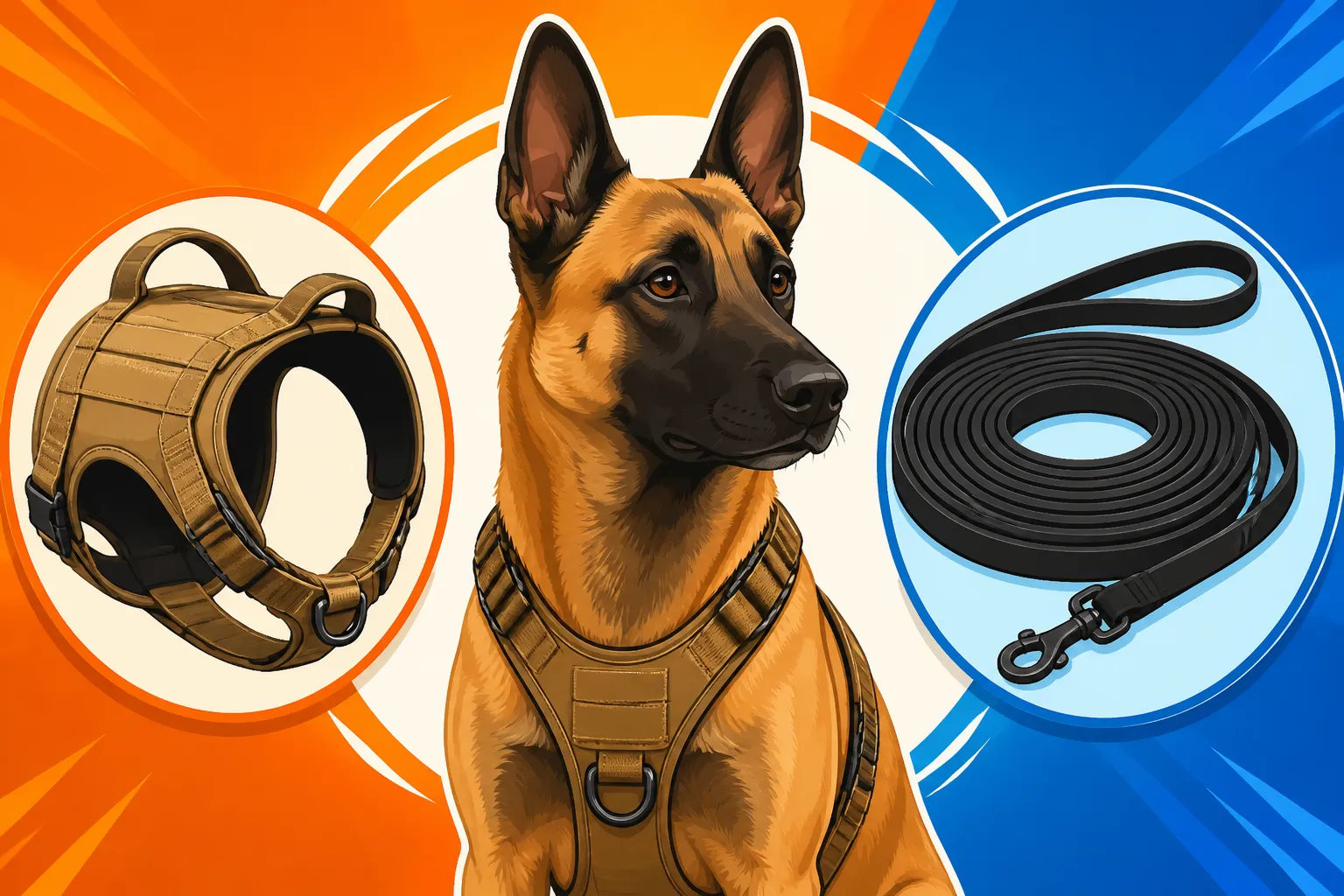
Tracking Harnesses and Long Lines for a Malinois
Navigating the world of canine tracking with a Belgian Malinois can be both exhilarating and, at times, incredibly frustrating if you don't have the right equipment. These dogs are powerhouses of drive and athleticism, and without the proper harness and long line, you might find yourself struggling with discomfort for your dog, or worse, losing control on a scent. This guide will walk you through selecting and using the essential gear to ensure safe, effective, and enjoyable tracking sessions with your high-octane Malinois.
The Essential Role of a Dedicated Tracking Harness
When you're asking your Malinois to follow a scent trail, often with their nose glued to the ground for extended periods, the last thing you want is for them to be uncomfortable or restricted. A standard walking harness, or even a sport harness designed for agitation work, simply isn't built for the unique demands of tracking. Choosing the right harness is paramount to their performance and well-being.
Why Your Regular Walking Harness Just Won't Cut It
Think about your typical daily walks. For those, a regular H-style harness or a front-clip harness might be perfectly adequate, offering decent control and comfort for casual strolls. However, tracking is a completely different ballgame. In tracking, your Malinois will be pulling forward consistently, often for minutes or even hours, with their head down and body angled into the work. A harness not designed for this sustained, directional pressure can cause chafing, restrict shoulder movement, or shift uncomfortably. Imagine trying to run a marathon in shoes meant for casual lounging; it's simply not going to work out well.
The pressure distribution on a standard harness often sits high on the chest or too close to the throat, which can impede breathing or put strain on the neck as your dog works. A Malinois needs full, uninhibited range of motion in their shoulders to effectively use their powerful stride for covering ground on a track. Anything that pinches, rubs, or slides around will be a constant distraction and can even lead to physical soreness or injury over time. Their focus needs to be entirely on the scent, not on an ill-fitting piece of gear. This breed requires dedicated equipment for dedicated tasks, similar to how they need Two Hours and a Job a Belgian Malinois Demands Daily to stay fulfilled.
Key Features to Look for in a Quality Tracking Harness
When you're searching for a tracking harness, you're looking for something that is ergonomically designed for sustained forward pull and maximum comfort. Durability is non-negotiable; your Malinois will test every seam and buckle. Look for harnesses made from robust materials like strong nylon webbing or leather, with heavy-duty metal hardware. Breathability is also key, especially for longer tracks or training in warmer weather, so padded areas should not trap excessive heat or moisture.
The fit is arguably the most critical aspect. A good tracking harness will have multiple adjustment points to conform perfectly to your Malinois's lean, athletic build. It should sit comfortably behind the shoulder blades, distributing pressure across the chest and rib cage, rather than high on the throat or directly on the shoulder joints. The design often features a Y-front shape or a wide chest plate that allows for full, unrestricted shoulder movement. Some harnesses offer extra padding in strategic areas to prevent chafing during long sessions. A single, sturdy D-ring for leash attachment on the back, usually near the base of the tail, is typical, ensuring the line pulls from a central, balanced point. You can find many suitable options on sites like Chewy, which often provide detailed product descriptions and customer reviews to help you assess the fit.
Mastering the Long Line: More Than Just a Long Leash
Just as a dedicated tracking harness is vital, so is the right long line. This isn't just an extra-long version of your everyday leash; it's a critical tool for communication, control, and safety when your Malinois is ranging further away from you, nose to the ground. Understanding its purpose and choosing the correct type will significantly impact your tracking success.
The Purpose of a Long Line in Tracking Work
The long line serves as your direct connection to your Malinois, allowing them the freedom to work a scent without being completely off-leash and potentially getting into trouble. It's about granting them the necessary space to follow the intricacies of a trail while still maintaining a measure of control and the ability to intervene if needed. Unlike a short leash, which keeps your dog right at your side, a long line lets them explore brush, navigate turns, and work through distractions several yards ahead, all while you remain safely anchored. This is especially important when you're working in open fields or unfamiliar territory where dangers might not be immediately apparent.
A common mistake new handlers make is attempting to use a retractable leash for tracking. Please, for the safety of your dog and yourself, never do this. Retractable leashes are designed for giving dogs a bit more roaming room on a casual walk, but they offer zero consistent tension or feedback, making them impossible to use effectively for communication in tracking. They can also snap, tangle, and cause severe rope burns or injuries. The long line allows you to "read" your dog's movements and intentions through the tension (or lack thereof) on the line, providing a subtle, constant communication channel during the track. This helps with building engagement, which is crucial for any working Malinois, as explored in Building Engagement With a Belgian Malinois.
Choosing the Right Length and Material
Long lines come in various lengths, typically ranging from 15 feet to 50 feet, and sometimes even longer. The length you choose often depends on the type of tracking you're doing, the terrain, and your dog's experience level. A 15-foot line might be good for starting out in smaller, contained areas, while a 30-foot line is a common all-around choice for general tracking. For advanced work in vast open fields where your Malinois needs a lot of room to cast about and find the scent, a 50-foot line can be incredibly useful. Always consider the environment; a 50-foot line in dense woods is a recipe for a tangle!
Regarding material, you have a few excellent options, each with its own benefits:
- Biothane: This material is incredibly popular for long lines because it's waterproof, odor-proof, easy to clean, and extremely durable. It has a leather-like feel but without the maintenance, making it perfect for muddy or wet conditions. It won't absorb water or get heavy.
- Nylon: A classic choice, nylon long lines are strong and generally affordable. They come in various widths and colors. The main downside is that nylon can absorb water and get heavy when wet, and it can cause rope burn if it slides quickly through your hands.
- Cotton/Webbing: These lines are soft on the hands and provide good grip. They are often a good starting point for new handlers. However, like nylon, they can absorb water, get dirty easily, and might not hold up as well over time to the extreme pulling a Malinois can dish out.
No matter the material, ensure the snap hook is sturdy and reliable, designed to withstand the sudden pulls of a powerful dog like a Malinois. A cheap, flimsy clip is a critical failure point. Look for solid brass or stainless steel hardware.
| Feature | Biothane Long Line | Nylon Long Line | Cotton/Webbing Long Line |
|---|---|---|---|
| Durability | Excellent, very long-lasting | Good, but can fray over time | Moderate, can be susceptible to wear and tear |
| Maintenance | Very low, wipes clean, waterproof | Moderate, can absorb water and dirt | Higher, absorbs water and dirt easily |
| Grip/Feel | Good, feels like leather, won't slip too much | Variable, can be slippery when wet, risk of burn | Excellent, soft, good grip |
| Weight | Consistent, doesn't absorb water to add weight | Can get heavier when wet | Can get heavier when wet |
| Cost | Generally higher | Moderate | Lower to moderate |
| Best For | All weather, frequent use, easy cleaning | General use, good value | New handlers, soft on hands, less intense work |
Putting It All Together: Gear and Technique for Successful Tracking
Having the right gear is only half the battle; knowing how to use it effectively with your Malinois is where the real magic happens. It's a combination of proper fit, careful handling of the line, and integrating these tools smoothly into your tracking training regimen.
Ensuring Proper Fit and Comfort for Your Malinois
A tracking harness that doesn't fit correctly can negate all its benefits. When you put the harness on your Malinois, always check for potential rub spots, especially around the armpits and behind the elbows. You should be able to comfortably slide two fingers under any strap. The harness should be snug enough not to shift excessively, but never so tight that it restricts breathing or movement. Pay particular attention to how it sits when your dog is in a natural tracking posture, head down and leaning forward. Their full range of shoulder movement must be completely unobstructed. You want to ensure that it’s not interfering with their powerful stride or causing discomfort during sustained work.
Once the harness is perfectly fitted, securing the long line is straightforward. Attach it to the designated D-ring on the harness. Before starting the track, unravel the entire line carefully to prevent tangles. There’s nothing more frustrating than having your Malinois hit a hot scent and then be jerked back because the line snagged on itself a few feet behind you. Keeping the line managed is key to a fluid and successful track, preventing snags on brush or sudden jerks that can interrupt your dog's concentration or even cause injury.
Integrating Gear into Tracking Training
Introducing the tracking harness and long line should be part of a positive, step-by-step training process. Start by letting your Malinois wear the harness for short periods, pairing it with highly rewarding activities, not just tracking. This helps them associate the harness with good things. When you begin tracking, teach your dog a clear "forward" or "find it" cue. This helps them understand that when the harness and long line are on, it's time to work.
Learning to handle the long line effectively is a skill in itself. The goal is to feed the line out smoothly, maintaining a light, consistent tension without letting it go completely slack, or allowing harsh jerks. Your hands should be protected, especially if using nylon, to prevent rope burn. Practice coiling and uncoiling the line as your dog works, keeping it off the ground where it can tangle or get caught on obstacles. If your Malinois suddenly charges, don't brace for impact with a static handhold; instead, let the line slide through your gloved hands, applying gentle, steady pressure to slow them down. This finesse is crucial for protecting your dog's neck and spine, and it’s a skill that takes practice, similar to Long Line Work With a Malinois in Open Ground.
Safety is paramount. Always be aware of your surroundings: roads, other people, wildlife, and rough terrain. The long line gives your Malinois freedom, but you are still responsible for their actions. Regularly inspect both the harness and the line for any signs of wear and tear, especially before a big training session or trial. Investing in quality gear, maintaining it, and learning how to use it proficiently will not only enhance your Malinois's tracking performance but also strengthen the bond and communication between you two as you navigate the world of scent work together. Remember, consistent Training Treats a Belgian Malinois Burns Through can also help keep them motivated during these sessions.
Disclaimer
This article is for general informational purposes only and does not constitute professional advice. Laws, prices and regulations vary by location and change over time. Consult a qualified professional for guidance on your specific situation.