Eyelid Problems in a Belgian Malinois
It’s incredibly distressing when your energetic Belgian Malinois, usually focused and alert, starts squinting, pawing at their face, or showing irritation around their eyes. Eyelid problems aren't just cosmetic; they can be profoundly uncomfortable, lead to more serious vision issues, and even impact your dog's ability to perform their job or simply enjoy life. This guide will walk you through the most common eyelid conditions affecting Malinois, what symptoms to watch for, and how to work with your vet to ensure your dog gets the care they need.
Understanding Common Eyelid Conditions in Belgian Malinois
Belgian Malinois are robust, active dogs, but like all breeds, they can be susceptible to certain health issues, including those affecting their eyelids. These aren't always glaringly obvious at first, and a subtle squint or a bit of extra tearing might be easily dismissed, especially if your dog is otherwise bouncing off the walls. However, understanding the different types of eyelid problems can help you advocate for your dog's health early on.
Entropion and Ectropion
These two conditions are often seen as opposites, yet both cause significant discomfort for a Malinois. Entropion is where the eyelid rolls inward, causing the eyelashes and surrounding hair to rub directly against the cornea – the clear outer layer of the eye. Imagine having a constant hair poking you in the eye; it's intensely irritating and can lead to chronic pain, inflammation, and even corneal ulcers if left untreated. For a high-drive Malinois, this persistent irritation can be a real hindrance, making them less focused or even reactive due to discomfort.
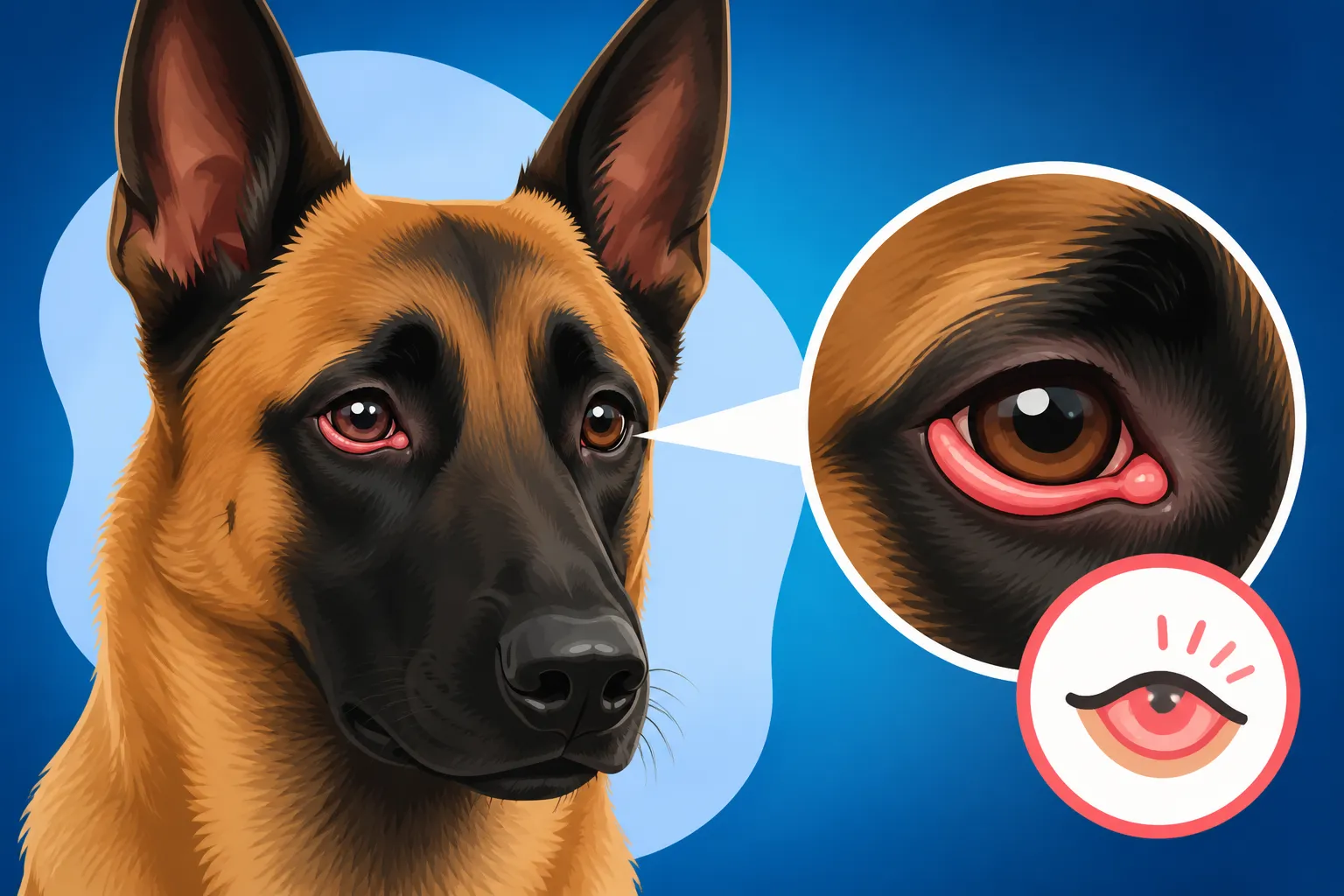
On the flip side, Ectropion is when the eyelid rolls outward, exposing the delicate conjunctiva (the pink lining of the eyelid) and sometimes even the eyeball itself to the elements. This often results in a "droopy" appearance, and while it might not cause the same abrasive irritation as entropion, it leaves the eye vulnerable. Dust, dirt, wind, and even common allergens can easily irritate the exposed tissue, leading to chronic dry eye, conjunctivitis, and recurrent infections. Both entropion and ectropion can be inherited, and it's something responsible breeders screen for, especially given the breed's active lifestyle, which puts their eyes in various environments.
Distichiasis and Ectopic Cilia
These conditions involve abnormal eyelash growth, and they can be incredibly sneaky because the eyelashes might be very fine and hard to spot without magnification. Distichiasis occurs when extra eyelashes grow from abnormal locations on the eyelid margin, often emerging from the oil glands within the eyelid itself. These rogue lashes can rub against the cornea, similar to entropion, causing irritation, excessive tearing, and potentially corneal damage over time. It's a common cause of persistent "weepy eyes" that owners might mistake for allergies.
Ectopic cilia are perhaps even more problematic. This is when a single, abnormally growing eyelash emerges from the inside of the eyelid, pointing directly at the cornea. Because it's often a solitary lash, it acts like a tiny, sharp needle constantly poking the eye with every blink. The pain can be acute, leading to severe squinting, significant tearing, and often a very red, inflamed eye. Diagnosing ectopic cilia usually requires a vet to evert the eyelid and look carefully, sometimes even with a special microscope. If your Malinois suddenly starts showing intense eye pain with no obvious injury, an ectopic cilium should definitely be on your vet's radar.
Eyelid Tumors and Growths
Just like humans, dogs can develop lumps and bumps on their eyelids, and while many are benign, some can be malignant or cause problems simply due to their size and location. Meibomian gland adenomas are one of the most common types of benign eyelid tumors in dogs. These growths arise from the oil-producing glands in the eyelids and, while usually slow-growing, can become quite large, rubbing against the cornea, irritating the eye, or even blocking vision if they get big enough.
Other growths might include papillomas (wart-like growths, often viral in origin), melanomas (pigmented tumors, which can be benign or malignant), or even cysts. The key with any eyelid growth is to have your veterinarian examine it promptly. Even a benign growth can cause chronic irritation, leading to inflammation, discharge, and secondary infections. Early detection allows for easier removal and minimizes the impact on your Malinois's eye health and comfort. If your Malinois has Lumps Worth Aspirating on a Belgian Malinois, an eyelid growth should also be on that list for evaluation.
Recognizing the Signs of Eyelid Discomfort
Your Belgian Malinois is a master of stoicism, especially when it comes to minor discomforts that might interrupt their "work" or playtime. However, when it comes to eye issues, there are often subtle cues that, once you know what to look for, can signal something isn't quite right. Ignoring these early warnings can lead to more serious complications down the road, so becoming a keen observer of your dog's ocular health is crucial.
Visual Cues of Irritation
The most obvious sign of eyelid problems is often a change in the eye itself. You might notice your Malinois squinting, or holding one eye partially or fully closed more often than usual. This is their way of trying to protect the irritated eye from light or further foreign objects. Increased tearing, where one eye seems to water constantly, is another common indicator. This isn't just a sign of sadness; it's the eye attempting to flush out an irritant or soothe itself. The tears might be clear, or if an infection is brewing, they could be thick and pus-like, often leading to crusting around the eye that your dog might try to rub off.
Beyond tearing and squinting, look for redness in the conjunctiva (the white part of the eye and the pink lining of the eyelids). Inflammation can make the area look angry and swollen. The eyelid margin itself might appear redder than usual, or you might even see a distinct bump or abnormality. If you notice a Grayish Film Creeping Across a Malinois Eye, that's a different, often more serious, issue related to the cornea, but eyelid problems can certainly exacerbate or contribute to corneal changes over time due to chronic irritation.
Behavioral Changes and Eye Rubbing
A dog in discomfort will often try to alleviate it, and for eye issues, this usually means rubbing. You might catch your Malinois rubbing their face on the carpet, furniture, or even against your leg. They might also use a paw to rub or scratch at the affected eye. While this provides temporary relief, it can also cause secondary trauma, like corneal scratches or even further inflammation. A dog that is constantly pawing at their eye is telling you, quite clearly, that something is wrong.
Another behavioral cue, especially with a Malinois, might be a subtle shift in their overall demeanor or focus. A dog constantly distracted by an itchy or painful eye might not perform as well in training, seem less engaged with play, or even be a bit grumpier than usual. If your usually resilient Malinois starts to show signs of sensitivity, it’s worth investigating their eyes closely. These subtle changes in a working dog are often the first, most telling indicators of underlying physical discomfort.
Discharge and Inflammation
Any discharge from your Malinois's eye beyond a small amount of clear tearing is a red flag. Clear, watery discharge can indicate simple irritation, allergies, or an early stage of entropion or distichiasis. However, if the discharge becomes thick, cloudy, yellow, or greenish, it almost always signals a bacterial infection, which needs prompt veterinary attention. This is often accompanied by a foul odor, especially if the discharge accumulates and dries.
Inflammation of the eyelids themselves (blepharitis) or the conjunctiva (conjunctivitis) is a clear sign that something is amiss. The eyelids might look puffy, swollen, and distinctly red. In severe cases, the swelling can be so pronounced that it partially closes the eye. This kind of inflammation can stem from allergies, foreign bodies, bacterial infections, or underlying eyelid structural problems. Persistent inflammation also makes the eye more susceptible to other issues, like Tear Production Failing in a Malinois, as the delicate balance of the tear film can be disrupted. Don't hesitate to contact your vet if you notice these inflammatory signs, as prompt treatment can prevent more serious damage.
| Eyelid Condition | Key Characteristic | Common Symptoms | Potential Severity |
|---|---|---|---|
| Entropion | Eyelid rolls inward | Squinting, excessive tearing, redness, corneal irritation | Can lead to corneal ulcers, vision impairment |
| Ectropion | Eyelid rolls outward | Exposed conjunctiva, chronic dryness, recurrent infections | Vulnerable to foreign bodies, chronic irritation |
| Distichiasis | Extra lashes from eyelid glands | Persistent tearing, mild irritation, conjunctivitis | Can cause chronic corneal damage |
| Ectopic Cilia | Lash from inner eyelid, pointing at cornea | Acute pain, severe squinting, heavy tearing, corneal ulcer | High risk of severe corneal damage |
| Eyelid Tumors | Lumps/growths on eyelid | Irritation, rubbing, discharge, vision obstruction (if large) | Can be benign or malignant, require biopsy |
Diagnosis and Treatment Options for Eyelid Problems
Discovering your Malinois has an eyelid problem can feel overwhelming, especially when you're trying to balance their high-drive nature with their comfort. The good news is that veterinary medicine offers many effective diagnostic tools and treatment options. The key is to get a precise diagnosis early, which often involves a thorough examination by your trusted vet.
Veterinary Examination and Diagnostics
When you bring your Malinois in for an eye issue, your vet will start with a comprehensive ocular exam. This isn't just a quick glance; it involves a systematic approach. They'll use a bright light and magnification to inspect the eyelids, eyelashes, and surrounding structures. They might evert the eyelids (gently roll them back) to look for hidden issues like ectopic cilia or growths on the underside. They'll also assess tear production, typically using a Schirmer tear test, which measures how much moisture the eye produces over a set time. This helps rule out conditions like dry eye, which can mimic or exacerbate eyelid problems.
Fluorescein staining is another common diagnostic tool. A special orange dye is applied to the eye, which adheres to any areas where the cornea has been damaged (like an ulcer or abrasion). Under a blue light, these damaged areas will glow bright green. This is crucial for assessing how much damage an inward-growing lash or tumor might be causing. Your vet might also perform tonometry to measure intraocular pressure, ruling out conditions like glaucoma. If a growth is present, they may recommend a fine needle aspirate (FNA) or a biopsy to determine if it's benign or malignant. Given that The Vet Bills a Bite Sport Belgian Malinois Runs Up can be substantial, discussing these diagnostic steps and their costs with your vet is important.
Medical Management Approaches
Not all eyelid problems require surgery right away. Many conditions can be managed, at least initially, with medical treatments. For mild cases of irritation, conjunctivitis, or minor distichiasis, your vet might prescribe antibiotic eye drops or ointments to clear up any secondary infections, and anti-inflammatory drops to reduce swelling and discomfort. Steroid eye drops, for example, are often used cautiously for inflammation, but only once a corneal ulcer has been ruled out, as steroids can worsen ulcers.
For dogs with chronic dry eye due to eyelid exposure (as with ectropion) or other causes, artificial tears and lubricating ointments become a part of daily care. These help keep the eye moist and protected. If the underlying cause is an allergy, antihistamines or other allergy medications might be considered. It's important to remember that medical management often addresses the symptoms rather than the root cause, especially for structural issues like entropion or persistent ectopic cilia. However, it can provide significant relief and buy time before more definitive treatment is pursued. When your vet prescribes Daily Eye Drops for a Malinois With Pannus, you'll quickly become an expert in administering eye meds, a skill that transfers to many other eye conditions.
Surgical Interventions
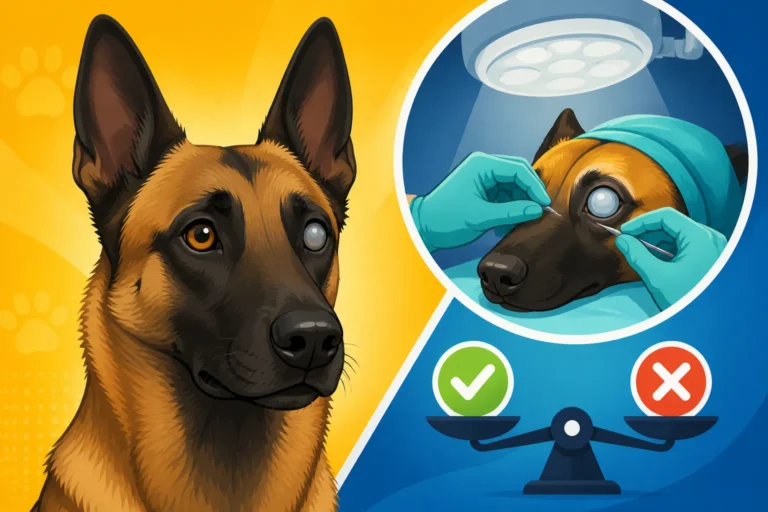
For many structural eyelid problems, surgery is the most effective, long-term solution. For entropion and ectropion, oculoplastic surgery is often performed. This involves carefully removing a small wedge of skin from the eyelid to either roll it outward (for entropion) or tuck it inward (for ectropion), repositioning the eyelid to its correct anatomical position. The goal is to prevent lashes from rubbing the eye or to protect the exposed conjunctiva. The technique is precise and aims to achieve both functional correction and a natural appearance.
For distichiasis, several surgical options exist. Cryoepilation involves freezing the hair follicles that produce the abnormal lashes, effectively killing them. Electroepilation uses an electrical current to achieve the same result. For ectopic cilia, a small incision is made on the inside of the eyelid to remove the problematic lash and its follicle. Eyelid tumors are also typically removed surgically, with a wide margin if there's concern about malignancy. The excised tissue is then sent to a lab for histopathology. While surgery sounds daunting, it often provides immediate and lasting relief for your Malinois, significantly improving their quality of life. Pet insurance providers like Healthy Paws can often help with the costs of these procedures, which can be substantial.
Prevention and Long-Term Management
The journey with a Belgian Malinois is one of active participation, and that extends to their health, especially when it comes to delicate areas like their eyes. Proactive care and a keen eye for changes can make all the difference in preventing minor irritations from escalating into major problems. For a breed known for its intensity, maintaining optimal health, including eye health, is paramount to their overall well-being and performance.
Regular Eye Checks and Hygiene
One of the simplest yet most effective preventative measures is to incorporate routine eye checks into your daily or weekly grooming regimen. Take a moment to gently lift your Malinois's upper and lower eyelids, inspecting the color of the conjunctiva (it should be light pink, not angry red), looking for any foreign objects, excessive discharge, or unusual lumps. Pay close attention to the eyelashes to see if any are growing inward or appear out of place. This regular observation helps you notice subtle changes before they become more pronounced issues.
Maintaining good eye hygiene is also important. If your Malinois has any discharge or crusting, gently wipe it away with a soft, clean cloth dampened with warm water or a vet-approved eye wash. Always wipe away from the eye, not towards it, and use a fresh part of the cloth for each eye to prevent cross-contamination. While many Malinois eyes don't require daily wiping, those prone to environmental irritation or with certain conformational quirks might benefit. Remember, a thorough professional eye exam should also be part of The Checkup Schedule a Sport Malinois Should Keep, not just when there’s an obvious problem.
Environmental Considerations
Given their high-energy, working nature, Belgian Malinois are often exposed to a variety of environments that can pose risks to their eyes. Dust, dirt, tall grass, pollen, and even strong winds can irritate the eyes, especially for dogs with ectropion or those prone to allergies. If your Malinois regularly works in brush or fields, they might be at higher risk for Corneal Scratches on a Malinois Working Brush. Consider using protective eyewear, like dog goggles, if your Malinois is frequently in environments where eye injury or irritation is a high risk. This might sound silly, but for a working dog, it's a legitimate piece of equipment!
Indoor environments also play a role. Dust, strong cleaning chemicals, or even smoke can act as irritants. Ensure proper ventilation and use pet-safe cleaning products. If your Malinois spends time in a kennel or crate, make sure it’s clean and free of bedding materials that could shed fibers into their eyes. Being mindful of your Malinois’s environment and taking steps to minimize eye irritants can go a long way in preventing future eyelid problems.
Nutritional Support and Overall Health
While nutrition can't prevent genetic eyelid conditions, a well-balanced diet and robust overall health can certainly support eye health and the body's ability to heal and fight off infections. Ensure your Malinois is on a high-quality dog food appropriate for their activity level, rich in essential fatty acids (like Omega-3s) which can help reduce inflammation throughout the body, including in the eyes. Supplements containing antioxidants, such as Vitamin C and E, beta-carotene, and lutein, are also sometimes recommended by vets for general eye health, though always consult your veterinarian before adding supplements to your dog's diet.
Regular exercise, mental stimulation, and maintaining a healthy weight contribute to a strong immune system, which is vital for preventing and recovering from infections associated with eyelid problems. Remember, conditions like Pannus and the Sunlight That Drives It in Malinois are distinct eye diseases, but a healthy, well-managed dog is better equipped to handle any health challenge, including those affecting the eyes. Investing in your Malinois's general health is an investment in their eyes, and a comprehensive pet insurance plan from a provider like Healthy Paws can help manage the financial aspects of unexpected health issues, ensuring you can always provide the best care without hesitation. Keeping up with annual vet visits for The Eye Diseases Behind a Malinois Eye Certificate is always a good idea.
Disclaimer
The information provided in this article is for educational purposes only and is not intended to be a substitute for professional veterinary advice, diagnosis, or treatment. Always seek the advice of your veterinarian or other qualified health provider with any questions you may have regarding a medical condition.