The Ten Thousand Dollar Price on a Military Malinois
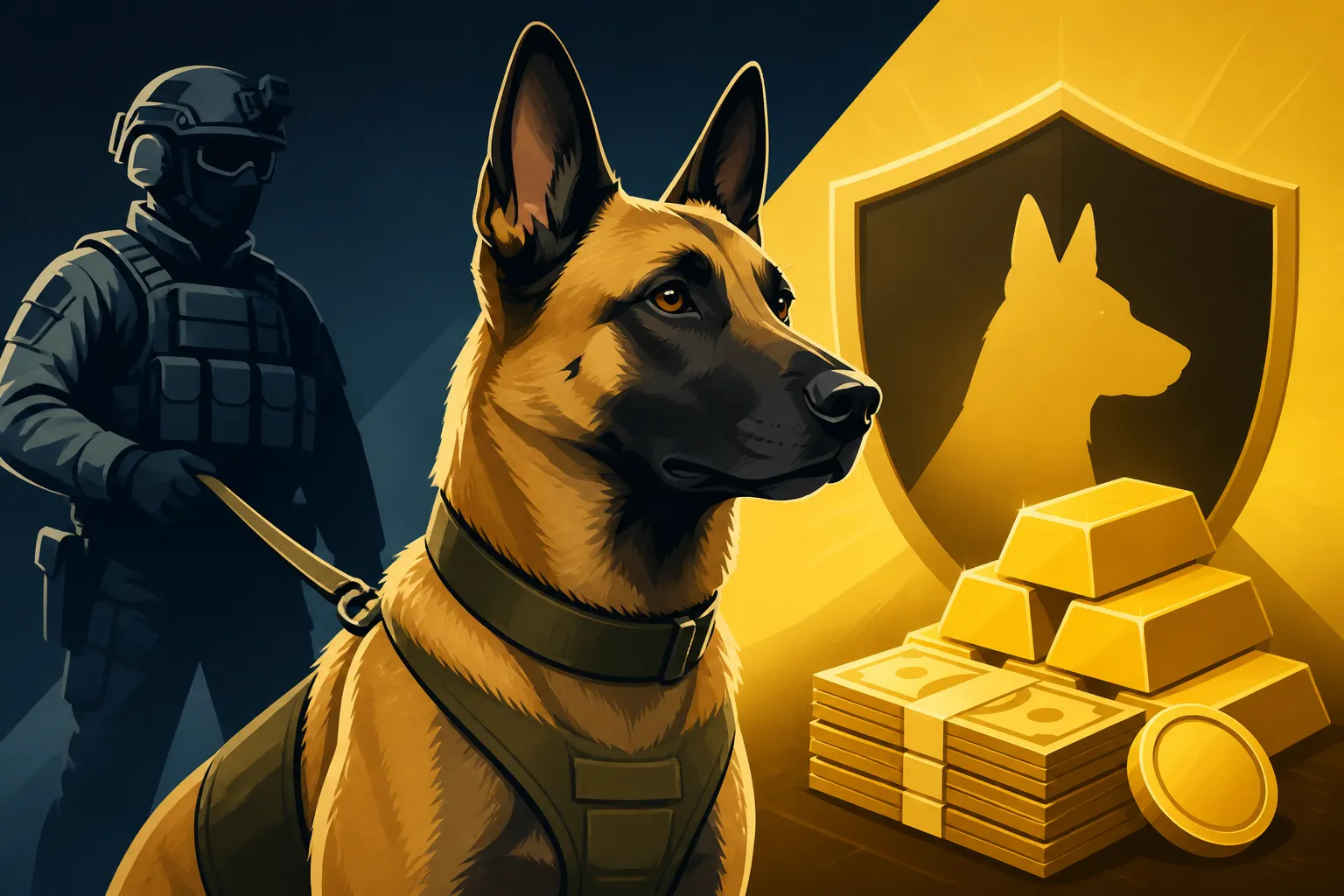
It’s a common moment of sticker shock when someone first learns the price tag attached to a military Belgian Malinois. The idea of a dog costing as much as, or even more than, a car can be truly baffling to those outside the working dog world. This guide is here to unravel that mystery, breaking down exactly why a military Malinois commands a price upwards of ten thousand dollars, and what goes into creating these highly specialized, life-saving companions.
The Foundation: Exceptional Breeding and Genetics
The journey to becoming a military working dog doesn't start with training; it begins long before, with very deliberate and careful breeding choices. These aren't just any Malinois puppies; they come from lines specifically cultivated for the demanding work they're destined to do.
Sourcing for Optimal Temperament and Drive
Military organizations and the specialized vendors who supply them aren't looking for a family pet. They're seeking very specific traits: extreme courage, unwavering nerve, high prey drive, boundless energy, and an intense desire to work and please. These traits are deeply embedded in certain European bloodlines, particularly those known for KNPV (Koninklijke Nederlandse Politiehond Vereniging) or various Ring Sports. Breeders focusing on these programs dedicate generations to refining these characteristics, often importing dogs from countries renowned for producing top-tier working K9s, such as the Netherlands, Belgium, and the Czech Republic.
The investment in these proven bloodlines is substantial. Pups from parents with extensive working titles and established reputations for producing robust, stable, and driven offspring will naturally command a premium. This isn't about fancy show titles; it's about a verifiable, consistent pedigree of dogs that perform under extreme pressure, showing tenacity and resilience that is vital for military applications.
Rigorous Health and Genetic Clearances
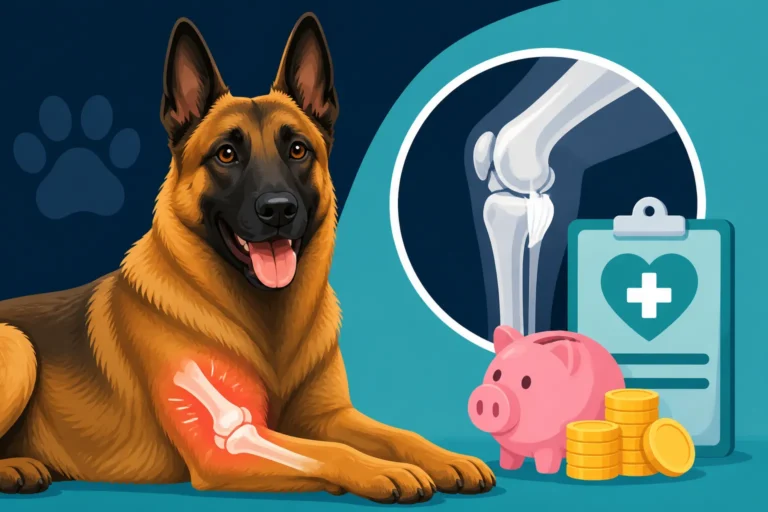
Beyond temperament, the physical soundness of a military Malinois is paramount. An injured dog is a liability and a loss of a significant investment. Therefore, military Malinois undergo an exhaustive battery of health screenings, often far more comprehensive than what a typical pet owner might consider. This starts with the parents, who must have impeccable hip and elbow scores, ensuring good joint health that can withstand years of intense physical activity. You can learn more about this in articles like The Hip and Elbow Numbers Behind a Malinois Clearance.
Additionally, genetic testing for hereditary diseases common in Belgian Malinois, such as Spongy Degeneration with Cerebellar Ataxia (SDCA1 and SDCA2), and various eye diseases, is standard. The goal is to minimize any genetic predispositions that could lead to early retirement or costly veterinary interventions down the line. A military Malinois needs to be a biological marvel, a canine athlete capable of sustained peak performance without breaking down. The cost of these extensive tests and the selective breeding process, where only the healthiest and most promising pups are chosen, is built into the final price.
The Extensive Training Investment
The raw talent from excellent genetics is just the starting point. The true value of a military Malinois is unlocked through a highly specialized and incredibly intensive training regimen. This isn't simply basic obedience; it's a multi-faceted program designed to forge a reliable, responsive, and resilient working partner.
Foundational and Advanced Obedience
Before a Malinois can track an adversary or detect explosives, it must possess absolute rock-solid obedience. This goes far beyond typical "sit" and "stay." A military Malinois is trained to respond instantly and flawlessly to commands both on and off-leash, amidst chaotic and distracting environments. Imagine a dog maintaining a "down-stay" while gunfire erupts nearby, or calmly heeling through a crowded market. This level of control requires countless hours of dedicated, professional training using advanced techniques.
The foundation also includes extensive environmental exposure and socialization to prepare them for any conceivable scenario. They are exposed to loud noises, different surfaces, confined spaces, heights, helicopters, vehicles, and a vast array of people and animals, all while maintaining their focus and obedience. This meticulous desensitization ensures the dog remains stable and unreactive in high-stress situations, preventing fear-based aggression or hesitation in critical moments.
Specialized Task Training
This is where the military Malinois truly earns its stripes, learning the specific skills vital for its mission. These tasks are incredibly complex and demand a huge investment of time, resources, and expert trainers.
- Detection Work: For dogs destined for explosive or narcotics detection, the training involves imprinting specific scents (e.g., TNT, C4, cocaine, heroin) and teaching the dog to alert reliably without false positives. This requires specific training aids, controlled environments, and highly skilled instructors. We've talked about this in depth, for instance, in Explosives Detection Training for a Belgian Malinois. The dog learns to indicate the presence of a target odor in various scenarios: vehicles, open areas, luggage, buildings, and on people.
- Patrol and Protection Work: These dogs are trained for personal protection, suspect apprehension, and handler defense. This involves developing a powerful, controlled bite, teaching them to engage and disengage on command, and to work effectively with their handler in high-threat scenarios. It's not about aggression but about channeled drive and precision, where the dog acts as a deterrent and a last line of defense.
- Tracking and Trailing: Many military Malinois are trained to follow human scent over diverse terrains, through different weather conditions, and across varying time lags. This is an incredibly nuanced skill that can be critical for locating missing persons, fleeing suspects, or even identifying enemy movement.
- Tactical and Operational Skills: Beyond these core tasks, dogs may be trained for specialized tactical maneuvers, such as working in tandem with special operations units, navigating obstacle courses, rappelling, or even fast-roping from helicopters. These advanced skills ensure the dog is a fully integrated member of a tactical team.
Each of these specialties requires a dedicated curriculum, purpose-built training facilities, and access to an array of specialized equipment, from inert explosive compounds to high-quality bite suits and extensive tracking fields. The commitment to this level of training is what truly elevates the military Malinois into a high-value asset.
The Cost of Expert Trainers and Operational Infrastructure
The human element and the supporting infrastructure are massive contributors to the overall cost of a military Malinois. You're not just buying a dog; you're investing in the ecosystem that created and supports it.
Highly Skilled Trainers and Decoys
The individuals responsible for training these dogs are not your average dog trainers. They are highly specialized professionals, often former military K9 handlers, law enforcement K9 trainers, or civilian experts with decades of experience in working dog sports and applications. Their expertise is invaluable and comes at a significant premium. They understand canine psychology, learning theory, and the specific demands of military operations.
Furthermore, these trainers work with specialized decoys—individuals who wear protective suits and simulate real-world threats or targets. Decoys are critical for developing bite work, confidence, and controlled aggression. This is dangerous work, requiring specific skills, equipment, and a deep understanding of dog behavior, adding another layer of cost. The cumulative salary and overhead associated with these highly skilled professionals form a substantial portion of the dog's price.
Specialized Facilities, Equipment, and Veterinary Support
Imagine building and maintaining a training facility that can simulate various operational environments. This includes mock-up buildings for search and clear exercises, varied terrain for tracking, obstacle courses, shooting ranges, and secure kenneling. These facilities are expensive to construct, equip, and maintain to the high standards required for military K9 training.
Then there's the specialized equipment: high-end detection kits with controlled substances, a range of bite suits and sleeves, tracking harnesses, E-collars, specialized leashes, and much more. These items are often military-grade, durable, and costly.
Finally, the health and well-being of these canine athletes are paramount. They receive top-tier veterinary care, including regular check-ups, specialized diets (perhaps from brands like Ollie or Chewy, though military typically has its own supply chain, these represent the quality of food required), preventative treatments, and rapid access to emergency services. This continuous, comprehensive veterinary oversight ensures the dogs remain in peak physical condition and addresses any issues immediately, preventing small problems from escalating. This high level of care is essentially a form of insurance on the investment, similar to how a pet owner might invest in a comprehensive plan from Healthy Paws for their civilian Malinois.
Procurement, Certification, and Logistics
Getting a fully trained military Malinois into service involves several critical steps that each add to the overall expense, from selecting the right dog to getting it to its final destination.
Rigorous Certification and Validation Processes
Before any dog can officially become a military K9, it must undergo stringent certification processes. These evaluations are designed to validate that the dog meets the exceptionally high standards set by the military branch or specific operational unit it will serve. These aren't just one-off tests; they are comprehensive assessments across all its learned skills: obedience, detection, patrol, and tactical readiness.
The certification process is exhaustive and typically involves multiple phases, often with independent evaluators. Failure to meet any standard means the dog cannot be deployed, representing a significant loss of investment. This rigorous validation ensures that only the most capable and reliable dogs make it into active service, and the cost of these assessments, including personnel, facilities, and time, is factored into the dog's price. It's a stamp of approval that signifies extreme reliability under pressure.
International Sourcing and Importation Costs
A significant number of military-grade Belgian Malinois are sourced from specialized breeders and vendors in Europe. Countries like the Netherlands, Belgium, and the Czech Republic have long-standing traditions of breeding and training exceptional working dogs, often through programs like KNPV. The process of acquiring these dogs involves international travel for selection teams, purchase fees from these elite breeders, and complex logistical arrangements for transport.
The importation process itself adds considerable cost. This includes international air freight, specialized kennels, veterinary clearances for international travel, customs fees, and sometimes even quarantine periods, depending on the destination country's regulations. As discussed in The Import Paperwork Costs on a European Malinois, these can quickly add up. Bringing a high-value, highly trained dog across continents is a logistical challenge with a corresponding price tag.
| Cost Category | Description | Estimated Contribution to $10,000+ Price |
|---|---|---|
| Breeding & Selection | Pedigree, genetic health clearances, temperament selection, puppy raising | $2,000 – $4,000 |
| Foundation Training | Basic/advanced obedience, environmental conditioning, early socialization | $3,000 – $5,000 |
| Specialized Training | Detection (narcotics/explosives), patrol/protection, tracking, tactical skills | $5,000 – $10,000+ |
| Trainer Expertise | Salaries/fees of highly skilled K9 trainers and decoys | Included in training costs |
| Facilities/Equipment | Use of specialized training venues, aids, and gear | Included in training costs |
| Vet Care/Nutrition | High-level health screening, ongoing care, premium diet | Included in breeding/training costs |
| Certification | Rigorous testing and validation to military standards | $1,000 – $2,000 |
| Procurement/Logistics | International sourcing, transport, import fees, handling | $1,500 – $3,000 |
| Handler Training | Training the human handler to work with the specific dog | Often bundled, $1,000 – $3,000 |
| Warranty/Support | Guarantees on health and performance, ongoing consultation | ~$500 – $1,000 |
Note: These figures are estimates and can vary widely based on the specific vendor, military branch, and dog's specialization.
Ongoing Support and Long-Term Value
The purchase price isn't just for a dog in a moment; it often includes the assurance of its continued performance and the support system behind it. This adds significant long-term value and is a crucial part of the investment.
Continued Training and Maintenance
Unlike a pet, a military Malinois's training is never truly "finished." Their skills must be continuously refreshed, honed, and maintained to the highest possible standards. This involves regular ongoing training sessions with their handler, often supported by specialized K9 units or external contractors. These maintenance training programs ensure the dog remains proficient in all its tasks, adapts to new threats or scenarios, and maintains its physical and mental sharpness. This continuous investment in training is critical for keeping the dog operational and extends its working life. For more on the comprehensive costs associated, consider What a Year With a Working Belgian Malinois Costs.
The "Total Package" and Performance Guarantees
When a military unit procures a Malinois for $10,000 or more, they're not just buying an animal. They're acquiring a "total package." This often includes:
- A fully trained, certified dog: Ready for immediate deployment in its specialized role.
- Handler training: Intensive courses to teach the military personnel how to effectively work with, understand, and care for their specific K9 partner. This crucial bonding and skill transfer process ensures a cohesive, effective team.
- Performance warranties: Many reputable vendors offer guarantees on the dog's health and ability to perform its specified duties for a certain period. This provides critical assurance to the military unit, mitigating the risk of a significant investment failing prematurely.
- Ongoing support and consultation: Access to the vendor's expert trainers for troubleshooting, advice, and continued development throughout the dog's career.
This comprehensive approach justifies the high initial outlay, providing peace of mind and maximizing the dog's operational lifespan. Compare this to purchasing a "green" (untrained) Belgian Malinois or even a highly driven puppy. While the initial cost might be lower, the subsequent training investment to reach military standards would be astronomical. The military is paying for a proven, ready-to-work asset. In some cases, the cost for a fully trained protection dog can reach figures like The Twenty Five Thousand Dollar Trained Belgian Malinois.
What Justifies the High Price Tag
At the end of the day, understanding why a military Malinois costs ten thousand dollars or more comes down to appreciating its unique role and the immense value it brings to national security and life-saving missions.
The Price of Performance, Reliability, and Safety
A military Malinois isn't a pet; it's a critical piece of equipment, a living, breathing detection device, and a highly effective deterrent. Its ability to find hidden explosives, track adversaries, or protect its handler in a firefight directly impacts the safety of military personnel and the success of dangerous operations. False alerts, unreliable performance, or a dog that falters under pressure could have catastrophic consequences, potentially costing human lives.
Therefore, the investment is not just in the dog itself, but in the certainty of its performance. The military pays for a meticulously selected, rigorously trained, and thoroughly certified animal that can be relied upon implicitly in the most extreme and unforgiving environments. This level of assured reliability in a high-stakes scenario is, quite frankly, priceless.
Comparing to Other Working Dogs and Civilian Pets
While ten thousand dollars seems steep, it's essential to put it in context. Civilian police K9s, which undergo similar but often less extensive training, also command significant prices, as explored in What a Certified Police Belgian Malinois Sells For. Military dogs often face even more varied and intense environments, requiring an even higher level of adaptability and nerve.
When you look at the price of a pet Belgian Malinois puppy, which might range from $1,000 to $3,500, as discussed in What a Belgian Malinois Puppy Costs by Bloodline, the gap seems enormous. But the pet puppy price reflects breeding and initial care; it doesn't include the years of specialized training, the expert trainers' fees, the certifications, or the logistics of delivery that comprise the military dog's value. The difference is akin to buying a raw piece of metal versus a custom-engineered, mission-specific tool built from that metal.
The Ultimate Return on Investment
Ultimately, the ten thousand dollar (or more) price tag on a military Malinois represents an investment in capability, security, and ultimately, human lives. These dogs save lives by detecting threats, locating individuals, and protecting their handlers. They serve as force multipliers, accomplishing tasks that technology cannot replicate with the same efficiency or reliability.
When considering a dog's eventual retirement, understanding how it impacts the service member and the ongoing care it may need is also part of its lifecycle value. Many military working dogs are adopted by their handlers upon retirement, continuing a bond forged in extreme circumstances. Considerations such as Retiring a Working Belgian Malinois From the Job highlight the enduring commitment to these animals. The expense is a testament to the indispensable role these incredible animals play in protecting our service members and supporting critical military operations around the globe. It's an investment that pays dividends in safety, success, and the powerful bond between handler and dog.
Disclaimer
Please remember that the information provided here is for general guidance and informational purposes only. The cost and processes related to military working dogs can vary significantly based on specific military branches, government contracts, vendor relationships, and evolving operational needs. Always consult official sources for the most accurate and up-to-date information.