What a Malinois Board and Train Program Costs
Bringing home a Belgian Malinois is often an exercise in exhilaration mixed with a healthy dose of "what have I gotten myself into?" Many owners, even experienced ones, eventually face behaviors or training plateaus that feel overwhelming. This is where a board and train program often comes into the conversation, offering a path to professional intervention. If you're wondering what a Malinois board and train program costs and what goes into that price tag, you've come to the right place. This guide will meticulously break down the various factors influencing these intensive programs, helping you understand the investment you’re considering for your high-drive companion.
Understanding the "Why" Behind Board and Train Costs for a Malinois
It’s easy to look at the price of a board and train program and get sticker shock. Believe me, I’ve been there. But for a Belgian Malinois, these programs aren’t just a fancy convenience; they often represent a necessary, highly specialized investment. The unique characteristics of this breed mean that generic training approaches rarely cut it, and the level of professional expertise required to truly shape a Malinois’s behavior and skills is significant.
The Malinois Temperament and Training Intensity
Let's be real: a Belgian Malinois isn't your average dog. They are built for work, possessing an incredible intensity, intelligence, and drive that can be both their greatest asset and their biggest challenge. This isn't a breed that’s content with a few walks around the block and basic sit-stays. They thrive on complex tasks, consistent structure, and a handler who understands how to channel their boundless energy and sharp minds. When a Malinois isn't properly challenged or understood, behavioral issues—ranging from excessive barking and destructive chewing to leash reactivity and even aggression—can quickly manifest.
A board and train program for a Malinois isn't just about teaching commands; it's about fundamentally understanding and redirecting this powerful temperament. Trainers working with Malinois need to be skilled in reading subtle cues, anticipating behavior, and developing tailored strategies that resonate with a dog that constantly seeks purpose. The methods must be clear, consistent, and highly motivating, often leveraging their innate prey drive and desire to please their handler. This isn't a "one size fits all" approach; it's precision training for a precision animal. You might even discover that what you thought was just a "rambunctious puppy" was actually a very smart dog acting out because it didn't have a job, as discussed in The Shark Phase Every Malinois Puppy Goes Through.
Expertise Required for High-Drive Breeds
Not all dog trainers are equipped to handle a Belgian Malinois, plain and simple. Working with high-drive breeds like Malinois requires a specific set of skills, an in-depth understanding of canine learning theory, and often, significant experience in advanced obedience or protection sports. A trainer needs to be incredibly knowledgeable about breed-specific traits, potential health concerns that can impact behavior, and the psychology of a working dog. They also need to be adept at handling dogs that may test boundaries, possess strong protective instincts, or display intense focus on targets.
The best trainers for Malinois board and train programs are often those who actively compete in sports like IGP, French Ring, or Mondioring, or who have extensive experience working with police or military K9s. These individuals have honed their craft not just in a classroom, but on the field, facing real-world challenges with these incredibly demanding dogs. They understand the nuances of building an "off switch" into a Belgian Malinois and how to reliably achieve recall on a Belgian Malinois in full drive. This level of specialization commands a higher fee, and rightly so, as it reflects years of dedication, continuous education, and practical, hands-on experience that few general trainers possess. You’re not just paying for time; you’re paying for a depth of knowledge that can transform your dog.
Duration and Scope of Board and Train Programs
The length and intensity of a board and train program directly impact its cost. These aren’t quick fixes; genuine behavior modification and advanced skill acquisition take time, especially for a Malinois. Most programs range from a few weeks to several months, depending on the dog's starting point, the specific goals, and the complexity of the issues being addressed. A shorter program might focus on basic obedience and manners, while a longer, more intensive stay would be dedicated to tackling deeply ingrained behavioral problems or preparing a dog for specialized work.
For a Malinois, even basic obedience needs to be incredibly solid and reliable, often requiring more repetition and higher levels of proofing than with other breeds. If you're looking to address reactivity, aggression, or prepare for advanced competition, the commitment in terms of time and resources will naturally increase. The program's scope also dictates the type of environment provided – some may include extensive field trips for real-world socialization, while others might focus more on structured kennel work and focused sessions. This dedication to immersion and consistent training over an extended period is a key component of the overall investment.
Deconstructing the Cost Factors in a Malinois Board and Train Program
Once you understand why board and train programs for Malinois carry a certain price, it's time to look at the practical elements that make up that cost. This isn't just a flat fee; it's a culmination of various services, resources, and overheads that a reputable training facility must manage. Being aware of these factors empowers you to ask informed questions and make a more confident decision.
Facility Type and Trainer Qualifications
The caliber of the training facility and the qualifications of its staff are enormous cost drivers. A state-of-the-art facility with climate-controlled kennels, secure outdoor runs, dedicated training fields, and specialized equipment like a springpole or jump walls will naturally command a higher price than a more modest setup. These facilities invest heavily in infrastructure to ensure the safety, comfort, and optimal training environment for the dogs in their care. The quality of the accommodations—whether it’s a simple kennel, a spacious suite, or an in-home environment with the trainer—will also influence the price point.
More importantly, the trainers themselves are the primary asset. As we touched on, a highly experienced and certified trainer with a proven track record, especially with working breeds, is invaluable. Many of the best Malinois trainers hold certifications from recognized organizations, have extensive competition titles with their own dogs, or come from backgrounds in law enforcement or military K9 programs. They also often engage in continuing education to stay abreast of the latest training methodologies and animal behavior science. This level of expertise and professional development comes at a premium, and it’s what you're truly investing in: the assurance that your Malinois is in highly capable, educated hands. When you consider the value a truly trained Belgian Malinois provides, the trainer's qualifications are paramount.
Program Inclusions: Food, Vet Care, and Equipment
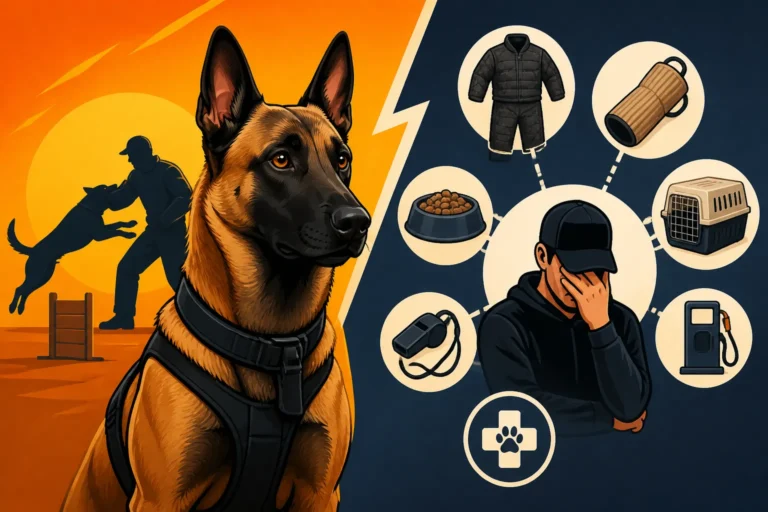
A comprehensive board and train program usually includes more than just the training sessions themselves. You'll need to clarify what's covered in the quoted price. For instance, is your dog's food included, or are you expected to supply your own? Many reputable facilities feed high-quality performance kibble, which is a significant cost. Some might even offer fresh food options, potentially collaborating with brands like Ollie for dogs with specific dietary needs or owners who prefer that route.
Veterinary care is another important consideration. While routine care or pre-existing conditions typically remain the owner's responsibility, some programs might include basic first aid, emergency transport, or even routine wellness checks within their bundled price. It's crucial to understand the protocol for unforeseen medical issues and who covers the associated costs. You should also confirm if necessary training equipment, such as a proper leash, collar, or e-collar, is provided by the facility or if you need to purchase it separately. Many programs, for instance, might require a specific type of remote collar for advanced off-leash work, which can be an additional investment. This makes understanding What a Quality E-Collar Costs for a Belgian Malinois essential.
Geographic Location and Market Rates
Just like real estate, the cost of dog training, especially specialized board and train programs, can vary significantly depending on geographic location. Facilities located in areas with a higher cost of living, such as major metropolitan areas or affluent regions, will naturally have higher operating expenses – rent, utilities, staff wages – which are reflected in their pricing. Conversely, programs in more rural or less expensive areas might offer slightly lower rates for comparable services.
Competition within a specific market also plays a role. In areas with many high-quality working dog trainers, pricing might be more competitive. However, for specialized breeds like the Malinois, the pool of truly qualified trainers is smaller, which can lead to higher prices in regions where demand outstrips supply for such expertise. It's wise to research facilities in your general region and perhaps even be open to traveling a bit further if it means finding the right trainer and program for your specific Malinois's needs and your budget.
Typical Program Structures and Their Associated Costs
Board and train programs aren't a monolith; they come in various flavors, each tailored to different goals and requiring different levels of investment. Understanding these structures can help you pinpoint the best fit for your Malinois and your wallet.
Basic Obedience and Foundation Programs
These programs are usually the entry-level offering and focus on establishing a solid foundation of manners and obedience. For a Belgian Malinois, "basic" often means reliable responses to commands like "sit," "stay," "down," "come," and polite leash walking, even with distractions. They'll also typically address common puppy behaviors like house training, crate training, and curbing excessive nipping or jumping, which can be particularly intense during The Shark Phase Every Malinois Puppy Goes Through. The aim is to create a well-mannered household companion who understands structure and boundaries.
These foundational programs usually run for 2-4 weeks, though for a particularly challenging Malinois puppy, it might extend a bit longer to ensure the behaviors are truly solid. The cost for these programs will generally be on the lower end of the board and train spectrum, as the skill set required from the trainer, while significant, isn't as specialized as advanced behavior modification or sport preparation. They are an excellent starting point for new Malinois owners who feel overwhelmed by the breed's intensity or for adolescent dogs needing a clear reset. Expect these programs to lay the groundwork for a lifetime of good behavior, helping you prevent larger issues down the road.
Advanced Behavior Modification for Specific Issues
When a Malinois presents with specific, ingrained behavioral issues, the complexity and duration of a board and train program tend to increase significantly, and so does the cost. This category includes addressing problems like severe leash reactivity, dog-on-dog aggression, resource guarding, separation anxiety, or chronic fearfulness. These issues aren't typically solved with simple obedience commands; they require a deep understanding of canine psychology, careful behavior counter-conditioning, and often, environmental management strategies.
Trainers specializing in behavior modification for Malinois need immense patience, a strong understanding of learning theory, and the ability to safely manage potentially dangerous situations. The programs are often longer, perhaps 4-8 weeks or even more, to allow ample time for the dog to unlearn old habits and consistently adopt new, desired behaviors. The process is often highly individualized, with constant assessment and adjustment of training protocols. This intensive, tailored approach, combined with the higher risk and expertise involved, makes these programs a more substantial investment, but often a life-changing one for both dog and owner. For owners looking to understand the full scope of potential veterinary costs associated with a working breed, reviewing The Vet Bills a Bite Sport Belgian Malinois Runs Up might be helpful, as injuries or stress-related health issues can sometimes coincide with behavioral problems.
Specialized Working Dog Preparation
For those Malinois destined for specific working roles, such as protection sport (IGP, Ring Sport), scent detection, search and rescue, or even service work, specialized board and train programs are available. These programs go far beyond basic obedience, focusing on highly specific skills, drives, and temperament development crucial for these demanding professions. A Malinois being trained for bite work, for instance, will undergo rigorous conditioning to develop grip, confidence, and control, often working with experienced decoys and specific equipment. You can learn more about this in What Bite Sport Actually Asks of a Belgian Malinois.
These programs are typically the most expensive and longest-running, sometimes spanning several months or even involving multiple "boot camp" phases throughout the dog's development. They require trainers with elite-level expertise in a very niche field, often possessing their own titled working dogs and deep connections within the working dog community. The investment reflects not just the training itself, but also the specialized facilities, equipment, and access to skilled personnel (like decoys) necessary for such advanced work. For owners pursuing a The Twenty Five Thousand Dollar Trained Belgian Malinois, this kind of specialized program is a foundational step.
Here's a generalized table to illustrate how these different program types might compare in terms of duration and associated costs, keeping in mind that specific figures will vary greatly:
| Program Type | Typical Duration | General Complexity | Trainer Expertise Level | Estimated Investment Shape (Lowest to Highest) |
|---|---|---|---|---|
| Basic Obedience & Manners | 2-4 Weeks | Moderate | Experienced | ⭐⭐⭐ |
| Behavior Modification (e.g., Reactivity) | 4-8+ Weeks | High | Specialized | ⭐⭐⭐⭐ |
| Specialized Working Dog Preparation | 8-16+ Weeks (often phases) | Very High & Specific | Elite/Master | ⭐⭐⭐⭐⭐ |
What to Look For and Questions to Ask Before Committing
Deciding on a board and train program is a huge step, and it’s critical to do your homework. You’re entrusting your beloved Malinois to someone else, and you need to feel confident in their approach and capabilities. Don't be afraid to ask tough questions – a reputable trainer will welcome them.
Evaluating the Trainer's Philosophy and Experience
When you're interviewing potential trainers, it's not just about their resume; it's about their entire approach. Ask about their training philosophy: Are they positive reinforcement-based, balanced, or do they primarily use aversive methods? While many working dog trainers use balanced methods, understanding how they apply corrections and why is crucial, especially for a sensitive yet powerful breed like the Malinois. Ask to see videos of their training sessions, or even better, if you can observe a session in person. Look for clear, consistent communication with the dogs, and dogs that appear engaged and responsive, not fearful or shut down.
Inquire specifically about their experience with Belgian Malinois or similar high-drive breeds like Dutch Shepherds. How many Malinois have they successfully trained? What kinds of issues have they addressed? Ask for references from past clients who own Malinois – hearing directly from someone who has been through the process can be incredibly insightful. A great question is to ask how they approach building an off switch into a Belgian Malinois, as this is a common challenge for the breed. Don't hesitate to ask about their own dogs and their competition history; this often speaks volumes about their practical expertise.
Understanding Follow-Up Support and Owner Involvement
A board and train program isn't a magic bullet; the real work begins when your Malinois comes home. Therefore, the quality and extent of follow-up support are paramount. A good program will include transfer sessions, where the trainer teaches you how to maintain and reinforce the new behaviors. This is absolutely critical because if you don't learn how to "speak the same language" as your newly trained Malinois, the investment can quickly unravel. Ask how many follow-up sessions are included, how long they last, and if they offer ongoing support via phone, email, or even refresher courses.
Owner involvement shouldn't start and end with drop-off and pick-up. During your dog's stay, inquire about opportunities for updates, progress reports, and even potential visits (if appropriate for the training protocol). Some programs might even require you to come in for periodic training sessions with your dog and the trainer throughout the program. This active engagement ensures that you're an informed partner in your Malinois's journey and that the transition back home is as smooth as possible. Remember, you'll still be responsible for Keeping an Old Belgian Malinois Mentally Busy long after the program ends, so learning how to continue that engagement is key.
Red Flags and Things to Avoid
While seeking out the best, it's equally important to know what to steer clear of. One major red flag is any trainer who promises a "cured" dog in an impossibly short amount of time, especially for complex behavioral issues. Real, lasting behavior change takes time and consistency, especially with a Malinois. Be wary of trainers who are secretive about their methods, refuse to let you visit their facility, or can't provide clear answers about their training philosophy or experience.
Another concern is a trainer who discounts the importance of owner involvement or provides minimal follow-up. Without your active participation in maintaining the training, your Malinois is likely to revert to old habits. Finally, trust your gut. If something feels off, if the facility seems unsanitary or unsafe, or if the trainer appears impatient or dismissive, walk away. The bond you have with your Malinois is too important to risk with an unprofessional or unethical trainer.
Beyond the Initial Price Tag: Hidden and Ongoing Costs
The sticker price for a board and train program is just one piece of the financial puzzle. To get a truly realistic picture of your investment, you need to consider potential additional costs, both during and after the program. Thinking ahead about these expenses will prevent surprises and ensure you’re fully prepared for the commitment.
Potential Veterinary Needs During Boarding
Even the best facilities can't prevent every sniffle or scraped paw. While most Malinois are robust, an intensive training environment or a change in routine can sometimes lead to minor health issues. Your dog might develop a kennel cough, experience digestive upset from stress or a change in food (even if it's the same brand, a new environment can trigger it), or have a minor injury during play or training. This is where clarity on veterinary protocols and costs becomes vital. Will the facility inform you immediately? Do they have a preferred vet? Who covers the consultation fee, medications, or any necessary procedures?
It's a good idea to ensure your Malinois is up-to-date on all vaccinations and has a clean bill of health before starting a board and train program. Consider looking into pet insurance providers like Healthy Paws that might offer coverage for unexpected illnesses or accidents during a boarding stay, although you’ll need to check their specific terms regarding training facility incidents. Having a financial buffer or insurance plan for potential vet bills is a smart move, because the last thing you want is a hefty, unexpected expense on top of your training investment. Knowing How Much a Malinois Owner Should Bank Each Month can provide further context here.
Post-Program Reinforcement and Continued Training
As mentioned, a board and train program provides a foundation, but it's not the end of the road. Maintaining and building upon that training requires ongoing effort from you, the owner. This often translates into continued expenses. You might opt for group classes or private sessions to further your skills as a handler, especially if your goal is advanced obedience or sport. Many Malinois owners also find immense value in joining a local dog sport club, which comes with its own Club Dues, Decoys and Equipment for a Malinois. These clubs offer not just continued training opportunities but also a supportive community of like-minded individuals.
Beyond formal classes, you’ll need to invest in quality training tools, enrichment toys, and possibly even specific equipment like a tracking line or a flirt pole to keep your Malinois engaged and mentally stimulated at home. The financial commitment to continued education and equipment is an integral part of ensuring the initial board and train investment truly sticks and grows over time. A Malinois isn’t a set-it-and-forget-it kind of dog; their drive demands ongoing purpose, and that purpose often has associated costs.
High-Quality Nutrition and Supplements
A working Malinois burns a lot of calories and puts significant stress on its body, especially during intensive training. Providing high-quality nutrition is paramount for their health, recovery, and sustained performance. This often means investing in premium performance dog food, which tends to be more expensive than standard kibble. Brands like Chewy offer a wide range of high-quality foods and supplements that can be easily delivered, making it convenient to maintain your dog's diet. Some owners might also choose to feed a raw or fresh food diet, which can be considerably more costly but may offer specific health benefits for active dogs. Learning about What Feeding a Working Malinois Costs Each Month will help you budget for this long-term commitment.
Beyond food, many Malinois owners choose to supplement their dogs' diets with joint support, omega fatty acids for skin and coat health, or probiotics for gut health, especially during periods of stress or intense work. These supplements represent an additional monthly expense. Proper nutrition is not just about fuel; it's about supporting joint health, maintaining energy levels, and aiding recovery, all of which are critical for a dog that works as hard as a Belgian Malinois. This ongoing cost is a non-negotiable part of responsible Malinois ownership, especially after an intensive training program.
Making the Investment Worthwhile: Maximizing Your Malinois's Board and Train Experience
Okay, so you've weighed the costs, done your research, and committed to a board and train program for your Belgian Malinois. Now, how do you ensure you get the absolute most out of this significant investment? It's not just about what the trainer does; it's also about your preparation and ongoing dedication.
Preparing Your Malinois for Success
Before your Malinois even sets paw in the training facility, there are things you can do to set them up for success. First, ensure they are in good health. A vet check-up is always a good idea to rule out any underlying issues that could impact their ability to train or adapt to a new environment. Second, clearly communicate your goals and concerns to the trainer. Be honest and thorough about your dog's history, specific behaviors you want addressed, and what you hope to achieve. The more information the trainer has, the better they can tailor the program.
Third, ensure your dog is comfortable with basic handling. While the trainer will work on this, a dog that is used to being touched, examined, and handled calmly by various people will have an easier transition. If your Malinois has any anxieties, briefly discuss them with the trainer beforehand to see if there are any pre-boarding strategies you can implement. Even something as simple as getting your dog accustomed to wearing a training collar (if one will be used) can make the initial days smoother. Setting a clear foundation, even a small one, can significantly impact how quickly your Malinois adapts and progresses in the program.
Committing to the Long-Term Journey
This is perhaps the most crucial aspect of maximizing your investment: your unwavering commitment to the long-term journey. A board and train program is a powerful tool, but it's not a finish line; it's a new starting line. When your Malinois returns home, it's your responsibility to consistently apply and reinforce the training. This means adhering to the schedule, structure, and methods the trainer taught you during the transfer sessions. If you waver, your dog will quickly pick up on inconsistencies, and old behaviors may resurface.
Think of it as learning a new language. The trainer teaches your dog fluent "obedience," and then teaches you enough to "converse" with your dog. If you stop practicing that language, you'll both lose fluency. This commitment extends beyond daily practice; it means continuing to provide appropriate mental and physical exercise that a Malinois demands, as highlighted in Two Hours and a Job a Belgian Malinois Demands Daily. It means being mindful of triggers for any past behavioral issues and actively managing them. Your Malinois has been given a solid education; now it's up to you to be the lifelong teacher and guide.
Considering Alternatives and Supplements to Board and Train
While board and train programs offer incredible benefits, they are not the only solution, nor are they always the right first step for every owner or every Malinois. Sometimes, the initial sticker shock can lead owners to explore alternatives. For minor issues or if you have ample time and confidence, private lessons or group classes with a qualified trainer might be a more budget-friendly starting point. These options require more direct owner involvement from day one but can be very effective.
For owners facing significant behavioral challenges but who are hesitant about board and train, a specialized behavior consultant who works with you and your Malinois in your home environment could be a good compromise. These consultants can help you identify triggers, develop management strategies, and teach you the necessary handling skills without sending your dog away. Additionally, for working line Malinois, simply providing enough appropriate mental and physical stimulation through activities like nose work, advanced obedience, or even finding a suitable local club for protection sports can prevent many behavioral issues from escalating. You can also look into What It Costs to Enter a Malinois in a Trial if you are considering a future in dog sports. Sometimes, a "problem" Malinois is simply an "unemployed" Malinois. Exploring these avenues can either supplement a board and train program or, in some cases, offer a viable path to success on its own.
Disclaimer
This article is for general informational purposes only and does not constitute professional advice. Laws, prices and regulations vary by location and change over time. Consult a qualified professional for guidance on your specific situation.