Whether a Malinois Puppy Arrives With Ataxia Results
Bringing home a Belgian Malinois puppy is incredibly exciting, but it can also be a minefield of questions and anxieties, especially when it comes to inherited health conditions. Many new owners wonder if their furry rocket will arrive with all the necessary health clearances, and specifically, if breeders typically provide ataxia results for a Malinois puppy right from the start. This guide will walk you through what to expect regarding ataxia testing, why it matters, and how to ensure you're bringing home the healthiest pup possible.
Understanding Ataxia in Belgian Malinois Puppies
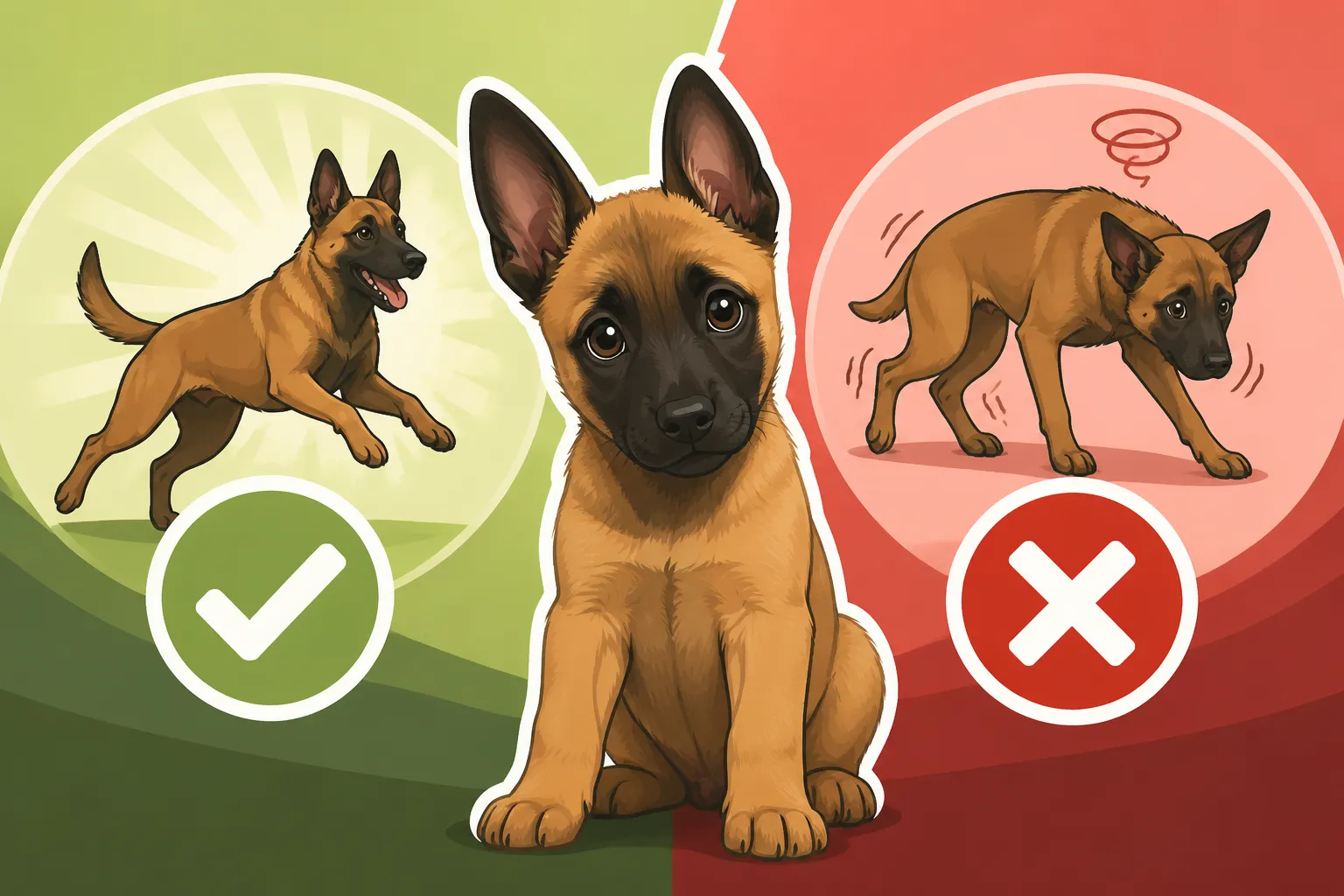
Before we dive into paperwork, let's talk about what ataxia is and why it's a significant concern for the Belgian Malinois breed. Ataxia essentially means incoordination, a neurological condition that affects a dog's ability to control its movements. For a breed as active and agile as the Malinois, this can be devastating. When you're dreaming of a future working partner or a dynamic companion, the thought of a puppy developing a debilitating neurological issue is truly heartbreaking, and understandably, something you want to avoid at all costs.
The Genetic Basis of Ataxia
The ataxia we commonly discuss in Belgian Malinois is a genetic condition, meaning it's passed down through generations. Specifically, there are two recognized forms, SDCA1 and SDCA2 (Spongy Degeneration with Cerebellar Ataxia types 1 and 2), which are inherited in an autosomal recessive manner. This means a puppy must inherit two copies of the faulty gene—one from each parent—to be affected and show symptoms. If a puppy inherits one copy, it's considered a "carrier" and won't typically display symptoms, but can pass the gene on to its own offspring. This is why understanding the genetic status of both parents is paramount when considering a Malinois puppy. Reputable breeders are keenly aware of The Two Ataxia Genes Belgian Malinois Are Tested For and strive to make informed breeding decisions to reduce the risk.
When Ataxia Symptoms Appear
One of the frustrating aspects of ataxia for prospective owners is that symptoms often don't show up immediately. While some forms of ataxia can manifest in very young puppies, the neurological signs of SDCA1 and SDCA2 in Malinois typically begin to appear when a puppy is between six weeks and four months of age, sometimes even later. This means a seemingly healthy eight-week-old puppy might go home with you only to start showing signs of unsteadiness, a wobbly gait, or difficulty with coordination a few weeks or months down the line. It's a cruel twist of fate for families who have already bonded with their new companion. Recognizing The First Signs of Ataxia in a Malinois Puppy is critical for early diagnosis and management, even if there's no cure.
The Reality of Ataxia Testing and Puppy Sales
So, you've done your research, you understand the genetics, and you're ready to find your Malinois puppy. Does your puppy typically arrive with ataxia results in hand? The answer, like many things in the world of dog breeding, isn't always a straightforward "yes." It largely depends on the breeder's practices, their commitment to health testing, and the specific laws or customs in their region.
Breeder Responsibility and Transparency
A responsible and ethical breeder will prioritize the health of their puppies above all else. This means they should be thoroughly health testing their breeding stock for a range of genetic conditions relevant to the Belgian Malinois, including ataxia. Given the recessive nature of SDCA1 and SDCA2, both parent dogs should be DNA tested to determine if they are clear, carriers, or affected. A truly transparent breeder will not only perform these tests but will also readily share the results with prospective puppy buyers. They understand that you, as a future owner, have a right to know the genetic health background of your puppy. They'll have paperwork for the sire and dam, showing their status (e.g., "clear by parentage" if both parents are clear, or direct test results if tested).
However, not all breeders operate with the same level of transparency or diligence. Some may not test, either due to ignorance, cost concerns, or a belief that since their lines haven't historically shown symptoms, testing isn't necessary. This is a risky approach, as carrier dogs appear perfectly healthy. If you're looking at a puppy from a breeder who can't or won't provide documentation of parent testing for ataxia, that should be a major red flag. It's always a good idea to directly address these concerns and ask Asking a Breeder for Malinois Ataxia Results before you commit.
Decoding Puppy Health Guarantees
Many breeders provide a health guarantee with their puppies, which is a formal document outlining their responsibility regarding the puppy's health. When it comes to genetic conditions like ataxia, these guarantees can vary wildly. Some might offer a limited-time guarantee against life-altering genetic diseases, while others might exclude conditions that manifest later in life or that they haven't specifically tested for.
It's absolutely critical to read these guarantees thoroughly and ask for clarification on any genetic conditions, especially ataxia. Does the guarantee specifically cover SDCA1 and SDCA2? What happens if your puppy is later diagnosed as affected? Understanding the nuances of these documents before you take your puppy home is vital. Some guarantees might require a veterinary confirmation of diagnosis, or even an independent DNA test at your expense. While a guarantee is certainly better than nothing, it's not a substitute for proactive testing by the breeder. For unexpected health issues that might not be covered, considering pet insurance from providers like Healthy Paws shortly after bringing your puppy home can offer a layer of financial protection down the road.
How to Ensure Your Malinois Puppy Is Tested
The best defense against bringing home an ataxia-affected puppy is a good offense: thorough questioning and, if necessary, independent verification. You are your puppy's first advocate, and you have every right to demand transparency and proof of health testing.
Asking the Right Questions Before You Buy
When you first connect with a Belgian Malinois breeder, your initial conversations should include specific questions about health testing. Don't be shy; a good breeder will appreciate your diligence. Here's a table outlining crucial questions to ask:
| Question | Why It Matters | What a Good Breeder Will Provide |
|---|---|---|
| Have both the sire and dam been DNA tested for SDCA1 and SDCA2 ataxia? | This is the gold standard for preventing affected puppies. | Copies of official lab results for both parents. |
| Can I see the official lab results for the parents' ataxia tests? | Visual proof helps confirm the breeder's claims. Don't accept "they're clear" without documentation. | Documents with the dog's registered name, microchip/tattoo, and results. |
| What are the genetic statuses of the parents (Clear, Carrier, Affected)? | If both parents are Clear, the puppies are Clear by parentage. If one is Carrier, the other must be Clear to avoid affected puppies. | A clear explanation of the parents' status and what it means for the litter. |
| Have any puppies from previous litters from these parents shown signs of ataxia? | While testing prevents affected puppies from this litter, past issues can be a concerning red flag about breeding choices or undisclosed carriers. | Honest disclosure and, ideally, records indicating no such issues. |
| What is your policy if a puppy from this litter is later diagnosed with ataxia? | Understand the terms of their health guarantee specifically for this condition. | A written health guarantee specifying terms for genetic conditions. |
Remember, a responsible breeder will welcome these questions and be prepared to provide verifiable answers. If you encounter hesitation, defensiveness, or a lack of documentation, it's a strong indicator to reconsider that breeder.
Independent Testing for Peace of Mind
What if you've found a puppy you adore, but the breeder hasn't provided the ataxia test results, or you want an extra layer of certainty? You do have the option to pursue independent testing. Most reputable veterinary clinics can collect a DNA sample (usually a cheek swab or blood sample) and send it to a specialized genetics lab. Several companies offer these genetic panels for specific breeds. Even if you're not planning to breed your Malinois, knowing their genetic status for conditions like ataxia is invaluable for future health planning and provides immense peace of mind.
This process allows you to Testing a Belgian Malinois for SDCA1 and SDCA2 on your own terms. While it does incur an additional cost, many owners find it a worthwhile investment for a dog they plan to share their life with for potentially The Fourteen to Sixteen Years a Belgian Malinois Lives. You can often find reputable labs online or ask your vet for recommendations. Some dog supply retailers, like Chewy, even carry at-home DNA collection kits that can be submitted to labs, making the process fairly accessible.
Living with an Ataxia Carrier Malinois
It's important to understand the distinction between an "affected" Malinois, which will show symptoms of ataxia, and a "carrier" Malinois, which carries one copy of the gene but is clinically normal. If your puppy's parents were tested and one was a carrier while the other was clear, there's a 50% chance your puppy could be a carrier. This isn't a death sentence for their health, but it does have implications.
Management and Monitoring
A Belgian Malinois that is a carrier for SDCA1 or SDCA2 ataxia will not develop the disease itself. They typically lead perfectly normal, active lives, just like any other Malinois. This is a crucial point that sometimes gets misunderstood, leading to unnecessary worry. If you discover your Malinois is a carrier, the main implication is primarily for breeding purposes. Your dog's health won't be impacted, and you won't need any special management or monitoring related to ataxia. However, it's always good practice to observe your Malinois for any changes in gait or coordination as they grow, just as you would with any large, active breed. This vigilance helps you spot any other potential issues early on.
The Ethical Breeder's Role in Preventing Ataxia
The existence of carriers highlights why ethical breeding practices are so vital. Responsible breeders use DNA testing to ensure that they never breed two carrier dogs together, as this is the only way to produce affected puppies. They carefully plan matings so that if one parent is a carrier, the other parent is definitively clear. This ensures that all puppies produced will either be clear or carriers, but never affected.
This careful genetic management helps safeguard the breed's future. The goal isn't necessarily to eradicate carrier genes entirely, as that could drastically shrink the gene pool, but rather to manage them responsibly. By ensuring you only purchase from breeders who adhere to these practices and openly share their results, you're not only protecting your own puppy but also supporting the long-term health and integrity of the Belgian Malinois breed. Ensuring your Malinois gets the best start in life also includes providing high-quality nutrition. Some owners opt for fresh food delivery services, like Ollie, to ensure their high-energy Malinois receives balanced, species-appropriate meals.
The journey to finding your Belgian Malinois puppy is an adventure. By being informed about conditions like ataxia and understanding what to expect regarding health testing, you're empowering yourself to make the best decision for your future companion.
Disclaimer
This article is for general informational purposes only and does not constitute professional advice. Laws, prices and regulations vary by location and change over time. Consult a qualified professional for guidance on your specific situation.