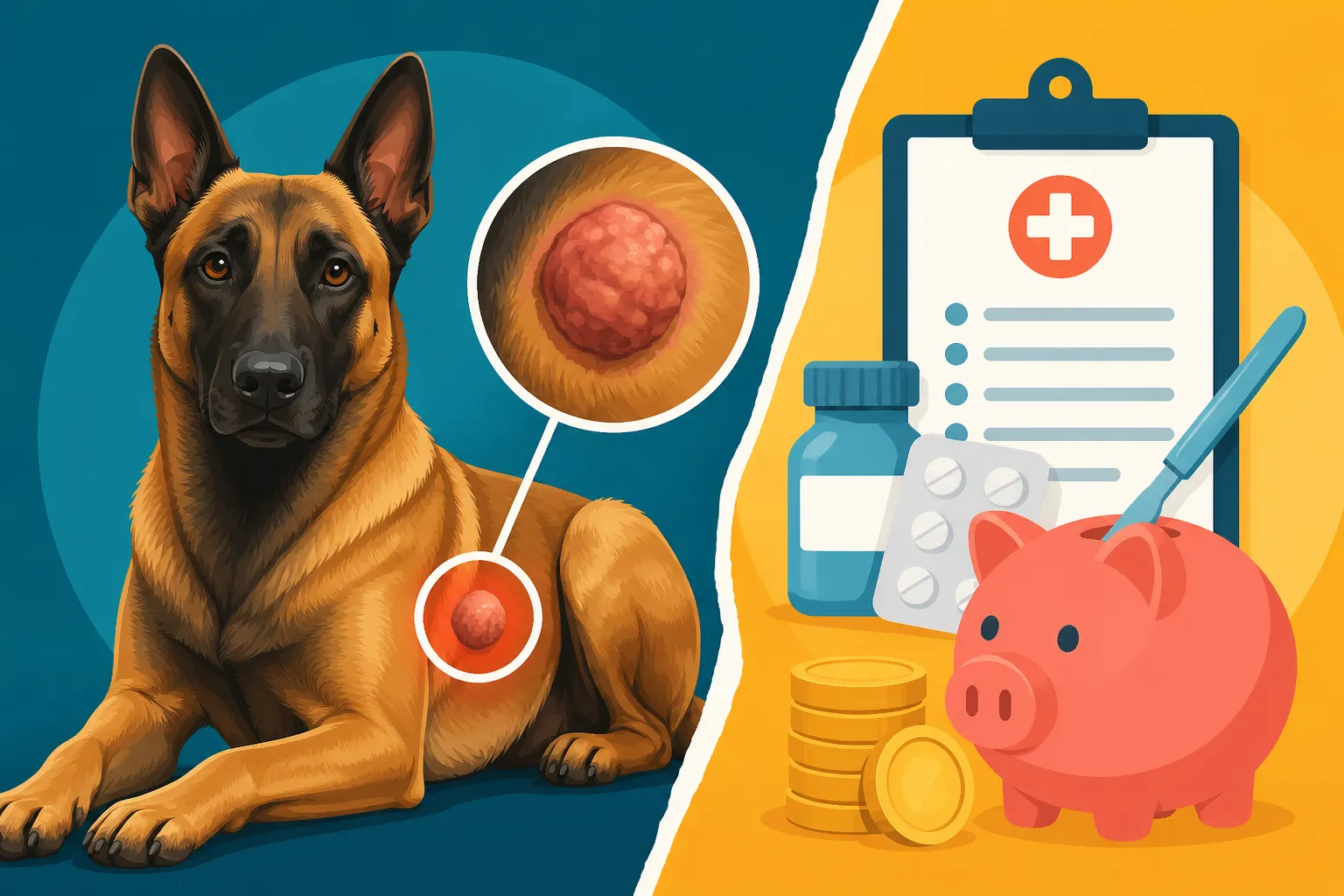
What Treating a Malinois’s Tumor Costs
Discovering a lump or concerning symptom in your beloved Belgian Malinois is an incredibly frightening experience, immediately followed by the daunting question of what it might cost to get answers and, hopefully, treatment. The financial implications of a cancer diagnosis can be overwhelming, adding immense stress to an already emotional situation. This comprehensive guide aims to shed light on the potential costs associated with diagnosing and treating a tumor in your Malinois, helping you understand what to expect and how to navigate these challenging times.
The Initial Shock and Diagnosis Costs
That sudden feeling of dread when you find a suspicious lump on your Malinois is something no dog owner ever wants to experience. The immediate concern for their health quickly intertwines with the very real worry about what the vet bills will look like. Getting an accurate diagnosis is the critical first step, and unfortunately, this phase alone can involve a series of tests, each with its own price tag.
The Vet Visit and Basic Exam
Your journey begins, naturally, with a visit to your veterinarian. They’ll perform a thorough physical examination, feeling the lump, checking your Malinois’s overall body condition, and listening to their heart and lungs. This initial consultation fee covers their time and expertise in assessing the situation. During this visit, they might also recommend some baseline blood work and urinalysis, especially if your dog is older or they suspect systemic involvement. These tests help provide a general picture of your Malinois's health, checking organ function and looking for any indicators of inflammation or infection that might be related or separate from the lump itself. It’s a crucial first step, but often just the tip of the iceberg in terms of what’s needed to truly understand the problem.
Diagnostic Imaging and Biopsy
Once a lump is identified, your vet will almost certainly recommend further diagnostics to understand its nature and extent. This is where costs can really begin to accumulate. X-rays might be taken to see if the tumor has spread to the lungs or if it's affecting bone. An ultrasound, particularly if the lump is internal or near organs, can provide more detailed soft tissue images, helping to determine its size, location, and whether it’s attached to other structures. For a more comprehensive view, especially for complex tumors or before surgery, advanced imaging like a CT scan or MRI might be necessary. These specialized scans are often performed at referral centers and can represent a significant investment.
Beyond imaging, the most definitive way to diagnose a tumor is through a biopsy. This could range from a simple fine needle aspirate (FNA), where cells are drawn from the lump with a needle, to an incisional biopsy (removing a small piece) or even an excisional biopsy (removing the entire lump). FNAs are generally less invasive and less costly, sometimes done right in the exam room, but they don't always provide enough information. A surgical biopsy requires sedation or general anesthesia, which adds to the expense but gives the pathologist a larger, more representative sample to work with, often leading to a more accurate diagnosis. Understanding Lumps Worth Aspirating on a Belgian Malinois can give you an idea of when a simple FNA might be sufficient versus needing a full biopsy.
Pathology and Staging Tests
Once the biopsy samples are collected, they are sent to a veterinary pathologist for analysis. This pathology report is vital; it identifies the type of tumor (e.g., mast cell tumor, soft tissue sarcoma, lymphoma) and whether it's benign or malignant. The cost of this specialized lab work is separate from the biopsy procedure itself. If the tumor is malignant, further "staging" tests will likely be recommended to determine if the cancer has spread to other parts of the body. This might involve additional blood tests, abdominal ultrasounds, lymph node aspirations, or more X-rays. For instance, if your Malinois has a suspected aggressive tumor, looking for The Bleeding Tumor That Kills an Older Malinois in areas like the spleen might be a part of this staging process. Each of these tests helps your veterinary oncologist develop the most appropriate treatment plan, but each also adds to the cumulative diagnostic expense.
Understanding Treatment Options and Their Expenses
Once your Malinois receives a confirmed tumor diagnosis, your vet will discuss the available treatment options. These can vary dramatically based on the type, size, location, and stage of the tumor, as well as your dog's overall health and your financial capabilities. Each treatment pathway comes with its own set of costs, which can range from manageable to substantial.
Surgical Removal and Anesthesia
For many types of tumors, especially solid masses, surgical removal is the primary and often most effective treatment. The cost of surgery itself is highly variable. It depends on factors like the size and location of the tumor (a simple skin lump versus a complex internal organ removal), the amount of surrounding healthy tissue that needs to be removed to ensure clean margins, and the expertise required by the veterinary surgeon. The more complex the surgery, the higher the cost.
Beyond the surgeon's fee, anesthesia is a significant component of surgical expense. Belgian Malinois, being a high-drive and often lean breed, can sometimes have specific considerations for sedation. It’s important to discuss Why Anesthesia Needs Discussing Before a Malinois Goes Under with your vet, as careful monitoring and specific protocols are often recommended to ensure their safety. This can include pre-anesthetic bloodwork, intravenous fluids, pain medication, and continuous monitoring by a veterinary technician during and after the procedure. Post-operative care, including medications for pain management, antibiotics, and follow-up visits to check incision healing, will also add to the overall cost. For specific teeth-related tumors or issues, you might even consider The Cost of Repairing a Malinois's Broken Canine, though that's less common for overall cancer treatment.
Chemotherapy and Radiation Therapy
If the tumor is aggressive, has spread, or cannot be fully removed surgically, chemotherapy or radiation therapy may be recommended. These are often performed by board-certified veterinary oncologists, adding another layer of specialization and cost.
Chemotherapy involves using drugs to kill cancer cells throughout the body. It can be administered orally (pills you give at home) or through injections at the veterinary clinic. The cost of chemotherapy varies widely depending on the specific drugs used, the dosage (which is often based on your Malinois's weight), and the number of treatment sessions required. Some protocols involve weekly injections for several months, while others might be less frequent. Managing side effects, which can include nausea, loss of appetite, or fatigue, might also incur additional costs for anti-nausea medications or appetite stimulants.
Radiation therapy uses high-energy radiation to shrink tumors and kill cancer cells. It typically requires multiple treatment sessions, usually daily for several weeks. Each session requires your Malinois to be sedated or anesthetized to ensure they remain perfectly still for precise targeting. The combination of specialized equipment, the need for multiple anesthesia events, and the expertise of radiation oncologists makes this one of the more expensive treatment options. Often, these treatments are only available at large veterinary specialty hospitals or university veterinary teaching hospitals.
Palliative Care and Quality of Life
Sometimes, a tumor is too advanced, too aggressive, or your Malinois's overall health doesn't allow for aggressive treatment. In these cases, or after active treatment has concluded, palliative care becomes the focus. Palliative care aims to manage symptoms, alleviate pain, and maintain the best possible quality of life for your Malinois. This approach can also involve significant costs, though often spread out differently.
Medications for pain relief, anti-inflammatory drugs, and supportive therapies like joint supplements or specialized diets might be needed long-term. For example, if your Malinois is experiencing discomfort or has compromised mobility, you might look into Joint Supplements for a Working Belgian Malinois, even if their working days are behind them. Regular veterinary check-ups, potentially more frequent than routine annual visits, will be essential to monitor their comfort levels and adjust medications as needed. The emotional and physical support of your Malinois through this phase is paramount, and while invaluable, the ongoing costs of these supportive measures can still add up over time.
Managing the Financial Burden of Malinois Cancer Treatment
The costs associated with diagnosing and treating a tumor in a Belgian Malinois can be staggering, leaving many owners feeling helpless. However, there are various strategies and resources available that can help alleviate some of the financial pressure, allowing you to focus on your dog's care.
Pet Insurance and Pre-existing Conditions
Pet insurance can be a literal lifesaver when facing unexpected veterinary bills, including cancer treatment. Policies typically cover a percentage of diagnostic tests, surgeries, chemotherapy, and radiation therapy, often after a deductible is met. However, it’s crucial to understand the limitations, particularly regarding "pre-existing conditions." If your Malinois was diagnosed with a tumor before you enrolled in a policy or during the waiting period, that specific condition will almost certainly not be covered. This is why many experienced Malinois owners advocate for getting pet insurance when their dogs are young and healthy.
It's wise to research different providers and their plans carefully. Companies like Healthy Paws, for example, are known for their comprehensive coverage, but policies and what they cover can vary significantly. Some plans might have limits on certain conditions or annual caps. Always read the fine print, compare quotes, and understand what "pre-existing conditions" means for any potential future health issues, including the unfortunate possibility of The Cancers That Take a Belgian Malinois. While pet insurance can't erase all costs, it can make a substantial difference in making advanced care accessible.
Financial Assistance Programs and Grants
When faced with a daunting diagnosis and no pet insurance, or insufficient coverage, it can feel like you're out of options. Thankfully, several non-profit organizations and foundations offer financial assistance or grants specifically for pet owners facing costly veterinary treatments, including cancer. These programs often have specific eligibility criteria, such as income requirements or specific diagnoses.
You might need to do some research, but asking your veterinary team, especially at specialty hospitals, is a great starting point. They often have lists of organizations they work with or can recommend. Some breed-specific rescues or clubs might also have emergency funds. While these grants may not cover the entire cost, every bit helps reduce the burden. Applying for these programs can take time, so it's best to start investigating as soon as you have a diagnosis.
Budgeting for Ongoing Care and Medications
Even if initial treatment is successful, ongoing care and medications are often necessary, which means long-term budgeting is essential. This can include regular follow-up appointments, prescription diets, supplements, and medications to manage any chronic conditions or side effects from treatment. For example, if your Malinois has a mast cell tumor, they might be on long-term antihistamines. If they develop epilepsy as a secondary issue or separately, Monthly Medication for an Epileptic Belgian Malinois becomes an ongoing expense.
Consider creating a dedicated "Malinois Health Fund" if you don't already have one. Even setting aside a modest amount each month can build up a cushion for these unexpected but common expenses. Online retailers like Chewy often offer convenient auto-ship options and competitive pricing on prescription diets and medications, which can help manage costs. Some owners even consider specialized diets, and services like Ollie provide fresh food options that might be beneficial for recovery or to tempt a picky eater, though these often come at a higher price point. Being proactive in saving and exploring cost-effective ways to get necessary supplies can significantly ease the financial strain over time.
Post-Treatment Monitoring and Long-Term Outlook
Successfully navigating a tumor diagnosis and treatment for your Belgian Malinois is a huge milestone, but the journey doesn't always end there. Post-treatment monitoring is vital to catch any recurrence or new issues early, and focusing on long-term quality of life is paramount. These phases also come with their own set of considerations and associated costs.
Follow-Up Appointments and Scans
Even after a tumor is removed or treated, regular follow-up appointments with your veterinarian or oncologist are critical. These appointments typically involve physical examinations, blood tests, and sometimes repeat imaging (X-rays, ultrasounds) to monitor for any signs of recurrence or metastasis. The frequency of these check-ups might be every few months initially, gradually extending to twice a year, or even annually if your Malinois remains healthy.
Each of these visits will incur consultation fees, and the diagnostic tests performed will add to the bill. While it might feel like an endless stream of expenses, these follow-up scans and blood panels are your best tools for early detection, which can significantly improve the prognosis if cancer returns. It's a proactive investment in your Malinois’s continued health and gives you peace of mind knowing you're doing everything possible. Understanding The Bloodwork a Working Malinois Should Have Annually can give you an idea of standard wellness checks that might be integrated with these follow-up scans.
Nutritional Support and Quality of Life Enhancements
Maintaining your Malinois's quality of life after cancer treatment often involves ongoing nutritional support and potentially other enhancements. Many dogs recovering from cancer or undergoing palliative care benefit from specialized diets designed to support their immune system, maintain muscle mass, and even help fight cancer cells. These prescription or specialized diets can be more expensive than standard kibble.
Supplements, such as omega-3 fatty acids, antioxidants, or immune boosters, might also be recommended by your vet or oncologist. While these can be beneficial, they are an additional cost. Beyond nutrition, ensuring your Malinois remains comfortable and engaged is key. This could mean investing in orthopedic beds, mobility aids if their joints are affected (common in older Malinois), or even enriching toys to keep their minds active without overtaxing their bodies. These aren't just luxuries; they're integral to their well-being and happiness during this sensitive period.
The Emotional Toll and Support Systems
While not a direct financial cost, the emotional toll of caring for a Malinois with a tumor is immeasurable and can indirectly impact your well-being and ability to manage other aspects of life. The stress, anxiety, and grief can be profound. It’s important to acknowledge these feelings and seek support if you need it. There are often pet loss support groups, online forums, and even veterinary social workers who can provide resources and a listening ear.
Sometimes, the "cost" can also extend to your time and energy, which are invaluable. Juggling vet appointments, administering medications, and observing your Malinois for subtle changes requires dedication. Investing in your own mental health during this period is just as important as investing in your dog’s physical health. Remember, you're not alone in this journey, and there are many resources available to help you and your beloved Malinois face this challenge head-on.
Here’s a general overview of potential cost ranges for tumor diagnosis and treatment in a Belgian Malinois. Please remember these are broad estimates and actual costs will vary significantly based on location, clinic, and individual case specifics.
| Service/Procedure | General Cost Shape (Low to High, per instance/session) | Notes |
|---|---|---|
| Initial Diagnostics | ||
| Vet Consultation & Basic Exam | Modest to Moderate | First visit, physical exam, general assessment. |
| Bloodwork & Urinalysis | Moderate | Baseline health, organ function, general screening. |
| X-rays | Moderate | To check for lung metastasis or bone involvement. |
| Ultrasound | Moderate to High | Detailed soft tissue imaging, internal organ assessment. |
| Fine Needle Aspirate (FNA) | Low to Moderate | Quick cell sample, often done in-office. May require multiple attempts. |
| Surgical Biopsy (Incisional/Excisional) | High | Requires anesthesia, provides more definitive tissue sample. |
| Pathology Report (Biopsy) | Moderate | Lab analysis of tissue samples to determine tumor type. |
| CT Scan / MRI | Very High | Advanced imaging for detailed soft tissue/bone assessment, usually specialist referral. |
| Treatment | ||
| Surgery (Tumor Removal) | High to Very High | Depends on size, location, complexity, and anesthesia. |
| Chemotherapy (per session) | Moderate to High | Cost per session; multiple sessions typically needed. Drug type and dosage vary. |
| Radiation Therapy (per session) | High | Requires specialized equipment and sedation for each session. Multiple sessions. |
| Palliative Care Medications | Moderate (ongoing monthly) | Pain relief, anti-inflammatories, supportive drugs. |
| Ongoing Care & Management | ||
| Follow-up Vet Visits | Modest to Moderate (per visit) | Post-treatment monitoring, physical exams. |
| Follow-up Bloodwork/Imaging | Moderate to High (per test) | Regular re-checks for recurrence or spread. |
| Prescription Diets/Supplements | Moderate (ongoing monthly) | Specialized nutrition to support recovery and health. |
Facing a tumor diagnosis in your Belgian Malinois is one of the toughest challenges you might encounter as an owner. The financial aspect, while daunting, doesn't have to be an insurmountable barrier to providing your beloved companion with the best possible care. By understanding the potential costs involved, exploring all your options for financial support, and proactively planning, you can navigate this difficult time with confidence, ensuring your Malinois receives the care and comfort they deserve.
Disclaimer
This article is for general informational purposes only and does not constitute professional advice. Laws, prices and regulations vary by location and change over time. Consult a qualified professional for guidance on your specific situation.