What a Malinois Rescue Asks in Adoption Donations
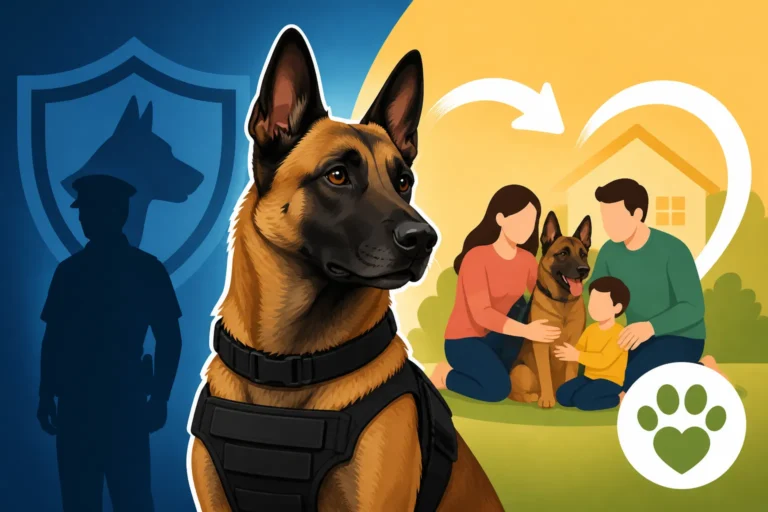
It's a tough pill to swallow for many prospective adopters: you're ready to open your heart and home to a Belgian Malinois in need, but then you see the "adoption donation" and wonder, what exactly am I paying for? You're not buying a dog; you're rescuing one, and it can feel a bit counterintuitive to hand over a significant sum when your intention is purely charitable. This guide will walk you through the realities of what Malinois rescues ask for in adoption donations, why these fees are essential, and what your money truly supports in bringing a deserving dog into a new life.
Understanding the "Why" Behind Adoption Donations
When you're looking to adopt a Belgian Malinois, especially one from a dedicated rescue, it's easy to focus solely on the dog in front of you. You see their beautiful eyes, their eager energy, and you imagine the life you could give them. But behind every adoptable Malinois is a whole network of volunteers, resources, and expenses that have gone into getting that dog ready for a new home. The adoption donation isn't just a fee; it's a contribution that helps sustain this vital work.
The True Cost of Rescuing a Malinois
Rescuing a Belgian Malinois is rarely a simple "pick up and place" operation. These dogs often come from situations where they have been neglected, abused, surrendered due to misunderstanding their needs, or pulled from overcrowded shelters. Many arrive with significant health issues, behavioral challenges, or simply no prior veterinary care. Rescues bear the full brunt of these costs, often without consistent government funding.
Imagine a Malinois brought in with untreated skin infections, an advanced case of dental disease, or even a broken limb from an accident. The rescue immediately incurs costs for veterinary diagnostics, treatments, medications, and sometimes even emergency surgeries. Then there are the routine, but still costly, procedures like vaccinations, deworming, microchipping, and spaying or neutering. Neuter and Spay Prices for a Belgian Malinois can be substantial, and rescues ensure every dog is altered before adoption to prevent further overpopulation. These aren't minor expenses; they add up quickly, especially when dealing with a breed known for its robust health needs but also its potential for injuries in high-drive individuals.
Why the Donation Isn't Just for the Dog You Adopt
It’s a common misconception that your adoption donation directly covers the costs associated with your specific dog. While it certainly contributes, the reality is that the adoption fee is part of a larger fundraising effort that helps the entire rescue operation. Many dogs come in with costs far exceeding their adoption donation, especially if they require extensive medical treatment or specialized behavioral rehabilitation.
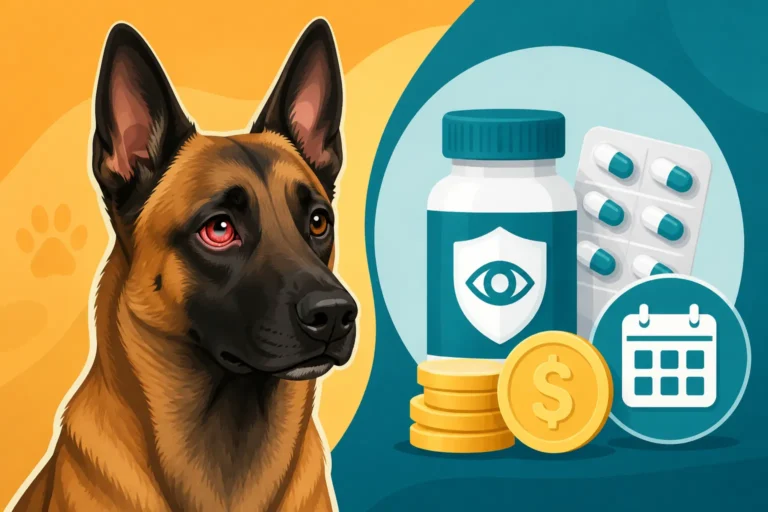
Think of it like this: your donation for a relatively healthy, well-adjusted Malinois might help offset the massive vet bill for another Malinois currently in the rescue’s care that needed an emergency surgery, or ongoing medication for a chronic condition like Monthly Cyclosporine Costs for a Malinois With Pannus. This communal pot of funds ensures that the rescue can continue its mission, taking in more dogs, providing them with necessary care, and preparing them for placement. It allows the rescue to maintain facilities, transport dogs, purchase supplies, and offer ongoing support to foster homes. It's truly a collective effort, and your donation plays a crucial part in keeping the whole system running.
What Influences the Adoption Donation Amount
The amount a Malinois rescue asks for can vary quite a bit, and it’s not arbitrarily decided. Several factors come into play, reflecting the investment the rescue has made in each dog and the overall financial needs of their operation.
Age, Health, and Training Level
Generally, puppies and young adult Malinois tend to have higher adoption donations. This isn't because they're "cuter" (though let's be honest, they are!), but because they are often considered more desirable and easier to place. Rescues also know that older puppies, while still cute, are often Why Rescue Malinois Are Mostly Under Two and are frequently surrendered right when they hit adolescence and their challenging behaviors begin to emerge. These younger dogs may have had less time to develop significant health issues, though a good rescue will still ensure they are fully vaccinated and spayed/neutered.
On the other hand, a senior Malinois or one with chronic health conditions might have a lower or even waived adoption fee. Rescues understand that these dogs will likely incur higher veterinary costs for their new owners down the line and want to remove financial barriers to their adoption. Similarly, a Malinois that has already received extensive professional training or rehabilitation might command a higher donation, reflecting the significant investment in their development. However, many Malinois in rescue are simply typical, energetic young adults who need a structured environment and consistent training, which is a major draw for experienced handlers. What a Malinois Rescue Does Before Placement involves thorough evaluations of temperament and training needs.
Here's a general idea of how age might influence donation ranges:
| Age Category | Typical Donation Range (Estimates Only) | Rationale |
|---|---|---|
| Puppy (Under 6 mo) | Higher end of range | High demand, all initial vetting (vaccines, deworming, spay/neuter) covered. |
| Young Adult (6 mo – 3 yrs) | Mid to higher end of range | High energy, often require significant training investment, popular age for active homes. |
| Adult (3 – 7 yrs) | Mid-range | Established temperament, may require less intense initial training, but still active. |
| Senior (7+ yrs) | Lower end or waived | Less demand, potential for higher future vet costs for adopter, rescue aims to ensure a comfortable retirement home. |
| Special Needs | Variable, often reduced/waived | Covers specific medical/behavioral rehabilitation costs, aims to encourage adoption despite challenges. |
Note: These are general estimates and actual donations will vary widely based on the specific rescue, dog, and region.
Geographic Location and Rescue Organization
Just like the cost of living varies across different states and cities, so do the operating expenses for animal rescues. A rescue operating in a high-cost urban area might have higher overheads for rent, utilities, and veterinary services compared to one in a more rural setting. This can translate to slightly higher adoption donations.
Furthermore, different rescue organizations have varying structures and funding models. Larger, more established rescues might have greater resources and a wider network of volunteers and foster homes, potentially allowing for slightly lower fees due to economies of scale or more robust grant funding. Smaller, independent, or breed-specific Malinois rescues, while incredibly dedicated, often rely more heavily on adoption donations and individual fundraising efforts to cover their specialized costs. They might have a higher per-dog expense due to the specific needs of the breed, like dedicated training support. Many breed-specific rescues, for instance, put a significant amount of effort into properly assessing a Malinois's drive and temperament, which can involve behavioral evaluations that cost money.
Navigating the Adoption Process and Donation Expectations
So, you're ready to adopt a Malinois and you understand the financial landscape. What's next? The adoption process for a Belgian Malinois, especially from a reputable rescue, is often more rigorous than for other breeds. This is a good thing; it means the rescue is committed to finding the absolute best match for these complex, high-drive dogs.
The Application and Vetting Process
When you apply to adopt a Malinois, expect a thorough vetting process. This usually starts with a detailed application form that delves into your experience with high-drive dogs, your living situation, your daily routine, and your training philosophy. You'll likely need to provide references, including veterinary references for any past or current pets. Home visits are also common to ensure your environment is secure and suitable for a Malinois – think about fencing, space, and safety. Fencing That a Belgian Malinois Cannot Clear is a serious consideration, as these dogs are escape artists.
Rescues often ask specific questions about your understanding of the breed's needs, such as their intense exercise requirements, their need for a "job," and their potential for strong prey drive. They want to avoid scenarios where a Malinois is surrendered again because a new owner underestimated the commitment. Why a Belgian Malinois Is the Wrong First Dog is a sentiment often echoed by these dedicated organizations, and their screening process reflects this deep understanding. This rigorous process helps protect both the dog and the adopter, ensuring a successful, long-term placement.
Typical Donation Ranges and Payment Methods
While it's impossible to give exact figures, adoption donations for a Belgian Malinois from a rescue often fall within a range that reflects the initial investment in their care. These ranges can start from a few hundred dollars and go up to nearly a thousand, sometimes more for a fully trained or particularly in-demand dog. The exact amount will be clearly stated by the rescue.
Payment methods typically include:
- Online payments: Many rescues use secure online platforms for donations.
- Checks or money orders: Traditional methods are usually accepted.
- Cash: Less common for larger sums, but some rescues may allow it.
- Payment plans: In rare cases, for a very specific dog with unique circumstances, a rescue might consider a payment plan, but this is highly unusual and not something to expect.
It's crucial to confirm the exact donation amount and preferred payment method with the specific rescue you're working with. Never send money before you've completed the application, been approved, and formally agreed to the adoption.
What to Expect After Adoption (and Ongoing Support)
The relationship with a good Malinois rescue doesn't end the moment you take your new dog home. Reputable rescues often offer ongoing support and advice. This might include:
- Behavioral guidance: Tips for settling your Malinois into their new home, managing common Malinois behaviors, and finding appropriate training resources.
- Health advice: Information on past medical history, vaccination schedules, and any ongoing health concerns.
- Community connections: Putting you in touch with other Malinois owners or local training clubs.
- Return policy: A responsible rescue will always require that if, for any reason, the adoption doesn't work out, the dog must be returned to them. This ensures the dog never ends up in a shelter again.
This continued support is part of what your adoption donation helps fund. It's an investment in a lifelong partnership, not just a transaction.
Beyond the Donation: Other Financial Commitments
While the adoption donation is the first financial hurdle, it's really just the tip of the iceberg when it comes to the true cost of owning a Belgian Malinois. These are not inexpensive dogs to keep, especially if you want to provide them with the best possible life.
Immediate Needs Post-Adoption
Bringing a new Malinois home means immediate expenses that go beyond the adoption fee. You'll need to stock up on essentials:
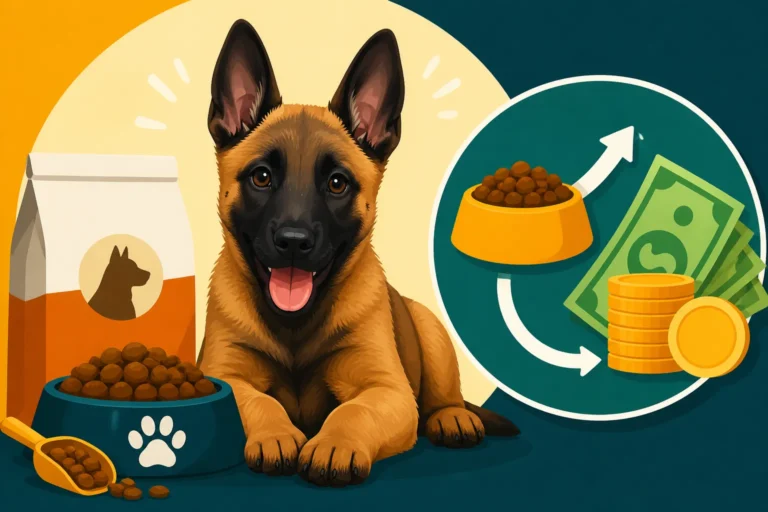
- Food: A high-quality performance kibble, especially if your Malinois is coming from a working line or is particularly active. Brands like Chewy offer a vast selection, and some owners opt for fresh food delivery services like Ollie for optimal nutrition. Expect to spend a fair bit on What Feeding a Working Malinois Costs Each Month.
- Crate: A sturdy, secure crate is non-negotiable for a Malinois. They need a safe space, and it's vital for house training and managing their high energy.
- Leash and Collar/Harness: Durable equipment is a must. A standard nylon leash might not hold up to the pulling power of a determined Malinois.
- Toys: Lots and lots of durable, interactive toys. Mental stimulation is just as important as physical exercise for this breed.
- Veterinary Check-up: Even if the rescue has provided extensive vetting, a visit to your vet for a general health check and to establish a relationship is a good idea. This allows you to discuss vaccination boosters, parasite prevention, and any concerns specific to your new dog.
Consider the initial outlay for these items to be a significant addition to the adoption donation.
Long-Term Financial Planning for a Malinois
Owning a Belgian Malinois is a long-term commitment, potentially The Fourteen to Sixteen Years a Belgian Malinois Lives. The ongoing costs are substantial and must be factored into your budget.
- Food: As mentioned, quality food is a continuous expense.
- Veterinary Care: Routine check-ups, vaccinations, flea and heartworm prevention, and unexpected illnesses or injuries. A Malinois involved in sport or working activities might face The Vet Bills a Bite Sport Belgian Malinois Runs Up.
- Training: Ongoing training is essential for a Malinois. This might include group classes, private sessions, or specialized sport training.
- Pet Insurance: This is highly recommended for a breed known for its intensity and potential for injuries or specific health issues. Companies like Healthy Paws offer various plans. It's worth researching What Pet Insurance Runs on a Working Malinois to budget accordingly.
- Equipment Replacement: Tugs, chew toys, leashes, and beds will all wear out and need replacing frequently with a powerful, active Malinois.
- Emergency Fund: It's always wise to have an emergency fund specifically for your dog. Accidents happen, and having funds readily available can prevent difficult decisions. Many experienced owners recommend banking How Much a Malinois Owner Should Bank Each Month to cover unexpected costs.
Adopting a Belgian Malinois from a rescue is a truly rewarding experience, but it’s one that comes with significant financial responsibility. The adoption donation is a testament to the rescue's dedication and your initial step in providing a stable, healthy, and fulfilling life for a deserving dog.
Disclaimer
This article is for general informational purposes only and does not constitute professional advice. Laws, prices and regulations vary by location and change over time. Consult a qualified professional for guidance on your specific situation.