Why Rescue Malinois Are Mostly Under Two
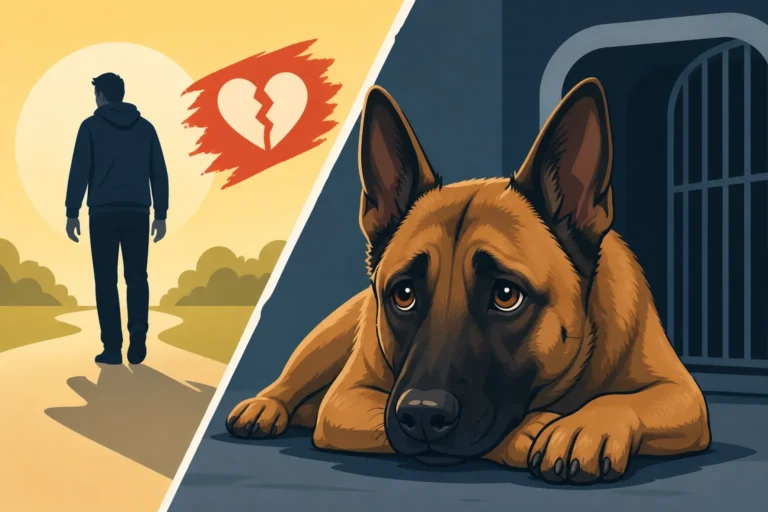
It’s a pattern many dedicated dog lovers and rescue volunteers have noticed: when you browse listings for Belgian Malinois available for adoption, the vast majority of them are under two years old. This isn't just a coincidence; it reflects the intense reality of living with such a powerful and demanding breed, and how often owners, despite their best intentions, find themselves completely overwhelmed. This guide will delve into the critical factors that lead to so many young Malinois ending up in rescue, offering insights for those considering the breed and those who want to understand this common situation better.
The Intense Reality of the Malinois Puppy Phase
Bringing home a Belgian Malinois puppy is often seen as an exciting new adventure, but for many, the reality quickly sets in that this isn't your average fluffy companion. These dogs are bred for intense work, and that drive manifests incredibly early. The sheer energy, the insatiable need for mental and physical stimulation, and the often-misunderstood puppy behaviors can rapidly push new owners to their breaking point, long before the dog reaches maturity.
Many prospective owners are drawn to the breed's intelligence and athleticism, imagining a loyal, capable partner for adventurous hikes or advanced dog sports. What they often fail to grasp is that these traits come with a significant "cost" in terms of daily management and training. A Malinois isn't a dog you can simply take for a couple of walks a day and expect to be content. Their genetic blueprint demands a job, and without one, they will invent their own, usually to the detriment of your home and sanity. It's a fundamental mismatch between expectation and reality that fuels the rescue numbers.
The commitment required during the puppy phase is particularly intense. These are not dogs that will passively learn the ropes; they are active participants in their environment from day one. Owners need to be prepared for constant supervision, proactive training, and an unwavering dedication to channeling that boundless energy into appropriate outlets. Ignoring these needs doesn't make them go away; it compounds them, leading to a host of behavioral issues that become incredibly difficult to manage as the dog grows.
The "Shark" Phase and Biting Behaviors
One of the most common and distressing challenges for new Malinois puppy owners is the infamous "shark phase." These puppies explore the world with their mouths, and their sharp teeth seem to be everywhere – on hands, ankles, clothing, and furniture. This isn't malicious aggression; it's natural puppy behavior, but in a Malinois, it's amplified by their extreme drive and oral fixation. Many people simply aren't prepared for the intensity of this biting.
It's not just a nip here and there; a Malinois puppy can seem to latch on with an unnerving determination. Without proper redirection, bite inhibition training, and consistent boundaries, this phase can feel relentless. Owners quickly become frustrated, exhausted, and sometimes even scared, especially if they have children in the home. What starts as normal puppy mouthing can feel overwhelming when it's coming from a dog with the genetic predisposition for protection work. Many families struggle to understand that this isn't a sign of a "bad" dog, but a high-drive puppy desperately needing appropriate guidance and outlets. You can read more about The Shark Phase Every Malinois Puppy Goes Through to understand its nuances.
The biting isn't just uncomfortable; it can damage relationships within the household. Children, who might initially be excited about a new puppy, can quickly become wary or even fearful. This creates a stressful environment for both the dog and the family, as the puppy, seeking interaction and engagement, continues its mouthy exploration, often exacerbating the problem. Finding effective ways to manage this constant oral stimulation is paramount, often involving a continuous rotation of appropriate chew toys and consistent training.
Unmet Exercise Needs and Destructive Behaviors
A Belgian Malinois is an athlete, pure and simple. They need far more than a leisurely stroll around the block. Without sufficient high-intensity exercise and mental stimulation, these dogs become bored, frustrated, and destructive. Imagine a high-performance sports car stuck in bumper-to-bumper traffic – that's often how a Malinois feels with inadequate outlets. Their incredible stamina and intelligence mean they require hours of structured activity every single day, not just occasional bursts. For some ideas, consider Two Hours and a Job a Belgian Malinois Demands Daily.
When their needs aren't met, Malinois will often resort to creating their own entertainment, which invariably leads to chaos in the home. Chewed furniture, torn-up carpets, dug-up yards, and incessant barking are all common manifestations of an under-exercised and under-stimulated Malinois. This isn't out of spite; it's a desperate attempt to burn off energy and occupy their brilliant minds. Owners who hoped for an easy-going pet quickly discover they've adopted a canine whirlwind, and the sheer scale of the destruction can lead to enormous stress and expense.
The problem escalates quickly. A small chew on a table leg can turn into the entire leg being gnawed off. A bit of digging in the garden can become a landscape of craters. These destructive habits are incredibly hard to break once established, especially when the underlying need for stimulation isn't addressed. Many owners find themselves constantly repairing or replacing household items, which adds a significant financial burden on top of the emotional toll. Products from retailers like Chewy can help, offering a wide array of durable chew toys and puzzle feeders, but even the toughest toys can fall victim to a truly dedicated Malinois.
The Adolescent Malinois: Pushing Boundaries and Testing Limits
If the puppy phase is a whirlwind, adolescence for a Belgian Malinois often feels like a hurricane. This period, roughly from 8 months to 2 years, is when the dog matures physically and mentally, but also when all those inherent drives become fully apparent. For many owners who struggled through puppyhood, this is the breaking point. The cute, albeit mouthy, puppy has now grown into a powerful, often opinionated, and incredibly energetic young adult, demanding an even higher level of commitment and consistent leadership.
This is the age where a Malinois's protective instincts can begin to surface, their prey drive becomes even more pronounced, and their boundless energy solidifies into endless stamina. Owners who thought things would "calm down" as the puppy grew are often dismayed to find the opposite is true. The dog, now larger and stronger, actively tests boundaries and pushes against any perceived weakness in leadership. Without a strong foundation of training and socialization, the adolescent Malinois can become a handful, asserting its will in ways that can be genuinely challenging for even experienced dog owners. This transitional period highlights why The Adolescent Malinois That Tests Everything can be such a trying time.
The common misconception that a dog will simply "grow out of it" without intervention is particularly damaging with a Malinois. Their traits are hardwired; they don't fade with age. Instead, they intensify, becoming more refined and powerful. If an owner hasn't invested heavily in training during puppyhood, they are faced with a full-grown, high-drive dog that has learned it can call the shots. This situation is incredibly difficult to rectify without professional help and a significant lifestyle change for the owner.
Maturing Drive and Reactivity
As a Malinois moves into adolescence, their natural drives for prey, defense, and guarding mature and become much more potent. What was a playful chase of a squirrel as a puppy can become an intense, almost uncontrollable pursuit as a young adult. Similarly, nascent protective instincts can develop into reactivity towards strangers, other dogs, or anything perceived as a threat. This isn't aggression for the sake of it, but rather an unchanneled manifestation of their genetic predispositions.
Owners often find themselves unable to control these powerful urges, leading to embarrassing or even dangerous situations in public. A dog that pulls incessantly on the leash, barks frantically at passing cars, or fixates on other dogs can make daily walks a nightmare. Without careful management, consistent training, and often professional intervention, these behaviors can escalate. Many owners simply don't have the physical strength, training knowledge, or emotional resilience to manage a maturing Malinois with these intensifying drives.
The reactivity often stems from a combination of insufficient socialization during critical puppy development stages and a lack of clear guidance from the owner. A Malinois needs to learn what is and isn't a threat, and how to appropriately respond in various situations. When this education is missing, they default to their instincts, which in a protection breed can be overwhelming for a typical pet owner. It’s important to remember that these dogs are bred for jobs that require them to be hyper-aware and responsive, and without a handler to guide that response, they can become reactive.
Lack of Foundation Training
One of the biggest contributors to young Malinois ending up in rescue is the absence of solid foundation training. While many owners attempt basic obedience, the depth and consistency required for a Malinois are often underestimated. These dogs thrive on structure, clear communication, and continuous learning. Without a strong foundation in obedience, socialization, and impulse control, the adolescent Malinois becomes incredibly difficult to live with.
By the time a Malinois is 18-24 months old, if it hasn't had consistent training in areas like recall, leash manners, polite greetings, and the 'place' command, it will be a chaotic force. Imagine trying to direct an intelligent, athletic teenager who has never been told "no" and has limitless energy – that's an untrained adolescent Malinois. Their intelligence means they learn quickly, but without positive direction, they learn unwanted behaviors with equal speed and dedication. Many owners find themselves simply "managing" a problem rather than truly training their dog, which is a recipe for disaster.
The repercussions of poor foundation training are far-reaching. A Malinois without a reliable recall is a serious flight risk and a danger to wildlife and other pets. A dog that pulls violently on the leash makes walks stressful and physically demanding. A Malinois that hasn't learned an "off switch" or how to settle will be destructive indoors. These issues are rarely easily fixed in an adolescent dog; they require immense dedication, often professional guidance, and a complete overhaul of the owner's approach. This is why many simply cannot continue, leading them to surrender their dog to a rescue.
Misunderstanding the Breed's Needs
The allure of the Belgian Malinois is undeniable for many, often due to their impressive capabilities in police, military, and sport roles. However, this admiration often comes without a full understanding of the breed's inherent requirements. Many owners acquire a Malinois without truly grasping the colossal commitment involved, leading to a significant mismatch between the dog's needs and the owner's capacity to meet them. This misunderstanding is a primary driver behind why so many end up in rescue before they even celebrate their second birthday. You might find yourself asking, Why Most Belgian Malinois Owners Underestimate the Breed.
People often see the breed's intelligence and think "smart dog, easy to train," but fail to realize that this intelligence comes with an intense drive that must be channeled. It's not enough for a Malinois to simply know commands; they need a purpose, a job to do. Without it, that incredible mental capacity is turned inward, often creating problems rather than solving them. This lack of informed decision-making at the point of acquisition sets many owners and dogs up for failure from the very beginning.
The core issue is often a romanticized view of the breed, rather than a realistic assessment. They are not merely "dogs." They are highly specialized working animals that thrive under specific conditions. When those conditions are not met, their natural tendencies, which are assets in a working environment, become liabilities in a typical pet home. This foundational misunderstanding about what makes a Malinois tick is at the heart of the rehoming crisis for young dogs of this breed.
The Allure of the "Tactical Dog" vs. Daily Life
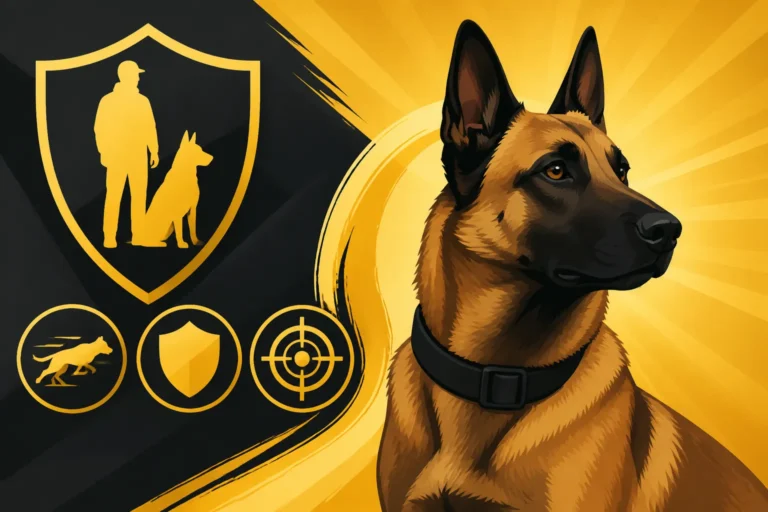
The image of a Belgian Malinois as an elite "tactical dog" – seen in movies, news reports, and working dog demonstrations – is incredibly powerful. People are captivated by their speed, agility, and protective instincts. This leads many to desire a Malinois, often without fully appreciating that these dogs are not born with these skills; they are forged through years of dedicated training and management by highly experienced handlers. The reality of daily life with a Malinois is far less glamorous and far more demanding.
The jump from admiring a police K9 on a screen to managing a high-drive Malinois in a suburban home is immense. There's a stark contrast between the disciplined, focused working dog you see in action and the raw, unrefined energy of a young Malinois. That "tactical edge" in an untrained dog translates to intense prey drive, strong guarding instincts, and often, an inability to relax in a typical home environment. Owners quickly discover that their dream of a protector doesn't match the reality of a dog that needs constant management, socialization, and training to be a stable member of society.
This disconnect between the perceived image and the actual daily grind is a significant factor in surrenders. People want the finished product but aren't willing or able to put in the foundational work. The dog that jumps on guests, chews through drywall, or attempts to herd children around the living room is a far cry from the composed K9, and this stark reality often leads to an early parting of ways. They discover Why a Belgian Malinois Is the Wrong First Dog the hard way.
Time and Financial Commitment Overwhelm
Owning a Belgian Malinois is a monumental commitment, not just in terms of daily care, but also in time and finances. The time required for exercise, training, and mental stimulation often exceeds what a typical family can realistically provide. We're talking hours of dedicated engagement every single day, not just a weekend hike. This relentless demand on an owner's schedule often leads to burnout, especially when coupled with other life responsibilities.
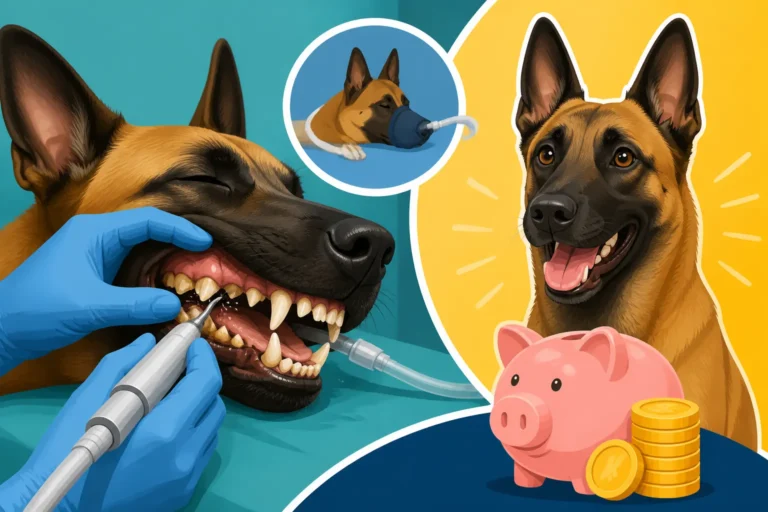
Financially, a Malinois can be a significant drain. Beyond the initial cost of acquisition, consider the expenses for high-quality performance food, durable toys (which they'll still likely destroy), specialized training equipment, and critically, professional training. When problems arise, which they inevitably do with an under-exercised or poorly trained Malinois, the cost of a behaviorist or specialized trainer can be substantial. Many owners find themselves unprepared for these ongoing and often unexpected financial demands. You can get an idea from What a Year With a Working Belgian Malinois Costs.
| Category | Description of Typical Costs & Time (General) |
|---|---|
| Initial Purchase | Highly variable, depends on lineage and purpose. |
| Food & Nutrition | High-quality, calorie-dense kibble or raw food is often chosen due to their high metabolism. |
| Vet Care | Routine check-ups, vaccinations, parasite prevention. Potential for higher injury rates in active dogs. |
| Training | Puppy classes, advanced obedience, specialized sport training (e.g., bite work, agility), private sessions. |
| Equipment | Durable crates, chew-proof beds, strong leashes, e-collars, bite-resistant toys, heat alarms for vehicles. |
| Time Commitment | 2+ hours daily of structured exercise, 30-60 min daily dedicated training, constant mental enrichment. |
| Insurance | Pet insurance is highly recommended due to high activity levels and potential vet bills. Healthy Paws is one option. |
| Destruction | Costs associated with repairing or replacing household items due to boredom/frustration. |
Many owners also neglect the costs of preventative healthcare, not just for regular vet visits, but for specialized diets or supplements that might support their joints or digestive system. For example, some owners choose premium fresh food services like Ollie or look for specific supplements on Chewy to support their Malinois's intense physical demands. When faced with vet bills, pet insurance from providers like Healthy Paws can certainly help, but even with insurance, the out-of-pocket expenses for a high-drive dog are often more than anticipated. This combination of intense time and financial strain frequently leads to owners reluctantly seeking rescue placement for their young Malinois.
Rescue Organizations: The Safety Net for Overwhelmed Owners
When the challenges of owning a Belgian Malinois become too great, rescue organizations often become the last hope for these intelligent, high-energy dogs. These rescues see a disproportionate number of young Malinois, typically under two years of age, surrendered by owners who are simply overwhelmed. The organizations serve as a crucial safety net, stepping in when individuals and families can no longer cope, often preventing these dogs from ending up in less suitable environments or, sadly, euthanized due to behavioral issues.
The staff and volunteers at Malinois-specific rescues are often highly experienced with the breed's unique demands. They understand that a Malinois ending up in rescue isn't necessarily a "bad" dog, but often a dog whose needs haven't been met. They recognize the signs of an under-stimulated Malinois, the effects of a lack of consistent training, and the challenges of managing their intense drives. This understanding is critical for rehabilitation and successful rehoming.
These rescues dedicate significant resources to assessing, training, and finding appropriate homes for these dogs. They recognize that a young Malinois, with its boundless energy and intelligence, has immense potential if placed with the right handler. Their work is a testament to the fact that while owning a Malinois is incredibly challenging, for the right person, it can be an incredibly rewarding partnership. Without these dedicated organizations, many more young Malinois would face bleak futures.
The Vetting Process and Behavioral Assessments
One of the most vital functions of a Malinois rescue is its rigorous vetting process and comprehensive behavioral assessments. Unlike a general shelter, these specialized rescues know exactly what to look for in a Malinois temperament and what questions to ask potential adopters. They understand that a simple "love of dogs" isn't enough; an adopter needs specific experience, lifestyle, and resources to handle a Belgian Malinois.
When a young Malinois enters a rescue, it undergoes a thorough evaluation that goes far beyond a basic health check. This includes assessing their drive levels (prey, fight, retrieve), their response to novel situations, their social skills with other dogs and people, and their biddability. They look for signs of previous training, underlying anxieties, or potential reactivity. This detailed assessment helps the rescue understand the dog's individual needs and temperamental quirks, which are crucial for making an informed placement decision. Rescues often have a protocol for What a Malinois Rescue Does Before Placement.
The vetting process for adopters is equally stringent. Expect in-depth questionnaires, phone interviews, home visits, and reference checks. Rescues want to ensure that potential owners understand the breed's demands, have a secure environment, and are committed to ongoing training and exercise. They're looking for experienced handlers, or those willing to commit to working with professional trainers, ensuring the next home is a truly "forever" home where the Malinois can thrive.
Support for Adopters and Rehoming Success
Malinois rescues don't just hand over a dog and hope for the best; they are deeply invested in the long-term success of their placements. Many rescues offer extensive post-adoption support, understanding that even well-prepared adopters might encounter challenges with a breed as complex as the Malinois. This support can be a lifeline for new owners navigating the complexities of their new companion.
This support often includes access to breed-specific training resources, recommendations for experienced local trainers, and ongoing mentorship from rescue volunteers who truly understand the breed. Some rescues even offer discounted training classes or behavior consultations for their adopted dogs. The goal is to equip adopters with the tools and knowledge necessary to manage their Malinois effectively, addressing issues proactively before they escalate to the point of another surrender. This dedicated support system significantly increases the chances of a successful, lifelong placement.
Ultimately, the reason why rescue Malinois are mostly under two years old boils down to a confluence of factors: the breed's intense demands, the prevalence of owners unprepared for those demands, and the rapid onset of challenging behaviors during puppyhood and adolescence. Dedicated rescues play a critical role in intercepting these young, highly capable dogs and rerouting them to knowledgeable homes, giving them a second chance at fulfilling their incredible potential. It's a challenging situation, but one that highlights the resilience of the breed and the dedication of those who advocate for them.
Disclaimer
This article is for general informational purposes only and does not constitute professional advice. Laws, prices and regulations vary by location and change over time. Consult a qualified professional for guidance on your specific situation.