Retiring a Working Belgian Malinois From the Job
Retiring a working Belgian Malinois involves recognizing physical aging signs and behavioral shifts to ensure comfortable golden years.
Know what to watch for.
Breed-specific conditions, screening and DNA tests, what surgery actually costs, and the daily habits that stretch a healthy lifespan.

Retiring a working Belgian Malinois involves recognizing physical aging signs and behavioral shifts to ensure comfortable golden years.

Belgian Malinois eye certificates detail specialized veterinary examinations designed to identify hereditary eye diseases before breeding.
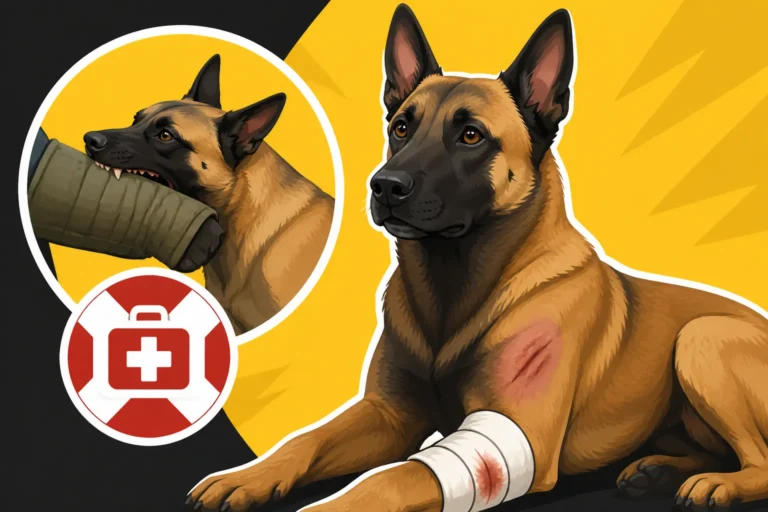
Belgian Malinois bite sport training risks physical trauma, detailing common joint, skeletal, and ligament injuries from high-intensity work.

Belgian Malinois cancer risks, common types, symptoms to watch for, and how to navigate veterinary diagnoses and treatments.

Belgian Malinois seizure disorders and canine epilepsy genetics explained, including causes, diagnosis, and long-term management strategies for owners.
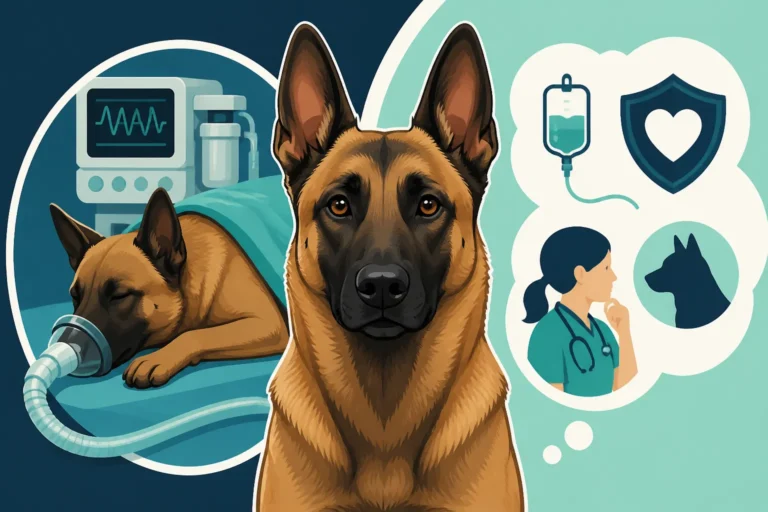
Belgian Malinois anesthesia risks and protocols, explaining how high metabolisms and lean body mass affect sedation safety.
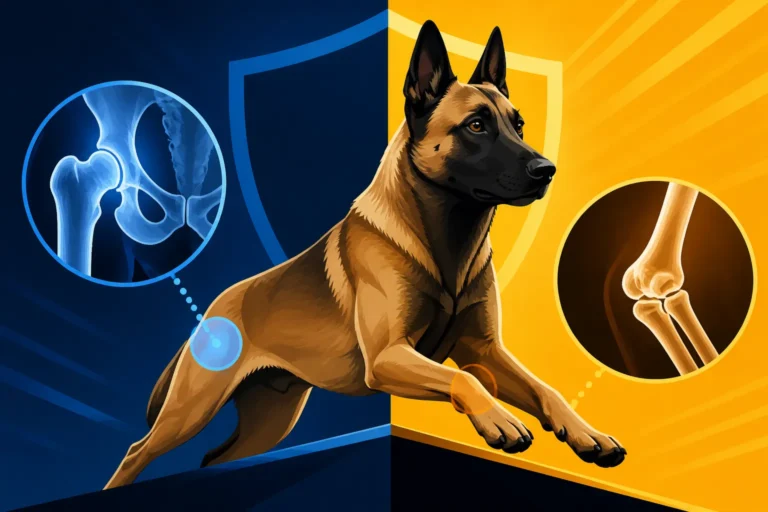
Belgian Malinois hip and elbow numbers explain joint health, dysplasia risks, and screening for active working dogs.

Pannus in Belgian Malinois is an autoimmune eye disease driven by UV light, causing progressive vision loss and blindness.
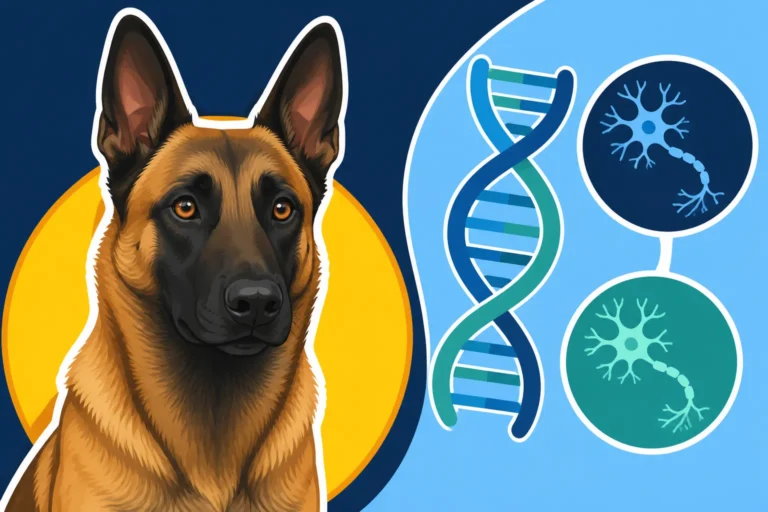
Spinocerebellar ataxia genetic mutations SDCA1 and SDCA2 cause progressive muscle coordination loss in Belgian Malinois.

The typical Belgian Malinois lives twelve to sixteen years, influenced by genetics, proper nutrition, and active daily exercise.