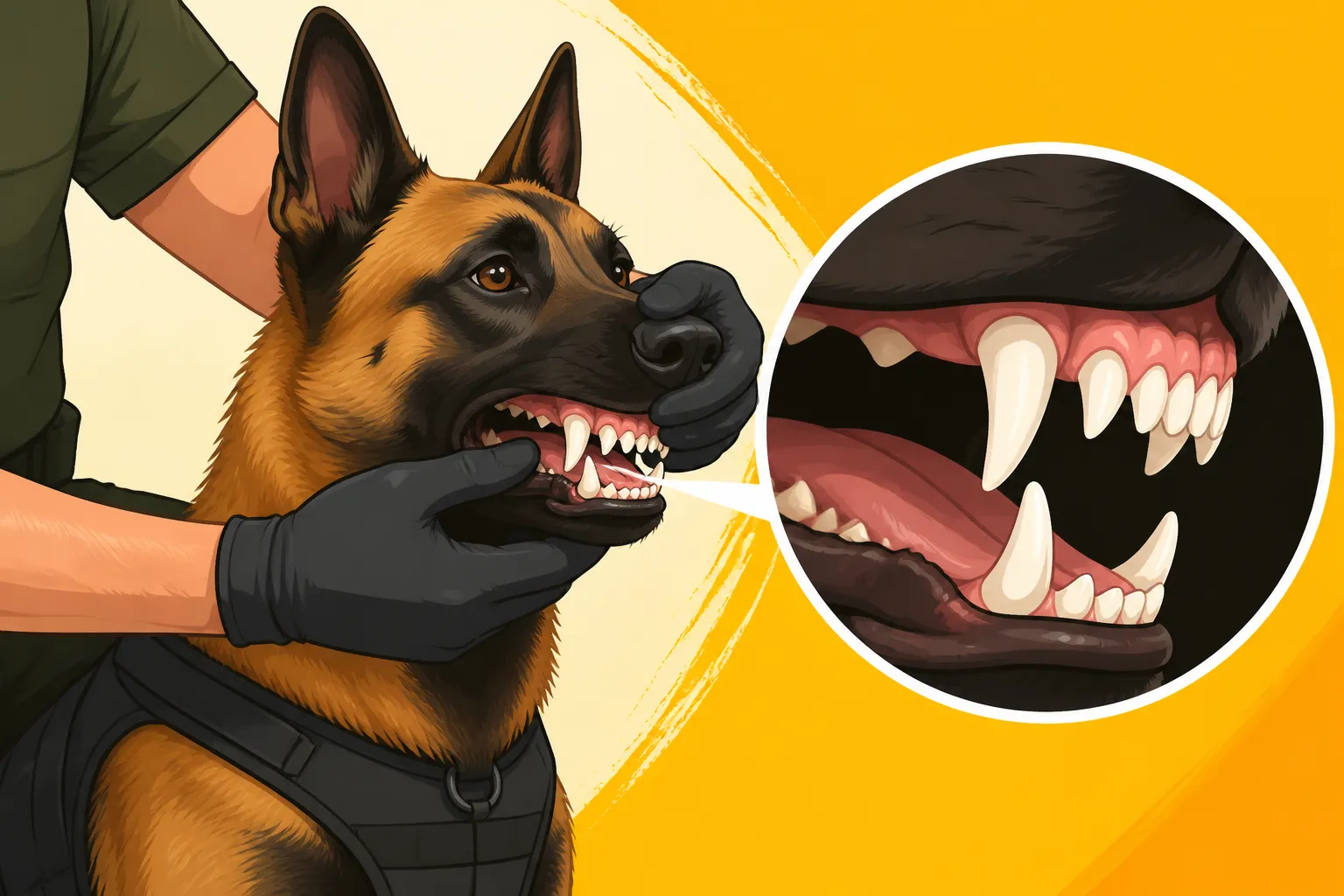
Checking a Belgian Malinois’s Canines After Training
It's an ongoing concern for any dedicated Belgian Malinois owner involved in sport or working disciplines: the sheer intensity your dog brings to every session. After a particularly fervent bite work training, you might find yourself wondering if those powerful canines, so crucial to their job, have taken a beating. This guide will walk you through how to properly inspect your Malinois's teeth after training, what potential issues to look for, and when it’s time to consult with a professional.
Why Those Canines Are So Important for Your Malinois
When you own a Belgian Malinois, you quickly learn that their entire being is centered around drive, power, and precision. Their teeth, particularly those impressive canines, aren't just for eating; they are essential tools for their work, defining their grip, confidence, and effectiveness in protection sports and real-world applications. It’s no wonder we worry about them constantly!
The Role of Canines in Protection and Sport Work
In bite sports like IGP, Ring, or KNPV, the canines are the primary anchors. They are designed to penetrate and hold, providing that deep, secure grip on a sleeve or suit that is so highly valued. Without sound canines, a Malinois cannot perform effectively, and their safety, as well as the decoy's, can be compromised. Think about the sheer force exerted when your Malinois engages a decoy – it's a dynamic, high-impact event where those canines bear the brunt of the initial contact and sustained pressure. Any weakness or damage can not only be painful but can fundamentally alter their ability to work. This isn't just about winning a title; it's about the foundation of their entire working structure.
Anatomy of a Malinois Canine Tooth
A Malinois's canine teeth are formidable structures, designed for tearing and holding. They are long, sharp, and deeply rooted, unlike the smaller incisors or broader molars. Each canine has a pulp cavity in the center, containing nerves and blood vessels, which is then surrounded by dentin and covered by a hard layer of enamel. The strength of the enamel is crucial, but it's not indestructible. Below the gumline, the root anchors the tooth firmly into the jawbone, providing stability against extreme forces. This intricate design is why a healthy canine can withstand so much, but also why damage can be so painful and debilitating. Understanding this basic anatomy helps us appreciate both their strength and their vulnerabilities when put under the intense pressures of training.
The Risks Your Malinois's Canines Face During Training
It's easy to assume that a dog's teeth are just naturally tough, but the reality is that the specific activities a working Malinois engages in put unique and considerable stress on their dental structures. The constant impact, friction, and pressure can lead to both sudden, acute injuries and gradual, insidious wear. This is why a regular inspection is so important, especially for those hard-working mouths.
Common Injuries from Bite Work
Bite work is dynamic and intense, and while training equipment is designed to protect, it's not foolproof. The most common acute injuries we see are chipped or fractured teeth. This happens when the dog bites down with extreme force on a hard part of the sleeve or suit, or even an errant buckle or seam. Sometimes, it’s a direct impact; other times, it’s the sheer torque and twist during a struggle. A small chip might seem minor, but if it exposes the dentin or, worse, the pulp, it can be incredibly painful and open the door to infection. We've all seen dogs come off the field looking a little too interested in a specific side of their mouth, or maybe they just don't want to pick up that tug quite as readily as before. This is often the first subtle sign something is amiss.
Less Obvious Wear and Tear
Beyond those dramatic chips and fractures, there's a more subtle, cumulative damage that can occur: excessive wear. Over time, the constant friction against rough training materials can grind down the enamel, flattening the sharp points of the canines. This might not be as immediately painful as a fracture, but it weakens the tooth structure, making it more susceptible to future damage and sensitivity. Another concern is gum trauma. The powerful grip, combined with the movement against the sleeve, can sometimes cause abrasions or lacerations to the gum tissue around the canines. These might seem superficial, but they can become infected or lead to gum recession, exposing more of the tooth root. It's not always a sudden injury, but a gradual process that can compromise the long-term dental health and working lifespan of your Malinois. This is an area where Whether Hard Bite Work Wears Malinois Teeth Down provides more insight.
Your Post-Training Canine Inspection Routine
Okay, so you've just finished a thrilling training session, and your Malinois is buzzing with endorphins. Now comes the important part: a quick but thorough dental check. It doesn't have to be a wrestling match; with consistency and a positive approach, it can become just another part of your cool-down routine.
What to Look For: Cracks, Chips, and Discoloration
After every training session, ideally, you want to perform a quick visual inspection of your Malinois's canines. Look for any noticeable changes. Are there any new chips or fractures along the edges or tips of the teeth? Even a tiny divot can be significant. Check for cracks, which might appear as fine lines running down the tooth. Sometimes, these are harder to spot, requiring good light. Discoloration, particularly a grayish or purplish tint, can indicate a dead or dying pulp, even without an obvious fracture. This is a serious sign that needs immediate veterinary attention. Pay attention to the gumline too – any redness, swelling, or bleeding around the canines is a red flag. Sometimes, you'll also notice a small, pinpoint opening on the tooth surface where the pulp has been exposed; this is extremely painful and prone to infection.
How to Safely Examine Your Dog's Mouth
Examining your Malinois's mouth, especially if they're still wired from training, requires a calm approach. Start by teaching them to tolerate having their muzzle held and their lips lifted. Make it a positive experience with praise and high-value treats. You'll want to gently lift their upper and lower lips to expose the outer surfaces of the canines first. Then, for a more thorough check of the inner surfaces and the molars, you might need to carefully open their mouth. A headlamp can be incredibly useful for providing direct, bright light, freeing up both your hands. Be patient, work quickly, and always end on a good note. If your dog is showing any signs of discomfort or pain during the inspection, stop immediately. Never force the issue, as this can create a negative association and make future inspections even harder. Remember, this isn't just a physical check, but a trust-building exercise. For daily maintenance, Daily Tooth Brushing for a Malinois That Bites offers excellent tips.
When to Call the Vet: Signs of Serious Canine Damage
It's one thing to spot a minor issue, but knowing when a dental problem crosses the line into a veterinary emergency can save your Malinois from significant pain, infection, and potential loss of the tooth. Don't play guessing games with dental health; it impacts their overall well-being.
Symptoms Beyond a Simple Chip
While a tiny, superficial chip might just need monitoring, there are clear signs that warrant an immediate call to your vet. If you see a fracture that extends deep into the tooth, exposing the pulp cavity (which might look like a dark, pinpoint hole or a reddish spot), that's a dental emergency. The pulp contains nerves and blood vessels, and exposure means immense pain and a direct pathway for bacteria into the jawbone and bloodstream. Other critical signs include swelling on one side of the face, persistent pawing at the mouth, drooling, difficulty eating, or a sudden aversion to toys or chews. If your Malinois suddenly becomes withdrawn, irritable, or unusually subdued after training, dental pain could absolutely be the culprit. A change in breath odor, often a metallic or foul smell, can also indicate infection. These symptoms are your dog's way of telling you they're in serious trouble.
The Importance of Timely Veterinary Intervention
Time is of the essence when it comes to severe dental trauma, especially if the pulp is exposed. An open pulp cavity is not only excruciatingly painful, but it's a direct route for bacteria to enter the tooth and potentially cause an abscess or systemic infection. The sooner a fractured tooth is treated—either with a vital pulpotomy (if caught very early), a root canal, or extraction—the better the prognosis for your dog's comfort and long-term health. Delaying treatment can lead to chronic pain, spread of infection, and a more complicated, expensive, and invasive procedure down the line. Remember, our Malinois are stoic and often hide pain well, so by the time you notice overt symptoms, the problem has likely been going on for a while. Don't hesitate to consult your vet. Understanding What a Crown on a Malinois Canine Costs or What Extracting a Malinois's Tooth Costs might provide some perspective on potential treatments.
Proactive Care and Prevention for Malinois Canines
Prevention is always better than cure, especially when it comes to your Malinois’s working teeth. Being proactive about their dental health can minimize risks, reduce vet visits, and ensure they stay sound and focused on their job. It's about building a robust foundation, not just reacting to problems.
Strengthening Teeth and Gums Through Diet and Chews
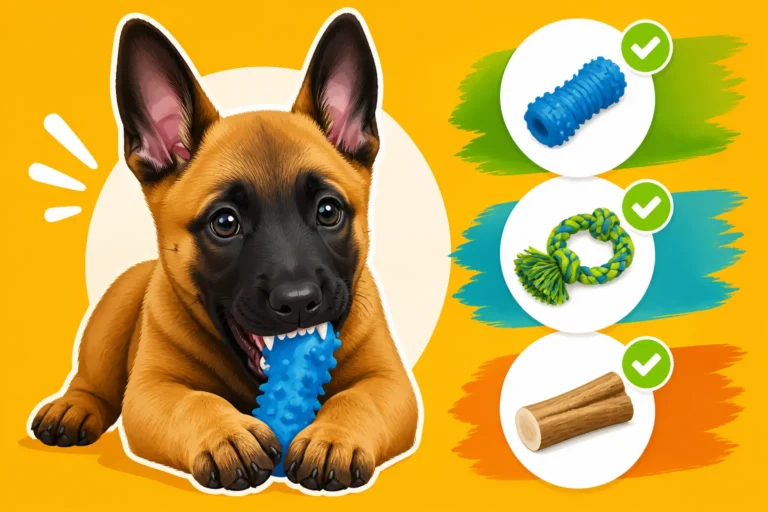
A well-balanced, high-quality diet is the first step in supporting overall dental health. While kibble alone won't clean teeth, good nutrition contributes to strong bone and enamel development. Some owners explore fresh food diets, like those offered by Ollie, believing the natural nutrients benefit overall health, including oral health. Beyond diet, incorporating appropriate dental chews can be beneficial. Look for chews that are specifically designed for dental health, but be cautious. Extremely hard chews (like antlers or real bones) can actually cause fractures, which is the very thing we're trying to avoid. Soft, pliable dental chews that scrape tartar without posing a fracture risk are ideal. You can find a good selection of safe, durable chews on Chewy or Amazon. Always supervise your Malinois with any chew toy to ensure they're using it safely and not breaking off pieces they could choke on. For a more comprehensive look at dental chews, see Chews That Will Not Fracture a Malinois's Canines.
Training Practices to Minimize Dental Risk
Minimizing dental risk isn't just about what your dog eats; it's also about how they train. Work with experienced decoys and trainers who use high-quality, well-maintained equipment. Worn-out sleeves or suits can have hard spots or tears that present a greater risk of tooth damage. Encourage a full, confident grip rather than a shallow, "lip-biting" grip, which can put undue stress on the incisors and canines. Consistent training on proper grip mechanics can actually protect their teeth. Additionally, avoid allowing your Malinois to bite hard, inanimate objects outside of structured training. That tempting tree branch or rock can cause significant damage in an instant. Gradually warm up your dog before intense bite work, ensuring their entire body, including their jaw muscles, is ready. Think of it like any other athletic endeavor – proper technique and equipment are key to injury prevention.
Long-Term Management and Dental Health
Your Malinois's dental health isn't a "set it and forget it" kind of deal. It requires ongoing attention, both at home and with professional veterinary care, especially for dogs engaged in demanding working roles. Just as you’d monitor their joints and conditioning, their mouth deserves the same dedicated focus for a full and healthy working life.
Professional Dental Cleanings and Their Value
Even with the most diligent at-home care, plaque and tartar can accumulate, especially in the harder-to-reach areas of the mouth. Regular professional dental cleanings under anesthesia are invaluable for a working Malinois. During these procedures, the vet can thoroughly scale away tartar, probe for gum pockets, and perform a detailed oral exam, often including dental X-rays. X-rays can reveal problems hidden beneath the gumline, such as root abscesses, bone loss, or unerupted teeth, which would otherwise go unnoticed until they become severely painful. Catching issues early can prevent more serious complications down the road. These professional cleanings contribute significantly to a dog's overall health, preventing systemic infections that can originate in the mouth. It’s an investment in their comfort and longevity. What a Malinois Owner Spends on Toys in a Year and The Vet Bills a Bite Sport Belgian Malinois Runs Up often highlight how dental care can contribute to those overall costs.
Options for Repairing Damaged Canines
Should the unfortunate happen and your Malinois sustains canine damage, there are several treatment options available, depending on the severity and type of injury.
| Injury Type | Description | Common Treatment Options |
|---|---|---|
| Enamel Chip/Fracture (no pulp exposure) | Superficial damage to the outer layer of the tooth. | Smoothing the rough edge, bonding/filling (rare for canines). |
| Complicated Crown Fracture | Fracture extending into the dentin, exposing the pulp cavity. | Root canal therapy or extraction. |
| Pulpitis (inflammation of pulp) | Inflammation of the pulp, often due to trauma without obvious fracture. | Root canal therapy or extraction. |
| Tooth Root Abscess | Infection at the root of the tooth, usually from untreated pulp exposure. | Root canal therapy or extraction, often with antibiotics. |
| Severe Wear | Significant abrasion of the tooth surface over time. | Monitoring, sometimes composite bonding; rarely crowns for protection. |
For deep fractures that expose the pulp, a root canal is often the preferred option, especially for working dogs, as it preserves the tooth. This involves removing the infected pulp and filling the root canal. In some cases, a titanium crown can be placed over a repaired or root-canaled tooth to protect it and restore its strength, which is a consideration for Whether Titanium Crowns Are Worth It on a Malinois. However, if the tooth is severely compromised, extraction might be the only viable choice to alleviate pain and prevent infection. Each option comes with its own considerations for recovery time, impact on future work, and cost. Your veterinary dentist will guide you on the best course of action to ensure your Malinois remains comfortable and, if possible, able to continue their beloved work.
Disclaimer
This article is for general informational purposes only and does not constitute professional advice. Laws, prices and regulations vary by location and change over time. Consult a qualified professional for guidance on your specific situation.