How Rarely a Malinois Coat Needs Washing
You've got a Belgian Malinois, and let's be real, keeping them clean can feel like a full-time job, especially when they're always finding mud puddles, rolling in something mysterious, or just generally living their best, dirtiest life. But when it comes to bathing, there's a delicate balance to strike. How often is too often, or not often enough, for that incredible, yet often grimy, short coat? This guide will dive deep into understanding your Malinois's coat and how to maintain its natural health without constant scrubbing.
Understanding the Malinois Coat: Nature's Self-Cleaning Marvel
Many people, especially those new to the breed, look at a Malinois's short, sleek coat and assume it's low maintenance in terms of bathing. While it's true they don't mat like a long-haired breed, and they certainly don't get the dreadlocks of a Komondor, their coat has a very specific structure and purpose that dictates how it should be cared for. It's truly a marvel of natural design, built for function, not just aesthetics.
Your Belgian Malinois sports a dense double coat. This isn't just a fancy term; it's a vital part of their protective system. The outer coat, often described as harsh and straight, acts as a barrier, repelling water, dirt, and debris. Think of it like a natural raincoat. Beneath that lies a softer, equally dense undercoat, which provides insulation against both cold and heat. This double layer is what allows a Malinois to work tirelessly in diverse climates, from frosty mornings on a patrol route to scorching afternoons on a training field. Over-bathing can actually strip these essential natural oils that contribute to the coat's protective qualities. When these oils are repeatedly washed away, the coat can become dry, brittle, and less effective at repelling the elements. You might notice their fur feeling coarser, looking dull, or even finding their skin flakier and itchier, leading to discomfort and scratching. This is a common frustration for owners who, with the best intentions, bathe their dog too frequently.
Beyond the physical structure, Malinois coats are also designed for a degree of self-cleaning. The short, stiff guard hairs don't easily trap dirt or hold onto mud once it dries. Often, a good shake or a quick brush will dislodge most of the accumulated grime. This is why a Malinois that has just romped through a dusty field or a muddy trail can sometimes look surprisingly clean after a short while, or at least a lot less messy than a Golden Retriever or a Shepherd with a longer, softer coat. Regularly brushing them helps distribute their natural oils, removes loose hair, and massages the skin, promoting a healthy coat without the need for excessive water and shampoo. You'll find that a good curry comb can work wonders, bringing out a shine and removing dust that might otherwise require a full bath. It's often more about managing the loose hair and surface dirt than it is about a deep cleanse. You can read more about how their coat handles shedding and care in How Much a Malinois's Short Coat Actually Sheds.
When Bathing Becomes a Necessity, Not a Routine
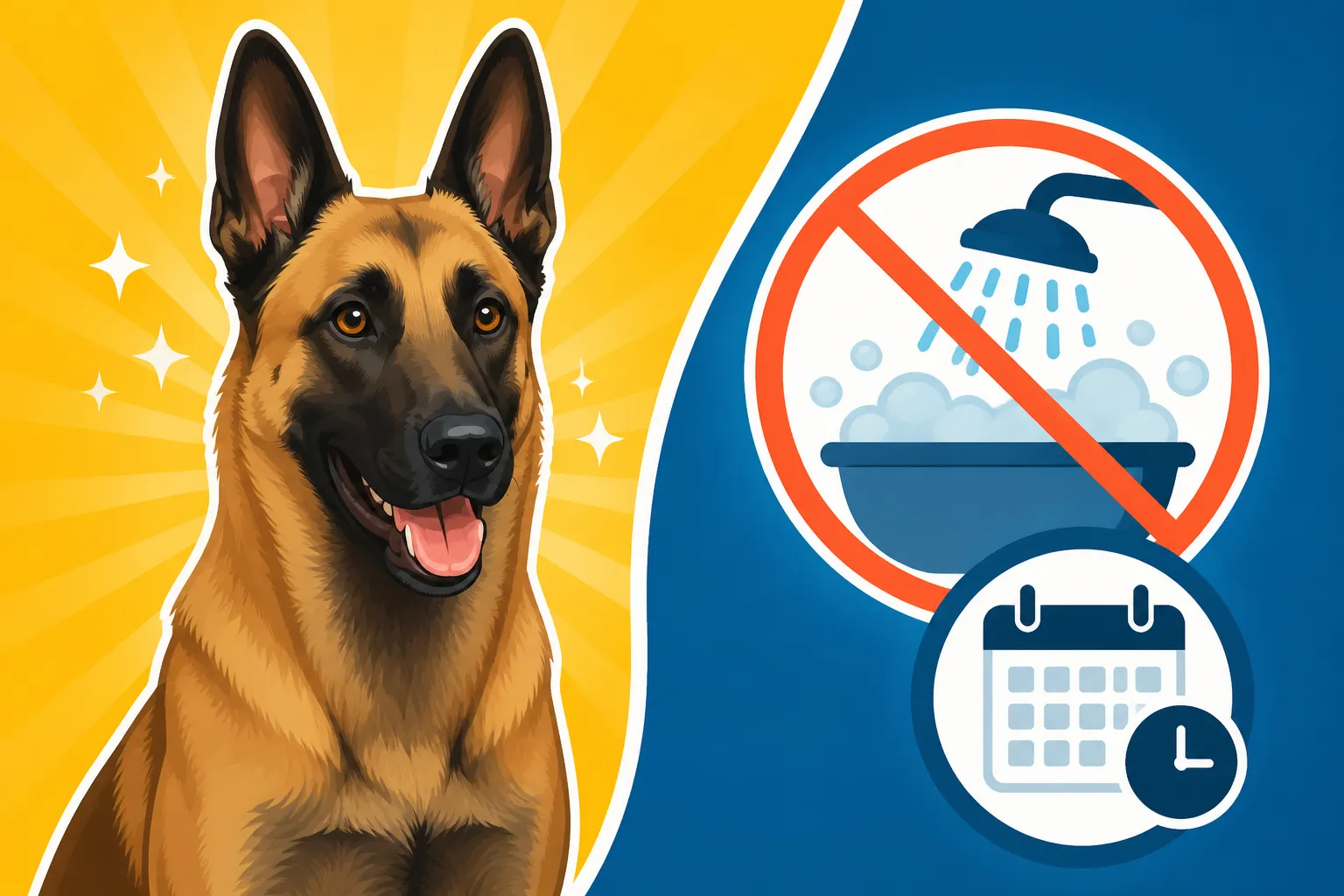
For most Belgian Malinois, a full bath is a rare event, not a regular ritual. If you find yourself bathing your Malinois once a week, or even once a month, you're likely doing more harm than good to their skin and coat health. The goal isn't to make them smell like a bouquet of roses all the time, but to keep them healthy and comfortable. So, when exactly does bathing become a non-negotiable?
The primary reason to bathe your Malinois is when they are genuinely filthy with something that brushing or a simple rinse won't remove, or when they've encountered something potentially harmful or extremely pungent. We're talking about the truly unavoidable scenarios. Think about that moment your Malinois finds a dead animal and decides it's the perfect new cologne, or when they encounter a skunk in the backyard. These are situations where immediate and thorough bathing is absolutely necessary. Nobody wants to live with that smell! Another common culprit is rolling in mud so thick and sticky that it dries into concrete, or getting coated in grease, motor oil, or something similarly stubborn. Sometimes, a particularly adventurous Malinois might find itself covered in sap from a tree or sticky burrs that are embedded in the coat, requiring more than just a quick wipe-down.
Beyond gross encounters, there are also medical reasons a vet might recommend bathing. If your Malinois develops a skin infection, excessive flaking, or a severe allergic reaction causing itching and irritation, your veterinarian might prescribe medicated shampoos or suggest a specific bathing regimen. In these cases, bathing isn't about cleanliness but about therapeutic treatment. Always follow your vet's instructions carefully when dealing with medicated baths, as they are designed to treat specific conditions and often require contact time for the medication to work. It’s a very different process from a regular bath and should only be undertaken under professional guidance. These instances are exceptions to the "rarely bathe" rule, driven by health needs.
A crucial point to remember is that a Malinois's working lifestyle often means they get dirty. They track, they run through brush, they dive into water, they wrestle with decoys. But "dirty" doesn't always equate to "needs a full bath." Often, a simple rinse with plain water will suffice. If your dog just finished a tracking exercise and has mud on their paws and belly, or came back from a swim with pond water on their coat, a hose-down is usually all that's required. You don't need shampoo for every speck of dirt. In fact, many professional handlers and working dog owners will opt for a thorough rinse and a quick towel dry to remove surface contaminants after a session, reserving shampoo for those truly offensive odors or substances. For a highly driven dog that might resist standing still, even a rinse needs careful handling, as discussed in Washing a Malinois That Hates Standing Still.
Here's a quick guide to help you decide:
| Scenario | Recommended Action | Frequency |
|---|---|---|
| Rolling in mud/dust (dry) | Thorough brushing with a slicker brush or curry comb. | As needed, often daily. |
| Rolling in mud (wet/sticky) | Rinse with plain water, towel dry. | As needed, usually after heavy outdoor activity. |
| Encountered skunk/dead animal | Full bath with a deodorizing or specialized shampoo. | Immediately and rarely. |
| Got into grease/oil | Full bath with a degreasing dog shampoo, potentially two washes. | Immediately and rarely. |
| Developed skin irritation/rash | Consult vet; follow medicated bath instructions. | As prescribed by vet. |
| General "doggy" odor | Increase brushing, check diet, consider a spot clean or waterless shampoo for specific areas. Full bath rarely. | Infrequent, maybe every 3-6 months. |
| Just finished working/training | Rinse with plain water, towel dry. | As needed. |
As you can see, a full bath with shampoo is at the bottom of the list for frequency. For a typical Malinois living in a pet home with regular exercise, a full bath might only be necessary a few times a year, or even less, unless an unfortunate incident occurs.
Best Practices for Bathing Your Malinois When You Must
Okay, so the inevitable has happened. Your Malinois has found something utterly disgusting, or your vet has prescribed a medicated bath. Now what? Bathing a Malinois, especially one who isn't thrilled about the process, can be a challenge. It's not just about getting them wet; it's about doing it effectively and with minimal stress for both of you, while protecting their sensitive skin and coat.
First and foremost, gather all your supplies beforehand. There's nothing worse than having a soaking wet, soapy Malinois attempting an escape while you scramble for a towel. You'll need a dog-specific shampoo – never use human shampoo, as our skin pH is different from a dog's, and it can cause irritation. Look for a gentle, hypoallergenic formula if your dog has sensitive skin. Brands like Earthbath or TropiClean are often readily available on places like Chewy and offer good options. If it's a skunk encounter, you'll need a specialized deodorizing shampoo. You'll also want plenty of towels, a good sturdy leash or tether if you're bathing in a tub, and maybe even a slip-resistant mat to prevent slips and falls. A rubber curry brush can also be helpful during the bath to work the shampoo through their dense coat and remove loose hair.
Before you even turn on the water, brush your Malinois thoroughly. This helps remove any loose hair, dirt, and debris that might be trapped in the coat, making the shampoo more effective and preventing matting of shed hair once wet. Even with their short coat, they can shed a surprising amount, and getting rid of that loose hair before the bath is key. When it comes to the water, ensure it's lukewarm – not too hot, not too cold. Start by thoroughly wetting their entire coat, working from the neck back, taking care to avoid getting water directly into their ears or eyes. Many Malinois will be wary of the water, so approach it calmly and patiently. Using a sprayer attachment can be very helpful for deep penetration.
Apply the shampoo, starting from their neck and working your way down their back, sides, legs, and tail. Lather it up well, massaging it into their skin. Pay special attention to areas that tend to get dirtier, like their belly, paws, and undercarriage. For their face, use a damp washcloth with a tiny bit of shampoo, carefully wiping around their eyes and muzzle. If you're using a medicated shampoo, make sure to follow the contact time instructions provided by your vet, which often means leaving the lather on for 5-10 minutes. This is where having some high-value treats or a lick mat smeared with peanut butter can be a lifesaver, helping to keep your Malinois distracted and still during the waiting period. You can find many such grooming aids and specific shampoos on Amazon.
The most critical step in bathing a Malinois is rinsing. And then rinsing again. And then rinsing one more time. Any shampoo residue left on the skin can cause irritation, itching, and dryness, effectively undoing the benefit of the bath and potentially leading to hot spots or other skin issues. Rinse until the water running off their coat is completely clear and you can no longer feel any slickness on their fur. This can take longer than you expect, especially with their dense undercoat. Once thoroughly rinsed, use your hands to squeegee off as much excess water as possible. Then, grab those towels and start drying! Towel dry vigorously, removing as much moisture as you can. If your Malinois tolerates a hairdryer (on a cool or low-heat setting, specifically designed for pets), this can speed up the process and ensure their undercoat is completely dry, which is important to prevent skin issues. For dogs prone to skin issues, or those with very dense coats, ensuring complete dryness is paramount. For example, if your Malinois needs special Medicated Shampoo for an Itchy Malinois, drying thoroughly is even more critical.
Maintaining Freshness Between Washes
Since full baths are (or should be!) rare for a Belgian Malinois, the real secret to a healthy, clean-smelling dog lies in consistent between-bath care. This routine maintenance is what protects their natural skin and coat oils, reduces shedding, and keeps them looking and feeling good. It’s also often far less stressful for them than a full bath.
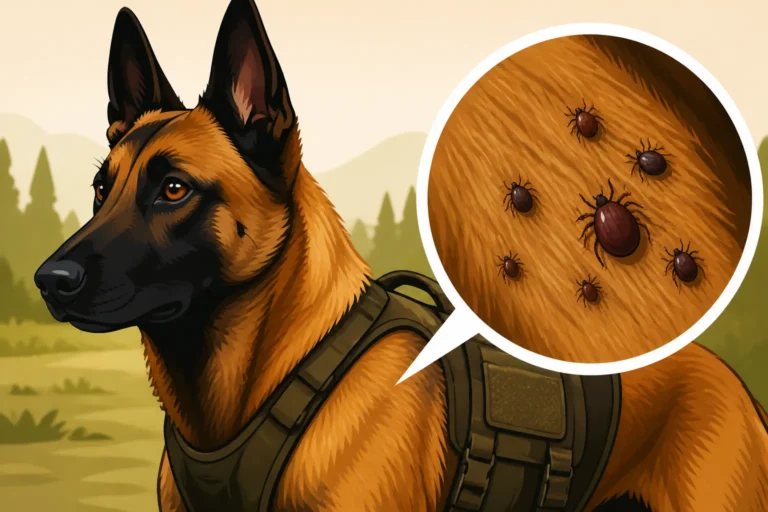
Daily or every-other-day brushing is your best friend. Even with a short coat, Malinois shed year-round, with heavier "blows" a couple of times a year. Regular brushing not only helps manage this shedding, keeping hair off your furniture, but it also stimulates the skin, distributes natural oils, and helps remove surface dirt and dander. A good quality deshedding tool or a rubber curry comb can make a huge difference in keeping their coat healthy and clean. You’ll be surprised how much dust and loose hair comes off even a seemingly clean Malinois. This consistent grooming also gives you an opportunity to check for any lumps, bumps, cuts, or parasites that might be hiding in their fur, which is an important part of overall health monitoring. You might find a favorite grooming brush or comb at your local pet store or easily order one from Chewy.
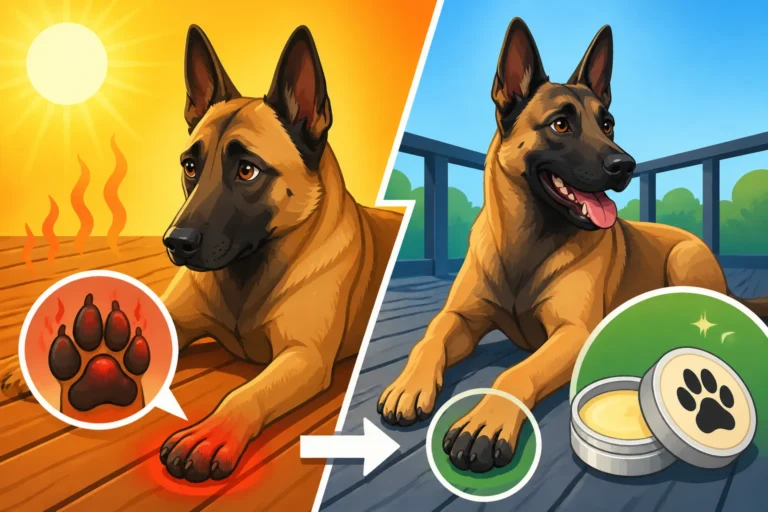
Spot cleaning is another fantastic tool for maintaining freshness. Did your Malinois just drag their belly through something questionable? Instead of a full bath, grab a damp cloth or a pet-specific grooming wipe and clean just the affected area. Paws are notorious for collecting dirt, mud, and sometimes even irritants from outside. A quick wipe down of their paws after outdoor excursions can prevent tracking dirt into the house and keep their feet healthier. Waterless shampoos or deodorizing sprays can also be used sparingly for a quick refresh if your Malinois has a bit of a "doggy" smell but isn't truly dirty. Just spray, massage in, and towel dry. These are excellent for quick touch-ups before company arrives or for refreshing their bedding.
Diet plays a surprisingly significant role in coat health and odor. A high-quality diet, rich in essential fatty acids (like Omega-3s and Omega-6s), can contribute to a healthy, shiny coat and reduce skin issues that might lead to excessive itching or odor. Poor nutrition, on the other hand, can result in a dull, dry coat, excessive shedding, and even skin problems. Consider consulting with your vet about specific dietary supplements, like fish oil, if your Malinois's coat seems lackluster. Some owners swear by fresh food diets, like those offered by Ollie, which can contribute to overall skin and coat vitality. Also, remember to check their ears regularly. Malinois typically have erect ears, which tend to have good airflow and are less prone to infections than floppy ears. However, dirt, wax, or moisture can still accumulate, leading to odor and potential issues if not cleaned periodically. A gentle ear cleaner used with cotton balls, applied as needed, can help keep things fresh. Sometimes, an underlying health issue can cause a persistent odor, as explored in Why a Kenneled Malinois Develops an Odor, so if odor is a chronic problem, a vet check-up is always a good idea. By implementing these practices, you'll find that your Malinois can stay remarkably clean and fresh with minimal full-bath interventions, preserving their natural coat health and saving you a lot of effort.
Disclaimer
This article is for general informational purposes only and does not constitute professional advice. Laws, prices and regulations vary by location and change over time. Consult a qualified professional for guidance on your specific situation.