The Kennel Size a Belgian Malinois Needs
The search for the perfect kennel for your Belgian Malinois can feel like a never-ending quest, often leading to frustration as you navigate a sea of options that never seem quite right for their unique blend of power, intelligence, and boundless energy. It’s easy to feel like you’re doing something wrong when your Malinois escapes, chews through, or simply seems miserable in what was supposed to be their safe space. This guide is here to cut through the confusion, helping you understand precisely what kennel size your Malinois needs to ensure their comfort, safety, and your peace of mind.
The Critical Importance of Correct Kennel Sizing for Your Malinois
When it comes to a Belgian Malinois, a kennel isn't just a box; it's a vital tool for management, safety, and creating a secure den. However, getting the size wrong can quickly turn this beneficial tool into a source of stress, danger, or even behavioral problems. Owners often wrestle with the dilemma of whether bigger is always better, or if a snugger fit is actually more appropriate. The truth, as with most things Malinois, lies in a careful balance dictated by their specific needs.
Why "Just Any Crate" Won't Do for a Malinois
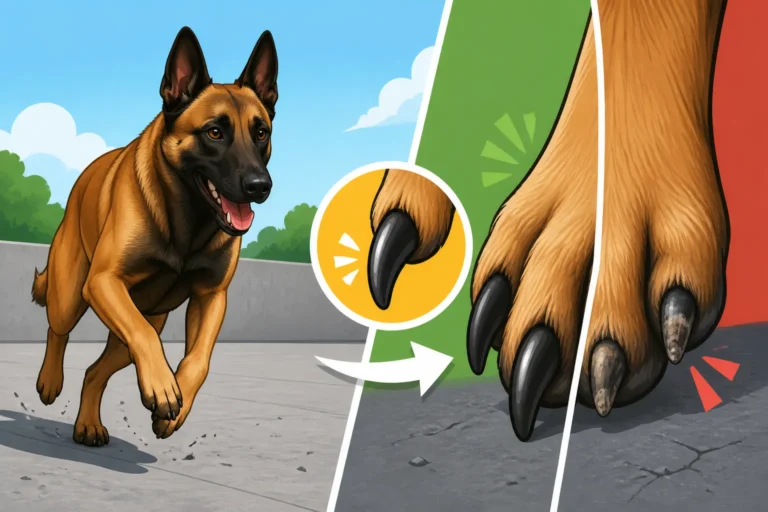
A Belgian Malinois is a powerhouse of a dog, brimming with drive, athleticism, and an impressive capacity for problem-solving. This isn't a breed that passively accepts confinement in a flimsy, ill-fitting kennel. A crate that's too small for your Malinois is more than just uncomfortable; it can lead to severe anxiety, physical strain, and even injuries if they try to force their way out. Imagine trying to sleep in a space where you can barely stretch out your legs, let alone stand up or turn around without bumping into the sides. For a Malinois, this cramped feeling can trigger intense frustration, manifesting as excessive barking, digging, or relentless attempts to escape, often resulting in damaged teeth, paws, or psychological distress.
On the flip side, a kennel that's excessively large might seem like a luxury, but it can actually hinder successful crate training, especially for puppies or dogs still mastering house manners. A vast space can inadvertently encourage your Malinois to designate one end as a sleeping area and the other as a bathroom, defeating the purpose of using the kennel for house-training. It removes the natural denning instinct that makes crates so effective for dogs, which relies on them not wanting to soil their sleeping space. While more space sounds good on paper, it often translates into a lack of the secure, den-like feeling that a properly sized crate provides, potentially making your Malinois feel less safe and more prone to restless behavior.
Behavioral Implications of Inappropriate Kennel Space
The psychological impact of an incorrectly sized kennel on a Belgian Malinois cannot be overstated. These dogs thrive on routine, clear boundaries, and a sense of security. A kennel that is either too small or too large can undermine all of these. If your Malinois perceives their crate as a claustrophobic trap, they may develop intense confinement anxiety, which can spill over into other areas of their life, making them wary of enclosed spaces or even becoming resistant to being crated at all. This can be particularly challenging for working dogs who may need to be crated for transport or during deployments.
Conversely, a kennel that’s too big can fail to provide the comforting, den-like security a Malinois instinctively seeks. Without that defined, cozy space, they might not settle as readily, leading to restless pacing, whining, or even destructive behaviors within the larger enclosure due to boredom or lack of perceived safety. The goal is to create a positive association with their kennel—a place where they can relax, feel safe, and recharge. This positive association is crucial for their overall well-being and for fostering a confident, well-adjusted companion, whether they're a pet or a serious working dog. Think of it as their private bedroom, a place they want to be in, not a prison cell.
How to Measure and Choose the Right Kennel Dimensions
Getting the exact measurements is the single most important step in finding the right kennel. This isn't a "guesstimate" situation; precision is key to ensuring your Malinois is comfortable and secure. Many owners make the mistake of buying based on breed averages or simply what looks "big enough," only to find their dog either cramped or using one end as a potty.
The "Stand, Turn, Lie Down" Golden Rule
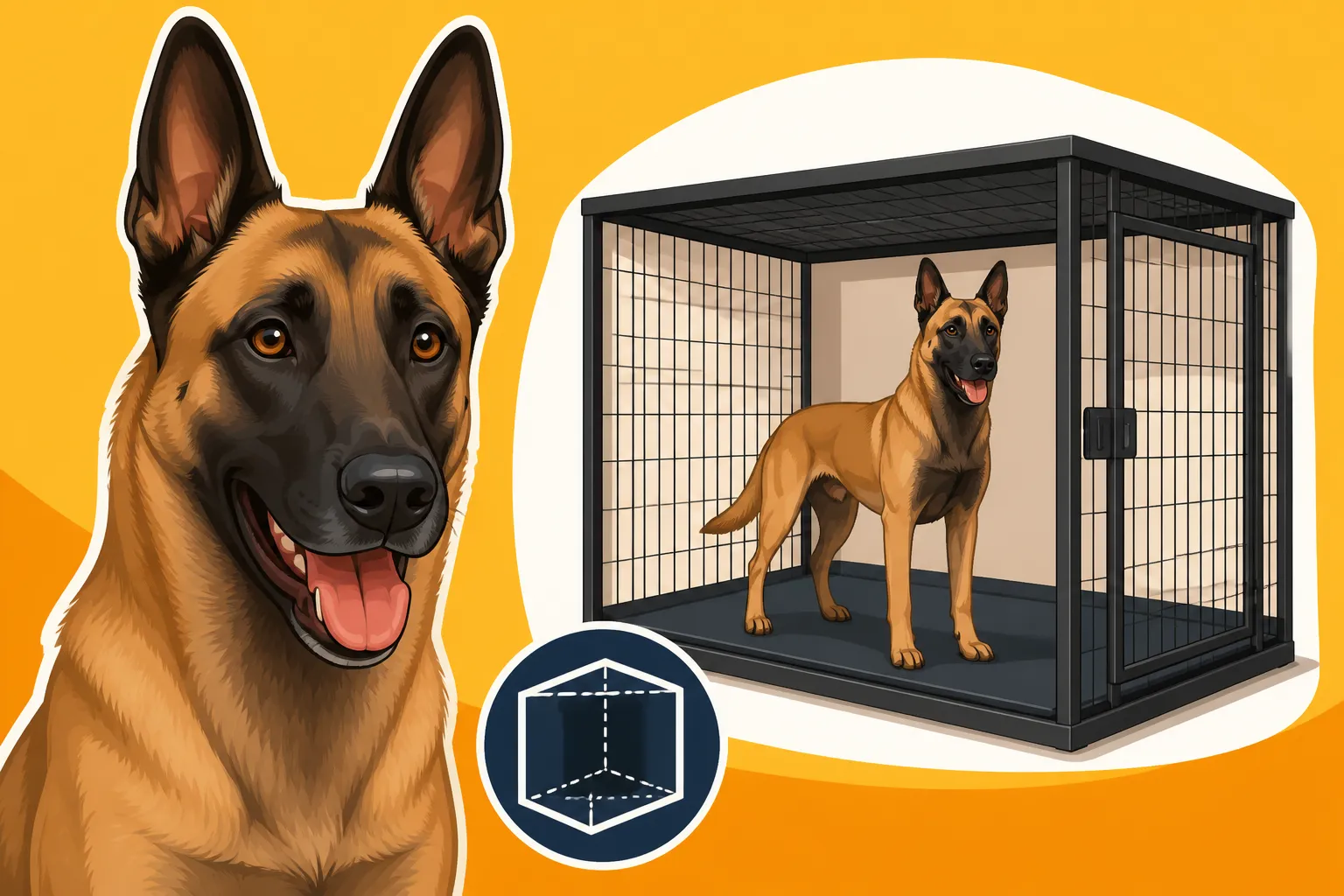
The universally accepted standard for kennel sizing is often called the "stand, turn, lie down" rule. To apply this, you need to accurately measure your Belgian Malinois. First, measure their length: from the tip of their nose to the base of their tail (don't include the tail itself). Then, measure their height: from the top of their head (or the tip of their erect ears, whichever is higher) to the floor while they are standing naturally.
Once you have these measurements, add 4 to 6 inches to both the length and the height. This additional space allows your Malinois to stand up fully without their head touching the top, turn around comfortably without scraping their body, and lie down stretched out on their side with their paws extended. For a male Malinois, who typically weighs 60-80 pounds and stands 24-26 inches tall, this usually translates to a large or extra-large crate, but it’s crucial to measure your individual dog. A female Malinois might be smaller, often in the 40-60 pound range and 22-24 inches tall, requiring slightly different dimensions. Remember, there can be significant variations even within the breed, especially between working and show lines, so always measure your dog. This personalized approach ensures the kennel meets their specific physical needs, promoting comfort and preventing common issues associated with ill-fitting crates.
Adjusting for Growth in a Malinois Puppy
Bringing home a Belgian Malinois puppy is an exciting time, but their rapid growth can make kennel selection tricky. Many new owners are tempted to buy a full-size adult kennel from the get-go, thinking they’re saving money and being prepared. However, a huge crate for a tiny puppy is a recipe for disaster when it comes to house-training. Puppies naturally avoid soiling their sleeping area, but if their crate is so large they can create a "bedroom" and a "bathroom" within it, you'll struggle with accidents and set back your house-training efforts. It’s far better to use a crate that restricts their space just enough to maintain that denning instinct.
The ideal solution for a growing Malinois puppy is a crate with a divider panel. This allows you to adjust the internal space as your puppy grows, gradually increasing the size until they reach their adult dimensions. Start with just enough room for them to stand, turn, and lie down comfortably without extra space. As they grow through The First Year of a Belgian Malinois's Growth, you can move the divider back. Remember that proper development during this period is critical for their joints and overall health, so a comfortable, appropriately sized space is important, but not one that's so large it undermines training or encourages accidents. Pushing a puppy into a too-large space too soon can inadvertently hinder their learning and comfort.
Exploring Different Kennel Types and Their Sizing Nuances
Just as there are different needs, there are different types of kennels, each with its own advantages and sizing considerations. For a Belgian Malinois, the choice isn't just aesthetic; it's about matching the kennel to their temperament, strength, and the specific purpose it will serve. From standard wire crates to heavy-duty escape-proof options and specialized travel carriers, understanding the nuances of each type is essential for making an informed decision.
Wire Crates and Their Versatility
Standard wire crates are a popular choice for many dog owners due to their excellent ventilation, clear visibility, and often collapsible design, making them easy to store or transport. For a Malinois, however, their versatility comes with a caveat: quality and construction are paramount. A flimsy wire crate might be fine for a less driven breed, but a determined Malinois can quickly bend bars, spring latches, or even break out, potentially injuring themselves in the process. When considering a wire crate, look for models with thicker gauge wire, secure double-latch systems, and robust corner welds.
The open design of wire crates can be both a pro and a con for a Malinois. While it allows them to see their surroundings, which some dogs prefer, others might find it too exposed, making them feel less secure. For these dogs, covering the crate with a blanket can help create a more den-like atmosphere, reducing visual stimulation and promoting calmness. Sizing principles remain the same here—ensure your Malinois can comfortably stand, turn, and lie down—but also consider the overall strength and security of the specific model to contain their formidable drive safely.
Heavy-Duty Crates and Outdoor Kennel Runs
For the truly determined Belgian Malinois—the escape artist, the relentless chewer, or the dog with intense separation anxiety—a standard wire crate often isn't enough. This is where heavy-duty crates become a necessity. These are typically constructed from reinforced steel or aluminum, featuring stronger welds, thicker bars, and more secure, often multi-point, locking mechanisms that can withstand significant force. While they often come with a higher price tag, the investment can be invaluable for preventing escapes, injuries, and property damage. Many reputable brands offer these, and you can find a wide range of options on platforms like Chewy or Amazon, often with detailed reviews from other working dog owners.
Outdoor kennel runs, on the other hand, provide a much larger, contained outdoor space for your Malinois. These are fantastic for giving them room to stretch their legs, play, or simply enjoy fresh air in a secure environment. When sizing an outdoor run, you need to think much bigger than an indoor crate. Consider their daily activity level and how much time they'll spend in it. A Malinois needs ample space to run, play, and relieve themselves away from their resting area. Think less "kennel" and more "secure, dedicated yard." Factors like height (to prevent jumping over), digging prevention (buried mesh or concrete aprons), and adequate shelter from the elements are just as critical as the square footage itself. Many owners look into Building a Run a Malinois Cannot Escape to ensure these considerations are met. Moreover, if your Malinois will spend significant time outdoors, you'll need to consider Insulating a Belgian Malinois's Outdoor Kennel to protect them from extreme temperatures.
Travel Crates and Their Specific Sizing Needs
Travel crates present a slightly different sizing challenge, as their primary function is secure transportation, often under specific regulations. Airline-approved crates, for instance, have stringent requirements regarding dimensions, materials, and ventilation, which can sometimes mean a slightly snugger fit than an everyday home crate. While your Malinois must still be able to stand, turn around, and lie down comfortably, the overall external dimensions are often dictated by aircraft cargo hold specifications. It’s imperative to check the airline’s specific policies well in advance of travel, as these can vary significantly.
For vehicle travel, crash-tested transport crates are becoming increasingly popular for their superior safety features. These crates are designed to protect your Malinois in the event of a collision and are often made from high-strength aluminum or reinforced plastic. While still adhering to the "stand, turn, lie down" rule for internal comfort, their external dimensions are often shaped to fit specific vehicle types or cargo areas. This means you might need to measure your car’s available space before purchasing. The snugness in a vehicle crate is a balance; enough room for comfort on longer journeys, but not so much that your Malinois can be thrown around dangerously in a sudden stop or impact. Proper sizing for these specialized crates is a critical safety consideration, as highlighted in topics like Crash Tested Transport Crates for a Malinois.
| Kennel Type | Pros | Cons | Sizing Considerations (Malinois) |
|---|---|---|---|
| Standard Wire | Good ventilation, collapsible, affordable, visible. | Can be flimsy, prone to escapes/damage by strong Malinois, some dogs feel exposed. | Needs thick gauge wire, secure latches. Ensure ample stand/turn/lie room. |
| Heavy-Duty | Extremely durable, escape-proof, built for strong chewers, secure. | Heavier, more expensive, less collapsible, can be less aesthetically pleasing. | Essential for high-drive, escape-prone dogs. Measure precisely for length/height. |
| Plastic/Vari | Den-like feel, good for travel/airlines, lightweight (some models). | Less ventilation/visibility, can be chewed through by determined dogs, harder to clean. | Important for airline compliance. Often snugger, ensure the "stand/turn/lie" rule is met. |
| Outdoor Run | Ample space for exercise, fresh air, secure containment outdoors. | Requires significant space, construction effort, maintenance, weather protection. | Must be large enough for running, playing. Consider height for jumping, digging prevention. |
Beyond Size: Maximizing Comfort and Security in Your Malinois's Kennel
While getting the dimensions right is fundamental, a kennel's effectiveness and your Malinois's willingness to use it go far beyond just size. True comfort and security come from a combination of thoughtful accessories, strategic placement, and a consistent, positive routine. For a breed as sensitive and intelligent as the Belgian Malinois, these "extra" steps can make all the difference in turning a mere enclosure into a cherished den.
Essential Kennel Accessories for Malinois Comfort
Once you have the perfectly sized kennel, outfitting it correctly is the next step to creating a truly inviting space for your Malinois. Bedding is paramount, but for a Malinois, "durable" isn't just a suggestion—it's a requirement. Skip the fluffy, easily shredded beds; look for chew-resistant, robust options that can withstand their powerful jaws and energetic nesting behaviors. Some excellent options are available from brands like Ollie, known for their commitment to quality pet products that stand up to tougher use. Bedding for a Belgian Malinois in a Kennel Run isn't just about softness; it's about longevity and safety.
Beyond bedding, consider an attachable, spill-proof water bowl. This ensures your Malinois has access to fresh water without the risk of tipping over a standard bowl and soaking their bed, which can lead to discomfort and skin issues. And, of course, chew toys are non-negotiable. A stimulating, appropriate chew toy can keep your Malinois mentally occupied, reduce boredom-induced destructive behaviors, and help them burn off excess energy while in their crate. Choose toys specifically designed for power chewers to prevent them from being quickly demolished and potentially ingested.
Placement and Routine for a Successful Kennel Experience
The location of your Malinois's kennel in your home is more important than you might think. A common mistake is banishing the crate to an isolated, forgotten corner. While it shouldn't be in the middle of a chaotic thoroughfare, a good spot is typically in a quiet area that's still central to family activity—like a corner of the living room or a designated room where family spends time. This allows your Malinois to feel like part of the pack without being constantly disturbed, reducing feelings of isolation. Ensure the spot is draft-free, away from direct sunlight or heat sources, and offers a consistent temperature.
Establishing a clear, positive routine around kennel time is absolutely crucial for a Belgian Malinois. Never, ever use the kennel as a punishment. Instead, associate it with positive experiences: a special treat given only in the crate, a favorite long-lasting chew, or a calm period of rest after exercise. Consistent feeding times, scheduled potty breaks immediately before and after kennel time, and regular, structured training sessions that involve their crate will build a strong, positive association. This approach helps your Malinois understand that their kennel is a safe, secure retreat, not a prison sentence. When done correctly, they will willingly enter their kennel, allowing them to relax and giving you a much-needed break, especially when considering The Hours a Malinois Tolerates Being Alone. This positive reinforcement, rather than force, ensures a harmonious relationship with their personal space.
Disclaimer
This article is for general informational purposes only and does not constitute professional advice. Laws, prices and regulations vary by location and change over time. Consult a qualified professional for guidance on your specific situation.