Vehicle Crates for a Belgian Malinois
Traveling with a Belgian Malinois can be a real challenge for even the most experienced owner. Their incredible drive, intelligence, and sheer physical power mean that standard pet carriers and flimsy wire crates just don't cut it, leaving many handlers constantly worrying about their dog's safety – and their own – on the road. This guide is all about finding and utilizing vehicle crates that are truly up to the task of safely transporting your powerful Malinois, ensuring peace of mind whether you're heading to a trial, the vet, or simply on an adventure.
The Unique Challenges of Transporting a Belgian Malinois
Let's be honest, a Belgian Malinois isn't your average dog. Their intensity, their muscular build, and their often laser-focused prey drive mean that what works for a Labrador might be completely inadequate for your Maligator. Many owners have learned this the hard way, with crates being bent, latches chewed through, or escapes orchestrated mid-journey. It’s not about malice; it’s about their inherent nature and immense capability.
Why Standard Crates Fall Short
Imagine being on the highway, perhaps even in an unexpected braking situation. A flimsy plastic airline crate, while suitable for air travel, simply isn't designed to withstand the forces of a vehicle collision or even a sudden stop. The plastic can shatter, the latches can break, and your powerful Malinois can become a projectile, or worse, be severely injured by the failing crate itself. Wire crates, often touted for their ventilation, are even more perilous. In an impact, they can crumple like an accordion, trapping or impaling your dog with sharp metal bars. We all want the best for our dogs, but sometimes, the readily available options just don't meet the demanding needs of this breed. The frustration of trying to find something secure, only to realize most options are built for less intense dogs, is a common one.
Another often overlooked aspect is the sheer force a Malinois can exert from the inside. A dog that decides it doesn't want to be confined, or one experiencing anxiety or high arousal, can easily test the limits of a standard crate. We've heard stories of dogs bending heavy gauge wire, ripping plastic seams, or even figuring out complex latches. This isn't just an inconvenience; it's a safety hazard if they manage to escape into the vehicle while you're driving, creating a massive distraction and risk for everyone on board.
The Dangers of Unsecured Pets in Vehicles
Beyond the crate's integrity, the way it's secured within your vehicle is paramount. An unsecured crate, even a robust one, can slide, tip, or become a projectile during a sudden stop or collision. Think about the physics: a seventy-pound Malinois inside a twenty-pound crate becomes a ninety-pound mass moving at speed. In a crash, that force multiplies exponentially. This isn't just dangerous for your dog; it's a severe risk to human passengers as well. People often picture their dog riding happily in the back seat, perhaps tethered to a seatbelt, but even that can lead to catastrophic injuries for the dog in an impact. For a breed as driven and powerful as the Malinois, robust containment isn't just a suggestion; it's a necessity for everyone's well-being. This is why discussions about Crash Tested Transport Crates for a Malinois are so vital.
Decoding Crash-Tested Crates: Essential Features for Malinois Safety
When it comes to vehicle crates for your Belgian Malinois, the term "crash-tested" isn't just a marketing buzzword; it's a critical indicator of safety. These aren't your typical crates; they are engineered with specific features to protect your dog in the event of a collision.
Understanding Crash Testing Standards
Unfortunately, there isn't one universal, federally mandated crash test standard for pet crates in the same way there is for child car seats. However, several independent organizations, like the Center for Pet Safety (CPS), have developed rigorous testing protocols based on industry standards used for human safety restraints. When a crate is advertised as "crash-tested," it's crucial to look into which standard it was tested against and how it performed. A truly reliable crash-tested crate will have been subjected to dynamic crash simulations that mimic real-world collision forces. They'll often provide clear documentation and video evidence of their testing, showing how the crate maintains its integrity and protects the dog surrogate inside. This transparency is key.
Key Features to Look For
So, what should you be looking for in a vehicle crate designed for your Malinois?
Material and Construction
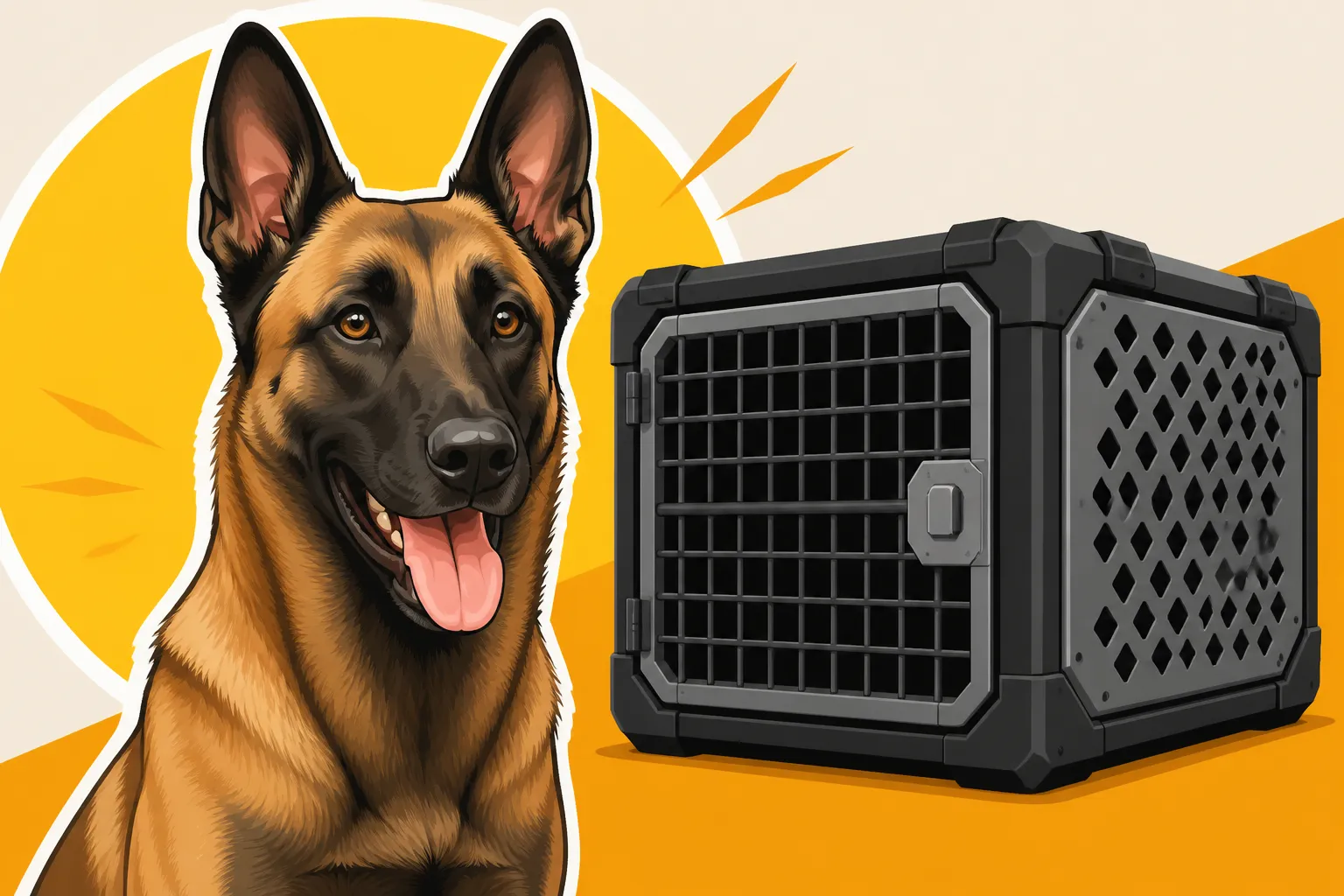
Forget plastic and wire for serious vehicle transport. The gold standard for crash-tested crates is typically aluminum or heavy-gauge steel.
- Aluminum crates are often preferred for their strength-to-weight ratio. They are robust, corrosion-resistant, and lighter than steel, making them easier to move in and out of the vehicle. High-quality aluminum crates are constructed with reinforced seams and often have a "crush zone" designed to absorb impact energy, much like crumple zones in cars. This means the crate might deform slightly in a severe crash, but it protects the interior space where your dog is.
- Heavy-gauge steel crates can also be very strong, but they tend to be significantly heavier. If you opt for steel, ensure it's designed specifically for vehicle impact, not just heavy-duty kennel use. The construction should be fully welded, not bolted together, to prevent joints from failing under stress.
Latch Systems and Doors
A Malinois is smart and powerful. A simple spring latch or plastic clips won't cut it. Look for:
- Heavy-duty, robust latches: These should be made of metal, preferably with a double-locking mechanism or a substantial spring-loaded design that requires deliberate action to open. They should be resistant to prying or accidental opening.
- Reinforced doors: The door itself should be as strong as the rest of the crate, made from the same sturdy material, and fit snugly within the frame. There should be no weak points where a determined Malinois could push or chew its way out.
- Escape-proof design: Beyond latches, consider any gaps or weak points where a Malinois might try to exploit. The overall construction should be seamless and resistant to bending or forcing.
Tie-Down Points and Anchoring
Even the strongest crate is useless if it's not securely fastened. Crash-tested crates come with integrated tie-down straps or points that allow you to anchor the crate directly to your vehicle's cargo tie-downs. These typically involve sturdy straps or carabiner systems that attach to anchor points in your trunk or SUV cargo area. Don't underestimate this step; it's just as vital as the crate's construction itself. Without proper anchoring, the crate becomes a dangerous projectile.
Ventilation and Climate Control
While safety is paramount, ensuring your Malinois remains comfortable is also important, especially if you're traveling long distances or in varying climates. Look for:
- Ample airflow: Aluminum crates often feature slatted sides or large ventilation holes. This is crucial for keeping your dog cool, particularly a hard-working Malinois that can generate a lot of body heat.
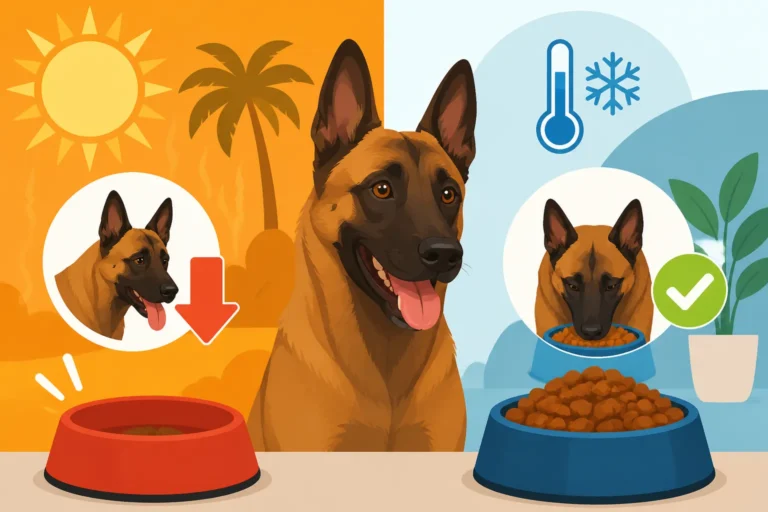
- Consideration for external factors: Remember that crates can trap heat or cold. If your vehicle lacks sufficient airflow to the cargo area, or if you plan to transport your Malinois in extreme temperatures, you might need to consider additional measures. For example, some owners use Vehicle Heat Alarms for a Belgian Malinois in a Car to monitor the temperature in the cargo area and alert them to dangerous conditions.
Consider reputable brands known for their crash-tested designs. While I can't name specific models or prices, looking at options available on platforms like Chewy or Amazon and focusing on brands that explicitly market "crash-tested" or "CPS-certified" crates is a good starting point for your research. Always verify their claims with the actual test results.
Choosing the Right Size and Ensuring Proper Installation
Selecting the right size crate for your Belgian Malinois is more nuanced than just "big enough." For safety and comfort, there's a sweet spot. Then, securing that crate properly is non-negotiable.
Crate Sizing for Your Malinois
A common misconception is that bigger is always better for a crate. While your Malinois certainly needs room to stand up, turn around, and lie down comfortably, an excessively large crate can actually be less safe in a vehicle. In a large crate, your dog has more room to be tossed around during a sudden stop or impact, increasing the risk of injury. The goal is to provide just enough space for comfortable movement, but not so much that they can build up momentum if the vehicle jolts.
Here's a general guideline:
- Standing: Your Malinois should be able to stand at full height without their head touching the top of the crate.
- Turning: They should be able to turn around easily without having to contort themselves.
- Lying Down: When lying down in a natural position, they should have a few inches of space around them.
Take accurate measurements of your dog's length from nose to tail base, and their height from the top of their head to the floor when standing. Add a few inches to these measurements to find the ideal internal dimensions of the crate. Remember, this isn't a permanent kennel in your yard; it's a safety device for travel. For more on sizing, you might want to review The Kennel Size a Belgian Malinois Needs, though vehicle crates have slightly different considerations due to impact safety.
Step-by-Step Installation and Security
Once you've invested in a quality crash-tested crate, its proper installation in your vehicle is paramount. This isn't just about preventing it from sliding; it's about making it part of your vehicle's safety system.
- Placement in Vehicle: The safest place for a large dog crate is typically in the cargo area of an SUV, hatchback, or truck bed (if designed for that, with appropriate climate control and security). Avoid placing it in the back seat unless the crate is specifically designed for seatbelt attachment and restraint, which is rare for Malinois-sized crates. In a cargo area, place the crate against the back of the rear seats, if possible, to minimize forward movement.
- Utilize Tie-Down Anchors: Most SUVs and trucks have metal tie-down anchors in the cargo floor. These are what you'll use. Loop the heavy-duty straps provided with your crash-tested crate through these anchors and cinch them down tightly. The crate should not be able to shift even an inch in any direction. Some crates have multiple attachment points – use them all.
- Check for Movement: After installation, try to push and pull the crate from all directions. It should feel like it's part of the vehicle, with minimal to no wobble. If it moves, tighten the straps further or re-adjust the placement.
- Consider Anti-Slip Mats: While not a substitute for tie-downs, an anti-slip mat placed under the crate can add an extra layer of stability, especially if your cargo area has a slick surface. This helps prevent minor shifts and vibrations during normal driving.
Don't skip these steps. An improperly secured crate negates much of the safety benefit of buying a crash-tested model. Think of it as installing a child seat – precision and tightness are key.
Making the Vehicle Crate a Den, Not a Dungeon
For a high-drive Belgian Malinois, being confined in a crate, especially in a moving vehicle, can be incredibly stressful if not introduced correctly. The goal is to make the vehicle crate a comfortable, safe den where they feel secure, not a punishment. This is particularly important for dogs that struggle with confinement or travel anxiety.
Positive Crate Association for Travel
Starting early and building positive associations is vital. Don't wait until the day of a long trip to introduce the vehicle crate.
- Introduce it at home first: Before it even goes in the car, let your Malinois explore the crate in a calm environment. Feed meals near it, toss treats inside, and practice short stays with the door open, then closed for very brief periods.
- Transfer positive associations to the vehicle: Once your Malinois is comfortable with the crate itself, move it into the vehicle, but don't immediately go for a drive. Let them get in and out, give them high-value treats (like a stuffed Kong or a chew that won't splinter), and praise them for being calm inside. Even just sitting in the parked car with them crated for a few minutes can build confidence.
- Short, pleasant drives: Start with very short drives around the block, always ending with something positive like a favorite game or a walk in a fun spot. Gradually increase the duration and distance of these drives. The idea is to build a history of good experiences. If your Malinois is one to "scream" in their crate, you'll find plenty of helpful advice in Crate Work With a Malinois Puppy That Screams.
- Comfort items: Include a familiar, washable blanket or a chew-proof bed inside the crate. This provides comfort and helps absorb some of the bumps of the road. However, be mindful of what you put in there; avoid anything that could become a choking hazard or easily destroyed by a bored or stressed Malinois. For durable options, you might look into What a Chew Proof Malinois Bed Costs.
Managing Stress and Overheating During Travel
Even with positive conditioning, travel can be stressful for some Malinois. Their high energy and vigilance can make them prone to anxiety or discomfort.
- Pre-travel exercise: A good, solid training session or vigorous exercise before travel can help take the edge off a high-energy Malinois. A mentally and physically tired dog is more likely to settle. However, be careful not to over-exercise right before a trip, especially in warm weather, as this can increase the risk of Whether a Belgian Malinois Overheats in a Car.
- Calming aids: For some dogs, a veterinarian might recommend calming supplements or pheromone sprays to help reduce travel anxiety. Discuss these options with your vet to find what might be appropriate for your particular Malinois.
- Regular breaks: On longer journeys, plan for regular breaks where your Malinois can stretch their legs, relieve themselves, and get a drink of water. Always keep them on a leash in unfamiliar areas, and be mindful of their high drive. Even a well-trained Malinois can get distracted.
- Climate control: Ensure the cargo area remains well-ventilated and at a comfortable temperature. On hot days, use your vehicle's air conditioning effectively. Never leave your Malinois unattended in a vehicle, even for a short time, as temperatures can rise rapidly to dangerous levels. Consider adding a vehicle heat alarm as an extra layer of protection, which can be found from various pet supply retailers on platforms like Amazon.
Making the vehicle crate a positive, safe experience is an ongoing process that reinforces your Malinois's trust in you and ensures their well-being on every journey. This dedication to their care reflects the deep bond you share.
Disclaimer
This article is for general informational purposes only and does not constitute professional advice. Laws, prices and regulations vary by location and change over time. Consult a qualified professional for guidance on your specific situation.