The Harsh Outer Coat a Malinois Should Carry
Many new Belgian Malinois owners find themselves surprised by their dog's coat. They might have envisioned something soft and cuddly, perhaps based on other shepherd breeds, only to discover a rather stiff, almost bristly outer layer. This unexpected texture can lead to questions about whether their dog’s coat is healthy or typical for the breed. This guide will dive deep into understanding the characteristic "harsh outer coat" of the Belgian Malinois, explaining what it means, why it’s crucial for their original purpose, and how to properly care for it.
Understanding the Malinois's Distinctive Harsh Outer Coat
When we talk about a Belgian Malinois having a "harsh outer coat," we're not just throwing around a fancy breed term. It describes a very specific, functional type of fur that is paramount to the breed's historical role and overall health. It's a key identifier of a true Malinois, and understanding it can save you a lot of guesswork when it comes to grooming and even assessing your dog's well-being.
What "Harsh" Truly Means for a Malinois
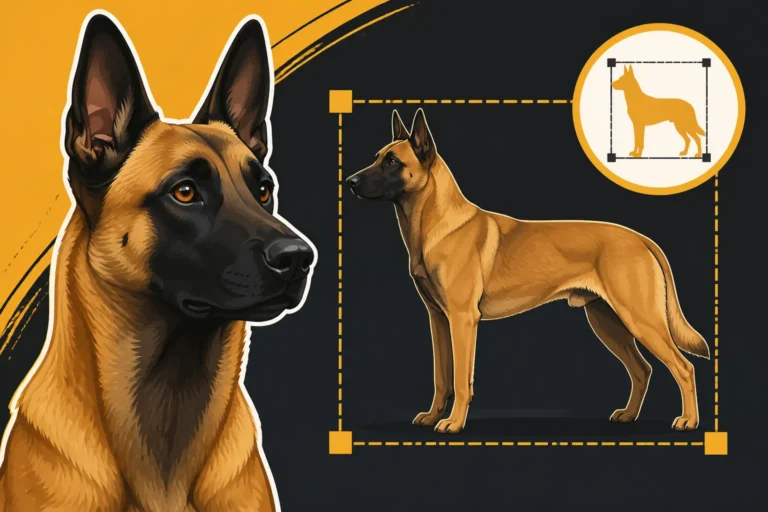
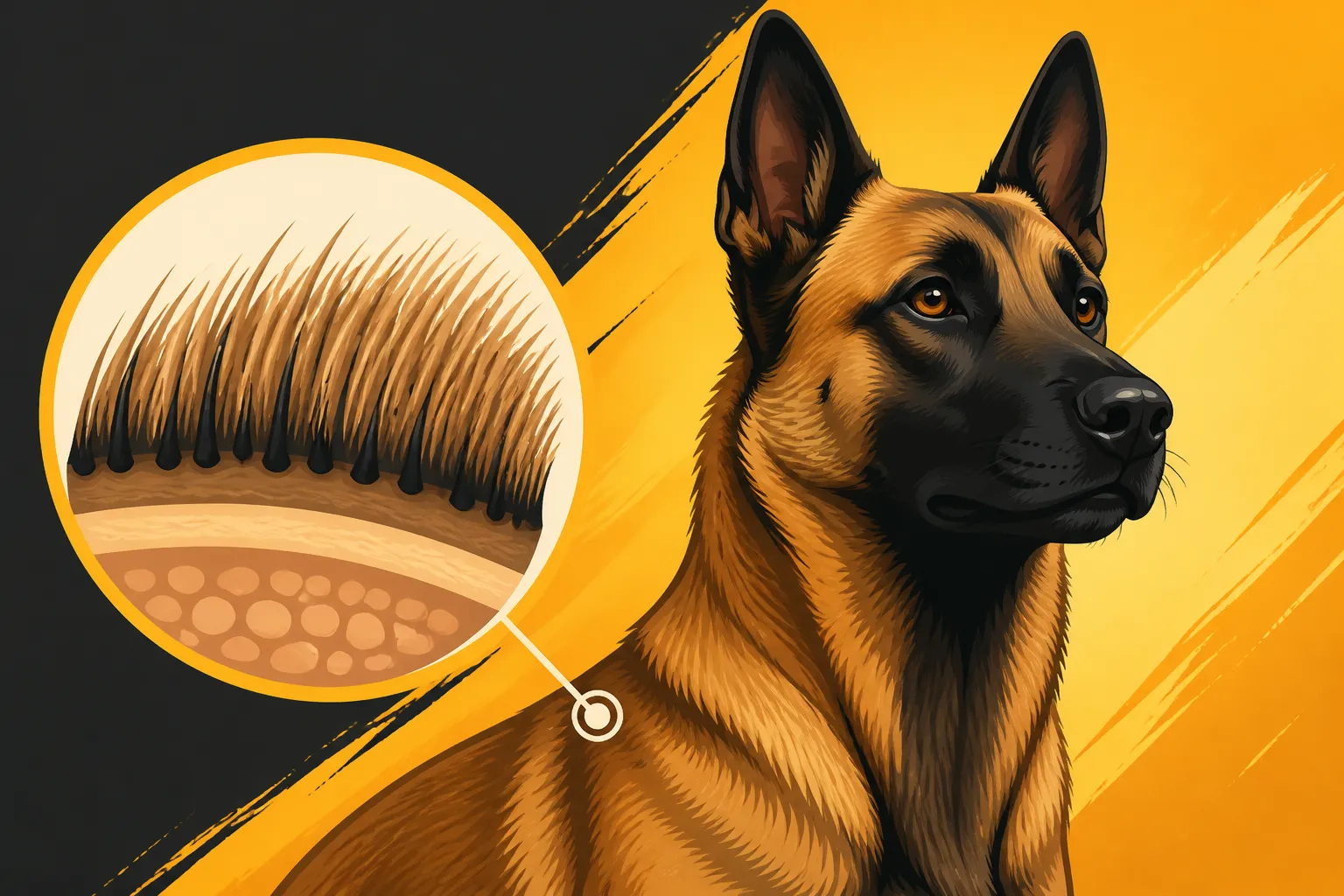
The term "harsh" might sound a bit unwelcoming, making you imagine a coat that’s uncomfortable to touch. However, for a Malinois, it means resilient and protective. Picture individual guard hairs that are strong, straight, and firm to the touch, not soft or silky. These hairs should lie flat and close to the body, creating a smooth, streamlined silhouette. They aren't coarse in the way a terrier's wire coat might be, but they definitely aren't fluffy. This texture is designed to repel water, brush away debris, and provide a formidable barrier against minor scrapes and environmental irritants. It's a working coat through and through, prioritizing function over a plush feel.
The Double Coat Advantage: Guard Hairs and Undercoat
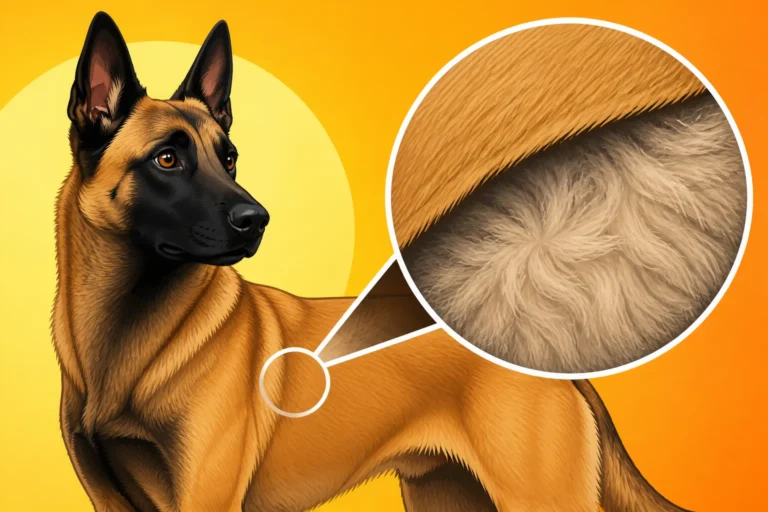
Underneath that protective outer layer, a healthy Belgian Malinois also carries a dense, soft undercoat. This is the "double coat" that provides insulation against both cold and heat. The harsh outer guard hairs act like a shingle roof, shedding water and protecting the softer, woollier undercoat beneath. The undercoat, in turn, traps air, keeping the dog warm in winter and helping to regulate body temperature in warmer climates by preventing heat from penetrating directly to the skin. It’s a remarkable natural system. You can feel this difference when you run your hand against the grain of the fur; the outer hairs resist, while a softer fluff becomes apparent closer to the skin. This combination is what allows them to work efficiently in various conditions without easily getting chilled or overheated. For a deeper dive into this inner layer, check out our piece on The Undercoat Hidden in a Malinois's Short Coat.
Function Over Form: Why This Coat Type is Essential
The harsh outer coat isn't just an aesthetic choice; it’s a living testament to the Malinois's heritage and purpose. Every strand plays a role in how effectively these dogs perform their demanding jobs, whether it's herding sheep or apprehending suspects.
Built for Work, Not Just for Looks
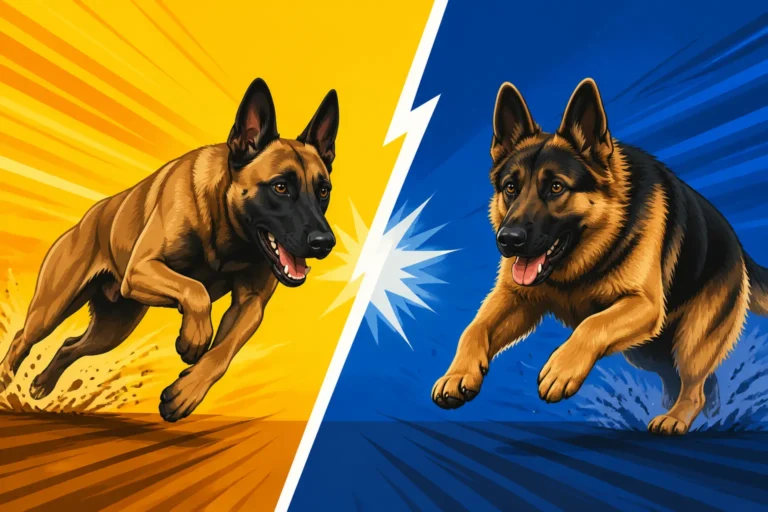
Think about the original purpose of the Belgian Malinois: a diligent, robust herding dog in the tough Belgian climate, and later, an elite working dog in police and military roles. Their coat was never about being pretty or luxurious; it was about survival and efficiency. A harsh, water-resistant outer coat means they can withstand long hours outdoors, regardless of the weather. It means thorny bushes in a field don't easily snag their fur, and a sudden downpour doesn't soak them to the bone instantly. Their sleek, close-lying coat also minimizes opportunities for adversaries in protection work to get a grip on their fur, making them harder to hold onto. This coat is a crucial piece of their protective gear, allowing them to focus on the task at hand rather than being bothered by environmental discomforts.
Protection from the Elements
From the biting winds of a European winter to the scorching sun of a summer training field, the Malinois's coat is their first line of defense. The harsh texture and density of the outer coat, combined with the insulating undercoat, offer significant protection. In cold weather, it keeps them surprisingly warm, even with their relatively short fur. This is why you'll often see them unfazed by chilly temperatures that would have other short-coated breeds shivering. If you’re curious about their resilience in cold, we have an article dedicated to Cold Tolerance in a Short Coated Belgian Malinois. Conversely, in the heat, the coat provides a barrier against direct sun exposure, helping to prevent sunburn and regulate body temperature. It's a natural form of climate control, perfectly adapted for a dog that needs to be ready for action in any environment.
Practical Care for a Harsh Malinois Coat
Caring for a Malinois's coat might seem straightforward because it's short, but there are nuances to maintain its health and functionality. Neglecting it can lead to skin issues, excessive shedding, and a dull, unhealthy appearance.
Grooming Needs for a Healthy Coat
Despite the "harsh" description, the Malinois coat is surprisingly low maintenance when it comes to daily grooming. Unlike their long-haired Belgian Shepherd cousins, they don't typically require extensive brushing sessions to prevent mats or tangles. However, regular brushing is still crucial. A good stiff bristle brush or a rubber curry comb can help remove loose hairs, stimulate circulation, and distribute natural skin oils. During non-shedding periods, a quick brush a couple of times a week is often sufficient. For those times when you need to really get into the undercoat, especially during seasonal shedding, a specialized de-shedding tool can be incredibly effective. Products available on sites like Chewy, such as the Furminator or various deshedding rakes, are excellent for this purpose.
Shedding Realities: Managing the Malinois "Fur-nado"
Ah, shedding! This is where many new Malinois owners get a rude awakening. Despite their short coats, Belgian Malinois can be prolific shedders. They typically "blow their coat" twice a year, usually in spring and fall, when they shed their undercoat to adapt to the changing seasons. During these periods, you might feel like you're living in a snow globe of dog hair. Daily, sometimes twice-daily, brushing with a suitable tool is highly recommended. Not only does this reduce the amount of hair floating around your house, but it also helps the new coat come in healthier. Outside of these major shedding events, they still shed moderately year-round. It's just the nature of having a double coat! Our article on The Season a Malinois Sheds Worst offers more insights into managing these times.
Here’s a quick overview of essential grooming tools for your Malinois:
| Tool Type | Purpose | Usage Frequency | Notes |
|---|---|---|---|
| Rubber Curry Comb | Loosens dead hair, massages skin, good for baths | Daily/Every other day | Gentle, good for short coats, helps with dirt removal. |
| Slicker Brush | Removes loose topcoat hair, smooths | 2-3 times a week (or daily during shedding) | Good for general upkeep, use gently to avoid skin irritation. |
| De-shedding Tool | Removes significant undercoat during shedding seasons | 1-2 times a week (during shedding) | Highly effective for "blowing coat." Brands like Furminator are popular. Available at Chewy. |
| Bristle Brush | Polishes coat, distributes oils, light shedding | Daily | Great for finishing touches and daily smoothing. |
| Nail Clippers/Grinder | Keeps nails trimmed to prevent discomfort | As needed (typically every 2-4 weeks) | Crucial for paw health and comfort. |
Bathing and Skin Health
The good news is that Malinois don't typically need frequent baths, thanks to their self-cleaning, harsh outer coat. Over-bathing can strip the natural oils that contribute to their coat's protective qualities and can lead to dry, irritated skin. Generally, a bath every 2-3 months, or when they've truly gotten into something foul, is sufficient. When you do bathe your Malinois, use a high-quality dog shampoo that is gentle and moisturizing. Make sure to rinse thoroughly to avoid any residue that could irritate the skin or dull the coat. After bathing, towel dry vigorously, and if the weather is cool, ensure they are fully dry before letting them outdoors to prevent chilling. For more on keeping them clean, see How Rarely a Malinois Coat Needs Washing.
Spotting the Ideal Malinois Coat vs. Deviations
Understanding what a proper Malinois coat should look like is important for several reasons. It speaks to the breed standard, provides clues about your dog's overall health, and helps distinguish a well-bred Malinois from one with less desirable coat characteristics.
The Breed Standard Description
The official breed standards for the Belgian Malinois consistently describe a short, straight, harsh outer coat with a dense undercoat. The coat should lie flat against the body, with a slight ruff around the neck, and slightly longer hair on the tail and hindquarters, often referred to as "feathering" but it’s still short and harsh, not flowing. The texture is often emphasized over length. A coat that is too soft, too silky, or too long would be considered a deviation from the ideal. This specific description is rooted in functionality, ensuring the dog is equipped for its intended work.
What an Incorrect Coat Might Look Like
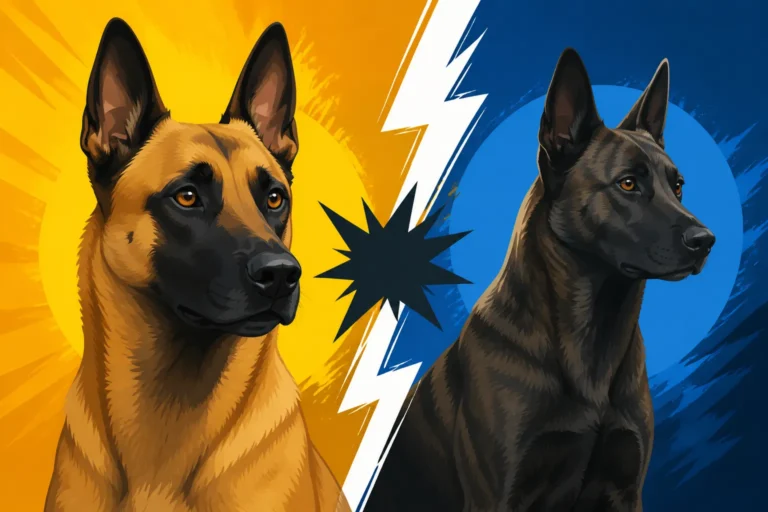
A coat that deviates significantly from the harsh, short standard can manifest in a few ways. You might see a coat that is too soft and plush, lacking the protective stiffness of the guard hairs. Sometimes, a Malinois might have an overly long coat, especially on the body, which is a disqualifying fault in the show ring and generally indicative of a different genetic background, perhaps leaning towards the Tervuren variety. Our article Whether a Long Coated Malinois Is Purebred delves into this distinction. A coat lacking a dense undercoat would also be considered incorrect, as it compromises the dog's ability to insulate itself. These deviations aren't just cosmetic; they can impact the dog's ability to withstand environmental stressors and perform demanding tasks comfortably.
Coat Health as an Indicator of Overall Well-being
A dull, dry, brittle, or excessively shedding coat outside of seasonal blow-outs can be a red flag. It often indicates underlying health issues, nutritional deficiencies, or even stress. A healthy Malinois with a well-maintained coat should have a vibrant, resilient sheen to its harsh outer layer. Their skin should be supple and free of flakes, redness, or bumps.
Ensuring your Malinois receives a balanced, high-quality diet rich in essential fatty acids is paramount for coat health. Many owners opt for performance formulas, readily available from retailers like Chewy, to meet the high energy demands of this active breed, which in turn supports a healthy coat. If you notice a sudden change in coat texture, excessive shedding, or skin irritation, it's always wise to consult your veterinarian to rule out any medical causes. Proper nutrition, regular exercise, and consistent, appropriate grooming are all interconnected in keeping that harsh, functional coat in prime condition. Understanding their coat is just one piece of the puzzle in appreciating the incredible robustness and capability of the Belgian Malinois.
Disclaimer
This article is for general informational purposes only and does not constitute professional advice. Laws, prices and regulations vary by location and change over time. Consult a qualified professional for guidance on your specific situation.