The Cost of Treating a Malinois’s Torn Shoulder
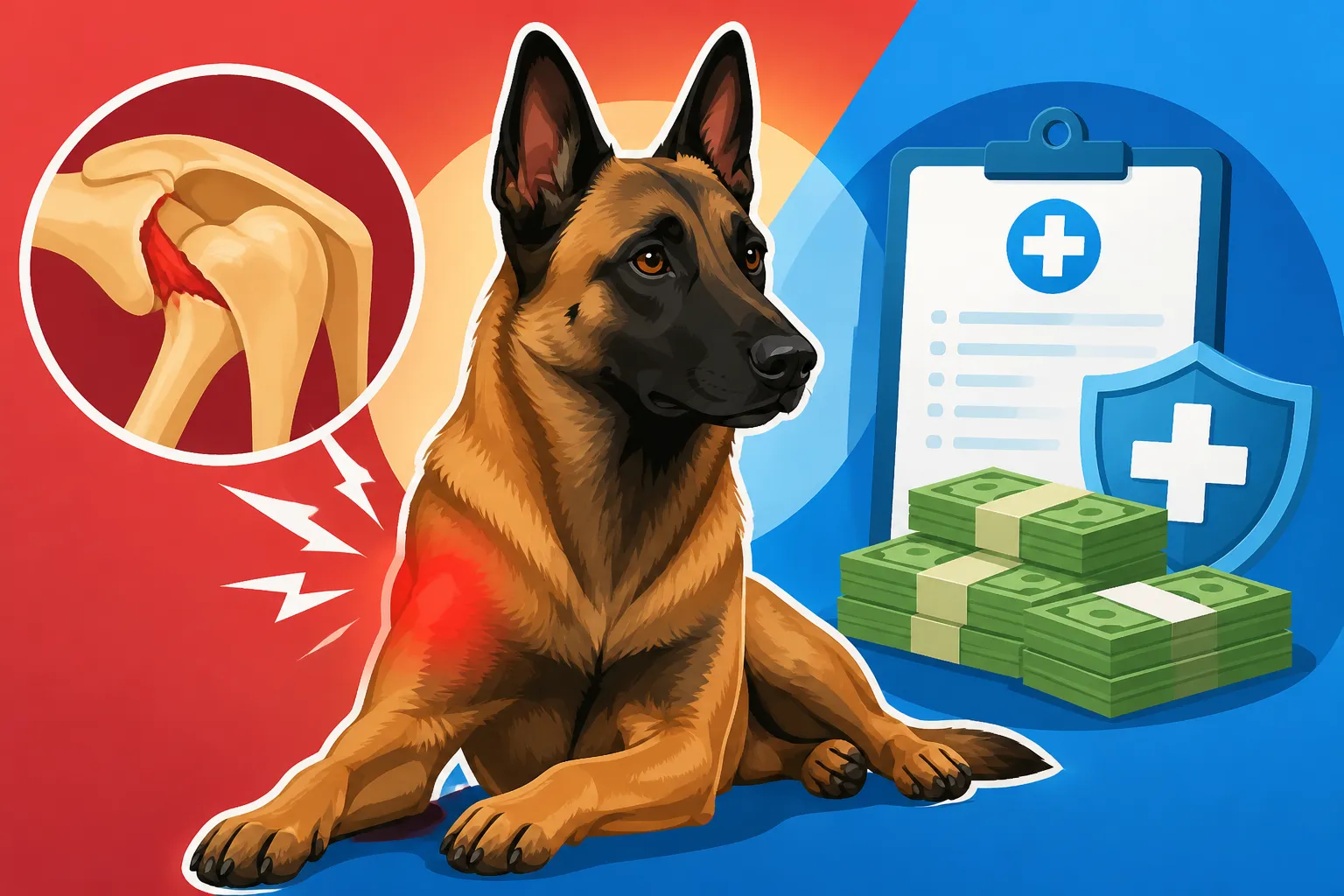
It's every Malinois owner's worst nightmare: your typically tireless partner suddenly comes up lame after a training session, or worse, during a critical moment of intense work. That tell-tale limp, the reluctance to put weight down, or the subtle shift in gait can send a wave of panic through you, especially when you suspect a shoulder injury. The immediate questions aren't just about recovery, but about the overwhelming financial burden that might be heading your way. This guide is here to walk you through the potential costs involved in treating a Belgian Malinois's torn shoulder, from initial diagnosis to long-term recovery, so you can face it with a bit more clarity.
Understanding the Shoulder: Why Malinois Are Prone to Injury
The shoulder joint in a dog, particularly an athletic, high-drive breed like the Belgian Malinois, is a complex marvel of ligaments, tendons, muscles, and bones, all working in concert to allow incredible range of motion and powerful propulsion. Unlike a human shoulder that’s largely supported by a collarbone, a dog's shoulder is primarily connected to the body by muscle, offering amazing flexibility but also making it susceptible to strain and tears when put under extreme stress.
Common Shoulder Injuries in Working Malinois
When we talk about a "torn shoulder," it's often a catch-all term for several specific injuries. Malinois, with their explosive power, high jumps, and rapid changes in direction, are unfortunately prime candidates for these types of issues.
- Bicipital Tenosynovitis: This is an inflammation or tear of the biceps tendon, which runs through a groove at the top of the humerus. It’s frequently seen in active dogs and often results from repetitive strain or an acute, forceful movement, like landing hard after a jump or pulling aggressively on a lead. Imagine the sheer force a Malinois puts into a bite on a sleeve – that can easily create micro-tears or exacerbate existing inflammation.
- Supraspinatus Tendinopathy: This involves the supraspinatus tendon, crucial for extending the shoulder and stabilizing the joint. Again, repetitive high-impact activities, such as repeated jumps or rapid direction changes during agility or protection work, can lead to chronic inflammation and eventual calcification or tearing of this tendon. It's the kind of subtle injury that can build up over time before presenting as an obvious lameness.
- Medial Shoulder Instability (MSI): This is a more complex issue where the structures stabilizing the inside of the shoulder joint become damaged, often leading to subtle lameness or instability. It can be particularly tricky to diagnose because the signs might be intermittent or vague at first, often dismissed as just general soreness. Over time, it can progress to more significant lameness as the integrity of the joint continues to degrade. This is often seen in dogs that engage in a lot of lateral motion and quick turns, common in many dog sports.
The nature of their work—whether it's military, police, sport, or even intense recreational activity—puts immense pressure on these structures. A misstep on uneven terrain, a hard impact during a decoy engagement, or even just cumulative wear and tear can lead to a significant injury. It's a testament to their drive that they often try to work through the pain, making it even harder for us to spot early. This is why paying close attention to any Shoulder Injuries a Malinois Takes From Decoy Work or other strenuous activities is absolutely vital.
The Diagnostic Journey and Associated Costs
Once you notice that tell-tale limp, your immediate thought is getting your Malinois to the vet. This initial visit is just the beginning of what can be a prolonged diagnostic process, each step adding to the overall cost. The goal is to pinpoint the exact nature and severity of the injury, which isn't always straightforward with soft tissue damage.
Initial Veterinary Consultation and Imaging
Your first stop will be your regular veterinarian. They’ll perform a thorough physical examination, observing your dog's gait, palpating the shoulder, and manipulating the joint to assess range of motion and pain response. They might suspect a soft tissue injury but often can't confirm it without further diagnostics.
- X-rays: Your vet will almost certainly recommend X-rays of the shoulder. While X-rays are excellent for identifying bone fractures or severe arthritis, they aren't ideal for seeing soft tissue damage like torn tendons or ligaments. However, they are crucial for ruling out other issues and checking for secondary changes in the bone that might indicate chronic soft tissue problems. The cost here covers the radiographs themselves, sedation (which a high-drive, possibly painful Malinois might absolutely require), and the vet's interpretation.
- Referral to a Specialist: If X-rays are inconclusive but a soft tissue injury is strongly suspected, your regular vet will likely recommend a referral to a board-certified veterinary orthopedic surgeon or a sports medicine specialist. This specialist consultation will involve another comprehensive exam, often more nuanced, and further diagnostic recommendations. These specialist consultations can have a significant fee just for the evaluation.
Advanced Diagnostics: Getting a Clear Picture
This is where the costs can really start to climb, but these advanced imaging techniques are often essential for an accurate diagnosis and formulating the correct treatment plan.
- Ultrasound: A diagnostic ultrasound can be highly effective for visualizing soft tissue structures like tendons and ligaments. It's non-invasive and relatively quick, but it requires an experienced sonographer to interpret correctly. For a deep shoulder injury, especially in a muscular breed, this might be challenging.
- MRI or CT Scans: These are the gold standard for diagnosing soft tissue injuries, offering detailed, cross-sectional images of the shoulder joint and surrounding structures. They can precisely locate tears, inflammation, and other abnormalities that X-rays and even ultrasound might miss. However, they are expensive, require general anesthesia for the dog (who needs to be perfectly still for the scan), and are often only available at specialized veterinary hospitals or universities. The thought of your Malinois going under anesthesia is always nerve-wracking, but it's often a necessity for these procedures. Why Anesthesia Needs Discussing Before a Malinois Goes Under is a good read if you're concerned about this.
- Arthroscopy: In some cases, a veterinary surgeon might recommend arthroscopy, a minimally invasive surgical procedure where a tiny camera is inserted into the joint to visually inspect the structures. This not only allows for direct visualization of the damage but sometimes also enables immediate repair. It's both a diagnostic and a potential treatment step, which also comes with the full cost of surgery.
Let's look at a general breakdown of potential diagnostic steps and their implications:
| Diagnostic Step | Purpose | Typical Implication |
|---|---|---|
| Initial Vet Visit | Physical exam, palpation, gait analysis | First assessment, rule out obvious issues, recommend next steps |
| X-rays | Rule out bone fractures, severe arthritis, assess bone integrity | Essential baseline, often requires sedation for a painful or high-drive Malinois |
| Specialist Referral | Expert orthopedic/sports medicine evaluation | In-depth assessment, precise diagnosis, tailored treatment plan |
| Ultrasound | Visualize tendons, ligaments, soft tissues | Good for superficial tears, less invasive than MRI/CT, operator dependent |
| MRI/CT Scan | Detailed soft tissue and joint visualization | Gold standard for complex tears, requires general anesthesia, significant cost |
| Arthroscopy | Direct visual inspection of joint, possible immediate repair | Diagnostic and therapeutic, surgical procedure costs, specialist surgeon |
Navigating these steps can be emotionally draining and financially challenging. Many owners look into options like Healthy Paws pet insurance for unexpected injuries like this, as it can significantly offset the burden of extensive diagnostic testing and subsequent treatments.
Treatment Options and Their Financial Implications
Once a torn shoulder is accurately diagnosed, the next step is determining the best course of action. This decision depends heavily on the severity and type of tear, your Malinois's age, overall health, and intended activity level. Treatment can range from conservative management to complex surgical repair, each with vastly different financial implications.
Conservative Management: Rest and Rehabilitation
For minor tears or strains, especially those caught early, conservative management is often the first approach. This is usually less expensive than surgery but requires immense patience and strict adherence to a rehabilitation protocol.
- Strict Rest: This is non-negotiable. Your Malinois, with its boundless energy, will need enforced crate rest or very limited activity for several weeks, often 4-8 weeks or even longer. This means no running, jumping, or even vigorous leash walks. This alone can be incredibly challenging for a high-drive Malinois, demanding creative ways to provide mental stimulation without physical exertion.
- Medication: This often includes anti-inflammatory drugs (NSAIDs) to reduce pain and swelling, and sometimes muscle relaxants. Long-term use of certain medications may also necessitate liver or kidney monitoring bloodwork. You'll likely be getting these prescriptions filled regularly, and while the monthly cost for basic medications might not seem astronomical, it adds up. For ongoing needs, you might find it convenient to order through platforms like Chewy for home delivery.
- Physical Therapy (PT) and Rehabilitation: This is a critical component of conservative management. A certified canine rehabilitation therapist will design a program to restore strength, flexibility, and range of motion. This can include modalities like therapeutic exercises, underwater treadmill sessions, cold laser therapy, massage, and therapeutic ultrasound. Individual sessions can be costly, and a full course of therapy might involve multiple sessions per week for several months. Physical Therapy Prices for a Belgian Malinois can give you a better idea of what to expect here.
- Supplements: Joint supplements containing glucosamine, chondroitin, MSM, and Omega-3 fatty acids are often recommended to support joint health and aid in tissue repair. While not a cure, they can be a valuable part of long-term management. These are typically ongoing costs.
While conservative management avoids the immediate high cost of surgery, the cumulative expense of medications, specialized diets (if recommended, like certain recovery formulas you might find on Ollie), and multiple physical therapy sessions can still add up to a significant sum over several months.
Surgical Repair: When Conservative Care Isn't Enough
For severe tears, complete ruptures, or cases of chronic instability that don't respond to conservative treatment, surgery becomes necessary. The type of surgery will depend on the specific injury.
- Tendon/Ligament Repair: A surgeon will physically repair the torn tendon or ligament, often using sutures or specialized implants.
- Tenodesis Procedures: For issues like bicipital tenosynovitis, a bicipital tenodesis might be performed, where the damaged tendon is cut and reattached to a different location to stabilize the joint.
- Arthroscopic Surgery: As mentioned, arthroscopy can be both diagnostic and therapeutic. It involves minimal incisions, which can lead to faster recovery times compared to traditional open surgery.
The cost of surgery is substantial and typically includes:
- Surgeon's Fees: This is the primary component and varies based on the complexity of the procedure and the surgeon's experience.
- Anesthesia and Monitoring: Your Malinois will be under general anesthesia for hours, requiring careful monitoring by a veterinary anesthesiologist or technician.
- Hospitalization: Post-operative care, pain management, and monitoring for complications will require at least one night, often several, in the veterinary hospital.
- Medications: Post-operative pain relief, antibiotics, and anti-inflammatory drugs.
- Follow-up X-rays: To assess healing and hardware placement (if applicable).
- Rehabilitation: Just like conservative management, post-surgical physical therapy is absolutely crucial for optimal recovery and often more intensive. This is not an optional extra; it's integral to the success of the surgery.
It's a daunting prospect, but for many working Malinois, surgery offers the best chance at regaining full or near-full function. Remember, What Pet Insurance Runs on a Working Malinois can be a lifesaver, as policies often cover a large percentage of these significant surgical costs.
Post-Treatment Care and Long-Term Expenses
The financial commitment doesn't end when the initial treatment is complete. A torn shoulder, whether treated conservatively or surgically, often requires ongoing management, vigilance, and sometimes, adjustments to your Malinois's lifestyle to prevent re-injury and support long-term joint health.
Rehabilitation and Follow-Up Visits
After either conservative management or surgery, a structured rehabilitation program is paramount. This can easily last for several months, with weekly or bi-weekly sessions with a certified canine rehab therapist.
- Continued Physical Therapy: These sessions will gradually progress in intensity, focusing on strengthening muscles, improving balance, and rebuilding endurance. As mentioned before, each session adds to the cost, but skipping them can jeopardize the entire recovery.
- Home Exercise Program: You'll be given exercises to do at home daily. While these don't carry a direct session cost, they require your time, dedication, and potentially purchasing some basic equipment like balance discs or specific resistance bands.
- Regular Veterinary Check-ups: Even after formal rehab, your Malinois will need follow-up appointments with both your primary vet and the specialist to monitor progress, assess the joint, and make any necessary adjustments to their activity level or medication. These check-ups are vital to catch any subtle issues before they escalate.
Medications, Supplements, and Preventative Measures
Long-term care often involves a consistent regimen of supportive therapies and vigilant management to maintain joint health and prevent recurrence.
- Joint Supplements: Many Malinois with a history of shoulder injury will stay on Joint Supplements for a Working Belgian Malinois for the rest of their lives. Products available from retailers like Chewy offer a wide range of options, from chewable tablets to powders, with varying price points.
- Pain Management: Some dogs, particularly as they age or if the injury was severe, might require intermittent or even continuous pain medication, especially during weather changes or after periods of increased activity.
- Weight Management: Keeping your Malinois at a lean, healthy weight is critical to reduce stress on the joints. This might mean careful portion control, selecting appropriate kibble, or even exploring specialized fresh food options from services like Ollie, if recommended by your vet. Maintaining their ideal body condition is one of the best preventative measures you can take. Weighing a Belgian Malinois Through a Training Year becomes even more important here.
- Controlled Exercise: Your vet or rehab specialist will provide guidelines on how much and what kind of exercise is appropriate going forward. For some Malinois, intense bite work or agility might need to be modified or reduced. This doesn't mean they stop working entirely, but their career might shift to less impactful activities or require a more careful warm-up and cool-down routine.
The long-term costs of managing a torn shoulder are ongoing, sometimes for the entire lifespan of your Malinois. It's a significant financial commitment that many owners don't fully anticipate when dealing with the initial shock of the injury. Having a plan, perhaps even considering The Credit Line a Belgian Malinois Owner Should Have for emergencies, can ease some of the stress.
Holistic Considerations and Preventing Future Injuries
Beyond the direct medical costs, a shoulder injury in a Malinois impacts their entire life and, by extension, yours. The emotional toll of seeing your driven partner in pain or restricted in activity can be immense. Proactive steps can help manage costs and potentially prevent future issues.
Adapting Training and Lifestyle
A Malinois with a history of shoulder injury may need adjustments to their training regimen and daily life. This isn't about stopping their drive but redirecting it safely.
- Cross-Training and Conditioning: Incorporating diverse activities that build core strength, flexibility, and balance without high-impact stress can be hugely beneficial. Think swimming, controlled hill work, or even specific canine fitness exercises designed by a professional.
- Proper Warm-up and Cool-down: Always ensure your Malinois is thoroughly warmed up before intense activity and cooled down afterward. This helps prepare muscles and tendons for work and aids in recovery.
- Surface Awareness: Training on appropriate surfaces can make a big difference. Avoiding hard, unforgiving surfaces for high-impact activities reduces stress on joints.
- Equipment Review: Evaluate your existing equipment. Does your harness fit well? Are your leashes appropriate? Ensuring your gear doesn't contribute to awkward movements or strain is important.
The Value of Prevention and Preparedness
While accidents happen, a proactive approach to your Malinois's health can minimize the risk of severe injuries and help you cope better if they do occur.
- Regular Vet Check-ups: Sticking to The Checkup Schedule a Sport Malinois Should Keep is non-negotiable. Early detection of subtle lameness or changes in gait can lead to less invasive and less costly interventions.
- Nutritional Support: Feeding a high-quality diet appropriate for their activity level, such as performance formulas often found through Chewy, is foundational. Proper nutrition supports healthy growth and maintenance of all body tissues, including joints and tendons.
- Pet Insurance: This bears repeating. Investing in pet insurance, especially a comprehensive policy from providers like Healthy Paws, can turn a devastating financial blow into a manageable expense. It's not just about covering the big surgeries, but also the ongoing costs of rehabilitation, medications, and specialist visits.
Dealing with a torn shoulder in a Belgian Malinois is a journey, not a single event. It requires significant financial resources, emotional resilience, and a deep commitment to your dog's well-being. By understanding the potential costs and preparing for them, you can focus on helping your incredible partner heal and get back to enjoying life, even if it means a slightly altered path.
Disclaimer
This article is for general informational purposes only and does not constitute professional advice. Laws, prices and regulations vary by location and change over time. Consult a qualified professional for guidance on your specific situation.