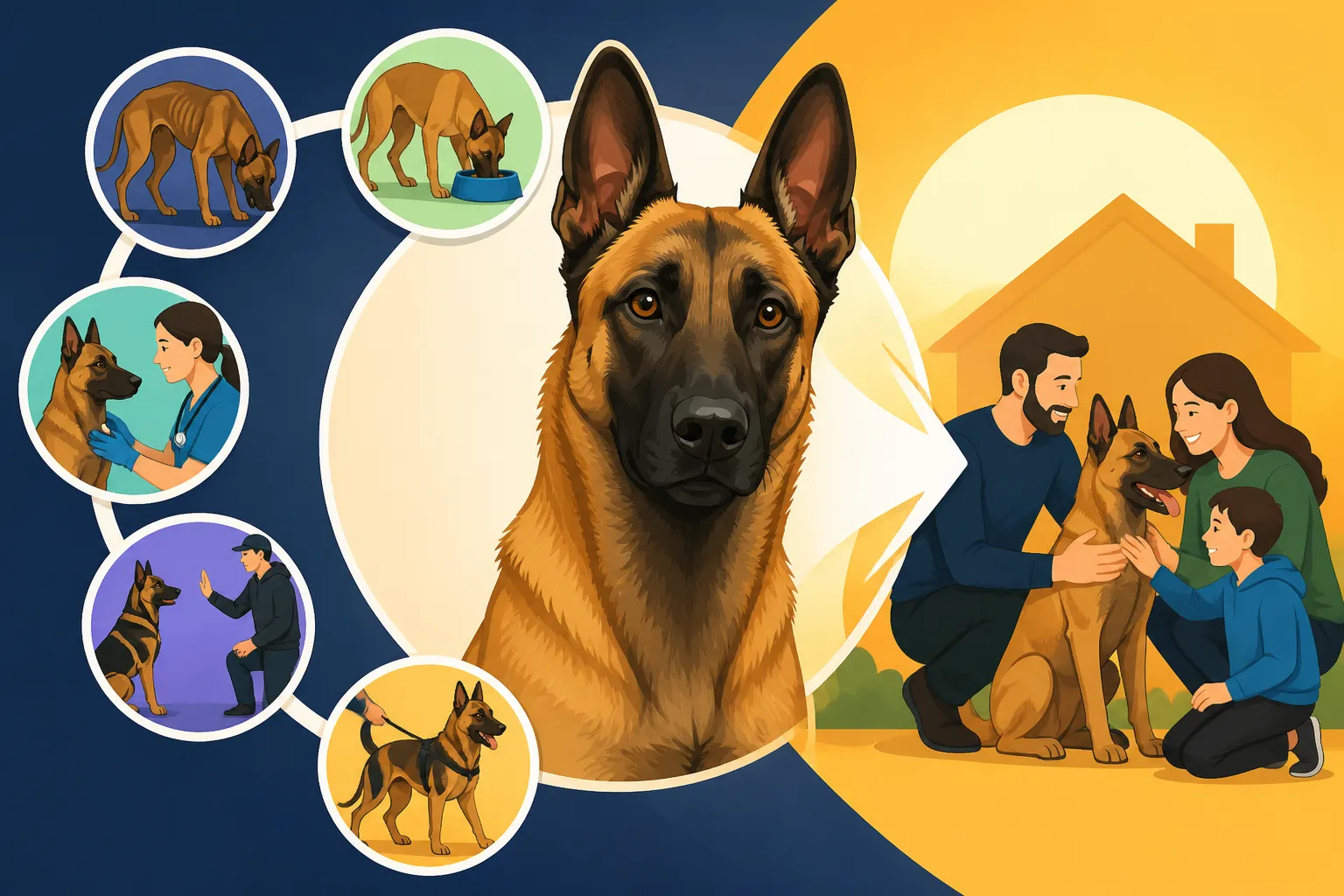
What a Malinois Rescue Does Before Placement
Bringing a Belgian Malinois into your home from a rescue is a huge commitment, and often, potential adopters don't fully realize the incredible amount of dedication, resources, and expert care that goes into preparing these dogs for their second chance at life. It's not as simple as picking out a dog and taking them home. This guide will meticulously detail the extensive efforts and comprehensive procedures a reputable Malinois rescue undertakes to ensure each dog is healthy, well-assessed, and ready to thrive in its new, carefully matched forever home before placement.
The Critical First Steps: Intake and Comprehensive Assessment
When a Belgian Malinois arrives at a rescue, whether surrendered by an overwhelmed owner, found as a stray, or pulled from a shelter, the initial phase is all about getting to know them. This isn't just a quick look-over; it's a deep dive into their physical and behavioral state, laying the groundwork for everything that follows. It's a moment of vulnerability for the dog, and a critical time for the rescue to begin building trust and understanding.
Initial Physical Evaluation and Quarantine Protocols
The very first thing a Malinois rescue does is a thorough physical examination. This is usually done by a veterinarian, or at least a highly experienced staff member who can spot red flags. They're looking for signs of injury, illness, parasites, and any underlying conditions. Given the breed's drive, many surrendered Malinois might have minor bumps and scrapes, or even more serious injuries that went unnoticed in a previous stressful environment. This initial check is vital not only for the dog's immediate well-being but also to prevent the spread of any communicable diseases within the rescue's facilities.
Following this initial exam, a new arrival typically enters a quarantine period. This isolation is crucial, especially for dogs coming from unknown backgrounds or high-stress shelter environments, where exposure to various pathogens is common. It allows the rescue to monitor for developing illnesses like kennel cough, canine influenza, or parasitic infections without risking the health of other dogs already in their care. During this time, they'll often begin baseline deworming, flea and tick prevention, and any necessary vaccinations. This step is a testament to the rescue's commitment to public health and the health of their entire canine population, ensuring that every dog placed is as healthy as possible.
Behavioral Triage and Drive Assessment
Perhaps even more critical for a Belgian Malinois than the physical exam is the immediate behavioral triage. These are highly intelligent, high-drive dogs, and their past experiences, or lack thereof, significantly shape their present behavior. Rescue staff, often experienced Malinois handlers themselves, will begin assessing the dog's temperament, reactivity, fear responses, and, most importantly, their inherent drives: prey drive, defense drive, and retrieve drive. They look for signs of previous training, or lack of it, and try to identify potential triggers or anxieties.
This isn't about judging the dog, but understanding them. Is this a dog that shuts down under pressure, or one that escalates? Do they show strong working potential, or are they better suited for a quieter pet home? They'll observe how the dog interacts with different people, how it reacts to sounds, new objects, and being handled. Sometimes, a dog that was labeled "aggressive" in a shelter simply lacked appropriate outlets for its energy or was misunderstood by inexperienced owners. The rescue's goal here is to accurately categorize the dog's needs, identifying whether it might be a candidate for more intensive What a KNPV Program Puts a Belgian Malinois Through or if a calmer approach is needed. This early assessment informs all subsequent training and placement decisions.
Healing and Health: Veterinary Care and Rehabilitation
Once past the initial intake, the focus shifts to comprehensive medical care and, if needed, rehabilitation. Many Malinois arrive with chronic issues or acute injuries that require significant investment of time and resources. Rescues are often a dog's last hope for proper medical attention.
Addressing Medical Issues and Preventative Care
After quarantine, a full veterinary workup begins. This often includes blood panels, urinalysis, and specific screenings relevant to the breed. For instance, many rescues will screen for The Two Ataxia Genes Belgian Malinois Are Tested For or address issues like pannus if the dog has come from a high-altitude area. Dogs are spayed or neutered if they aren't already, a crucial step in population control and often beneficial for behavioral management. Dental care is common, as many dogs arrive with neglected teeth, which can be a source of pain and infection.
Any identified medical conditions are treated. This could range from simple ear infections, which are less common with erect Malinois ears but still occur, to more complex orthopedic issues like hip or elbow dysplasia, which can be a concern in larger, active breeds. Some dogs might require ongoing medication for conditions like epilepsy, in which case the rescue will initiate treatment and ensure stability before considering placement. Rescues absorb significant costs here, often relying on donations, and this comprehensive care is a primary reason why What a Malinois Rescue Does Before Placement is such a thorough process. They truly invest in getting each dog back to optimal health, often working with partner vets who understand the unique needs of working breeds.
Nutritional Support and Weight Management
Malinois coming into rescue often arrive underweight, overfed on poor-quality food, or suffering from stress-related gastrointestinal issues. Nutritional support is a huge part of their physical rehabilitation. Rescues will typically switch dogs to a high-quality, easily digestible food. Brands like Chewy and Ollie often offer a range of specialized diets that rescues might utilize for dogs with sensitive stomachs or specific dietary needs, helping to restore gut health and muscle mass.
The goal isn't just to get weight on them, but to achieve a healthy, lean body condition, which is paramount for a breed as active as the Malinois. Overweight dogs, even slightly, put undue strain on their joints, especially if they have underlying conditions. The rescue will implement a feeding schedule, monitor intake, and adjust food types as needed. For some dogs, this might mean a gradual introduction to a performance diet suitable for an active Malinois, while others might need a more gentle approach to regain condition. This careful attention to diet is critical for their physical recovery and sets them up for long-term health in their new home.
Building Blocks for Success: Training, Socialization, and Behavior Modification
Medical needs addressed, the real work of behavioral shaping begins. This is where the Malinois's incredible intelligence and drive can be channeled positively, preparing them for a successful life outside the rescue environment. This phase is intense and tailored to each dog's individual needs.
Structured Training and Drive Channeling
Every Malinois, regardless of their past, benefits immensely from structured training. Rescues focus on fundamental obedience commands – sit, stay, come, down, heel – often using positive reinforcement techniques and carefully timed corrections where appropriate. For a breed known for its "on switch" and intense focus, building a reliable Building an Off Switch Into a Belgian Malinois is paramount. They teach leash manners, crate manners, and basic house-training. This foundation is crucial for any successful adoption.
Beyond basic obedience, rescues also work on channeling the Malinois's natural drives. For a dog with high prey drive, this might involve structured play with appropriate tugs and balls, teaching an "out" command, and engaging in games that simulate working tasks. Some Malinois might show a strong aptitude for Detection Work Instead of Bite Work for a Malinois, and rescues will often explore these avenues, as it provides an excellent mental and physical outlet without the intensity of protection sports. Training Treats a Belgian Malinois Burns Through are often used to maintain high motivation during these sessions, making learning fun and rewarding. This isn't just about control; it's about providing purpose and a constructive outlet for their boundless energy.
Socialization and Behavior Modification Programs
Many rescue Malinois have had limited or negative socialization experiences. Rescues work tirelessly to expose these dogs to a variety of environments, sounds, people, and, when appropriate, other well-adjusted dogs. This process is always controlled and carefully monitored, never forcing a dog into a situation they cannot handle. For dogs that exhibit reactivity or fear, specific behavior modification protocols are implemented, sometimes with the help of certified professional trainers. This might involve desensitization and counter-conditioning to reduce anxiety around triggers.
For Malinois that have been under-socialized, they might exhibit over-arousal or anxiety in novel situations. The rescue helps them learn how to exist calmly in a home environment, teaching them to settle down and relax. They might simulate household noises, introduce different floor textures, and practice being calm around visitors. The goal is to build confidence and resilience, making them adaptable to a variety of family dynamics. Rescues understand that a Malinois needs to learn how to exist in the real world, not just a training field, and that means being comfortable in a home.
The Art of the Match: Finding the Right Forever Home
The final, and arguably most important, phase is finding the perfect match. A Malinois rescue doesn't just place dogs; they place them strategically, understanding that a poor match can lead to another failed placement. This involves an exhaustive process of applicant screening and ongoing support.
Comprehensive Applicant Screening and Home Visits
Finding the right home for a Belgian Malinois is an art, not a science, but rescues employ a rigorous process to maximize success. This typically starts with an extensive application form that goes far beyond basic contact information. It delves into the applicant's experience with high-drive breeds, their lifestyle, living situation, work schedule, and what they envision doing with a Malinois. There's usually an emphasis on understanding Why a Belgian Malinois Is the Wrong First Dog for most people and ensuring potential adopters comprehend the unique needs of the breed.
Following the application, reference checks are conducted, often including veterinary references to ensure prior pets received appropriate care. A critical step is the home visit, which might be virtual or in-person. This allows the rescue to assess the living environment for safety (e.g., secure fencing, indoor space), suitability (e.g., proximity to training clubs, active lifestyle), and the overall atmosphere. They're looking for a home that understands Two Hours and a Job a Belgian Malinois Demands Daily and is prepared to provide it. These visits are not meant to be intrusive but ensure the home can truly meet the demands of a Malinois, which are substantial.
Education, Transition, and Ongoing Support
Once a potential match is identified, the rescue doesn't just hand over the leash. They provide extensive education to the adopters, detailing the specific dog's history, personality quirks, medical needs, and training progress. They'll advise on everything from feeding schedules to exercise routines, emphasizing the importance of continued training and mental stimulation. Many rescues also strongly recommend pet insurance from providers like Healthy Paws, knowing that even the healthiest Malinois can incur The Vet Bills a Bite Sport Belgian Malinois Runs Up over their lifetime, especially active ones.
The transition period is also carefully managed. Some rescues offer a foster-to-adopt program or a trial period to ensure the dog and family are truly compatible. They provide resources for local trainers, veterinary contacts, and sometimes even a starter pack of food and supplies from a pet retailer like Chewy. Crucially, reputable Malinois rescues offer ongoing support, becoming a lifelong resource for their adopters. They understand that challenges can arise, especially as a Malinois moves through The Adolescent Malinois That Tests Everything stage, and they are there to provide guidance and assistance, helping to troubleshoot any issues and ensure the placement remains successful for the dog's entire life. This commitment to lifelong support truly distinguishes dedicated rescues.
Rescue Process Overview
To give you a clearer picture, here's a general overview of the steps a dedicated Belgian Malinois rescue takes before placing a dog:
| Stage | Key Activities | Primary Goal |
|---|---|---|
| Intake & Assessment | Initial physical exam, behavioral triage, drive assessment, quarantine. | Understand the dog's baseline health and temperament; prevent disease spread. |
| Medical Care | Full vet check, vaccinations, deworming, spay/neuter, treatment for existing conditions, dental care. | Restore dog to optimal physical health; ensure preventative care is current. |
| Behavior & Training | Basic obedience, leash manners, crate training, house-training, drive channeling, socialization, behavior modification. | Establish foundational manners; provide outlets for drive; build confidence and adaptability. |
| Applicant Screening | Detailed application, reference checks (vet, personal), home visit (virtual/in-person), interviews. | Evaluate applicant's suitability, experience, and living environment. |
| Matching & Placement | Pair dog with most compatible family, extensive adopter education, trial period/foster-to-adopt, adoption contract. | Ensure a safe, stable, and stimulating forever home for the dog. |
| Ongoing Support | Resources for training and vets, advice line, follow-ups. | Provide lifelong support to ensure successful long-term placement. |
This comprehensive process highlights the rescue's unwavering commitment to the well-being of these remarkable dogs.
Disclaimer
This article is for general informational purposes only and does not constitute professional advice. Laws, prices and regulations vary by location and change over time. Consult a qualified professional for guidance on your specific situation.