Whether a Belgian Malinois Was Bred to Bite
Historical Belgian Malinois farm dogs managed livestock with herding instincts rather than biting as police dogs do.
Is this the right one for you?
Origins and temperament, size and coat, what living with one is actually like, and how it compares to the breeds people weigh against it.
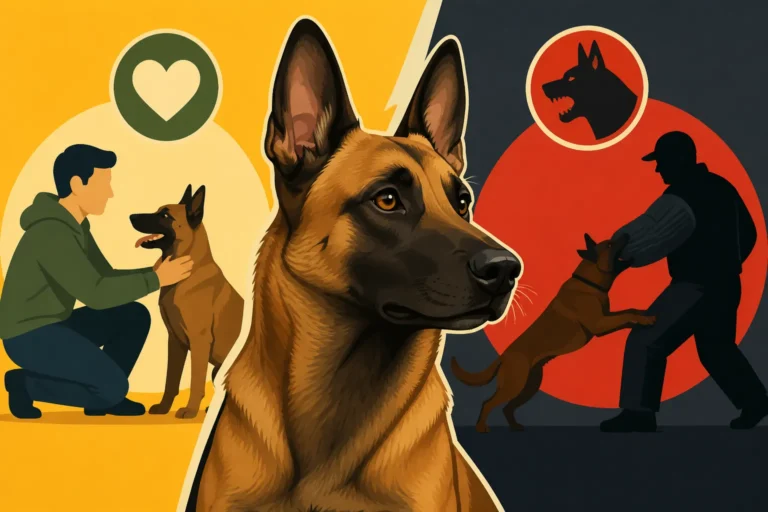
Historical Belgian Malinois farm dogs managed livestock with herding instincts rather than biting as police dogs do.

Belgian Malinois coat color and working drive are genetically unrelated traits determined by entirely separate genes.
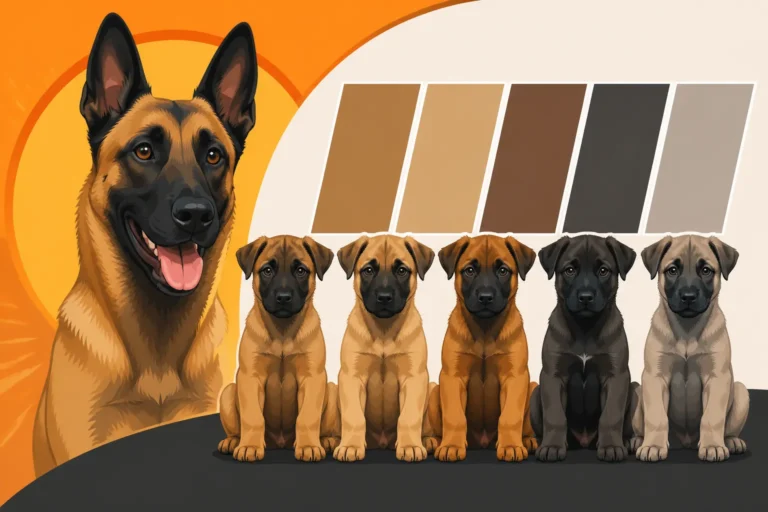
Belgian Malinois puppy coats range from pale cream to rich mahogany, featuring black masks and sable overlays.

Blue eyed Belgian Malinois dogs violate breed standards because purebred dogs require dark brown almond shaped eyes.
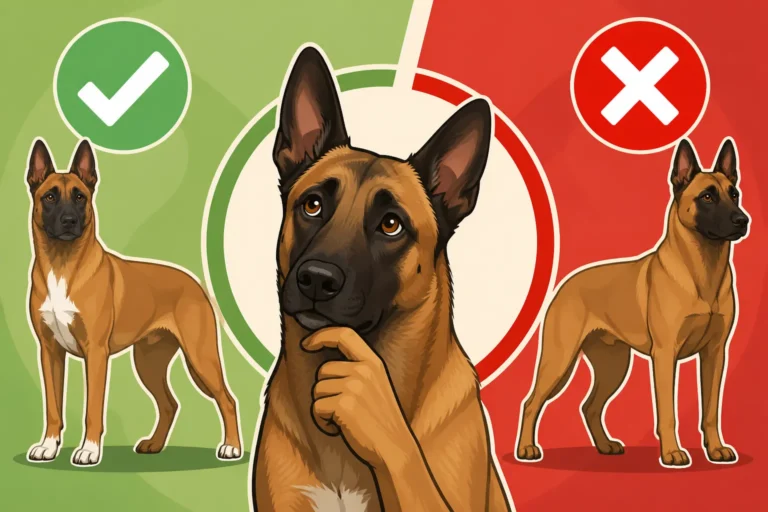
Belgian Malinois breed standards explain where small white chest patches and toe tips are permitted without penalty.
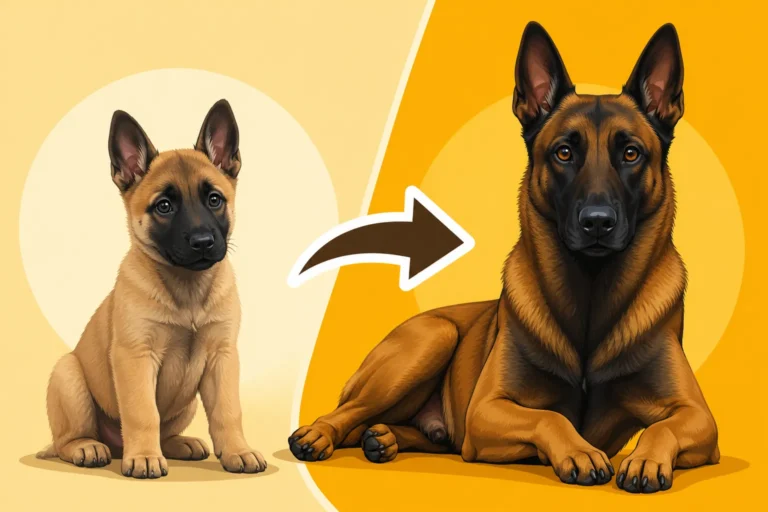
Belgian Malinois puppy coat changes, including the gradual darkening of fawn fur and black masks into adult colors.
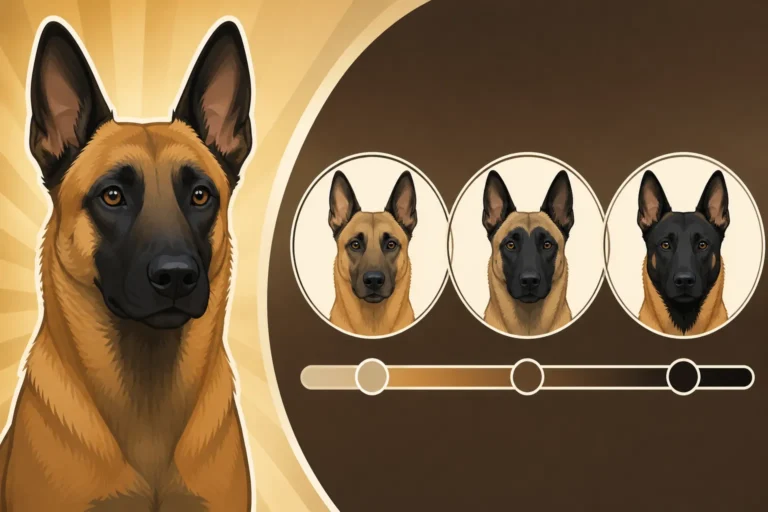
The Belgian Malinois mask standard explains ideal black muzzle coverage and acceptable variations in color and extent.

Belgian Malinois breed standards by the AKC and FCI require rich fawn to mahogany coats with black overlay and black masks.
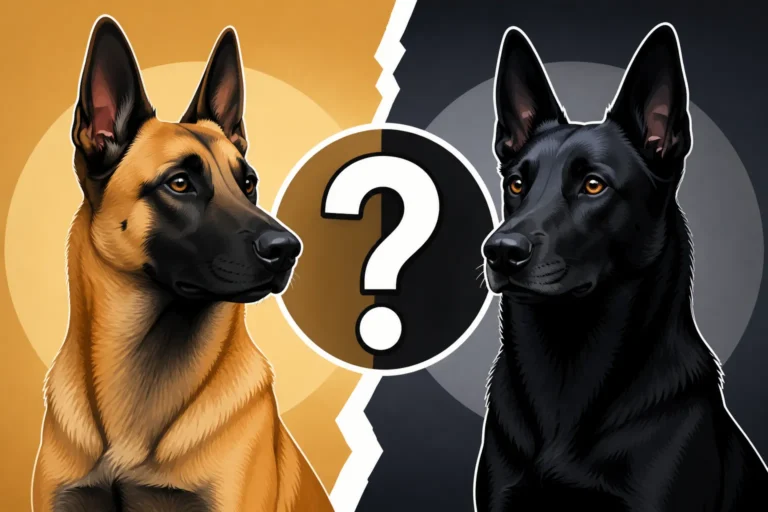
The Belgian Malinois coat color standard, genetics, and breed rules explain why purebred dogs are never solid black.

Belgian Malinois coat colors range from fawn to mahogany, explaining why dark mahogany dogs appear red in sunlight.