Whether Seizure Medication Dulls a Working Malinois
Belgian Malinois seizure medication effects on working drive, brain health, idiopathic epilepsy management, and quality of life.
Know what to watch for.
Breed-specific conditions, screening and DNA tests, what surgery actually costs, and the daily habits that stretch a healthy lifespan.
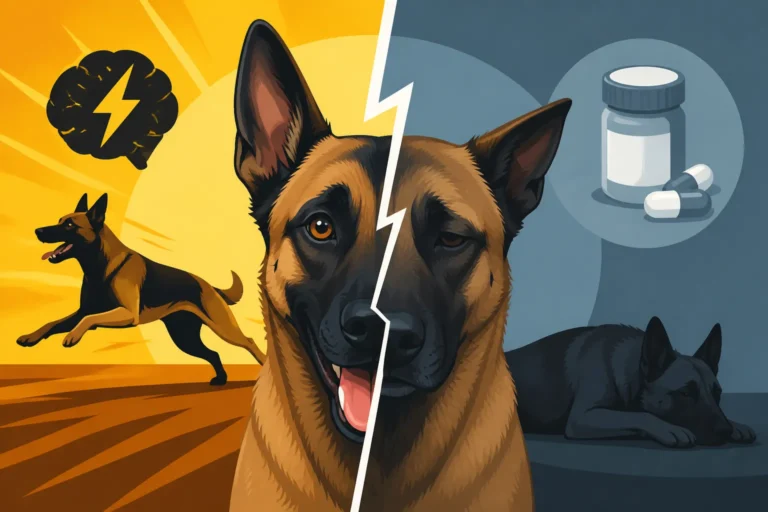
Belgian Malinois seizure medication effects on working drive, brain health, idiopathic epilepsy management, and quality of life.
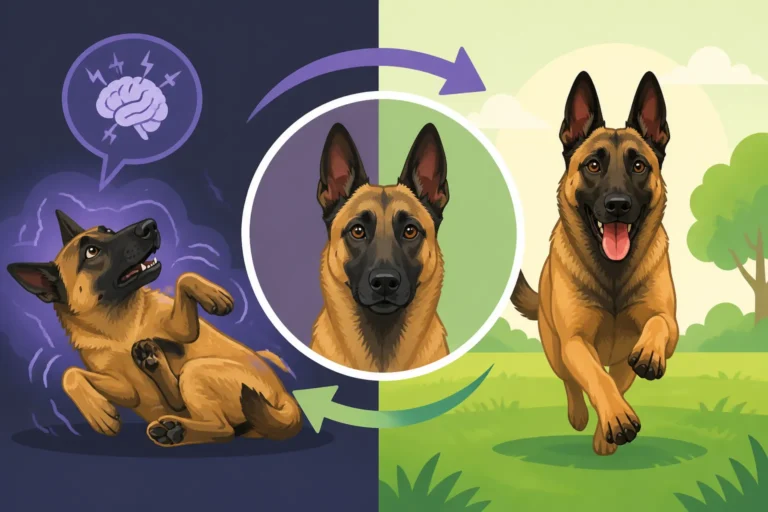
Belgian Malinois diagnosed with true idiopathic epilepsy between six months and five years of age rarely outgrow this lifelong neurological condition.
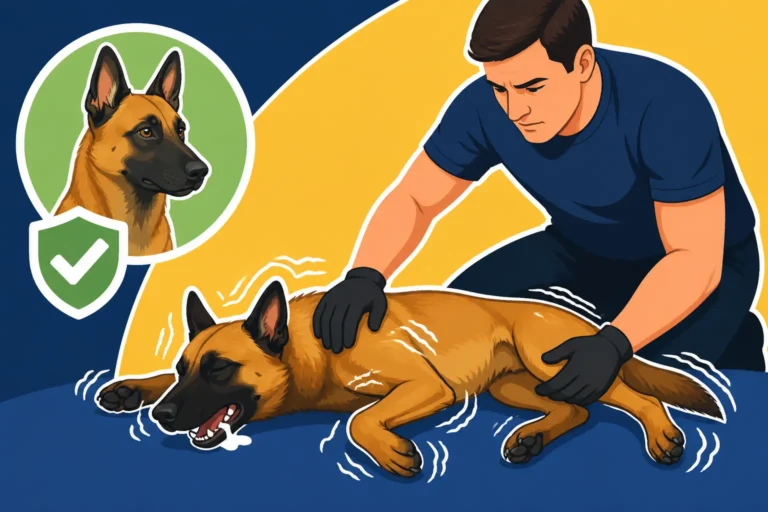
Immediate safety steps and signs help owners protect a Belgian Malinois during and after grand mal seizure episodes lasting minutes.
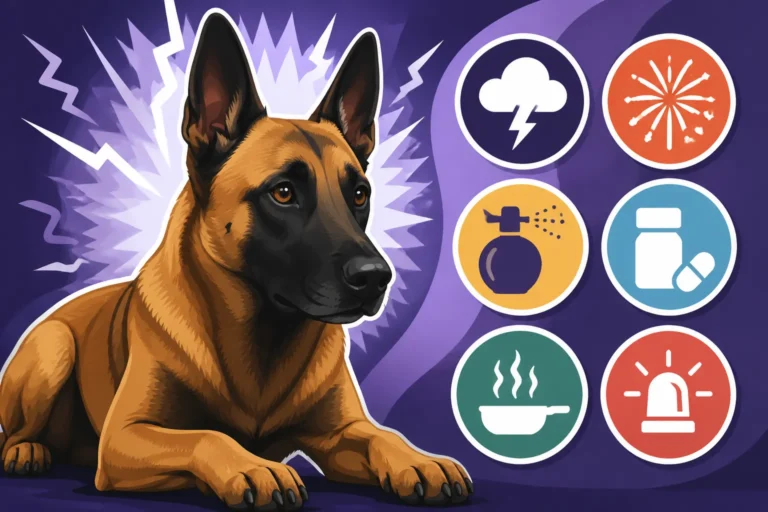
Belgian Malinois seizure triggers include environmental stressors, over-stimulation, and a genetic predisposition to idiopathic epilepsy.
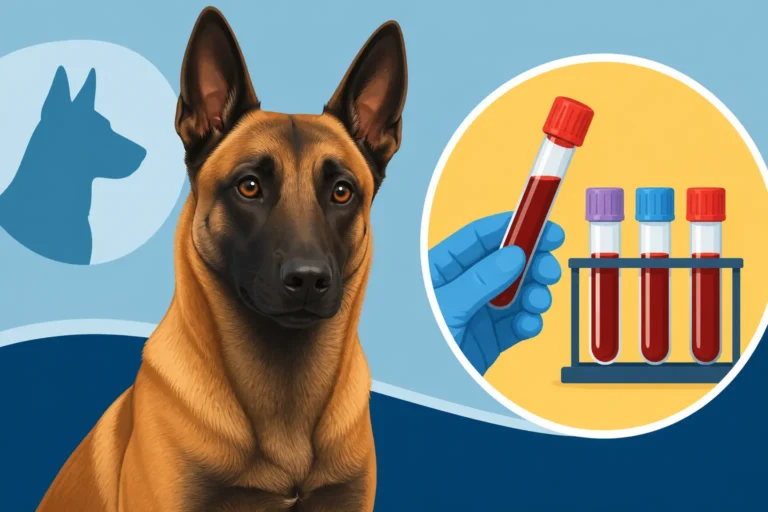
Pre-anesthetic bloodwork for a Belgian Malinois checks organ function and blood cells to ensure safe veterinary sedation.
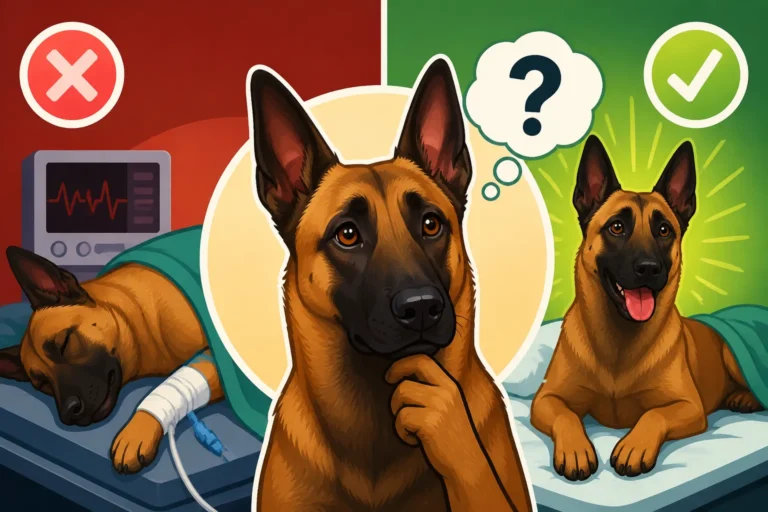
Belgian Malinois anesthesia recovery involves high metabolism and fight or flight instincts that cause disorientation, thrashing, and vocalizing.
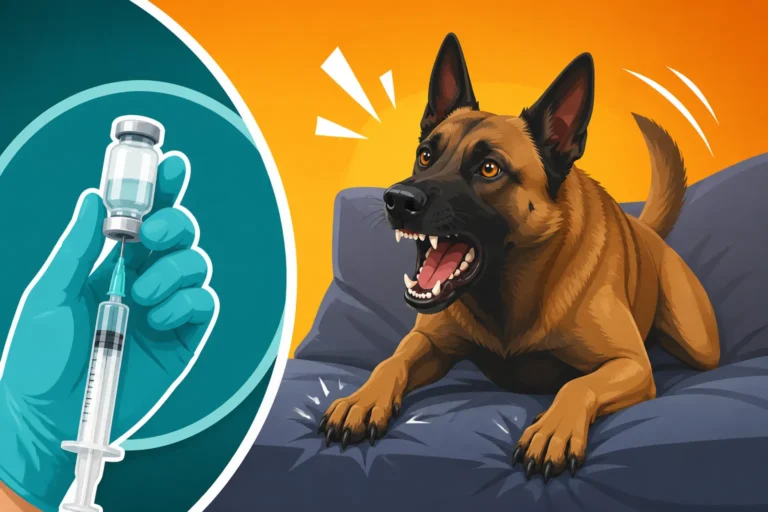
Sedating a Belgian Malinois for stressful veterinary visits involves understanding high drive, environmental sensitivity, and past negative experiences.
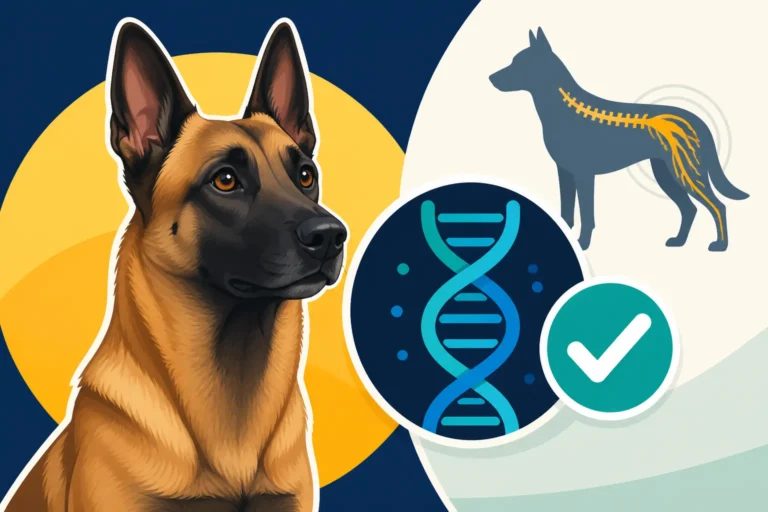
Degenerative myelopathy in Belgian Malinois is an incurable spinal cord disease causing hind limb weakness and eventual paralysis.
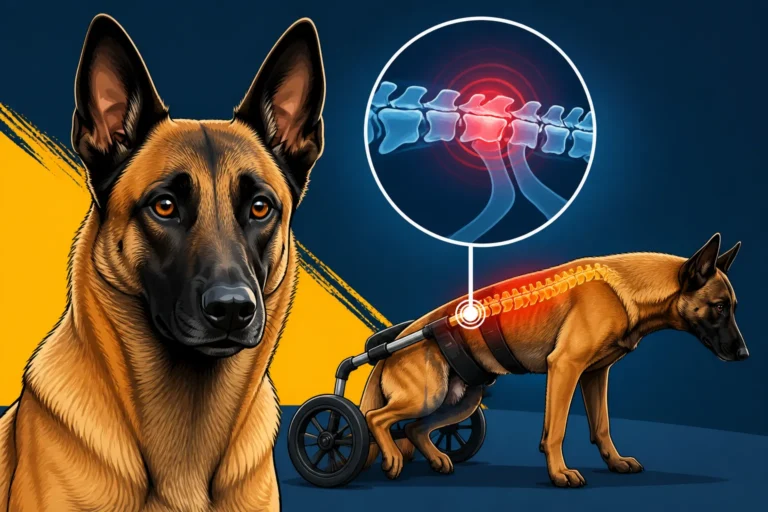
Degenerative myelopathy in Belgian Malinois is a progressive spinal disease causing hind limb weakness, paralysis, and genetic testing implications.
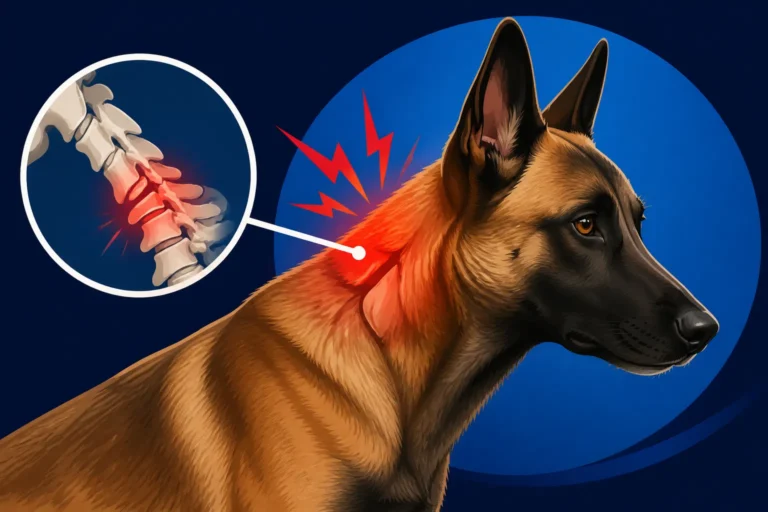
Neck instability in Belgian Malinois compresses the cervical spinal cord, causing wobbling gait, pain, and hind limb weakness.