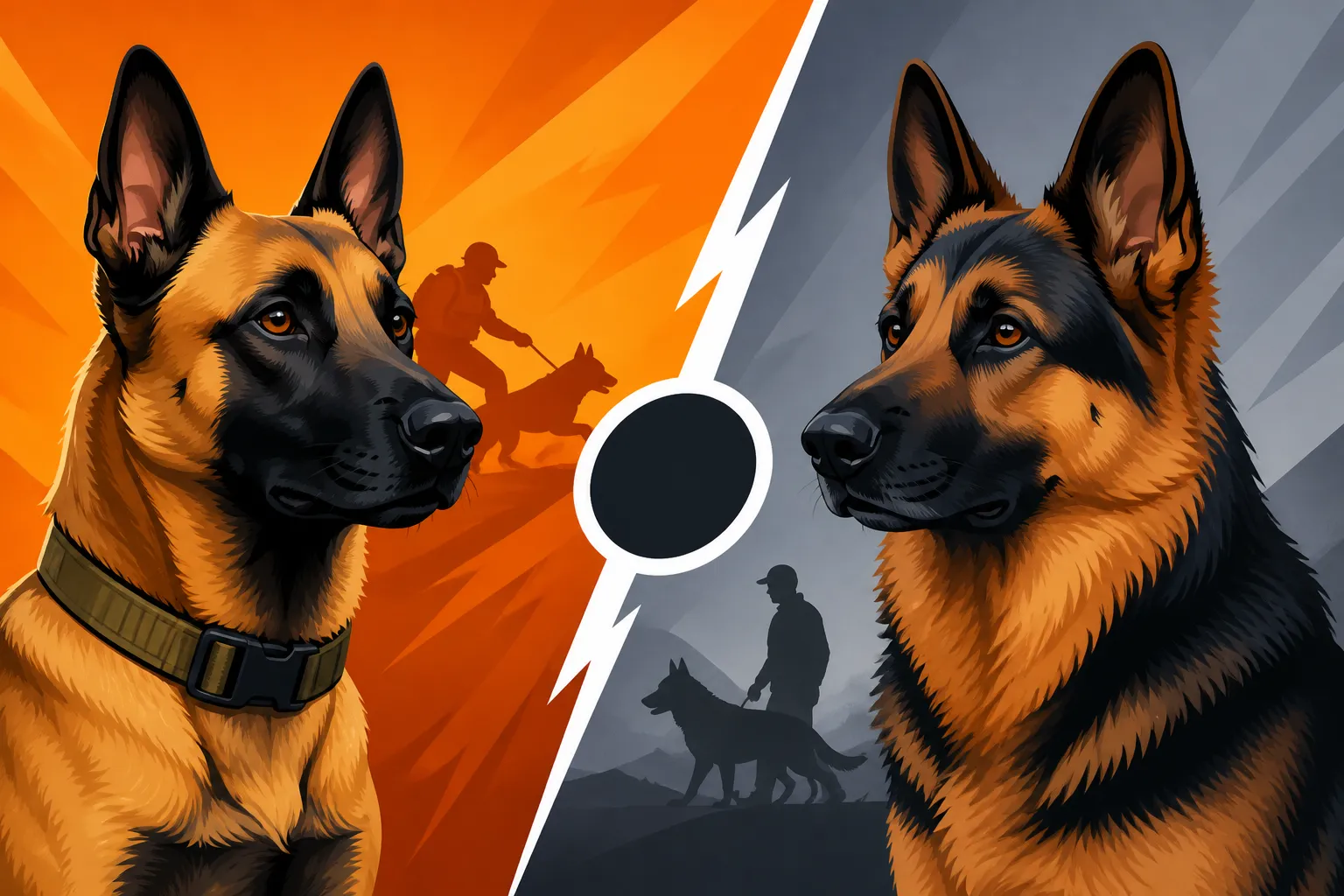
Malinois or German Shepherd for Real Work
When you're looking for a dog that can truly perform, whether for police work, military service, sport, or serious personal protection, the choice often comes down to two powerhouses: the Belgian Malinois and the German Shepherd. Many prospective handlers grapple with this decision, struggling to understand the nuances that differentiate these highly capable breeds beyond their superficial looks. This comprehensive guide will dissect the unique attributes, working styles, and ownership demands of both the Malinois and the German Shepherd, helping you make an informed decision for your specific "real work" needs.
The Historical Roots of Working Dogs
Understanding where these breeds came from is crucial to appreciating their inherent drives and capabilities. Both the Belgian Malinois and the German Shepherd were developed with specific working purposes in mind, and these historical roles profoundly shaped their modern-day characteristics. It’s not just about a dog; it’s about a living legacy of function.
The Malinois's Herding and Protection Genesis
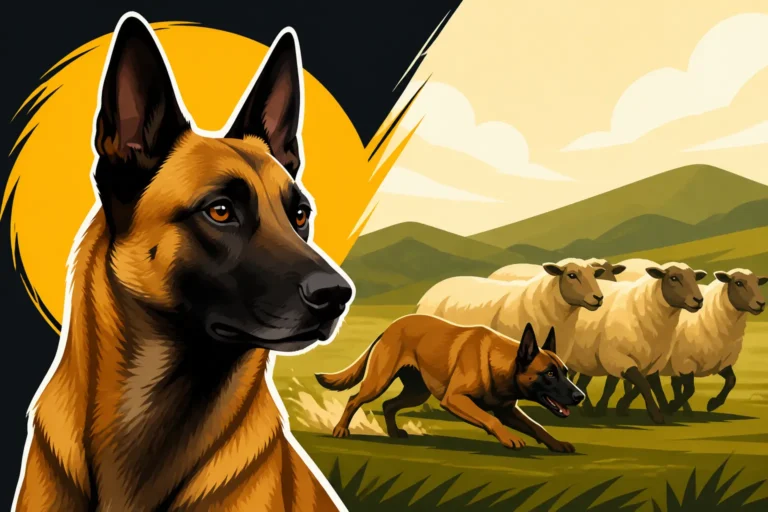
The Belgian Malinois emerged from the working farm dogs of Belgium, specifically in the Malines region. These dogs weren't bred for conformation shows or pretty ribbons; they were bred to work. Their primary role was to herd sheep and cattle, often in challenging terrain and variable weather. This demanding environment required a dog with immense stamina, quick reflexes, intelligence, and a strong sense of responsibility. They needed to be agile enough to turn a flock, yet resilient enough to deter predators or intruders.
Over time, as their natural protective instincts became more refined, the Malinois transitioned into guarding property and eventually into police and military roles. This heritage explains much of their intense vigilance, their tireless energy, and their sharp instinct to observe and react to their environment. It’s a drive deeply ingrained, a genetic predisposition to be constantly "on" and ready for a task. They were literally created to be responsive, durable, and highly intelligent partners in demanding outdoor jobs. The Herding Job the Belgian Malinois Was Built For further details this foundational aspect of their development.
The German Shepherd's Multifaceted Utility
Across the border in Germany, the German Shepherd Dog was also developed from local herding and farm dogs, but with a more deliberate and standardized approach thanks to Captain Max von Stephanitz. His vision was to create the ultimate working dog – a versatile, intelligent, and courageous animal capable of excelling in many different roles beyond just herding. He saw the potential for a dog that could serve as a shepherd, a guard, and later, a police or military companion.
This broader mandate meant selecting for a balance of traits: strength, endurance, intelligence, and a stable, confident temperament. German Shepherds were designed to be adaptable, able to switch between tasks and maintain focus under pressure. Their development emphasized sound structure for prolonged physical activity, clear-headedness for complex problem-solving, and loyalty to their handler. The breed quickly found favor in various public service roles due to this remarkable versatility and ability to learn and perform diverse tasks reliably.
Physical Attributes and Athleticism
When it comes to demanding "real work," a dog's physical prowess isn't just a bonus; it's a fundamental requirement. Both the Belgian Malinois and the German Shepherd are celebrated for their athleticism, but they manifest it in distinct ways, each suited to different types of physical challenges and operational demands.
Malinois: Lean, Agile, and Explosive
The Belgian Malinois is often described as a canine athlete, built for speed, agility, and explosive power. They possess a lean, medium-sized frame, typically weighing less than a German Shepherd, which contributes to their incredible nimbleness. A typical Malinois is a bundle of coiled energy, ready to spring into action at a moment's notice. Their bone structure is lighter, and their musculature is dense and finely tuned for rapid acceleration and tight turns.
This physical makeup makes them exceptional at tasks requiring dynamic movement: clearing obstacles, scaling walls, rapid pursuit, and intricate maneuverability in tight spaces. Think of a Malinois as a high-performance sports car—quick off the line, incredibly responsive, and capable of sustained, high-intensity bursts. Their gait is light and elastic, allowing them to cover ground quickly and change direction with astonishing grace. This allows them to excel in pursuits and tasks where sheer quickness and unpredictable movement are assets, making them incredibly effective in roles that demand explosive action and relentless drive. The Height Limits a Belgian Malinois Is Judged Against illustrates the breed standard's emphasis on their athletic build.
German Shepherd: Robust, Powerful, and Resilient
In contrast, the German Shepherd presents a more robust and substantial build. They are generally larger and heavier than Malinois, with a powerful, muscular frame designed for strength and endurance. While they might not possess the same explosive speed as a Malinois, German Shepherds are built for sustained power, often described as a more "heavy-duty" athlete. Their bone density and muscle mass allow them to absorb impact, carry equipment, and maintain a steady, powerful pace over long distances or challenging terrains.
This means a German Shepherd excels in tasks that require sustained physical output, brute strength, and unwavering resilience. They are like a durable, all-terrain vehicle—capable of handling rough conditions, carrying heavy loads, and maintaining consistent performance over extended periods. Their powerful jaws and bite work, for example, are often perceived as having more crushing power due to their larger head and jaw structure. They are well-suited for patrol work where covering vast areas and engaging in prolonged engagements are common, or for carrying out duties that require physical imposition and steady, powerful engagement rather than pure velocity.
Comparative Table of Physical Attributes
To give you a clearer picture, here’s a quick comparison of their typical physical traits relevant to working roles:
| Feature | Belgian Malinois | German Shepherd Dog |
|---|---|---|
| Size/Weight | Medium; 40-80 lbs (leaner build) | Large; 50-90 lbs (more substantial build) |
| Build | Athletic, lean, agile, compact | Robust, muscular, powerful, well-balanced |
| Speed | Exceptional; explosive acceleration, quick turns | Very good; strong bursts but more sustained power |
| Agility | Outstanding; highly nimble, precise movement | Good; capable but less "cat-like" |
| Endurance | High-intensity bursts, can maintain for long periods if conditioned | Excellent; built for sustained, prolonged effort |
| Bite Strength | Intense, full, punishing grip | Powerful, crushing, durable grip |
| Structure | Often more "square" and upright | Slightly longer than tall, often with a sloping back (especially show lines) |
Drive, Temperament, and Trainability
Beyond their physical differences, the internal wiring of these two breeds—their drive, temperament, and how easily they can be shaped through training—is perhaps the most significant differentiator for working roles. This is where the "personality" of the dog truly meets the demands of the job.
The Unrelenting Drive of the Belgian Malinois
When we talk about a Malinois, "drive" is the keyword. These dogs possess an almost insatiable desire to work, to do something, to be engaged. Their prey drive is typically sky-high, meaning they are incredibly motivated by chasing, catching, and possessing a toy or sleeve. This makes them highly enthusiastic and persistent in tasks like bite work, tracking, and detection. They often display an intensity that can be breathtaking to witness, but also overwhelming for an inexperienced handler. Whether a Belgian Malinois Is More Intense Than It Looks is a common question for a good reason.
A Malinois often thrives on repetition and high-energy reinforcement. They learn quickly, but their drive can sometimes override their focus if not properly channeled. They need a job, a purpose, an outlet for their relentless energy, both mental and physical. Without it, they can become destructive, anxious, or develop undesirable behaviors born of boredom and frustration. Their default setting is "on," and building an "off switch" is a crucial part of their training. They live to work, and for the right handler and the right job, this unwavering drive is an unparalleled asset. Many handlers find that keeping them mentally stimulated with puzzle toys and training aids from online stores like Chewy helps manage their intense drive between structured sessions.
German Shepherd's Balanced Drive and Steady Nerves
German Shepherds also possess strong working drives, but often with a different quality. While equally capable and intelligent, their drive is often described as more balanced and biddable. They typically have a strong desire to please their handler, which can make them highly cooperative and easier to manage for a wider range of tasks. Their focus is often more handler-centric, relying heavily on direction and partnership.
They still exhibit impressive prey drive and defensive instincts, but these are often coupled with a stronger sense of discernment and calmer nerves, particularly in well-bred lines. This stability allows them to process information and make decisions thoughtfully, rather than purely react with unbridled intensity. This makes them excellent candidates for roles requiring prolonged concentration, complex problem-solving, and a steady temperament in unpredictable environments. They can sustain focus over longer periods and are often more forgiving of handler errors than a Malinois might be. This balance allows them to transition smoothly between high-energy tasks and calm, composed public interactions.
Suitability Across Various Working Disciplines
Both breeds excel in numerous working disciplines, but their inherent physical and temperamental traits lend themselves particularly well to certain roles. The "best" dog depends entirely on the specific demands of the work you intend for them.
Malinois Dominance in High-Octane Roles
The Belgian Malinois has become the dog of choice for many elite military units, special operations forces, and tactical police teams around the world. Their combination of speed, agility, relatively lighter weight, and explosive drive makes them ideal for tasks that require intense, dynamic, and often dangerous maneuvers.
- Special Operations: Malinois are frequently seen accompanying soldiers in combat zones, performing duties such as perimeter security, detecting explosives and narcotics, and tracking enemy combatants. Their ability to cover ground quickly, navigate complex environments, and their smaller stature compared to German Shepherds can make them more adaptable to certain deployment scenarios, like parachuting from aircraft or being lifted into tight spaces.
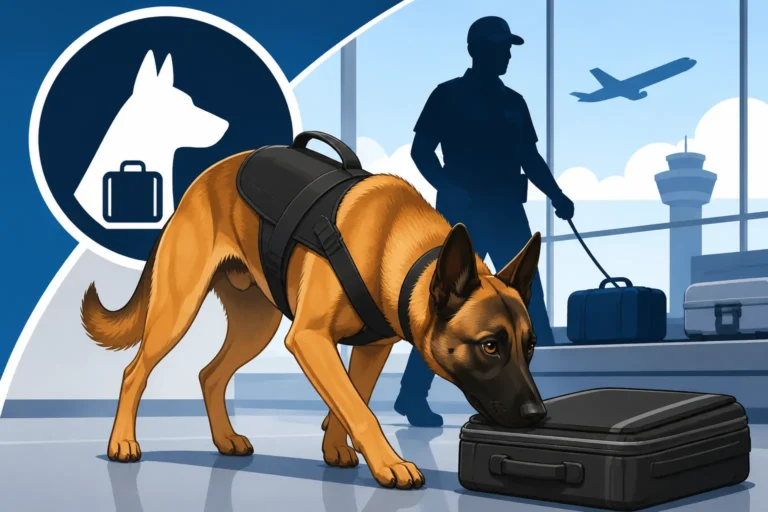
- Police K9 (Patrol & Detection): While German Shepherds certainly hold their own, Malinois are increasingly favored for patrol and detection work due to their speed in pursuit, their agility in clearing obstacles, and their relentless search drive. Their intense focus and high motivation for rewards make them exceptional at scent work, whether it's narcotics, explosives, or human remains. The sheer intensity they bring to the job is unmatched. How the Belgian Malinois Took Over Police Work delves into this shift in K9 units.
- Protection Sports (Ring Sport, IGP): In sports like French Ring, Belgian Ring, and Mondioring, the Malinois truly shines. These sports demand extreme athleticism, precise obedience, and intense bite work, often against multiple decoys and challenging scenarios. The Malinois's natural aggression (controlled and channeled), high prey drive, and unmatched agility are perfectly suited for the dynamic routines and complex protection exercises of these sports. What a KNPV Program Puts a Belgian Malinois Through gives insight into their rigorous training.
German Shepherd's Versatility in Traditional Service
The German Shepherd remains a cornerstone in many traditional working roles, prized for its balanced temperament, trainability, and enduring physical presence. Their versatility allows them to excel in a broader spectrum of service.
- Police K9 (Patrol & Tracking): German Shepherds are still widely used by police departments for patrol, tracking, and apprehension. Their larger size provides a more imposing visual deterrent, and their powerful bite is highly effective. They are known for their unwavering focus on a track, following scents with methodical precision over varying terrain and distances. Their steady nerves make them reliable partners in public settings and stressful situations.
- Search and Rescue (SAR): The German Shepherd’s endurance and strong scenting ability make them excellent search and rescue dogs. They can cover large areas for extended periods, working through debris fields, wilderness, or disaster zones. Their robust build helps them navigate challenging environments, and their balanced temperament allows them to remain calm and focused even during emotionally charged search operations.
- Service and Assistance Work: Due to their high intelligence, biddability, and stable temperament, German Shepherds have a long history as service and assistance dogs. They can be trained for a wide array of tasks, from guiding the visually impaired to assisting individuals with mobility issues or providing psychiatric support. Their ability to remain calm in diverse public settings is a huge advantage for these sensitive roles.
- Personal Protection: For personal protection, the German Shepherd offers a formidable deterrent and a highly capable defender while typically being more manageable in a family environment than a Malinois, assuming proper training and socialization. Their natural guarding instincts and strong bond with their family make them excellent protectors who can discern between threats and everyday interactions.
Health Considerations for Peak Performance
No matter how high a dog's drive or how impressive its physique, health is paramount for a successful working career. Both breeds have specific health predispositions that potential owners and handlers need to be aware of and proactively manage.
Malinois Health for Longevity and Vigor
Belgian Malinois are generally considered a robust and healthy breed with a good lifespan for their size, often living The Fourteen to Sixteen Years a Belgian Malinois Lives. However, like all purebreds, they are prone to certain genetic conditions. A primary concern for any working Malinois is orthopedic health, especially hips and elbows. While often less prevalent or severe than in some other large breeds, hip and elbow dysplasia can still occur and can be career-ending for a high-performance dog. Responsible breeders perform health clearances like OFA or PennHIP to minimize the risk, and understanding The Hip and Elbow Numbers Behind a Malinois Clearance is vital.
Another notable health concern in Malinois lines is epilepsy. This neurological disorder can manifest in various forms, and while some cases are manageable with medication, severe or frequent seizures can impact a dog's ability to perform demanding work. The Seizure Disorder Running in Malinois Lines is something every prospective owner should research. Eye conditions, like Pannus (Chronic Superficial Keratitis), an immune-mediated disease, are also observed. This condition can affect vision if left untreated, making regular eye exams crucial for working dogs, especially those exposed to intense sunlight or dusty environments. Ensuring proper nutrition and supplementing with joint support can also play a role in maintaining their vigor, and many handlers find quality supplements readily available from retailers like Chewy.
German Shepherd Health Challenges and Management
German Shepherds, unfortunately, are known for a wider array of genetic health issues, largely due to their historical popularity and sometimes less stringent breeding practices. Hip and elbow dysplasia are significant concerns in the breed, often more common and potentially more severe than in Malinois. This can lead to debilitating arthritis and impact a dog's ability to maintain a working career. Rigorous screening of breeding stock is absolutely critical.
Another serious condition is Degenerative Myelopathy (DM), a progressive neurological disease affecting the spinal cord, leading to hind limb weakness and paralysis. While there is a DNA test to identify carriers, DM is a heartbreaking diagnosis for a working dog. German Shepherds are also more prone to bloat (gastric dilatation-volvulus), a life-threatening emergency that requires immediate veterinary intervention. Certain cancers, like hemangiosarcoma and osteosarcoma, are also seen with higher frequency in the breed. Vigilant health management, including regular vet check-ups, appropriate feeding protocols, and careful attention to any changes in gait or behavior, is essential to keep a German Shepherd working soundly.
The Demands of Ownership and Handling
Owning either a Belgian Malinois or a German Shepherd, especially a working-line dog, is not for the faint of heart. These aren't "pet" dogs in the traditional sense; they are partners that demand significant investment of time, effort, and expertise.
The Intensive Malinois Lifestyle
Bringing a Malinois into your life means committing to a lifestyle, not just owning a dog. These dogs require an immense amount of physical exercise—far beyond a simple walk around the block. We're talking about multiple hours of structured activity daily. This could involve advanced obedience training, bite work, tracking, agility, or intense flirt pole sessions. Two Hours and a Job a Belgian Malinois Demands Daily is often the bare minimum. Beyond physical exertion, their brilliant minds need constant intellectual stimulation. Puzzle toys, complex obedience routines, and continuous learning are not optional; they are vital to a Malinois's well-being. Without sufficient mental and physical outlets, they can become destructive, anxious, or develop obsessive behaviors. They will chew through walls, dig up yards, and bark incessantly if bored.
Handling a Malinois effectively also requires a specific skill set. They are incredibly sensitive to their environment and can be prone to reactivity if not properly socialized and trained from a young age. Their intensity means corrections, when necessary, must be precise and well-timed, as an overly harsh hand can damage their trust, while an overly soft hand can lead to a dog that believes it's in charge. This is not a dog for a first-time owner or someone unwilling to invest countless hours into their development. A Malinois is a full-time commitment, demanding an owner who is confident, consistent, and deeply understands canine behavior and motivation.
German Shepherd: A Committed Partnership
While perhaps slightly less frenetic than a Malinois, a German Shepherd still demands a highly committed owner. They require substantial daily exercise and mental engagement to thrive. Regular, vigorous walks, runs, or play sessions are necessary, along with consistent training in obedience or a chosen dog sport. Their strong bond with their handler means they thrive on interaction and crave a role within the family unit. Without this, they can become withdrawn, destructive, or develop behavioral issues stemming from boredom or a lack of clear leadership.
Training a German Shepherd requires consistency, patience, and a clear understanding of positive reinforcement and balanced correction. Their intelligence means they learn quickly, but they can also be stubborn if they don't see the point of a command or if they perceive an inconsistency in their handler. Early and ongoing socialization is crucial to ensure they develop into well-adjusted adults, especially given their natural guarding instincts. While perhaps more forgiving of minor handler errors than a Malinois, they still demand an owner who is dedicated to their lifelong training and care. What a Year With a Working Belgian Malinois Costs might give you an idea of the financial commitment, but the time commitment is even greater.
Making the Right Choice for Your "Real Work" Needs
Choosing between a Belgian Malinois and a German Shepherd for "real work" isn't about which breed is "better," but which breed is better suited to your specific mission, environment, and handler capabilities. Both are magnificent working animals, but their differences are profound enough to dictate optimal pairings.
Assessing Your Mission and Environment
First, take a hard look at the exact nature of the "real work" you envision.
- Is speed, agility, and explosive reaction paramount? If your work involves dynamic pursuits, obstacle clearing, high-intensity detection, or tactical operations where quick, precise movements are critical, the Malinois might be your ideal partner. Their leaner build and hyper-focused drive make them exceptionally efficient in these roles. Think about environments where tight spaces, rapid deployment, or unpredictable movements are common.
- Does the work require sustained power, endurance, and a more imposing presence? If the job involves long patrols, covering vast and varied terrain, carrying equipment, or roles where a more substantial and visibly powerful dog is an asset, the German Shepherd often excels. Their robust build and balanced temperament make them resilient partners for prolonged assignments and more traditional security or patrol functions.
- What about the emotional and psychological demands of the job? Some roles require a dog to be highly adaptable and stable in diverse public and highly stressful situations, potentially interacting with many different people, or remaining composed for long periods. Here, the German Shepherd's typically steadier nerves and biddable nature might be more advantageous. If the work involves pure, unadulterated drive and intensity, often with limited public interaction, the Malinois might fit the bill.
Consider the physical environment your dog will operate in. Will it be tight urban spaces, open wilderness, or a mix of both? Will the dog be exposed to extreme temperatures or high-stress sensory input regularly? These factors can weigh heavily on which breed's physical and mental fortitude is best suited.
Evaluating Your Own Handler Experience
Perhaps the most critical factor in this decision lies with you, the handler. Be brutally honest about your experience level, your lifestyle, and your capacity to meet the demands of such a high-caliber working dog.
- Are you an experienced handler with a deep understanding of high-drive dogs? If you have a proven track record of training, managing, and channeling the energy of intense working breeds, you'll be better equipped to handle a Malinois. Their sharp minds and relentless drive require an equally sharp and consistent handler. You need to be prepared to essentially live and breathe dog training, turning every interaction into a learning opportunity.
- Are you dedicated to a consistent, structured training regimen? Both breeds demand this, but a Malinois will likely test your commitment daily. If you're someone who thrives on routine, enjoys intricate training, and can provide constant mental and physical stimulation, either breed could flourish. If your schedule is unpredictable or your commitment wanes, you risk creating a frustrated, potentially destructive dog, especially with a Malinois.
- What is your living situation like? Do you have the space and resources to accommodate a highly active working dog? Two Hours and a Job a Belgian Malinois Demands Daily needs to be fulfilled every day, regardless of weather or your personal schedule. Consider not just your home, but your access to training clubs, open fields, and decoys. Even simple things, like finding durable toys or appropriate food, become part of the daily management. Thankfully, reputable online retailers like Chewy make finding necessary supplies straightforward.
Ultimately, both the Belgian Malinois and the German Shepherd are extraordinary working dogs, each with their own unparalleled strengths. The key is to match the dog's inherent capabilities and needs with the specific requirements of the work and, crucially, with your own ability as a handler. Don't choose based on reputation or perceived toughness alone; choose based on an honest assessment of the dog's nature and your capacity to nurture its working potential. Retiring a Working Belgian Malinois From the Job also reminds us that these intense dogs will eventually need a comfortable transition from their working lives, a consideration for any serious owner.
Disclaimer
This article is for general informational purposes only and does not constitute professional advice. Laws, prices and regulations vary by location and change over time. Consult a qualified professional for guidance on your specific situation.