Whether a Malinois’s Color Says Anything About Drive
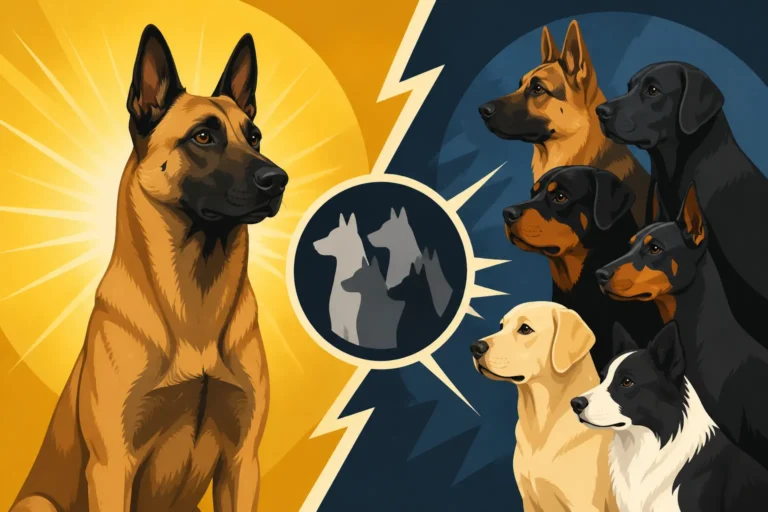
It’s a common scenario: you’re looking at a litter of Belgian Malinois puppies, trying to pick "the one," and someone inevitably whispers something about how the darker ones are always the hardest workers, or the lighter ones are mellower. The truth is, it’s incredibly frustrating to try and discern a dog's inherent drive or potential simply by the color of their coat, especially when you're dreaming of a true working partner. This guide will dive deep into why coat color is a completely unreliable indicator of a Malinois's drive, and what factors truly predict a dog's working aptitude.
The Genetic Truth Behind Color and Drive
Let's get one thing straight from the outset: the genes responsible for coat color are entirely separate from those that determine a Belgian Malinois's drive, temperament, or working ability. It’s a bit like assuming that all people with a certain hair color are naturally better at math – it just doesn’t track genetically.
What Determines Coat Color in Malinois?
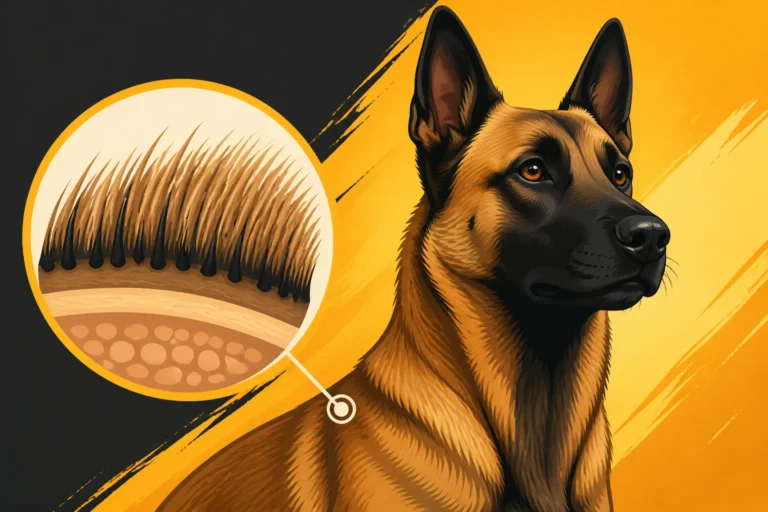
Belgian Malinois are known for their striking fawn to mahogany coats, often accompanied by that iconic black mask. These colors are determined by a complex interplay of genes, primarily dealing with two basic pigments: eumelanin (black/brown) and phaeomelanin (red/yellow). Different genes then modify how these pigments are expressed, creating the various shades we see within the breed standard. For example, the fawn color is a diluted red, and the amount of "sooting" or black overlay, as well as the intensity of the black mask, comes from other modifying genes.
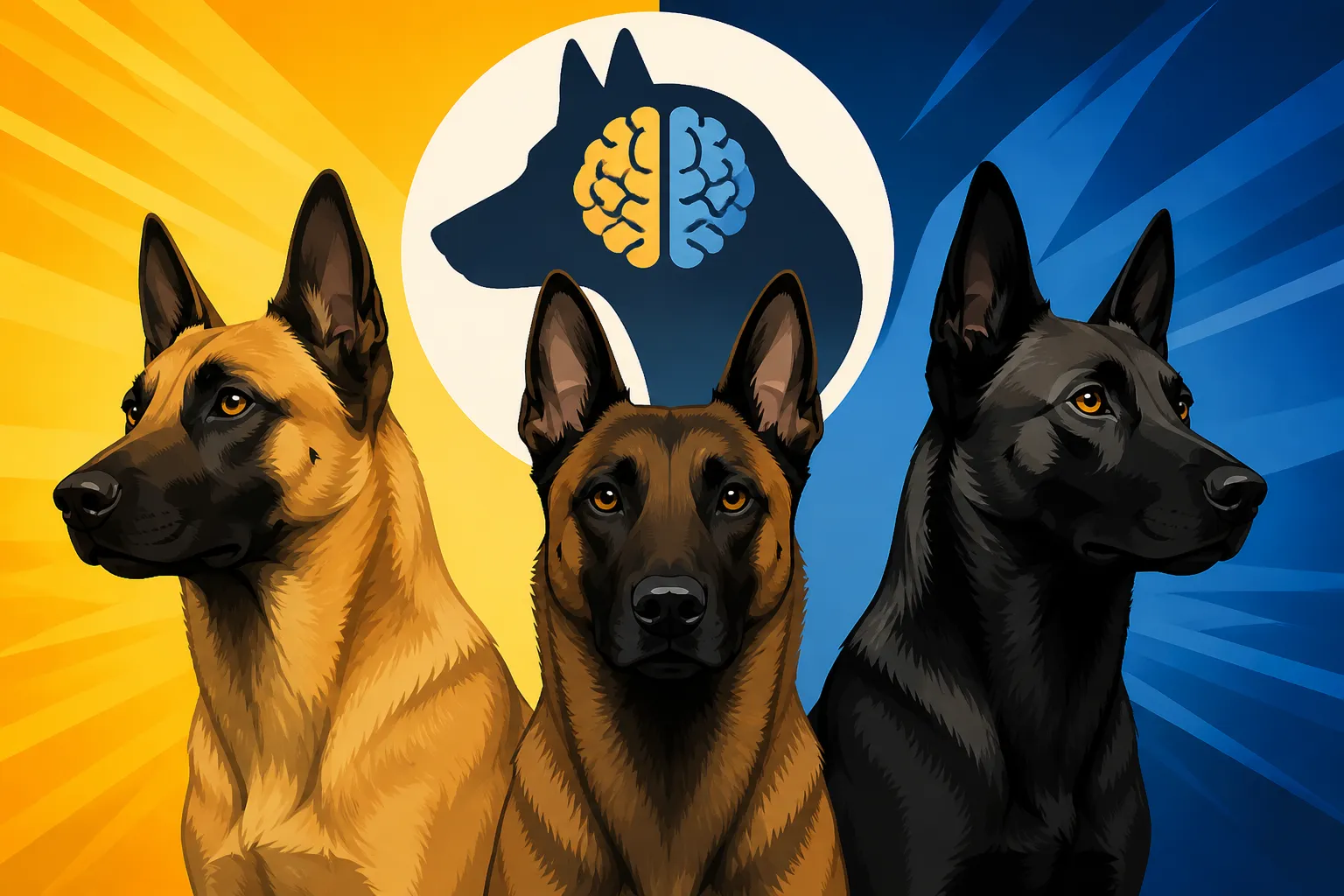
It's a fascinating area of canine genetics, but it's crucial to understand that these genes are focused purely on the aesthetic. They dictate things like whether your Malinois will be a lighter fawn or a rich mahogany, and how pronounced their mask will be, often resulting in a beautiful Fawn to Mahogany and the Black Malinois Mask. These are surface-level traits, chosen for breed identification and appearance, not for functional working capability.
What Actually Determines Drive in Malinois?
Now, let's talk about what really fuels that famous Malinois drive. We're talking about a powerhouse breed, and their intense working aptitude comes from generations of selective breeding for specific behavioral traits. This includes prey drive (their desire to chase and retrieve), fight drive (their willingness to engage and overcome resistance), nerve strength (their ability to handle pressure and stress), trainability, and environmental soundness (their confidence in various surroundings).
These are complex polygenic traits, meaning many different genes contribute to their expression. Breeders of working line Malinois spend years, even decades, carefully selecting dogs with proven working titles, sound temperaments, and exceptional health. They look at the dog's performance, their lineage, and the temperament of their ancestors and progeny. A dog that consistently shows high drive, focus, and resilience in bite work, detection, or obedience is considered valuable, regardless of whether its coat is a light fawn or a deep red. When you're looking at What a Working Line Belgian Malinois Litter Charges, you're paying for those proven traits, not a specific color.
Why the Misconception Persists
It's easy to see how certain myths about color and drive can take hold. Humans naturally look for patterns, and sometimes, a coincidence can be mistaken for a correlation.
The "Darker Coat, Stronger Dog" Myth
This myth is particularly prevalent in some circles, where the belief is that a darker, more heavily masked Malinois automatically possesses higher drive or a "harder" temperament. Perhaps it's because a darker face can appear more intense, or maybe some highly successful working dogs coincidentally had darker coats. This leads to anecdotal evidence taking root: "My last Mal was dark and a beast, so the next one has to be dark too!" This can be incredibly misleading.
The desire for a simple indicator is understandable. We want an easy shorthand to predict something as complex as a dog's drive, especially when choosing a puppy. But relying on coat color for this is like trying to gauge a car's engine performance by its paint job. A sleek black car isn't necessarily faster than a bright red one; the engine under the hood is what truly matters. We need to validate that instinct to find a quick answer, but then gently guide towards more reliable methods.
Marketing and Visual Bias
In our visually driven world, images and videos of impressive working Malinois often feature dogs with very defined black masks and rich, dark fawn or mahogany coats. These dogs look powerful, intense, and precisely what people imagine a "working Malinois" to be. This visual reinforcement, while often unintentional, can contribute to the subconscious idea that this specific look is synonymous with high drive.
Think about how movies or popular media sometimes depict working dogs – often with a very particular, almost uniform, appearance. This can create a bias where anything outside that narrow visual expectation is perceived as "lesser" or "different," even if the actual working ability is identical or even superior. It’s important to remember that a Malinois's job isn't to look a certain way, but to perform its duties with excellence and unwavering dedication.
Focusing on What Truly Matters: Breeding and Temperament
So, if color isn't the answer, what should you actually be looking for when evaluating a Malinois for its potential drive and working ability? It comes down to diligent research, transparent breeding practices, and understanding individual puppy assessment.
Researching Proven Working Lines
The absolute most critical factor in predicting a Malinois's drive is its lineage and the ethical breeding practices behind it. A reputable breeder doesn't breed for color; they breed for health, temperament, and working aptitude. This means looking for parents with verifiable titles in sports like IGP, Ring Sport, KNPV, or actual police/military service. These titles aren't just ribbons; they are objective proof of a dog's trainability, nerve, drive, and physical soundness.
Don't be shy about asking breeders about the temperament of the parents – what are they like at home? How do they handle stress? What are their strengths and weaknesses in their chosen discipline? These questions reveal far more than a coat color ever could. Reputable breeders will be open about their dogs' health clearances, often providing OFA or PennHIP results for hips and elbows, and genetic testing for conditions relevant to the breed. Knowing how to interpret these records, like Looking Up a Malinois Sire's OFA Record, is invaluable. A healthy, well-structured dog is a prerequisite for a long, successful working career, regardless of its coat shade.
Evaluating a Puppy's Individual Drive and Temperament
Even within the most impeccably bred litter, there will be variations in individual drive and temperament. This is where a good breeder's expertise shines. They will observe puppies from birth, noting their curiosity, confidence, play style, and interactions with littermates. Many breeders perform temperament tests around 7-8 weeks of age to assess things like prey drive (how enthusiastically they chase a rag), confidence with strangers, reaction to loud noises, and problem-solving abilities.
When you're choosing a puppy, or even just interacting with a young Malinois, look for specific characteristics:
- Toy Drive: Does the puppy engage eagerly with toys? Does it have a strong grip and show a desire to possess the toy?
- Food Drive: Is it highly motivated by food? Does it show good focus when food is presented?
- Confidence: Does it approach new things with curiosity rather than fear?
- Resilience: How quickly does it recover from a startling sound or new experience?
These individual observations, combined with a deep understanding of the parents' working history, will give you a far more accurate picture of a puppy's potential drive than any superficial trait like coat color. You're building a relationship from day one, and understanding how to foster that drive from the moment you bring them home, like in The First Week With a Belgian Malinois Puppy, is crucial.
Understanding the Malinois Standard's Stance on Color
It's also worth noting what the official breed standards say about color. Organizations like the American Kennel Club (AKC) and the Fédération Cynologique Internationale (FCI) outline the acceptable range of colors for the Belgian Malinois. Typically, this includes fawn, red, or mahogany, with a black mask and often black tips on the hairs (sooting). Disqualifications usually relate to colors outside this range, such as black or white markings beyond a small amount on the chest and toes.
Crucially, the breed standard never links coat color to temperament, drive, or working ability. The standard focuses on conformation – how the dog is built – because proper structure is essential for physical endurance and injury prevention in an active working dog. It describes the ideal physical appearance, from the skull to the tail carriage, and specific coat qualities. For example, Whether a Sable Belgian Malinois Is Standard is a question of color genetics and breed acceptance, not an indicator of a dog's inherent drive. This further underscores that color is an aesthetic marker, not a performance metric.
Practical Implications for Owners
Understanding that color is irrelevant to drive has significant practical implications, especially for those embarking on the journey of owning a Belgian Malinois. It shifts the focus from superficial traits to the true indicators of a healthy, high-performing dog.
Don't Judge a Book by Its Cover (or a Malinois by its Coat)
When you're looking for a Belgian Malinois, whether for sport, service, or as an active companion, you absolutely must look beyond their appearance. A lighter fawn dog with a less prominent mask can be an absolute powerhouse, an unstoppable force with incredible drive and a sharp mind. Conversely, a deep mahogany dog with a striking black mask might have a more moderate drive or a softer temperament. Every dog is an individual, and their genetics for drive and temperament are expressed independently of their color genes.
Your focus should be squarely on the dog's health, its structural soundness, and the proven working ability in its pedigree. Ask the hard questions, watch the dogs work, and spend time with the puppies. Choosing a Malinois is about finding a partner whose innate abilities and temperament align with your goals and lifestyle, because The Kind of Owner a Belgian Malinois Requires is someone dedicated to meeting their profound physical and mental needs. Don't let a misconception about color lead you astray from potentially the perfect working companion.
Equipping Your Malinois, Regardless of Color
Regardless of the shade of fawn or mahogany your Malinois wears, one thing is certain: if you've chosen a well-bred, high-drive dog, you're going to need serious gear. These aren't dogs that are content with a few flimsy toys. Their drive means they need durable, engaging tools to channel their energy and focus. Quality training equipment is an investment in their success and your sanity.
From nearly indestructible chew toys and interactive feeders to robust training aids, your shopping list will be extensive. Retailers like Chewy offer a wide array of products designed for active, powerful dogs. You'll need sturdy Tugs and Bite Pillows a Malinois Destroys during training, and a high-quality, high-protein What Performance Kibble Costs for a Malinois to fuel their endless energy. Furthermore, practical tools like What a Quality E-Collar Costs for a Belgian Malinois for off-leash reliability or a Whether a GPS Collar Is Worth It on a Malinois for adventurous outings are often essential for safe and effective management of this intelligent breed. These are the practical realities of owning a Malinois, and they apply to every dog, irrespective of its coat.
| Trait | Misconception (Color-Based) | Reality (Genetic & Behavioral) |
|---|---|---|
| Drive & Working Ability | Darker dogs have higher drive. | Determined by complex polygenic traits, selective breeding for temperament, work ethic, and nerve. Unrelated to coat color. |
| Temperament | Lighter dogs are calmer or "softer." | Determined by genetics for behavioral traits, early socialization, and consistent training. Unrelated to coat color. |
| Physical Hardiness | Certain colors indicate strength. | Determined by skeletal structure, muscle mass, overall health, and conditioning. Unrelated to coat color. |
| Trainability | Color influences ease of training. | Determined by inherent intelligence, focus, desire to please, and handler skill. Unrelated to coat color. |
| Official Recognition | Standards prefer specific colors for performance. | Breed standards define acceptable colors for appearance only. Do not link color to working aptitude. |
Disclaimer
This article is for general informational purposes only and does not constitute professional advice. Laws, prices and regulations vary by location and change over time. Consult a qualified professional for guidance on your specific situation.