The Vaccines a Working Belgian Malinois Needs
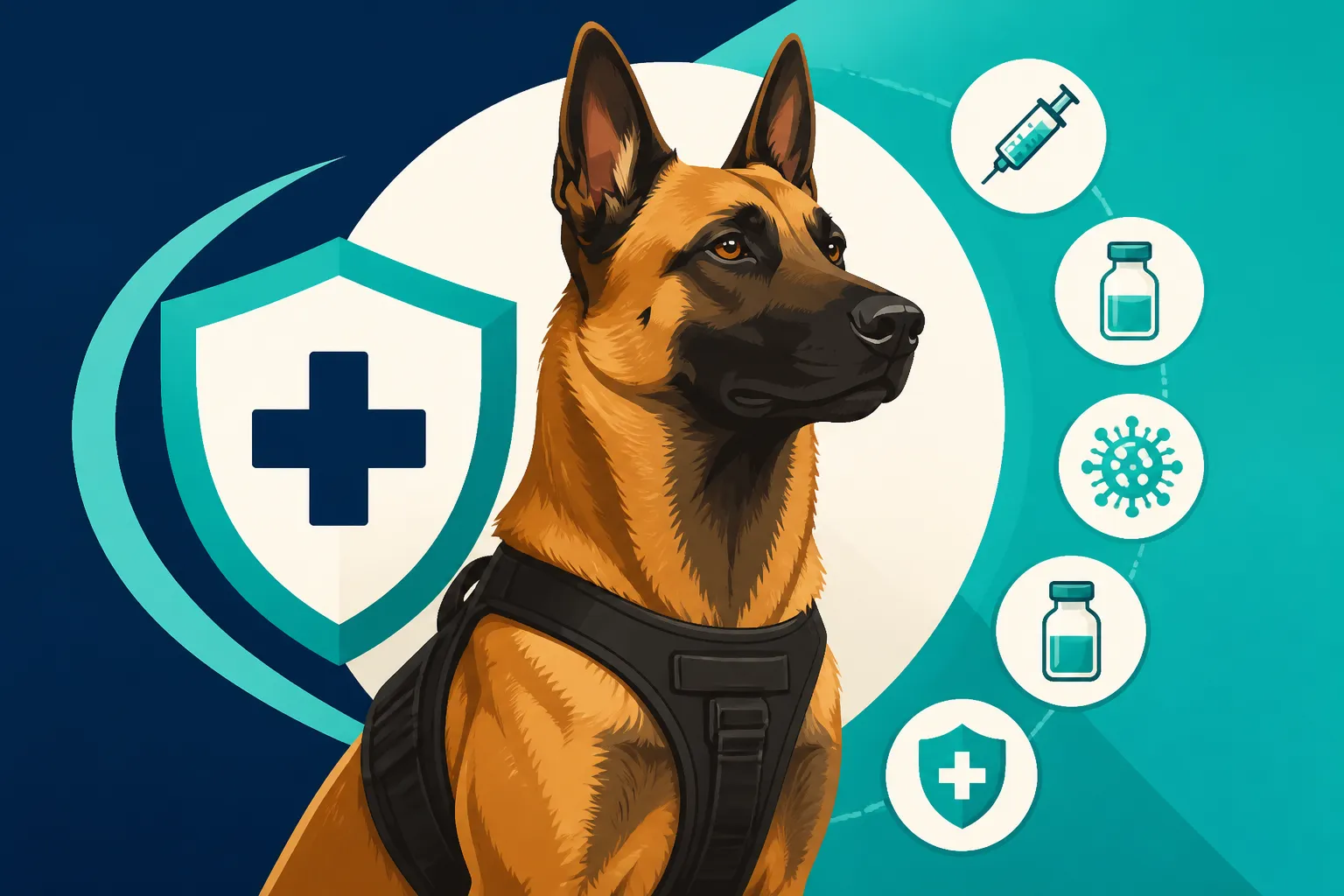
Keeping a Belgian Malinois in peak working condition is a monumental task, and nothing can sideline a driven dog faster than preventable illness. The sheer intensity of their lives, from patrol duties to high-level sport, often exposes them to environments and pathogens that could easily compromise their health and performance. This guide will walk you through the crucial vaccinations your working Belgian Malinois needs to stay sound, protected, and ready for whatever job comes next.
Core Vaccines Every Belgian Malinois Should Have
When it comes to safeguarding your working Belgian Malinois, certain vaccinations are considered foundational, non-negotiable pillars of their health protocol. These are the vaccines that protect against widespread, severe, and often fatal diseases, making them vital for every dog, but especially for those whose lives involve constant exposure to varied environments and other animals.
Distemper, Adenovirus, Parvovirus, and Parainfluenza DHPP
This combination vaccine, often referred to as DA2PP or DHPP, is the bedrock of canine immunization. It provides protection against four highly contagious and potentially deadly diseases. Distemper is a multisystemic viral disease affecting the respiratory, gastrointestinal, and nervous systems, often with devastating effects. Adenovirus, specifically Canine Adenovirus-1 (CAV-1), causes infectious canine hepatitis, which can be severe, while CAV-2 is associated with kennel cough. Parvovirus is a highly resistant and rapidly spreading virus that causes severe gastrointestinal distress, often leading to dehydration, sepsis, and death, particularly in puppies and young adults. Parainfluenza virus contributes to the complex of respiratory diseases known as kennel cough.
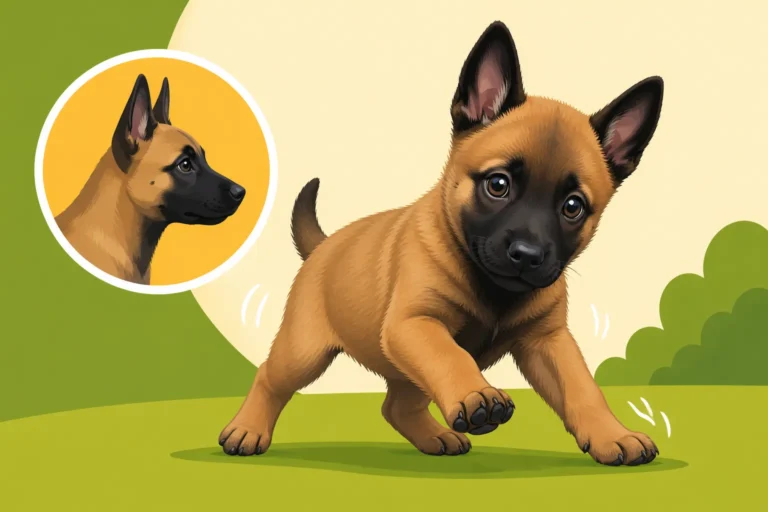
For a working Belgian Malinois, the risks associated with these diseases are amplified. Whether they are training at a Schutzhund club, attending police K9 seminars, or working in public spaces, they are constantly interacting with surfaces, environments, and other dogs that could harbor these pathogens. A typical puppy vaccination schedule involves a series of shots, usually starting around 6-8 weeks of age, followed by boosters every 3-4 weeks until 16 weeks old. After that, a booster is typically given at one year, then every three years, or as determined by your veterinarian and local regulations. The rigorous nature of their training and work means their immune system needs to be robust, and consistent vaccination ensures they have the best possible defense against these common threats. Consider this part of their essential routine, much like the regular conditioning they receive to prevent muscle strains in a Belgian Malinois during intense activity.
Rabies Vaccination
Rabies is a universally feared, invariably fatal viral disease that affects the central nervous system of mammals, including humans. Due to its public health implications, rabies vaccination is legally mandated for all dogs in most jurisdictions across the globe, and a working Belgian Malinois is no exception. In fact, their role in public service or sport often requires proof of current rabies vaccination for participation in events, travel, or simply to legally operate within many communities.
The rabies vaccine is typically administered as a single shot around 12-16 weeks of age, followed by a booster one year later. Subsequent boosters are then given every one or three years, depending on the specific vaccine used and local laws. Failure to vaccinate can result in serious legal consequences, including fines, quarantines, or even euthanasia for dogs involved in bite incidents, regardless of whether they exhibited signs of rabies. For a dog that might interact with the public, other animals, or wildlife during tracking or patrol duties, the rabies vaccine isn't just a legal requirement; it's a critical layer of protection for both the dog and everyone it encounters. Ensuring your Malinois is current on their rabies vaccine is as fundamental as providing them with a secure training environment, preparing them for any scenario where they might encounter the unpredictable.
Essential Non-Core Vaccines for Working Malinois
While core vaccines are standard for all dogs, non-core vaccines are chosen based on a dog's individual risk factors, lifestyle, and geographic location. For a working Belgian Malinois, whose life often involves unique exposures, several non-core vaccines move into the "highly recommended" or even "essential" category.
Leptospirosis: A Threat from the Environment
Leptospirosis is a bacterial disease spread through the urine of infected wildlife (such as rodents, raccoons, deer, and opossums) and thrives in stagnant water, wet soil, and muddy areas. Dogs become infected by contact with contaminated water or soil, or by ingesting infected urine. Symptoms can range from mild, flu-like illness to severe kidney and liver failure, and it can be transmitted to humans.
For a working Belgian Malinois, particularly those involved in tracking, search and rescue, or outdoor police work, the risk of exposure to leptospirosis is significantly higher than for a typical pet. They are often working in fields, swamps, wooded areas, or urban environments where wildlife may be present, and they are likely to drink from puddles or natural water sources. The vaccine typically requires an initial series of two shots, 3-4 weeks apart, followed by annual boosters. Given the often critical nature of their work and the environments they navigate, vaccinating against leptospirosis is a proactive step to prevent a debilitating illness. It's an investment in their continued health, much like understanding The Checkup Schedule a Sport Malinois Should Keep to maintain peak physical condition.
Canine Influenza Virus CIV Protecting Against Respiratory Illness
Canine Influenza Virus (CIV), commonly known as dog flu, is a highly contagious respiratory disease in dogs. There are two main strains in the U.S., H3N8 and H3N2, both capable of causing a range of symptoms from mild coughing and sneezing to severe pneumonia. While not typically fatal, it can lead to significant downtime for a working dog and potentially spread rapidly through a kennel or club.
Belgian Malinois engaged in police work, military operations, or various dog sports (like IGP, Ring Sport, or even advanced obedience classes) frequently come into close contact with other dogs. Training clubs, boarding facilities, trials, and competitions are all environments where CIV can spread quickly. If your Malinois regularly interacts with other dogs outside your immediate household or travels to events, the CIV vaccine should be a serious consideration. The initial vaccination involves two doses, 2-4 weeks apart, followed by annual boosters. This vaccine helps reduce the severity and duration of the illness, and helps prevent widespread outbreaks that could affect entire working dog units or training groups.
Bordetella Bronchiseptica: Kennel Cough Prevention
Bordetella bronchiseptica is one of the primary bacterial causes of kennel cough, a highly contagious upper respiratory infection. While usually not life-threatening, kennel cough can cause a persistent, harsh cough, discomfort, and can lead to secondary bacterial infections, like pneumonia, especially in high-drive dogs that are constantly pushing their physical limits.
Any working Belgian Malinois that spends time in group settings—be it a training club, a boarding kennel, a police K9 unit, or even just frequent visits to the vet—is at risk of contracting Bordetella. There are several forms of the vaccine: injectable, intranasal, and oral. The intranasal and oral forms often provide faster immunity and target the respiratory mucosa directly. Depending on the vaccine type, it may be given annually or every six months, sometimes requiring an initial booster. This vaccine is paramount for maintaining the health and readiness of a working dog, ensuring they don't get sidelined by a common, preventable ailment. It's often a prerequisite for many boarding facilities and dog training clubs, so it's a good idea to confirm its inclusion in your Malinois's health plan, especially when trying to find a club that will take a Belgian Malinois.
Lyme Disease: A Tick-Borne Challenge
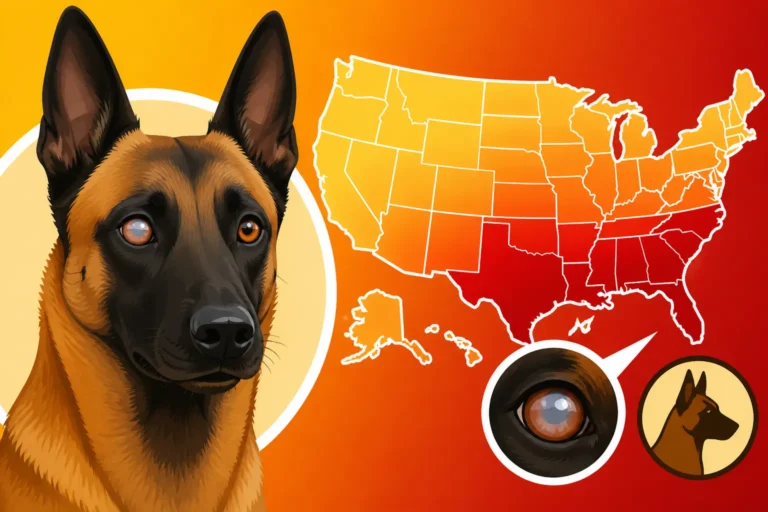
Lyme disease is a serious bacterial infection transmitted through the bite of infected blacklegged ticks (also known as deer ticks). Symptoms in dogs can include lameness due to joint pain and swelling, fever, lethargy, and in rare cases, kidney failure. For a Belgian Malinois, whose work often takes them into tall grasses, wooded areas, and dense brush, tick exposure is a consistent and unavoidable risk, potentially leading to tick borne disease in a working Belgian Malinois.
Vaccination against Lyme disease is generally recommended for dogs living in or traveling to endemic areas where ticks are prevalent. The vaccine works by preventing the Borrelia burgdorferi bacteria from establishing infection after a tick bite. It typically requires an initial series of two doses, 3-4 weeks apart, followed by annual boosters. While vaccination is an important tool, it should always be used in conjunction with comprehensive tick prevention strategies, such as topical repellents or oral medications, and daily tick checks. This multi-pronged approach offers the best defense against this debilitating disease, allowing your Malinois to focus on their job without the threat of tick-borne illness.
Tailoring a Vaccination Schedule for Your Working Dog
Every Belgian Malinois is an individual, and a working Malinois has unique demands placed on its body and immune system. Therefore, a generic vaccination schedule might not be sufficient or even appropriate. Crafting a personalized vaccination plan with your veterinarian is crucial for their long-term health and performance.
Assessing Risk Factors and Lifestyle
The most effective vaccination plan is one that directly addresses your Malinois's specific risk of exposure. For instance, a police K9 working in an urban environment might have different exposure risks than a search and rescue dog operating primarily in wilderness areas. Consider the following:
- Geographic Location: Are you in an area known for high incidences of Lyme disease or Leptospirosis? Your vet will have the most current information on regional disease prevalence.
- Type of Work: Does your Malinois frequently encounter wildlife? Is it exposed to standing water? Does it spend time in communal dog spaces like kennels or training facilities? Dogs that travel for work or competition are often exposed to a wider variety of pathogens than those primarily operating in one familiar area.
- Frequency of Contact with Other Dogs: High-contact environments warrant closer attention to vaccines like Bordetella and Canine Influenza.
- Age and Health Status: Very young puppies, senior dogs, or those with underlying health conditions might have different vaccination needs or require a modified schedule. A Malinois whose thyroid has given out might have a compromised immune system, for example, requiring careful consideration.
A good example comes from considering dogs in high-density environments. A military Malinois deployed overseas might face different disease threats compared to one working stateside, necessitating additional or more frequent vaccinations. For a pet owner, the cost of vet bills a bite sport Belgian Malinois runs up can be significant, making proactive prevention through tailored vaccination even more important.
The Role of Titers and Veterinary Consultation
For some core vaccines, rather than automatically administering boosters, your veterinarian might suggest performing antibody titers. A titer test measures the level of antibodies in your dog's blood, indicating their immune system's response to previous vaccinations. If the titers are sufficiently high, it suggests your dog still has protective immunity, potentially allowing you to skip a booster for that year. This can be a valuable approach, especially for older dogs or those who may have had a history of adverse reactions to vaccines, helping to avoid over-vaccination while still ensuring protection.
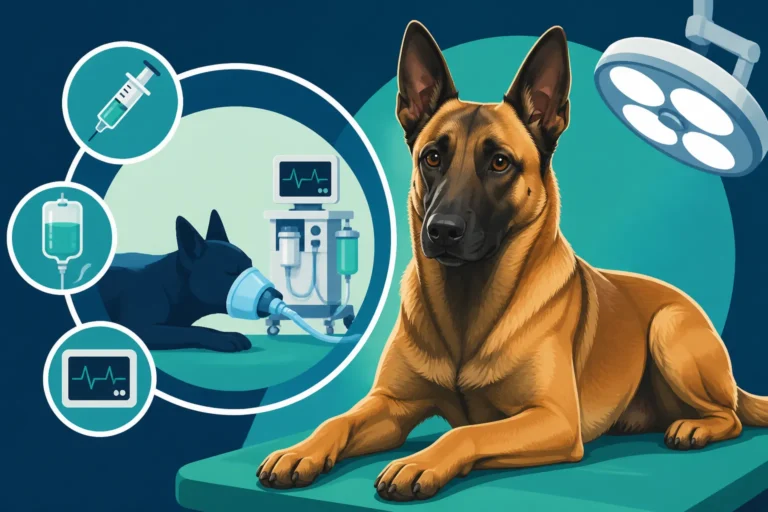
It's vital to work closely with a veterinarian who understands the specific needs of working and sport dogs. They can provide expert guidance on which vaccines are most appropriate, the ideal timing for boosters, and whether titer testing is a suitable option for your Malinois. They'll also consider your dog's overall health and discuss potential anesthesia protocols for a lean Belgian Malinois if any procedures are needed alongside vaccinations. Remember, your vet is your partner in maintaining your dog's elite health. Investing in quality pet insurance like Healthy Paws can also help cover unexpected costs related to illnesses that even vaccinated dogs might encounter, or help manage the ongoing care for conditions that can sometimes arise.
Understanding Potential Vaccine Reactions
While vaccinations are overwhelmingly safe and incredibly beneficial, it's important for every owner, especially of a working dog, to be aware of potential vaccine reactions. Most reactions are mild and short-lived, resolving on their own without intervention. Common mild reactions include:
- Soreness or swelling at the injection site: This is similar to what humans experience and usually resolves within a day or two.
- Mild fever: Your dog might feel warm or a bit lethargic.
- Reduced appetite or activity: A temporary dip in energy or interest in food.
- Sneezing or mild coughing: Especially with intranasal vaccines like Bordetella.
More serious, though rare, reactions can occur, such as allergic reactions (anaphylaxis) which can manifest as facial swelling, hives, vomiting, diarrhea, or difficulty breathing. If you observe any severe symptoms, or even concerning mild ones that persist, contact your veterinarian immediately. It’s important to monitor your Malinois closely for 24-48 hours after vaccination. Some dogs are more sensitive, and knowing whether a Malinois reacts to vaccines can inform future vaccination strategies. Healthy Paws and other pet insurance providers can often assist with the costs of emergency care should a serious vaccine reaction occur, providing peace of mind for working dog owners.
The health of your working Belgian Malinois is paramount to their performance and longevity. A well-thought-out vaccination strategy, developed in partnership with your veterinarian, is one of the most effective ways to protect them from preventable diseases. By staying current on both core and essential non-core vaccines, you're not just safeguarding your dog's health, but ensuring they remain ready to perform at their absolute best, whatever their job demands. This proactive approach to health care is a key component of what a year with a working Belgian Malinois costs, but it’s an investment that pays dividends in their well-being and continued ability to work.
Disclaimer
This guide offers general information and recommendations regarding vaccinations for Belgian Malinois. It is not a substitute for professional veterinary advice. Always consult with a qualified veterinarian to determine the most appropriate vaccination schedule and health plan for your individual dog, considering their specific health status, lifestyle, and local disease prevalence.