The Murmur Found on a Malinois Before Breeding
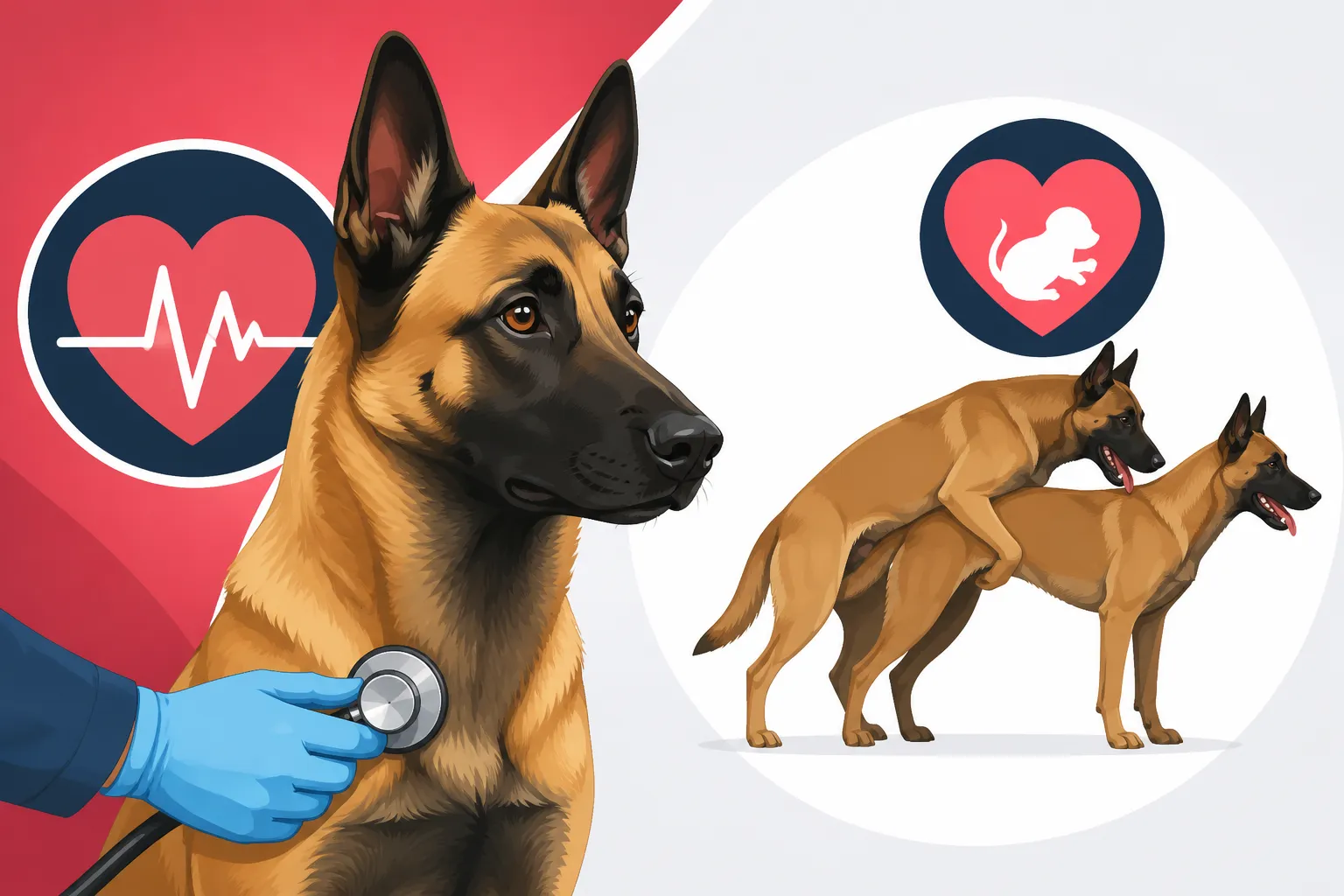
That moment when your vet mentions a heart murmur in your promising Belgian Malinois, especially one you have high hopes for in a breeding program, can feel like a punch to the gut. All those plans, all that careful selection, suddenly hang in the balance. It’s a frightening, confusing revelation, and you’re probably left wondering what it truly means for your dog and its future. This guide aims to shed light on heart murmurs in Malinois, focusing on the critical steps and considerations when one is discovered in a potential breeding dog.
Understanding What a Heart Murmur Actually Means
Hearing the word "murmur" from your vet can instantly trigger worry, but it’s crucial to understand that not all heart murmurs are created equal. A heart murmur is essentially an abnormal sound heard during the heartbeat, caused by turbulent blood flow. Think of it like a river: if the water is flowing smoothly, it’s quiet. If it hits an obstruction or a narrow spot, you hear rapids. That’s essentially what’s happening in the heart.
How Vets Grade Heart Murmurs
When a vet detects a murmur, their first step is often to grade its intensity. This grading system helps to describe how loud the murmur is and gives a rough idea of its severity, though a louder murmur doesn't always mean a more serious condition. It’s a scale from I to VI:
- Grade I: This is incredibly soft, barely audible, and sometimes only heard after careful listening in a very quiet room. It might come and go, making it easy to miss.
- Grade II: Still quiet, but consistently audible. A vet will usually pick this up without too much trouble, but it’s not jarring.
- Grade III: This is a moderate murmur, easily heard, and often quite distinct. This is where most "innocent" murmurs fall if they persist beyond puppyhood, but it also warrants further investigation.
- Grade IV: This murmur is loud and distinct, and often accompanied by what’s called a "precordial thrill," which means you can actually feel the vibration on the dog's chest wall with your hand. This is almost always indicative of underlying heart disease.
- Grade V: Very loud, also with a thrill, and so intense that you can often hear it with just the edge of the stethoscope, slightly off the chest wall. Definitely a serious concern.
- Grade VI: The loudest possible murmur, with a palpable thrill, and audible even when the stethoscope is held slightly away from the chest. This is a severe, unmistakable sign of significant heart issues.
For a Malinois, especially one with a future in demanding sports or as a breeding animal, even a low-grade murmur can be a cause for concern and certainly warrants further investigation, as their active lifestyle puts extra strain on their cardiovascular system.
When a Murmur Isn't a Problem
This is where a lot of the initial anxiety can be eased, at least temporarily. Not every murmur means your dog has a fatal heart condition. In puppies, especially active, growing Belgian Malinois pups, "innocent" or "physiologic" murmurs are quite common. These are usually soft (Grade I-III), often resolve on their own as the puppy grows, and are typically not associated with any structural heart disease. They’re thought to be due to the rapid growth, thinner chest walls, and faster blood flow in young, energetic dogs.
Typically, an innocent puppy murmur should resolve by around 16 weeks of age, though some might linger a bit longer, up to 6 months. If your Malinois puppy has a murmur detected early on, your vet might recommend rechecking it in a few weeks or months. If it's gone, fantastic! If it persists beyond six months, or if it's a higher grade, then it's no longer considered "innocent" and warrants a deeper dive with more advanced diagnostics. This is a critical distinction for a potential breeding animal, as you certainly don't want to pass on a genetic heart defect.
The Underlying Causes of Pathological Murmurs
When a murmur isn't innocent, it's called a pathological murmur, and it indicates an actual problem with the heart's structure or function. For Belgian Malinois, while not as prone to certain congenital heart diseases as some other breeds, they can still experience conditions that lead to murmurs. Some of the more common causes include:
- Subaortic Stenosis (SAS): This is a narrowing just below the aortic valve, making it harder for blood to pump out of the left ventricle to the body. This is a congenital condition (meaning present at birth) and can range from mild to severe. It’s a condition that can be hereditary in some breeds, making screening crucial for breeding Malinois.
- Pulmonic Stenosis (PS): Similar to SAS, but this involves a narrowing of the outflow tract from the right ventricle to the pulmonary artery, affecting blood flow to the lungs. Again, it's congenital and can vary in severity.
- Mitral Valve Dysplasia: This involves an improperly formed mitral valve, which is located between the left atrium and left ventricle. If the valve doesn’t close properly, blood can leak backward (regurgitate), creating a murmur.
- Ventricular Septal Defect (VSD): This is a "hole" in the wall (septum) separating the two lower chambers of the heart (ventricles). Blood flows abnormally between the two, creating turbulence and a murmur. This is another congenital defect.
- Patent Ductus Arteriosus (PDA): This is a persistent open connection between two major blood vessels, the aorta and the pulmonary artery, that should close shortly after birth. When it remains open, it creates a very distinct, continuous murmur often described as "machinery-like." This is a significant congenital defect that can lead to heart failure if untreated.
Understanding these potential underlying issues highlights why a comprehensive cardiac workup is absolutely non-negotiable for a breeding Belgian Malinois once a murmur is detected.
The Breeding Prospect and Heart Health Screening
When you’re dealing with a Belgian Malinois that’s slated for breeding, the stakes for health are incredibly high. These dogs are powerful, athletic, and intelligent, and breeders carry a profound responsibility to ensure the health of future generations. Finding a murmur means putting those breeding plans on hold until you have a crystal-clear picture of what’s going on inside that strong chest.
The Importance of Pre-Breeding Cardiac Evaluations
A pre-breeding cardiac evaluation isn't just a good idea; it's an ethical imperative. Malinois are known for their incredible drive and athleticism. A compromised heart, even subtly, could put them at significant risk during intense training, work, or even during the physical demands of pregnancy and whelping. Beyond the individual dog’s health, the primary goal of pre-breeding screening is to identify and ideally eliminate hereditary heart conditions from the gene pool. Passing on a serious cardiac defect can devastate entire litters and cause immense heartache and financial burden for future owners. Just as you'd screen for hips and elbows, or ensure you're aware of conditions like The Two Ataxia Genes Belgian Malinois Are Tested For, cardiac health is equally vital.
It’s not just about passing a stethoscope check. Many significant heart conditions might produce only a subtle murmur, or none at all, in their early stages. A proper evaluation goes much deeper, aiming to catch potential issues before they become life-threatening or are passed on.
Tools for a Thorough Cardiac Workup
Once a murmur is heard, your regular vet will likely recommend a referral to a board-certified veterinary cardiologist. These specialists have the equipment and expertise to thoroughly evaluate your Malinois's heart. Here are the key diagnostic tools they employ:
- Echocardiogram (Cardiac Ultrasound): This is the gold standard for diagnosing heart disease. It uses sound waves to create real-time images of the heart’s structure and function. A cardiologist can see the heart chambers, valves, major blood vessels, and measure blood flow. They can identify structural abnormalities like stenoses (narrowings), valve malformations, holes in the heart, and assess the heart’s pumping ability. For a breeding Malinois, this detailed view is indispensable for determining if a murmur is physiological or indicative of a problem.
- Holter Monitor (Ambulatory ECG): If there’s a concern about arrhythmias (irregular heartbeats), a Holter monitor is used. This is a portable ECG device that the dog wears for 24-48 hours, continuously recording their heart’s electrical activity as they go about their normal routine. This is particularly useful for detecting intermittent arrhythmias that might not be present during a brief vet visit. While less directly related to murmurs, it’s a crucial component of a full cardiac picture, especially for breeds susceptible to certain electrical abnormalities.
- Chest Radiographs (X-rays): While not as detailed as an echocardiogram for structural issues, chest X-rays can provide information about the overall size and shape of the heart, the presence of fluid in the lungs (pulmonary edema), or other changes in the chest cavity that might be related to heart disease. They give a good general overview of the heart’s silhouette and the health of the lungs.
- Electrocardiogram (ECG/EKG): A standard ECG measures the electrical activity of the heart. It can detect arrhythmias, chamber enlargement, and other electrical abnormalities. It's often performed alongside other diagnostics but provides different information than an echo.
These tools, especially the echocardiogram, allow the cardiologist to pinpoint the exact cause of the murmur, its severity, and whether it has any implications for the dog's health or genetic transmission. For example, if a veterinarian identifies an abnormal heart sound, they might recommend a full cardiac screen even if the dog has passed previous routine checks, especially if there's any concern about a genetic predisposition.
When to Consult a Veterinary Cardiologist
The short answer is: always, when a murmur is detected in a potential breeding animal, or if a persistent murmur (beyond 6 months of age) is found in any Malinois. Your general practice veterinarian is excellent at identifying murmurs and performing initial assessments, but a board-certified veterinary cardiologist has specialized training and equipment to accurately diagnose the underlying cause, if any.
Relying solely on a general practitioner's stethoscope evaluation for a breeding decision involving a murmur is simply not sufficient. A cardiologist’s interpretation of an echocardiogram, often accompanied by a detailed report and genetic counseling, provides the definitive answers you need. They can differentiate between an innocent flow murmur and a significant structural defect that might preclude breeding. This specialized input is invaluable, as a misdiagnosis could lead to heartbreak or, worse, the propagation of a serious health issue within the breed. Remember, proactive health management, including regular vet visits as part of The Checkup Schedule a Sport Malinois Should Keep, is key. Many owners find that robust pet insurance like Healthy Paws can significantly ease the financial burden of these specialized diagnostic tests.
Navigating a Murmur Diagnosis in a Potential Breeder
Receiving a diagnosis of a heart murmur, especially one deemed pathological, can be devastating. However, it's not always the end of the road, and responsible decision-making is paramount.
Deciphering the Cardiologist's Report
Once your Malinois has seen the cardiologist, you'll receive a detailed report. This isn't just a simple "yes" or "no" answer. It will contain specific measurements, observations, and a diagnosis. Don't be afraid to ask your cardiologist to explain everything in layman's terms. Key things to look for and discuss include:
- Specific Diagnosis: Is it Subaortic Stenosis, Pulmonic Stenosis, a VSD, or something else? Knowing the exact condition is the first step.
- Severity: Cardiac conditions are often graded by severity (e.g., mild, moderate, severe SAS). This impacts the dog’s prognosis and the risk of passing it on.
- Prognosis: What is the long-term outlook for your Malinois? Will they require medication or lifestyle changes? Can they still maintain a demanding routine?
- Hereditary Nature: Is the condition known to be hereditary in Belgian Malinois or other breeds? This is the most crucial question for breeding purposes. Some conditions are clearly genetic, while others may be acquired or idiopathic.
- Recommendations: The cardiologist will provide recommendations for ongoing care, monitoring, and, most importantly, a clear stance on whether the dog should be bred.
This report will be your guide, and understanding it thoroughly will empower you to make informed, ethical decisions. Remember, diagnosing a complex condition like this is rarely a quick, cheap process, and the investment in time and money is part of responsible dog ownership. Pet insurance plans, such as those offered by Healthy Paws, can be lifesavers when facing unexpected specialized veterinary care costs, helping you cover the comprehensive workup your Malinois might need.
Making the Decision: Breeding vs. Pet Only
This is arguably the hardest part. If the cardiologist diagnoses a hereditary heart condition, even a mild one, the resounding recommendation will almost certainly be against breeding that dog. The ethical responsibility of a breeder is to improve the breed, not to perpetuate known health issues. Introducing a genetic heart condition into future generations could lead to widespread problems, diminishing the overall health and lifespan of the breed.
| Murmur Grade | Typical Findings & Implications | Breeding Recommendation |
|---|---|---|
| Grade I-II | Soft, often transient, especially in puppies. May be "innocent" flow murmur. | Full cardiac workup by cardiologist recommended. If cleared, breeding may proceed. |
| Grade III | Moderate, sometimes innocent, but more likely to indicate underlying disease. | Full cardiac workup by cardiologist is essential. Breeding generally discouraged unless definitively cleared by cardiologist. |
| Grade IV-VI | Loud, often with a thrill. Almost always indicates significant structural heart disease. | Strictly no breeding. Dog's health takes priority. |
| Persistent (past 6 months) | Any murmur persisting past puppyhood. | Full cardiac workup by cardiologist is essential. Breeding status depends entirely on the cardiologist's findings. |
Even if the condition is mild and manageable for your individual Malinois, passing on a gene that could manifest severely in offspring is a risk no responsible breeder should take. It’s a painful decision, but choosing to neuter/spay a dog with a hereditary defect, even a beloved and otherwise excellent animal, is a testament to your dedication to the breed’s health. Instead, that Malinois can go on to be a fantastic companion or excel in other non-breeding endeavors. For instance, dogs with mild conditions can often still enjoy an active life in sports like obedience or scent work, provided their condition is managed appropriately and their vet clears them. Just ensure that when you prepare for something like Anesthesia Protocols for a Lean Belgian Malinois, your vet is fully aware of their cardiac status.
Living with a Malinois with a Heart Condition
If your Malinois is diagnosed with a heart condition that rules them out of breeding, it doesn't mean their quality of life has to suffer drastically. Many heart conditions, especially mild to moderate ones, can be managed effectively with medication and lifestyle adjustments.
Your cardiologist will outline a specific treatment plan, which might include:
- Medication: Depending on the condition, medications can help manage symptoms, improve heart function, or slow disease progression.
- Dietary Changes: Some heart conditions benefit from specific diets, such as those lower in sodium.
- Exercise Modification: While Malinois are high-energy dogs, some cardiac conditions may require adjusting the intensity or duration of exercise. This doesn't mean no exercise, but perhaps more controlled activities rather than high-impact, high-stress work. You might need to learn to interpret Signs a Belgian Malinois Is Slowing Down, even subtly.
- Regular Monitoring: Your Malinois will likely need regular follow-up appointments with the cardiologist to monitor their condition and adjust treatment as necessary.
The goal is to provide your Malinois with the best possible quality of life. They might not be a breeding dog, but they can still be a cherished companion and live a fulfilling life. Understanding their condition and working closely with your veterinary team will ensure they receive the care they need, allowing them to enjoy their golden years to the fullest, potentially even past The Age Most Malinois Live To.
Disclaimer
Please remember that this article is intended for informational purposes only and is not a substitute for professional veterinary advice. Always consult with a qualified veterinarian or a board-certified veterinary cardiologist regarding any health concerns or before making any decisions about your dog's care or breeding status.