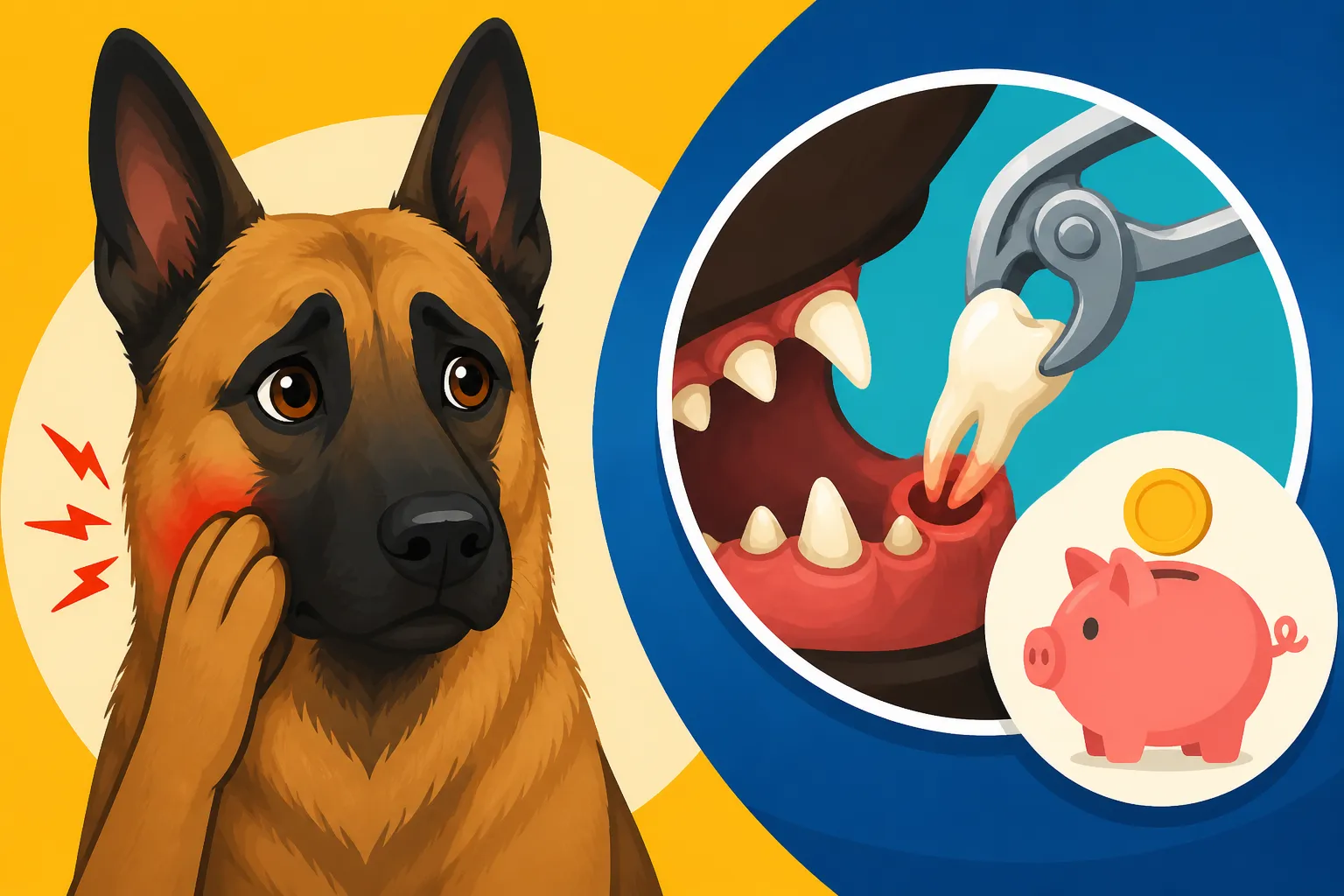
What Extracting a Malinois’s Tooth Costs
It's a truly gut-wrenching moment when you realize your vibrant, high-drive Belgian Malinois has a dental problem. Maybe you noticed some unusual pawing at their mouth, or a sudden reluctance to tug their favorite toy. Perhaps it was that distinct, unpleasant odor, or worse, you found a chipped or broken tooth after a training session or a vigorous chew. The immediate thought, beyond their pain, is often, "Oh no, what is this going to cost?" Extracting a Malinois's tooth isn't just about pulling a loose tooth; it can be a complex veterinary procedure with a range of associated expenses that can catch even the most prepared owner off guard. This guide will walk you through the various factors that influence the total bill, helping you understand what goes into such a necessary, but often costly, intervention.
The Real Cost Factors Behind a Malinois Tooth Extraction
When we talk about the cost of a tooth extraction for your Belgian Malinois, it's never a simple, flat fee. It's a spectrum, truly, and it's influenced by so many different variables, from the complexity of the tooth itself to where you live and the specific veterinary clinic you choose. It’s not like buying a bag of kibble off Chewy, where the price is clearly listed and predictable. This is a medical procedure, and like any medical procedure, it has many moving parts.
Understanding the Initial Examination and Diagnostics
Before any tooth can be extracted, your vet needs to understand the full picture. This isn't just a quick look-see. It usually involves a thorough oral examination, which might require sedation if your Malinois is particularly uncomfortable or has a low tolerance for having their mouth handled. After all, a Malinois, even a well-trained one, might not appreciate a vet poking around a painful area!
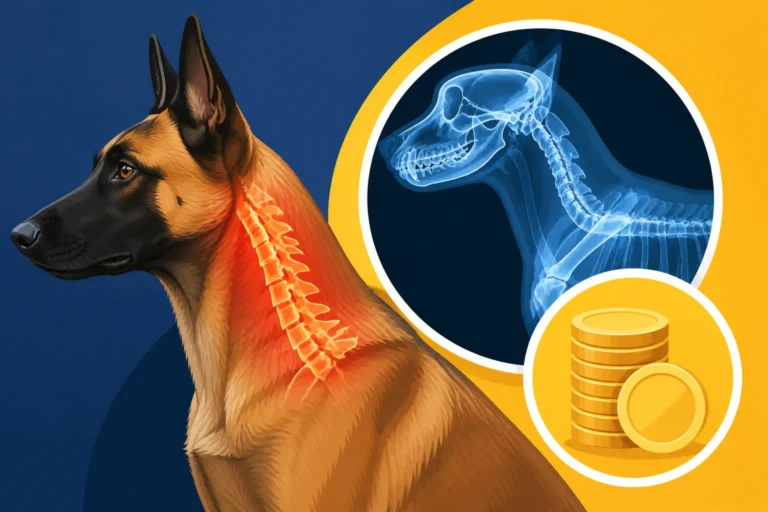
Crucially, dental X-rays are almost always necessary. What you see on the surface of a tooth is often only half the story, especially with a breed like the Malinois that can be stoic about pain. The real problem, like root damage, abscesses, or hidden fractures, lies beneath the gum line. A vet in a busy urban practice might have state-of-the-art digital radiography, which contributes to their overhead, while a smaller, rural clinic might have older equipment. These X-rays are vital for guiding the extraction process and ensuring no fragments are left behind. They also help identify other potential issues that might need addressing, preventing future problems. For example, a seemingly minor chip might extend deep into the pulp, necessitating a root canal if extraction is to be avoided, or a more involved surgical extraction if it's too damaged. The Cost of Repairing a Malinois's Broken Canine is a related topic worth exploring if you're weighing options.
Then there's the pre-anesthetic bloodwork. Your Malinois needs to go under general anesthesia for a tooth extraction, and that’s a big deal. Before any vet sedates a high-energy dog like a Malinois, they need to ensure their liver and kidneys are functioning properly to process the anesthetic agents. This blood panel is non-negotiable for responsible veterinary care and adds to the overall cost, but it's a critical safety measure. You definitely want to make sure your Malinois is healthy enough for the procedure, because these dogs can be prone to certain sensitivities. Anesthesia Protocols for a Lean Belgian Malinois highlights just how important this pre-check is.
Complexity of the Extraction Itself
This is where the cost can truly fluctuate wildly. A simple extraction of a loose, single-rooted incisor is a vastly different procedure from surgically removing a fractured molar with multiple, deeply embedded roots.
- Simple Extraction: Imagine a baby tooth that just needs a little wiggle and pull. While still done under anesthesia, these are quicker and less invasive. The vet might use instruments to gently loosen the periodontal ligament before removing the tooth.
- Surgical Extraction: This is much more involved. If the tooth is broken below the gum line, or if the roots are severely curved or fused to the jawbone (which can happen, especially with the strong jaws of a Malinois), the vet will need to make an incision in the gum, potentially drill away some bone to access the roots, and then suture the gum closed afterward. This takes more time, specialized tools, and greater skill, naturally increasing the fee. Think about the difference between pulling a splinter and performing appendectomy. The latter requires more resources and expertise.
- Number of Teeth: It's not uncommon for a Malinois to have multiple dental issues. If one fractured tooth necessitates a full dental cleaning and the extraction of several other teeth, the cost will obviously compound. Each tooth has its own complexity.
Sometimes, a vet might discover a significant issue that leads to a recommendation for a root canal rather than an extraction, especially for important working teeth like canines. Whether Titanium Crowns Are Worth It on a Malinois delves into alternatives for preserving those critical bite tools.
Understanding the Procedure: What Actually Happens During a Malinois Dental Surgery
It's easy to get caught up in the numbers, but understanding what your Malinois goes through can help contextualize the costs and ensure you're getting the best care. This isn't just about dollars and cents; it's about your dog's health and comfort.
Anesthesia and Monitoring
Your Malinois will be under general anesthesia, and this isn't just "put to sleep." It's a carefully managed process. A dedicated veterinary technician will monitor your dog's vital signs throughout the entire procedure: heart rate, respiration, blood pressure, oxygen saturation, and temperature. This constant vigilance is critical, especially for an active breed that might have underlying health traits. Should anything deviate from the norm, the vet team can react immediately. This monitoring, including the equipment and the trained personnel, is a significant part of the overall cost. It's an investment in your dog's safety. What to Tell a Vet Before a Malinois Is Sedated is a useful resource for preparing for this part of the process.
Fluid therapy is often administered intravenously during anesthesia to maintain blood pressure and hydration, particularly if the procedure is lengthy. Pain medication is also given before, during, and after the extraction to keep your Malinois as comfortable as possible. These pre-emptive measures dramatically reduce post-operative pain and improve recovery.
The Extraction Process and Post-Procedure Care
Once your Malinois is safely under anesthesia, the dental team gets to work. This typically involves scaling (removing tartar from the tooth surface), polishing (smoothing the tooth surface to prevent future plaque buildup), and then, the extraction.
For a simple extraction, the vet will carefully loosen the tooth from its socket. For a surgical extraction, they'll create a gingival flap, remove bone as needed, divide multi-rooted teeth, extract the pieces, and then suture the gum tissue back over the extraction site. These sutures often dissolve on their own, but sometimes a follow-up visit is needed for removal.
Here's a breakdown of what might contribute to the costs during and immediately after the procedure:
| Cost Factor | Description | Impact on Total Cost |
|---|---|---|
| Initial Consultation | Vet examination, discussion of symptoms, basic oral check. | Moderate |
| Pre-Anesthetic Bloodwork | Labs to assess organ function for anesthesia safety. | Moderate |
| Sedation/Anesthesia | Drugs, gases, and the time your Malinois is under. | High |
| Anesthetic Monitoring | Equipment and technician time for vital signs. | High |
| Dental X-rays | Intraoral radiographs to assess root health and bone structure. | Moderate to High |
| Simple Extraction | Removal of a single-rooted, non-complicated tooth. | Low to Moderate |
| Surgical Extraction | Removal of fractured/multi-rooted teeth, involving gum incision, bone removal, and sutures. | Moderate to High |
| Pain Medication (Injectable) | Administered during and immediately after the procedure. | Low |
| Antibiotics (Injectable) | Given if infection is present or suspected. | Low |
| IV Fluids | Maintains hydration and blood pressure during anesthesia. | Low |
| Consumables | Sterile drapes, gloves, surgical blades, sutures, masks, etc. | Low |
| Post-Op Instructions | Detailed care instructions for home recovery. | Included |
After the procedure, your Malinois will be carefully monitored as they wake up. They'll likely be groggy, but the vet staff will ensure they're stable before they're discharged. This recovery period in the clinic, even if short, is part of the service provided.
Post-Extraction Care and Hidden Costs
The bill doesn't always end when you walk out the door. There are critical aspects of post-operative care and potential complications that can add to the financial burden, and it's important to be prepared for them.
Medications for Home Recovery
Your Malinois will almost certainly come home with medications. This typically includes oral pain medication (NSAIDs like carprofen or gabapentin) to keep them comfortable for several days, and often a course of antibiotics to prevent infection at the extraction site, especially if there was an abscess or significant inflammation. The cost of these medications will be added to your total bill or prescribed separately. They're not optional; they're vital for a smooth recovery and to prevent further issues that could lead to even greater expense down the line.
Soft Food and Restricted Activity
For a week or two following a significant extraction, your Malinois will need to eat soft food. This means no hard kibble, no bones, and definitely no hard chew toys. You might need to temporarily switch their diet or simply soak their regular kibble to soften it. If your Malinois is on a specific performance diet, or you typically feed them a raw diet, you'll need to adjust to ensure the extraction site isnals properly. This might mean purchasing specific soft food brands for a short period. While the direct cost of this change might be minimal, it's an adjustment to your routine and budget that you should factor in.
Beyond diet, your Malinois will need restricted activity. No intense training, no bite work, no vigorous tugging, and certainly no large jumps or climbs for a period. This is tough for a high-energy Malinois, who typically needs Two Hours and a Job a Belgian Malinois Demands Daily. Keeping them calm and preventing them from reopening the wound or dislodging a clot is paramount. This might mean more mental stimulation through puzzle toys (soft ones!) rather than physical exertion, or extra leash walks instead of off-leash romps, which can have an indirect "cost" in terms of your time and effort. Whether a Malinois Puppy's Biting Is Aggression can offer insight into managing oral fixation, which will be critical during this recovery period.
Follow-Up Visits and Potential Complications
Sometimes, a follow-up visit is recommended a week or two after the extraction to check on the healing process, especially if multiple teeth were removed or if there were complications. This might be a quick check, or it might require a brief sedation if your Malinois is uncooperative about having their mouth examined.
And then there are potential complications, though thankfully rare with proper care. These could include:
- Infection: Despite antibiotics, an infection could develop, requiring further medication or even a re-check.
- Bleeding: Excessive bleeding from the extraction site, though usually minor and managed at home.
- Dry Socket: While more common in humans, it's possible for the blood clot to dislodge, leading to pain and delayed healing.
- Damage to Adjacent Teeth/Jaw: In very rare, complicated cases, nearby structures could be affected.
These unforeseen issues would, of course, add to the overall expense, often including emergency vet visits. It’s why having a financial cushion for your Malinois is so important.
How to Prepare for the Unexpected: Protecting Your Wallet and Your Malinois
The reality of Belgian Malinois ownership is that they are robust, active dogs, but they are not immune to injury or illness. Preparing for potential veterinary expenses, especially unexpected ones like a tooth extraction, is a crucial part of responsible ownership.
Pet Insurance: A Financial Safety Net
One of the most effective ways to mitigate the financial shock of a costly vet bill is pet insurance. Plans vary wildly, but a good accident and illness policy can cover a significant portion of unexpected expenses, including diagnostics, surgery, anesthesia, and medications for a tooth extraction. You'd typically pay a monthly premium, meet a deductible, and then the insurance company reimburses you for a percentage of the covered costs.
Providers like Healthy Paws are popular choices among dog owners. It's important to read the fine print to understand what's covered, what exclusions exist (pre-existing conditions are a common one), and what your reimbursement percentage will be. While pet insurance doesn't eliminate the cost entirely, it can transform a devastating bill into a manageable one. It's something to seriously consider, especially with a breed that often pushes its physical limits in training or work. What Pet Insurance Runs on a Working Malinois can provide more detailed information on this topic.
Emergency Fund and Payment Plans
Even with insurance, you'll still have out-of-pocket expenses for deductibles and co-pays. Maintaining a dedicated emergency fund for your Malinois is a smart move. Setting aside a little each month can build up a cushion for those unexpected vet visits.
Many veterinary clinics also offer payment plans through third-party financing options. These can provide a line of credit specifically for veterinary expenses, allowing you to spread the cost over several months with low or no interest, depending on the terms. Don't hesitate to ask your vet about these options if you're faced with a large, unexpected bill. It's far better to ask than to delay necessary treatment for your Malinois.
Preventative Care is Key
While not every tooth issue is preventable, proactive dental care can go a long way in reducing the risk of major extractions. Regular tooth brushing, using dental chews (appropriate for a strong Malinois bite that won't cause fractures!), and routine professional dental cleanings can keep their mouth healthy. Catching issues early, like minor tartar buildup or early gingivitis, can prevent them from escalating into painful infections or fractures that require extraction. It's an investment in their long-term health and your financial peace of mind. A yearly Checkup Schedule a Sport Malinois Should Keep should always include a thorough dental check.
Ultimately, the cost of extracting a Malinois's tooth is an investment in their health, comfort, and continued ability to thrive. By understanding the factors involved and preparing financially, you can ensure your driven companion gets the care they need without breaking your own bank entirely.
Disclaimer
This article is for general informational purposes only and does not constitute professional advice. Laws, prices and regulations vary by location and change over time. Consult a qualified professional for guidance on your specific situation.