Starting Malinois Recall the Week It Comes Home
Bringing home a new Belgian Malinois puppy is often a whirlwind of excitement, boundless energy, and maybe a little bit of beautiful chaos. One of the biggest fears new owners face is the thought of their lightning-fast, highly driven pup bolting off, deaf to all calls. This comprehensive guide is here to walk you through the absolute essentials of starting recall training the very week your Malinois puppy comes home, building a foundation that will keep them safe and connected to you for life.
Why Recall Is Non-Negotiable for a Malinois Puppy
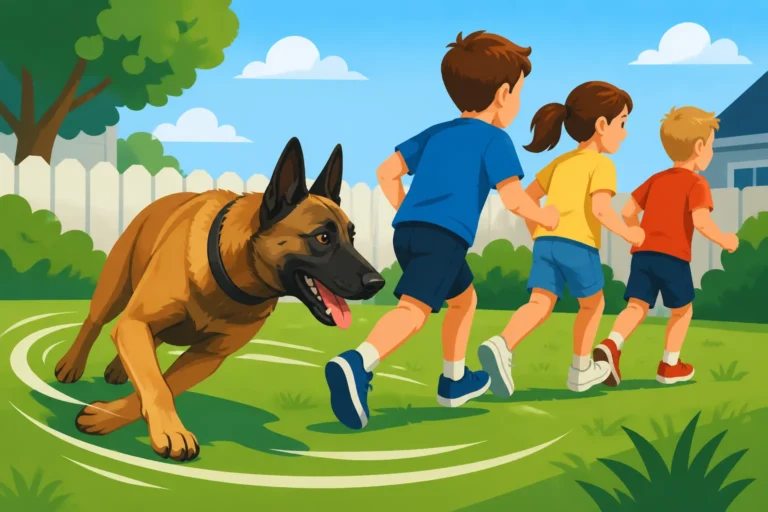
Let's be honest: a Belgian Malinois isn't your average "come when called" dog. These are animals bred for intense work, incredible speed, and an unwavering prey drive. If you've ever watched a Malinois in action, you know they can cover ground at an astonishing rate, and once their focus locks onto something – whether it's a squirrel, a leaf blowing in the wind, or just a new scent – it can be incredibly difficult to break that concentration. This isn't stubbornness; it's instinct. And that instinct, if left unchecked, can quickly put your dog in harm's way.
Imagine this scenario: you're out for a walk, and suddenly, a rabbit darts across the path. Your Malinois, even on a leash, might lunge with such force they pull the leash right out of your hand. Or perhaps you're in a seemingly secure fenced yard, but a gate is accidentally left ajar, and your pup, in a burst of playful energy, slips through. Without a rock-solid recall, that moment of freedom can turn into a terrifying search, a dangerous encounter with traffic, or even a lost dog scenario. The stakes are incredibly high with a breed this powerful and fast, and that's why recall isn't just a convenience; it's a life-saving command that needs to be instilled from day one. The Shark Phase Every Malinois Puppy Goes Through often involves a lot of exploring with their mouths and senses, and those developing instincts need clear guidance.
Understanding the Malinois Drive for Independence
Part of the Malinois charm is their keen intelligence and independence. They are problem-solvers, and if they perceive that exploring something new or chasing a moving object is more rewarding than coming back to you, they will absolutely choose that path. This isn't personal; it's simply how their magnificent brains are wired. They're not looking to spite you; they're looking to engage with the world in the most stimulating way possible. Your job, especially in these crucial early weeks, is to convince them that you are the most stimulating, most rewarding, most exciting thing in their world.
This means every interaction around recall needs to be overwhelmingly positive. You're not just teaching them to "come," you're building a bond of trust and excitement around your presence. If coming back to you means getting yelled at for something they've done, or having their fun cut short, they'll quickly learn to avoid it. We're aiming for a dog that wants to come back, not one that reluctantly obeys to avoid punishment.
Setting the Stage: Environment and Equipment for Early Recall
Before you even utter the word "come," you need to ensure you have the right environment and tools to set your Malinois puppy up for success. Trying to teach recall in an overly stimulating or unsafe area is a recipe for frustration for both of you. Think of it like teaching a child to read in a noisy playground – it's just not going to work efficiently.
Creating a Safe, Controlled Training Space
The very first recall lessons should happen in the most distraction-free environment possible. For most people, this means indoors. Your living room, a hallway, or a small, secure, puppy-proofed area is ideal. The goal is to eliminate anything that could capture your puppy's attention more strongly than you can. Once they consistently understand the concept indoors, you can gradually move to a slightly more distracting environment, like a secure, fenced yard that has no escape routes and no tempting outside stimuli like other dogs or people walking by.
It's tempting to think your backyard is "safe enough," but a Malinois puppy's ability to squeeze through small gaps, jump surprisingly high, or dig under fences is legendary. Until recall is proofed against real-world distractions, never rely on an open, unsecured space. Always assume your Malinois will find the one weakness in your fencing.
Essential Equipment for Early Recall Success
Having the right gear makes a huge difference, not just in safety, but in the effectiveness of your training.
- A Well-Fitting Collar or Harness: For a young puppy, a flat buckle collar or a comfortable, well-fitting harness is perfect. Avoid anything that causes discomfort or could slip off easily. The goal is connection, not correction.
- A Lightweight Long Line: This is arguably the most critical piece of equipment for early recall training. A long line (think 15-30 feet) allows your puppy to explore a bit while still giving you a physical connection and the ability to gently guide them back to you if they get distracted. It's not for yanking, but for safety and gentle redirection. You can find excellent options on Amazon. Long Line Work With a Malinois in Open Ground explores this in more detail for later stages, but the principle applies even in a small yard.
- High-Value Treats: Forget the bland kibble. For a Malinois, recall needs to be associated with absolute jackpot rewards. Think small pieces of cooked chicken, cheese, hot dogs, or specialty training treats. These treats should be reserved only for recall to maximize their value.
- Engaging Toys: For many Malinois, a favorite tug toy can be as high-value as food, if not more so. A short game of tug can be a fantastic reward for a successful recall.
Consider investing in a good quality long line and a variety of high-value treats from a reputable pet supply store or online retailer like Amazon. Having these ready the moment your puppy arrives will give you a head start.
The Very First Steps: Building Value in Coming Back
The foundation of successful recall isn't about teaching a command; it's about building a positive emotional response to your call. Your puppy needs to learn that hearing "come!" or their name, followed by you, means something absolutely wonderful is about to happen.
Making "Come" the Best Word Ever
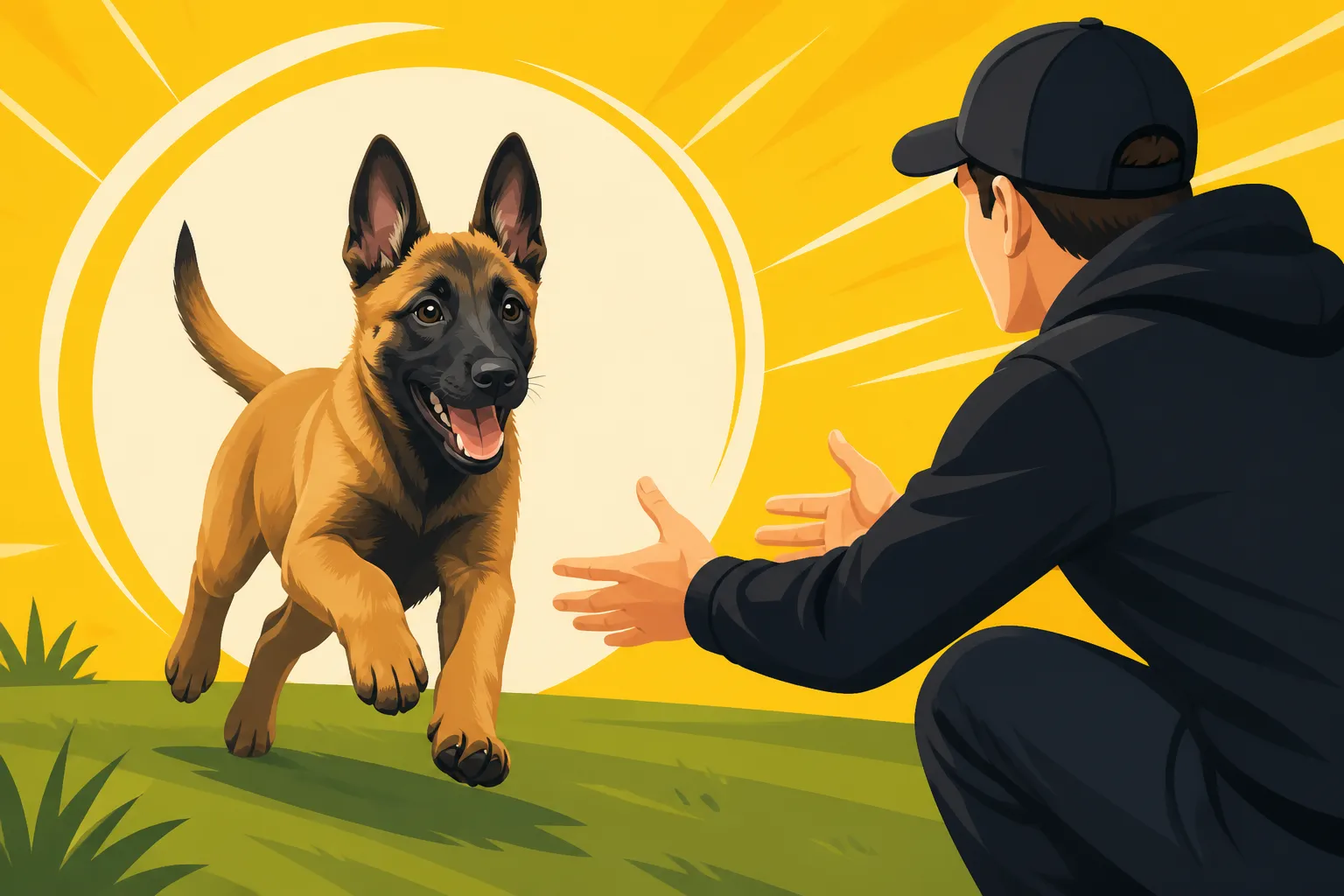
From the moment your Malinois puppy steps through your door, start associating your call with pure joy. Don't wait until they're exploring far away. When they're right next to you, squat down, clap your hands gently, use an excited, happy voice, and say their name or "come!" The instant they look at you, enthusiastically reward them with a super high-value treat or a quick game with their favorite toy. Do this many, many times throughout the day, even if they only take one step towards you.
The key here is repetition and consistently positive reinforcement. You want to build a deep-seated anticipation in your puppy: "Oh, when I hear that sound, amazing things happen right here!" Avoid using "come" when you're frustrated, when you need to do something they don't like (like nail trims or putting them in their crate), or when you're going to scold them. You never want them to associate "come" with anything negative. Teaching a Malinois Puppy to Take Food Gently is a great skill to practice alongside recall, ensuring they're calm when taking their high-value rewards.
The Power of Play and Proximity
For a Malinois, interaction and play are huge motivators. Instead of just calling them and giving a treat, incorporate play into your recall. Call them, and when they come, initiate a short, enthusiastic game of tug, or throw their favorite ball a couple of times. This taps into their natural drive and makes coming to you an active, engaging experience, not just a passive treat delivery.
Work on building engagement with your puppy in general. The more interested they are in you, the more likely they are to respond to your calls. Spend time simply playing with them, talking to them, and being silly. A strong bond is the bedrock of any successful training, and with a Malinois, that bond is often forged through shared activity and fun. Programs like BAXTER & Bella offer excellent guidance on puppy engagement and foundational skills that support a strong recall.
Daily Recall Practice for Week One
| Environment | Indoors, minimal distractions, secure puppy-proofed room. |
|---|---|
| Distance | 2-5 feet. Puppy should be close to you. |
| Cue | Puppy's name + "Come!" or just "Come!" (use consistently). |
| Action | Squat down, clap hands, use an excited voice. |
| Reward | INSTANT high-value treat (chicken, cheese, hot dog pieces) AND enthusiastic praise/short play session. Make it a jackpot! |
| Frequency | 10-15 short sessions throughout the day (5-10 repetitions per session). Keep it fun and end on a high note. |
| Avoid | Using the cue when angry, to punish, or when you know they won't come. Chasing your puppy to get them. Repeating the cue endlessly without response. Allowing them to ignore you without consequence. |
Gradual Progression: Adding Distance and Distraction
Once your Malinois puppy is reliably bounding to you indoors with enthusiasm, it's time to start very gradually increasing the challenge. Remember, every step of this process needs to be successful to reinforce the positive association. Push too fast, and you risk undermining all your hard work.
Introducing the Long Line in a Safe Space
The next step is to move to a slightly larger, but still fully enclosed and safe, outdoor space – like your secure backyard. Attach the long line to your puppy's collar or harness. Let them wander a few feet away, sniff around, and explore. This is where the long line becomes invaluable. When they're not fully engrossed in something, call their name and "come!" As they start to move towards you, reel them in gently with the long line if needed, offering enthusiastic praise. As soon as they reach you, jackpot reward them.
If they get really focused on a leaf or a smell, and your initial call doesn't get a reaction, give one gentle tug on the long line as you say "come!" again. The tug isn't a punishment; it's a physical reminder of the cue, guiding them back to you. The moment they turn, lighten the pressure and reward heavily. This teaches them that "come" means "disengage from what you're doing and come to me," without creating a negative experience. It's about communication, not force.
Incorporating Mild Distractions
Once your puppy is reliably coming on the long line in the backyard with you as the only "distraction," you can start to introduce very mild, controlled distractions. This might mean:
- Having a family member sit quietly nearby (not interacting with the puppy).
- Scattering a few pieces of low-value kibble on the ground (away from where you're calling them from).
- Calling them while a very familiar, calm dog (if you have one) is present but not actively playing.
The key is to keep these distractions minimal and manageable at first. Your goal is for your Malinois puppy to succeed at recalling even with these minor temptations. If they fail, the distraction was too high, and you need to go back a step. Always set them up for success.
Remember that Socializing a Belgian Malinois Puppy Safely is important, but always do it in a controlled manner that doesn't overwhelm their recall training. It’s better to have a confident recall with low distractions than a poor recall with high ones. The journey to a perfectly reliable recall is a marathon, not a sprint, especially with a breed as intelligent and driven as the Belgian Malinois. Stay patient, stay positive, and always make coming back to you the absolute best decision they could ever make.
Disclaimer
This article is for general informational purposes only and does not constitute professional advice. Laws, prices and regulations vary by location and change over time. Consult a qualified professional for guidance on your specific situation.