Distinguishing Malinois Ataxia From an Injury
Belgian Malinois ataxia and physical injuries present distinct symptoms that help owners identify neurological disease versus trauma.
Know what to watch for.
Breed-specific conditions, screening and DNA tests, what surgery actually costs, and the daily habits that stretch a healthy lifespan.
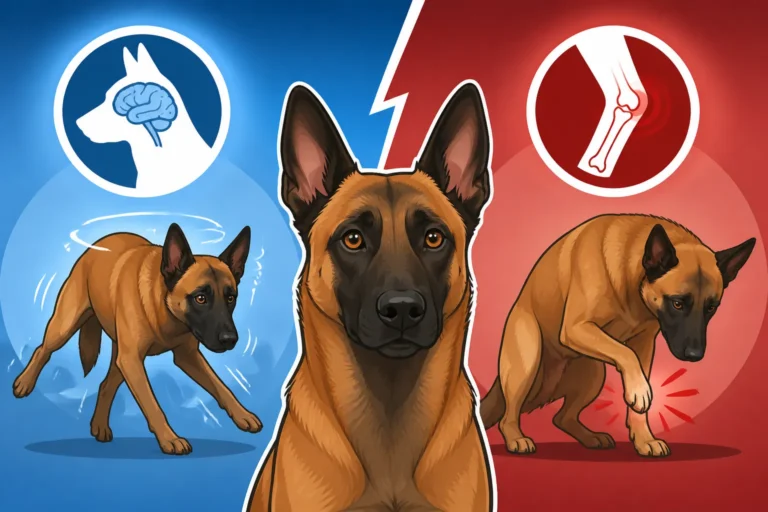
Belgian Malinois ataxia and physical injuries present distinct symptoms that help owners identify neurological disease versus trauma.
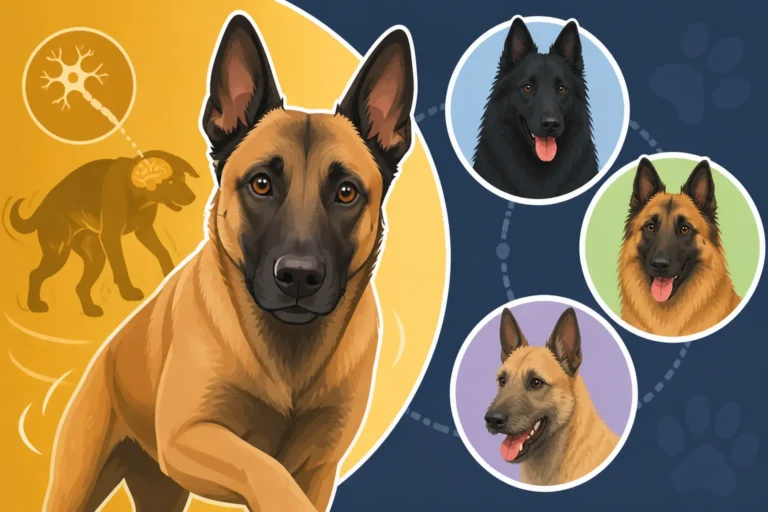
Belgian Malinois ataxia and genetic mutations like SDCA1 affect coordination, balance, and other Belgian Shepherd varieties.
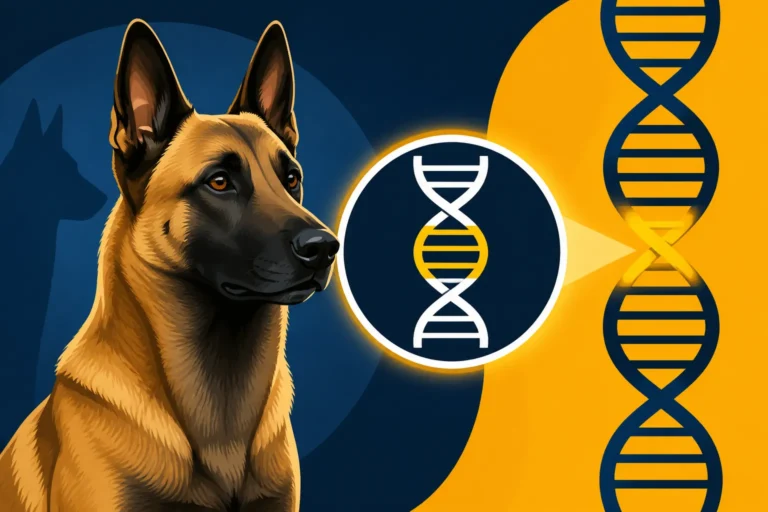
The ongoing search for a third ataxia gene in Belgian Malinois explains undiagnosed neurological wobbles when existing tests are clear.
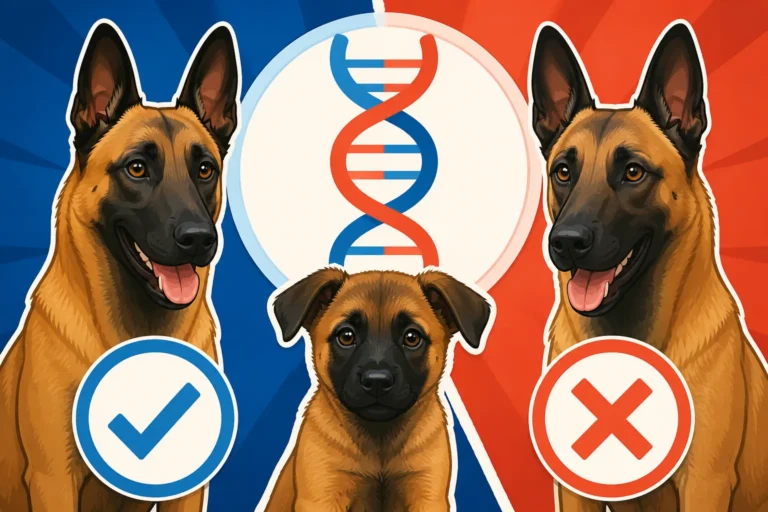
Belgian Malinois DNA testing for both sire and dam prevents recessive genetic diseases, ensuring twenty five percent of puppies avoid illness.

Belgian Malinois ataxia testing questions help buyers avoid inherited neurological disorders and SDCA1 and SDCA2 genetic mutations in new puppies.

Carrier Belgian Malinois dogs inherit one faulty ataxia gene and remain clinically normal without showing disease symptoms.
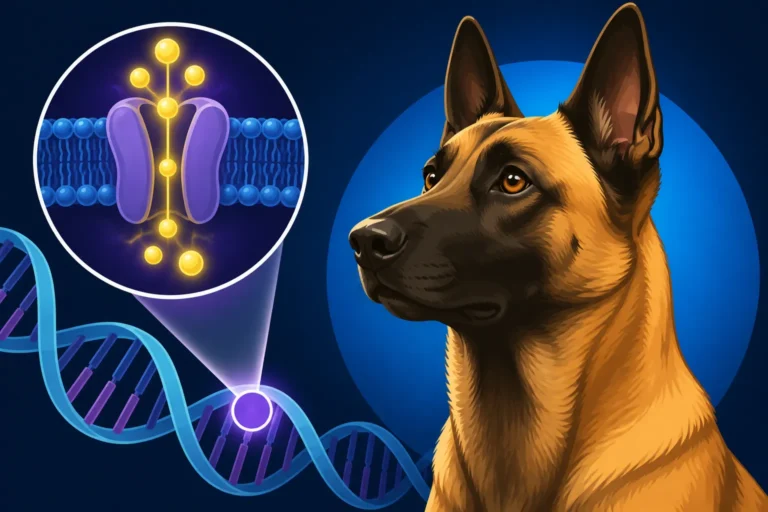
The potassium channel gene KCNJ10 causes progressive neurological ataxia, a hereditary disorder impairing hind limb mobility.

Spinocerebellar ataxia types SDCA1 and SDCA2 in Belgian Malinois puppies differ through specific genetic mutations causing neurological degeneration.

Ataxia in Belgian Malinois puppies explains inherited neurological disorders, genetic mutations, and early signs of poor coordination.
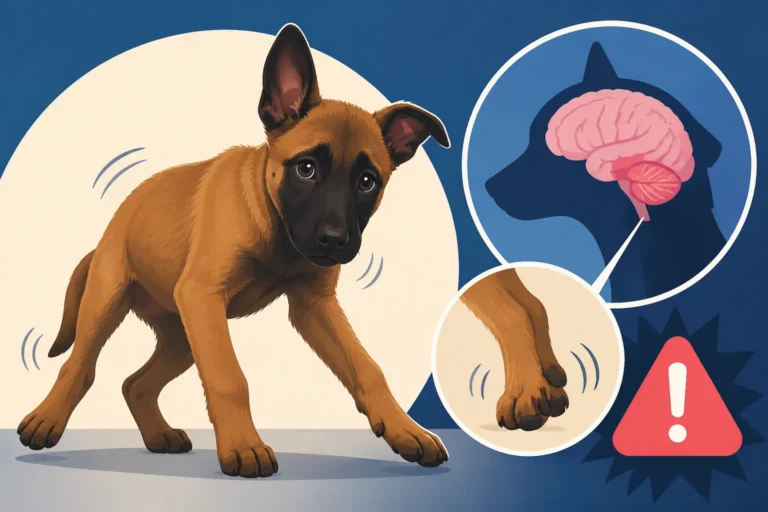
Early signs of ataxia in Belgian Malinois puppies reveal neurological issues and inherited conditions like SDCA1 and SDCA2.