Whether a Belgian Malinois Bonds With a New Handler
Adult Belgian Malinois dogs can transfer loyalty to a new handler through consistent training, work, and clear leadership.
Work with the temperament you have.
House-training and crate work, recall, leash manners, separation anxiety, and the behaviors this breed is wired for.
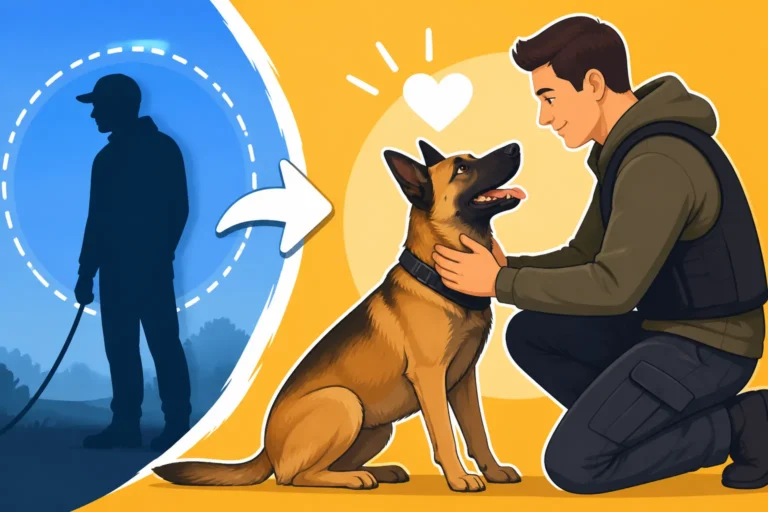
Adult Belgian Malinois dogs can transfer loyalty to a new handler through consistent training, work, and clear leadership.

Belgian Malinois bonding habits, historical working roles, and practical strategies to build respectful relationships with all household members.
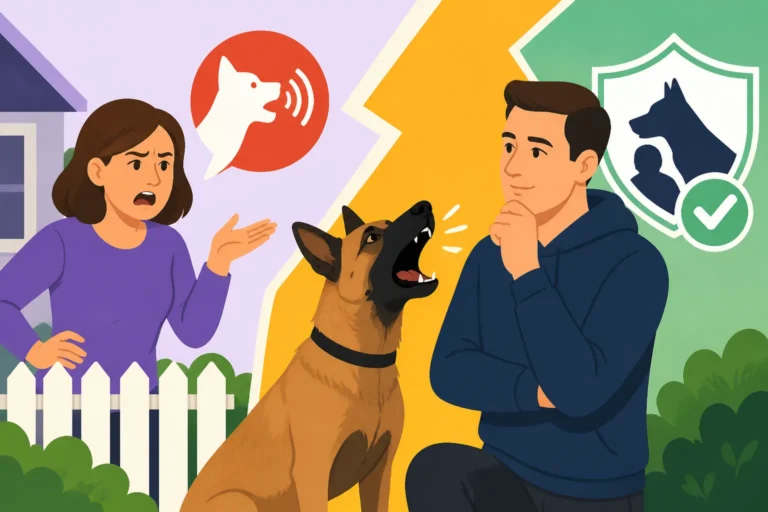
Belgian Malinois neighbor complaints involve barking, escapes, and perceived aggression. Learn practical strategies to prevent and address these issues.
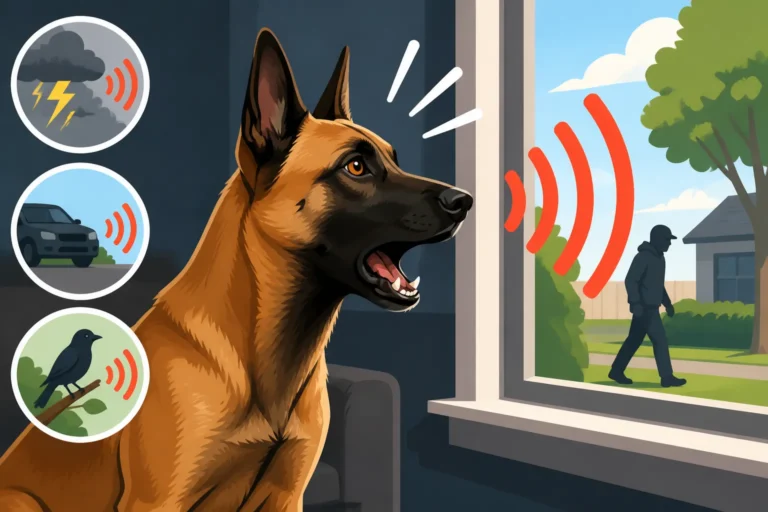
Belgian Malinois alertness to external sounds stems from herding genetics, explaining how to manage this barking behavior.

Belgian Malinois door reactivity training teaches owners how to manage intense barking, lunging, and high arousal when visitors arrive.

An untrained Belgian Malinois facing an intruder reacts unpredictably, shifting between territorial barking, prey drive, and dangerous aggression.

Belgian Malinois guarding behavior at age two stems from extended adolescence and maturation, explaining why protective instincts emerge.

Neutering a Belgian Malinois impacts hormonal aggression, but it does not change fundamental temperament or innate drive.

Adolescent regression between six and eighteen months explains why a Belgian Malinois starts ignoring known cues during brain development.

Belgian Malinois therapy dog screening involves unique challenges, high drive, and specialized training to evaluate behavioral traits.