Whether a Ninety Pound Belgian Malinois Is Overweight
It can be incredibly concerning when you look at your powerful, athletic Belgian Malinois and wonder if their weight is healthy, especially when numbers on the scale start creeping up. You might have heard that Malinois are supposed to be lean, almost "skinny," and seeing a 90-pound dog of this breed can definitely raise some eyebrows and stir up worry. This guide aims to tackle that specific concern, delving into whether a 90-pound Belgian Malinois is indeed overweight and what that might mean for their health and well-being.
Understanding the Standard Belgian Malinois Build
The Belgian Malinois is a breed renowned for its athletic prowess, speed, and endurance. They are not built for bulk; rather, their conformation is designed for agility and tireless work. This means a naturally lean, muscular body that can sometimes look quite slender, especially to those accustomed to heavier-boned breeds. It's easy to misinterpret this natural leanness as being underweight if you don't know what to look for, but it's actually their hallmark of health and efficiency.
The Typical Weight Range for Malinois
When we talk about an "ideal" weight for a Belgian Malinois, we're typically looking at a range that might surprise some new owners because it's usually lower than many expect for a dog of their size and presence. Males generally stand between 24-26 inches at the shoulder and usually weigh between 60-80 pounds. Females are a bit smaller, typically 22-24 inches tall and weighing in at 40-60 pounds. These are averages, of course, and there can always be slight variations within a healthy, well-conditioned dog.
Consider a male Malinois at the upper end of that scale, around 80 pounds. This is a solidly built, muscular dog. Anything significantly above this, without being unusually tall or heavy-boned, starts to push the boundaries of what's considered typical and healthy for the breed. If you've got a Malinois standing at a standard height but carrying an extra ten or twenty pounds, it's definitely something to pay close attention to.
Why a Malinois is Naturally Lean
The Malinois's lean physique is a direct result of its historical purpose as a working dog. They were bred for herding and later for protection and police work, roles that demand explosive power, sustained energy, and incredible agility. A bulky, heavy dog would be less efficient, tire more quickly, and be more prone to injury when performing the high-intensity tasks these dogs excel at. Think of a long-distance runner versus a powerlifter; both are athletes, but their ideal body compositions are vastly different.
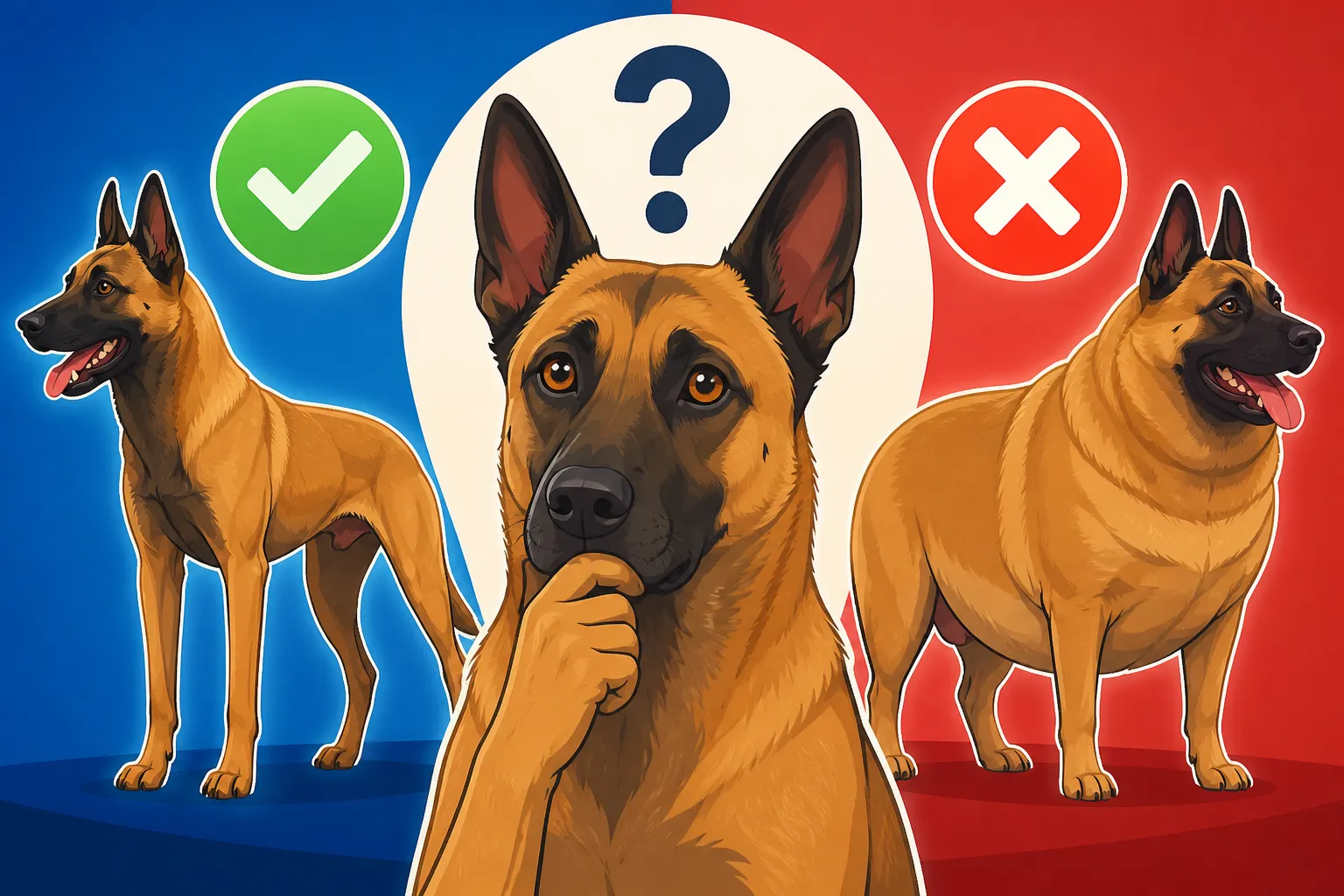
Their metabolism is generally quite high, burning through calories efficiently. They have a dense muscle structure with minimal subcutaneous fat, which contributes to that "hard," defined look. You should typically be able to easily feel your Malinois's ribs with slight pressure, and there should be a distinct tuck-up from their chest to their abdomen. If you're looking at your dog and struggling to feel those ribs, or if their waistline seems to have disappeared, it's a clear sign that their natural leanness is being overshadowed by excess weight. The Lean Condition a Belgian Malinois Should Carry covers this in more detail.
Is Ninety Pounds Overweight for a Malinois?
Let's get straight to the heart of the matter: in most cases, a 90-pound Belgian Malinois, especially one of average height, is likely overweight. While there might be exceptionally large individual dogs or specific lines that lean a bit heavier, 90 pounds is generally well outside the healthy range for both male and female Malinois. It signifies that your dog is carrying significant excess weight, and this can lead to a whole host of health complications down the line. It's not just about aesthetics; it's about their quality of life and longevity.
The mental image of a robust, powerful Malinois doesn't necessarily mean a heavy one. In fact, their power comes from explosive muscle and lean conditioning, not from bulk. When a Malinois reaches 90 pounds, it's often due to an accumulation of fat rather than an increase in healthy muscle mass, which fundamentally changes their athletic efficiency and places undue stress on their body.
The Health Risks of Excess Weight
The consequences of a Belgian Malinois carrying extra weight are far-reaching and can significantly impact their health and lifespan. Just like in humans, obesity in dogs isn't just a cosmetic issue; it's a serious medical condition.
Firstly, joints bear the brunt of extra weight. A Malinois is already predisposed to certain orthopedic issues like hip and elbow dysplasia, even when at a healthy weight. Adding an extra 10-20 pounds to their frame dramatically increases the stress on these joints, accelerating the onset and severity of conditions like arthritis. Imagine carrying a heavy backpack all day, every day; that's the kind of strain your dog's joints are under. This added stress can lead to chronic pain, reduced mobility, and significantly impact their ability to perform the activities they love. You might notice they're slower to get up, less enthusiastic about jumping, or develop a stiff gait. Arthritis in a Belgian Malinois at Nine details how these issues can manifest.
Beyond joint problems, excess weight stresses the cardiovascular system. The heart has to work harder to pump blood through a larger body, potentially leading to heart disease and high blood pressure. Their respiratory system can also be affected, making them less tolerant to exercise and more prone to overheating. That incredible endurance a Malinois is famous for? It will be severely compromised. They might pant excessively after minimal exertion or struggle in warmer weather. Furthermore, overweight dogs are more susceptible to conditions like diabetes, certain types of cancer, and a weakened immune system. Even simple things like recovery from anesthesia for routine procedures can become riskier for an overweight dog. Why Anesthesia Needs Discussing Before a Malinois Goes Under touches on anesthetic considerations.
How to Assess Your Malinois's Body Condition
Knowing your dog's number on the scale is one thing, but truly assessing their body condition is crucial. The weight is just a number; what matters is what that weight is composed of. A body condition score (BCS) system is typically used, ranging from 1 (emaciated) to 9 (morbidly obese), with 4-5 being ideal.
To assess your Malinois:
- Rib Check: Gently run your hands along their sides. You should easily be able to feel their ribs without pressing hard. If you can see them prominently without pressing, they might be too thin (unless they've just exerted themselves heavily and are a very lean working dog). If you have to press firmly to feel them, or can't feel them at all, they are carrying too much fat.
- Waist Tuck: Stand over your dog and look down at their back. You should see a distinct waist, where the body tapers in between the ribs and the hips. If they look like a straight line or bulge out, they're likely overweight.
- Abdominal Tuck-Up: Look at your dog from the side. Their abdomen should tuck up visibly from the bottom of their rib cage towards their hind legs. If their belly hangs low or is parallel to the ground, they're carrying extra weight.
A Malinois in prime condition should have visible muscle definition and that distinctive, athletic silhouette. If your 90-pound Malinois doesn't meet these criteria, the number on the scale is certainly indicating a problem.
Factors That Influence a Malinois's Weight
Weight management in any dog, especially an active breed like the Belgian Malinois, is a delicate balance of several factors. It's rarely just one thing contributing to excess weight; more often, it's a combination of genetics, diet, and lifestyle. Understanding these influences can help you pinpoint where adjustments might need to be made.
It's common for owners to unintentionally contribute to weight gain, often out of love or a misunderstanding of the breed's unique needs. Those extra treats, slightly too-large portions, or underestimating the sheer volume of exercise a Malinois truly needs can all add up over time, especially as their metabolism might shift with age or after spay/neuter surgery.
Genetics and Individual Variation
While the breed standard for Malinois points to a lean, athletic build, there can be individual variations within the breed. Some lines might naturally be a little larger-boned or have a slightly stockier build than others, especially if they come from more show-oriented lines rather than strictly working lines. However, even a larger-framed Malinois should still maintain that lean, fit appearance. A genetic predisposition to a slightly heavier frame doesn't mean it's healthy for them to carry excess fat.
It's important not to confuse a naturally robust, muscular dog with one that is simply overweight. A truly large, healthy Malinois might weigh at the very upper end of the standard, or even a few pounds beyond, but they will still be hard-muscled, with visible definition and an obvious waist. If your Malinois is 90 pounds and lacks this definition, genetics are unlikely to be the sole, or even primary, reason for the excess weight. It's more likely a contributing factor that, when combined with diet and exercise, has led to an unhealthy weight.
Diet, Exercise, and Metabolism
These three components form the cornerstone of weight management for any dog, and they are particularly critical for a high-drive breed like the Malinois.
Diet: The type and amount of food your Malinois consumes directly impacts their weight. High-quality kibble formulated for active breeds is often a good start, but portion control is paramount. Many owners feed according to the bag's recommendations, which can often be too generous, especially if their dog's activity level doesn't match the "working dog" recommendations on the label. Treats also add up quickly. If your dog is getting an extra biscuit here, a piece of cheese there, those calories are contributing to their overall intake. The Daily Ration a Working Belgian Malinois Eats provides insight into typical feeding amounts. Using measuring cups consistently and weighing food can make a huge difference.
Exercise: A Belgian Malinois demands a significant amount of structured, high-intensity exercise every single day. We're not talking about a leisurely walk around the block. They need vigorous activity that engages both their body and their mind. Without it, even a healthy diet can lead to weight gain because they aren't burning enough calories. An under-exercised Malinois is not only prone to weight issues but also to behavioral problems due to pent-up energy. Structured Work Against Random Running for a Malinois emphasizes the importance of intentional exercise over just letting them run around.
Metabolism: A dog's metabolism can vary. While Malinois typically have a high metabolism, individual differences exist, and metabolism can slow down as dogs age. An older Malinois, even if still active, might require slightly fewer calories than a younger, more frantic one. Health conditions like an underactive thyroid (hypothyroidism) can also lead to weight gain despite a consistent diet and exercise, so it's always wise to rule out medical causes with your vet.
The Impact of Spay/Neuter
Spaying or neutering your Belgian Malinois is a common and responsible choice, but it can have an impact on their metabolism and weight. The removal of reproductive organs often leads to hormonal changes that can cause a dog's metabolic rate to slow down. This means they require fewer calories to maintain their ideal weight.
Many owners continue feeding the same amount of food post-surgery as they did before, which can quickly lead to gradual weight gain. A dog that was once able to maintain a healthy weight on a certain amount of food might start gaining 5-10 pounds over a year if their caloric intake isn't adjusted. It's a subtle change but can accumulate significantly over time. Being aware of this metabolic shift is crucial, and it's a prime time to re-evaluate your dog's diet and portion sizes in consultation with your vet. Whether Spay Timing Changes a Malinois's Joints also discusses broader health implications related to this topic.
Steps to Safely Manage a Malinois's Weight
Discovering your Malinois is overweight can feel daunting, but it's a manageable situation with the right approach. The key is a gradual, consistent plan that prioritizes your dog's health and well-being. This isn't about crash dieting or excessive exercise; it's about making sustainable lifestyle changes that will bring your Malinois back to their optimal, athletic condition.
Remember, a healthy weight means a healthier, happier, and often longer life for your dedicated companion. It allows them to continue doing the work they were bred for, whether that's intense sport or just being an active family member.
Consulting Your Veterinarian
Your first and most important step should always be to consult with your veterinarian. Before making any significant changes to your Malinois's diet or exercise routine, a vet check-up is essential. They can:
- Confirm Overweight Status: Your vet will perform a thorough physical examination and assign a body condition score, giving you an objective assessment.
- Rule Out Underlying Medical Conditions: As mentioned, conditions like hypothyroidism can cause unexplained weight gain. Your vet can run blood tests to rule out any medical reasons for the weight issue.
- Develop a Tailored Plan: Based on your dog's current weight, ideal target weight, age, activity level, and any existing health issues, your vet can help you create a safe and effective weight loss plan. This includes specific dietary recommendations and exercise guidelines.
Don't underestimate the value of professional guidance. Trying to guess calorie counts or appropriate exercise levels can be counterproductive or even harmful. Your vet is your best resource for ensuring your Malinois loses weight safely and effectively.
Adjusting Diet and Food Choices
Once you have your vet's input, the next crucial step is to adjust your Malinois's diet. This often involves a combination of reducing caloric intake and optimizing food quality.
Portion Control: This is usually the biggest culprit. Even if you're feeding a high-quality food, too much is still too much. Your vet can help you calculate the precise number of calories your dog needs daily to achieve gradual weight loss. You'll likely need to measure out their food precisely, perhaps with a digital kitchen scale, rather than just eyeballing it. Remember to factor in all calories, including treats, chew toys, and anything else they consume. Many dog owners find success switching to specific "weight management" or "light" formulas, but the critical part is reducing total calories.
Food Choices: Consider the type of food. A performance kibble might be too calorie-dense if your dog isn't actively working several hours a day. Look for foods that are higher in protein and fiber, which can help your dog feel fuller with fewer calories. Some owners explore fresh food options, which can be very beneficial for weight management due to higher moisture content and often fewer fillers. Services like Ollie offer pre-portioned, fresh dog food, which can be an excellent way to control caloric intake accurately if you choose that route. When sourcing food or special measuring cups, online retailers like Chewy or Amazon can be convenient places to compare different brands and formulas, including those specialized for weight management. What Performance Kibble Costs for a Malinois can help you budget for different food types.
Treats and Chews: These are often silent saboteurs of weight loss. Switch to low-calorie options like plain green beans, carrot sticks, or small pieces of lean, cooked chicken. If you use treats for training (and with a Malinois, you almost certainly do!), make sure they are tiny, pea-sized, and deduct their caloric value from their daily food allowance.
Increasing Appropriate Exercise
Dietary changes are vital, but for a Malinois, increasing appropriate exercise is equally, if not more, important. Remember, a 90-pound Malinois has likely had its natural activity levels curtailed or its exercise hasn't been intense enough to match its caloric intake.
Structured, High-Intensity Activity: Ditch the casual walks if that's all your Malinois is getting. They need vigorous, cardiovascular exercise that gets their heart rate up and muscles working. Think activities like:
- Canicross or Bikejoring: Running alongside a bike or with you while harnessed.
- Fetch or Tug Sessions: Intense, short bursts of activity with a ball or tug toy. Ensure they have a good "out" command. Channeling a Belgian Malinois's Prey Drive Into a Tug
- Agility or Scent Work: These provide mental stimulation alongside physical exertion. Detection Work Instead of Bite Work for a Malinois
- Long-Line Training: Allowing them to run and explore safely in a controlled environment.
Gradual Increase: If your Malinois is significantly overweight, don't jump into extreme exercise immediately. This could put undue strain on their joints and heart. Start with longer, more brisk walks and gradually increase the duration and intensity. Monitor them closely for signs of fatigue or discomfort. Your vet can provide specific guidelines on how to safely increase their activity. The goal is consistent, daily engagement, not sporadic bursts of activity that lead to injury. The Mental Work That Finally Tires a Malinois Out highlights why mental work is just as important.
Consistency is Key: A Malinois thrives on routine. Establishing a consistent exercise schedule will help them physically and mentally. Aim for at least 1-2 hours of dedicated, intense work spread throughout the day, not just one long session. This will not only aid in weight loss but also help manage their high drive and energy levels, contributing to a calmer, happier dog overall. Two Hours and a Job a Belgian Malinois Demands Daily discusses this daily demand.
By combining veterinary guidance, careful dietary adjustments, and a robust, appropriate exercise regimen, you can help your 90-pound Belgian Malinois shed those extra pounds and return to their peak athletic condition.
| Aspect | Ideal Malinois (approx. 60-80 lbs male) | Overweight Malinois (90 lbs) | Potential Risks |
|---|---|---|---|
| Body Condition | Ribs easily felt, distinct waist, tucked abdomen, visible muscle definition | Ribs hard to feel, straight or bulging waist, sagging abdomen, less muscle definition | Joint stress, organ strain, reduced mobility, higher disease risk |
| Activity Level | High endurance, agile, eager to work | Easily fatigued, less enthusiastic, slower, prone to overheating | Exercise intolerance, compromised working ability, behavioural issues |
| Joint Health | Optimal, less strain on hips/elbows | Increased risk of arthritis, exacerbation of dysplasia | Pain, reduced quality of life, costly veterinary care |
| Cardiovascular | Efficient heart function | Increased heart workload, higher blood pressure | Heart disease, respiratory issues |
| Lifespan | Longer, healthier years | Potentially shortened due to disease and chronic issues | Reduced longevity, chronic discomfort |
Disclaimer
This article is for general informational purposes only and does not constitute professional advice. Laws, prices and regulations vary by location and change over time. Consult a qualified professional for guidance on your specific situation.