What a Teething Malinois Puppy Should Chew
Oh, the sheer joy (and occasional terror) of a Belgian Malinois puppy! You've brought home this bundle of energetic fluff, full of potential and drive, and suddenly, everything within their reach becomes a target for their incredibly sharp little puppy teeth. It's a universal struggle for Malinois owners – the constant hunt for appropriate chew toys that can actually stand up to their puppy's relentless enthusiasm and provide much-needed relief during the intense teething phase. This guide is here to walk you through exactly what your teething Malinois puppy should be gnawing on to protect your sanity (and your furniture!) while ensuring their dental health and channeling that powerful drive constructively.
Understanding the Malinois Teething Timeline and Intensity
Let's be real, a Malinois puppy isn't just any puppy when it comes to chewing. Their intensity, their drive, and their innate need to have something in their mouth mean that the teething phase isn't just a minor inconvenience; it's a full-blown mission that requires careful management and the right tools. Understanding what's happening inside their little mouths is the first step to choosing the best chews.
When Teething Begins and Ends for a Malinois Puppy
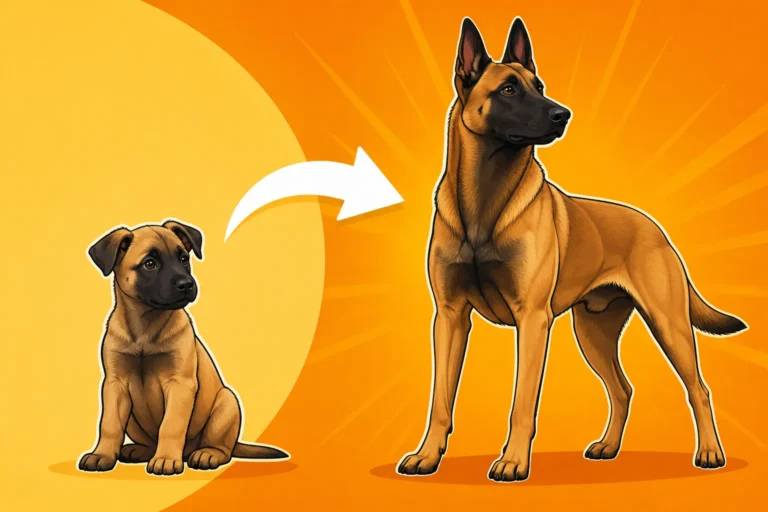
Your Malinois puppy arrives home typically around 8 weeks old, and guess what? The teething process is already well underway! Those tiny, needle-sharp puppy teeth, or "deciduous teeth," usually start emerging around 3-6 weeks of age. By the time they're with you, they'll likely have a full set of 28 puppy teeth. This is often described as The Shark Phase Every Malinois Puppy Goes Through because those little chompers are everywhere.
The real action, however, begins when those puppy teeth start falling out and the much larger, stronger adult teeth push their way through. This typically kicks off around 3-4 months of age and can last until they are 6-7 months old. During this period, your Malinois puppy will be shedding their baby teeth and growing 42 permanent adult teeth. It's an uncomfortable, sometimes painful, process for them, which naturally increases their urge to chew. Their gums will be sore and itchy, and chewing provides immense relief by massaging the gums and helping to loosen stubborn baby teeth. You might even find a tiny tooth on the floor or stuck in a chew toy! This window, from roughly 3 to 7 months, is when having appropriate, safe, and engaging chew options is absolutely paramount. Don't underestimate the primal need for oral satisfaction in a breed designed for working with its mouth.
Why Chewing Is So Crucial for Malinois Puppies
For a Malinois, chewing isn't just a pastime; it's a fundamental part of their development and well-being. Firstly, there's the obvious physical aspect: alleviating the discomfort of teething. Just like a human baby, applying pressure to sore gums feels good, and a good chew toy provides that relief. Without appropriate outlets, they'll turn to anything and everything they can find – shoes, chair legs, baseboards, your hands – which is certainly not ideal for anyone involved!
Beyond the physical relief, chewing serves several crucial behavioral functions for a Malinois puppy. It's a natural stress reliever, helping them cope with new environments, separation anxiety, or just the overwhelming energy they feel inside. It's also a form of exploration and mental stimulation. Their mouth is one of their primary ways of interacting with the world. Furthermore, for a breed with such high prey and retrieve drive, chewing can be an early, appropriate outlet for that drive. Engaging with a durable chew toy allows them to fulfill that instinctive need to "work" something with their mouth, providing a sense of satisfaction and focus. This can even be a foundational step in Building an Off Switch Into a Belgian Malinois, as it encourages calm, focused engagement with an appropriate item.
Safe and Effective Chew Options for Your Malinois Puppy
Okay, so we know they need to chew. A lot. Now, what do we give them that's both safe and satisfies that incredible Malinois drive? The market is flooded with options, and it can be overwhelming, but focusing on durability, size, and material is key for this powerful breed.
Durable Rubber and Nylon Chews
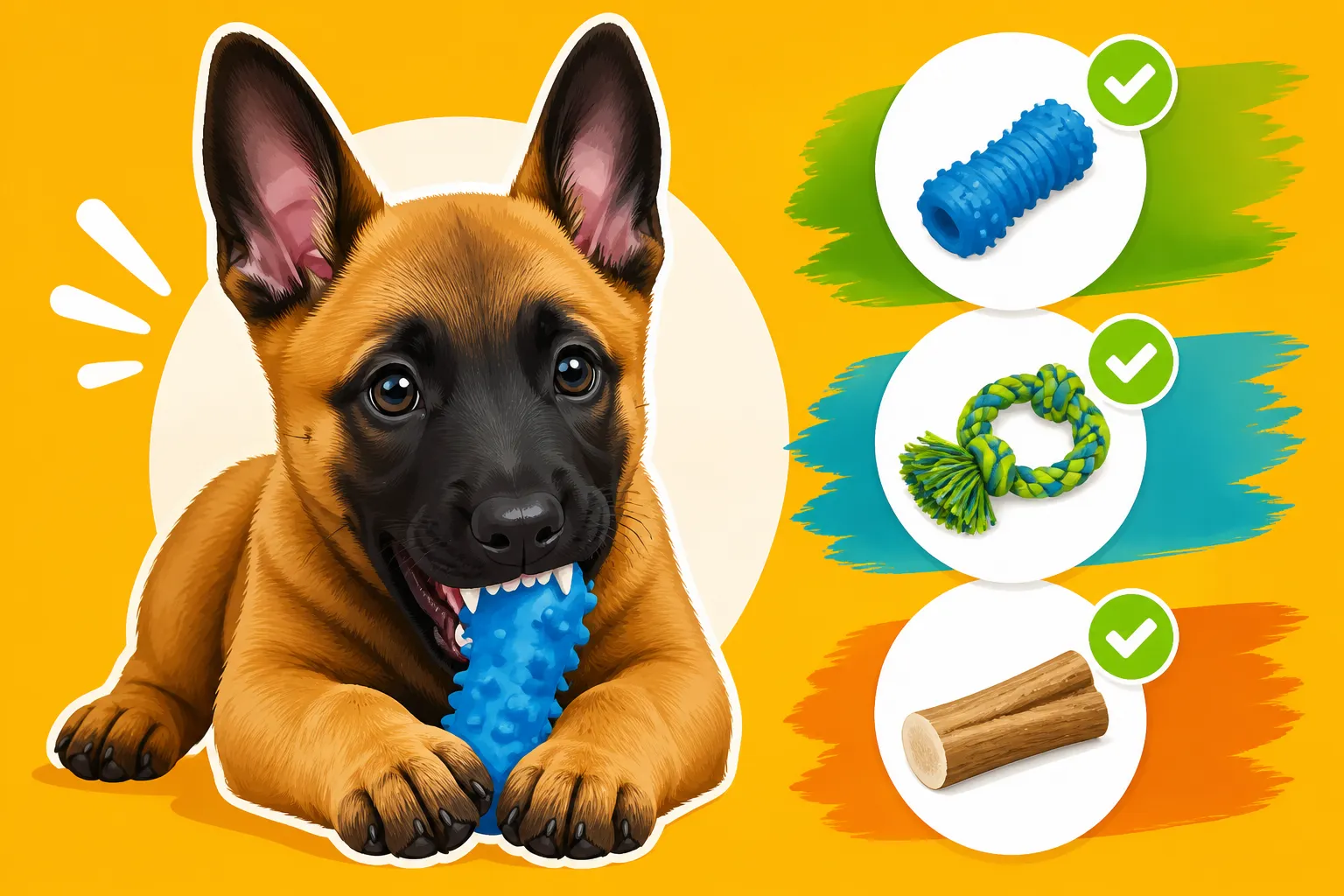
When it comes to longevity and safety for a Malinois puppy, durable rubber and nylon chews are often your best bet. Brands like Kong and Nylabone are practically household names for good reason – they've specialized in creating tough-as-nails toys that can withstand some serious abuse. Look for the "extreme" or "power chewer" versions right from the start, even for a puppy, because a regular toy won't last five minutes.
Rubber toys, especially those made from natural, heavy-duty rubber, offer a satisfying give that can soothe sore gums while still being incredibly durable. The classic Kong, for example, is fantastic not just for its resilience, but also because it can be stuffed with treats, making it a longer-lasting, more mentally engaging chew. Freeze a stuffed Kong, and you've got hours of focused chewing ahead. These kinds of toys can be found easily on platforms like Amazon or specialized pet stores like Chewy. Nylon chews, on the other hand, are hard and designed to slowly wear down as the puppy chews, leaving behind tiny, rice-grain-sized pieces that are generally safe to ingest. The texture helps clean teeth as they chew. Always ensure the size is appropriate for your puppy; too small, and it becomes a choking hazard. Choose one that they can't fit entirely into their mouth.
Edible Chews and Their Considerations
Edible chews can be a wonderful, high-value option for your Malinois puppy, but they come with a few more caveats than non-edible toys. The key here is supervision and choosing the right type.
- Bully Sticks: These are a fantastic option for many puppies. They're digestible, generally safe, and highly palatable. For a Malinois, you'll want to opt for thicker, longer bully sticks that will last more than a few minutes. While they're digestible, always monitor your puppy, especially as the stick gets small. That last inch can be a choking hazard. You can often find great value packs on Chewy.
- Dental Chews: Many brands offer dental chews designed to help clean teeth. While they might not last as long as a bully stick for a power chewer, they offer a good, textured chewing experience. Again, choose appropriate sizes and always supervise to ensure they don't break off large pieces.
- Yak Chews (Himalayan Dog Chews): These hard cheese chews are very popular and can last a long time. They are made from yak and cow milk, lime, and salt, and are generally digestible. For a Malinois, these can be a good, long-lasting option. The great thing about these is that once they become a small, unsafe piece, you can microwave them into a puffy, crunchy treat! This prevents waste and choking.
Regardless of the type, edible chews should always be given with caution. Never leave your Malinois puppy unattended with an edible chew, particularly if it's new to them. Some puppies are gulpers, and even a "safe" chew can become a hazard if swallowed too quickly. The goal is a gradual wear, not a rapid consumption.
Frozen Treats and Stuffable Toys for Relief
When those gums are truly aching, cold can be a Malinois puppy's best friend. Frozen treats offer a soothing sensation while still satisfying the urge to chew.
- Frozen Kongs: As mentioned, stuffing a Kong with wet dog food, peanut butter (xylitol-free!), yogurt, or even pureed fruit and then freezing it provides prolonged chewing enjoyment and gum relief. This is a brilliant way to settle a hyper puppy or keep them occupied in their crate. You might find it helpful for Crate Work With a Malinois Puppy That Screams.
- Ice Cubes: Simple, yet effective! Many Malinois puppies love crunching on ice cubes. They're cheap, readily available, and provide instant relief.
- Frozen Carrots: These can be a healthy, crunchy, and cooling chew option. Make sure they are whole or cut into large, manageable pieces to prevent choking.
- Specialty Freezable Teethers: There are also rubber or plastic puppy teethers specifically designed to be frozen, offering various textures and shapes for gum massage.
These options are not only great for teething pain but also provide excellent mental stimulation, especially when the puppy has to work to get the frozen contents out of a toy. This focused effort can be surprisingly tiring for their busy Malinois brains.
Here’s a quick overview of popular chew options:
| Chew Type | Pros | Cons | Malinois Suitability |
|---|---|---|---|
| Hard Rubber (Kong) | Durable, stuffable, good for gum relief, mentally stimulating when stuffed | Can be pricey initially, some pups lose interest if not stuffed | Excellent |
| Nylon Chews | Extremely durable, help clean teeth, various shapes/textures | Very hard, not consumable, some pups find them uninteresting | Good to Excellent |
| Bully Sticks | Highly palatable, digestible, long-lasting if thick | Can be expensive, choking hazard when small, can be messy | Good |
| Yak Chews | Very long-lasting, digestible, can be microwaved for reuse | Hard, potential for tooth fracture if puppy chews aggressively | Good |
| Frozen Carrots/Ice | Soothing for gums, healthy (carrots), cheap, easily accessible | Shorter lasting, can be messy, some pups don't like them | Good |
| Dental Chews | Aids dental hygiene, palatable | Often consumed too quickly by Malinois, can be expensive | Fair to Good |
What to AVOID: Dangerous Chew Items for Your Malinois
Just as important as knowing what to give your Malinois puppy is knowing what not to give them. A Malinois's powerful jaws and high drive mean that certain common chew items can pose significant health risks. This is not a breed where you can skimp on safety.
Rawhide, Bones, and Antlers
These are often mistakenly given to puppies, but for a Malinois, they come with substantial risks.
- Rawhide: While some rawhide is marketed as digestible, many types can be incredibly dangerous. Rawhide can soften and become gummy, posing a serious choking hazard or even causing intestinal blockages if swallowed in large, undigested pieces. A Malinois puppy, with their strong bite, can quickly tear off chunks. It's simply not worth the risk.
- Cooked Bones: This is a firm no. Cooked bones become brittle and can splinter, leading to severe internal injuries, such as punctures in the esophagus, stomach, or intestines. They can also cause blockages.
- Raw Bones (Weight-bearing): While some advocates suggest raw recreational bones, for a powerful chewer like a Malinois, weight-bearing bones (like femurs) are often too hard and can easily fracture teeth. A broken tooth is painful and can lead to expensive vet visits for extraction or root canals. When choosing chews, always consider Chews That Will Not Fracture a Malinois's Canines.
- Antlers: Similar to very hard raw bones, antlers are extremely durable, but their hardness also presents a significant risk of tooth fractures, particularly for a puppy whose jaw strength is rapidly developing. They don't offer any "give" and can be unforgiving on young teeth.
It's better to err on the side of caution and avoid these items entirely, opting for tested, safer alternatives that won't land you in the emergency vet clinic.
Household Items and Inappropriate Toys
This might seem obvious, but in the heat of a teething frenzy, a Malinois puppy will target anything they can get their jaws on. Shoes, furniture legs, remote controls, children's toys, blankets, towels – if it's within reach and has a satisfying texture, it's fair game. This is not just destructive, which you can read more about in What a Malinois Destroys in One Unsupervised Hour, but it can also be incredibly dangerous.
- Toxicity: Many household items, from cleaning products on floors to certain plants, can be toxic if ingested. Even seemingly benign items like plastic toys not designed for dogs can contain chemicals harmful to pets.
- Choking Hazards: Small objects, or items that can easily break into small pieces (like plastic children's toys), are massive choking hazards. A Malinois puppy can quickly destroy something you thought was robust and swallow the pieces.
- Intestinal Blockages: Fabric items (socks, underwear, towels), string, or parts of toys can cause severe, life-threatening intestinal blockages if swallowed.
- Dental Damage: Chewing on hard, inappropriate items like metal, rocks, or furniture can lead to broken teeth, jaw injuries, and gum damage.
The solution here is vigilance and management. Keep your puppy confined to a puppy-proofed area or crate when unsupervised. Actively remove tempting household items from their reach. This is a critical period for teaching them what is and isn't appropriate to chew on, laying the groundwork for future behavior.
Managing the Chewing Frenzy and Setting Good Habits
Navigating the Malinois puppy teething phase isn't just about handing them a chew toy; it's about active management, teaching, and understanding. This stage is a prime opportunity to instill good habits and reinforce appropriate chewing behavior that will serve them well into adulthood.
Rotation, Supervision, and Availability
One of the biggest mistakes owners make is simply giving their Malinois puppy one or two chew toys and hoping for the best. With a breed as intelligent and driven as a Malinois, novelty and availability are key.
- Toy Rotation: Don't leave all the toys out all the time. Keep a selection of 3-4 appropriate chew toys available and rotate them every day or every few days. This keeps the toys feeling "new" and exciting, preventing your puppy from getting bored and seeking out inappropriate alternatives. Boredom is the enemy of your furniture!
- Constant Availability: Always have appropriate chew toys readily accessible to your puppy, especially during high-chewing times like after waking up, after meals, or when they're settling down for the evening. If they don't have something appropriate, they will find something inappropriate.
- Supervision is Non-Negotiable: This is perhaps the most critical point. Never leave your Malinois puppy unsupervised with a new chew toy, or any chew toy that might degrade over time. Watch how they interact with it. Are they breaking off large pieces? Are they trying to swallow it whole? If a chew toy is starting to break down, remove it. Even seemingly safe chews can pose risks if not monitored. This is especially true for edible chews, as discussed earlier.
By consistently providing appealing and safe options, you're shaping your Malinois puppy's understanding of what is theirs to chew and what isn't. This active management is part of The First Week With a Belgian Malinois Puppy and continues through their intense adolescent stage.
Redirecting Inappropriate Chewing
Despite your best efforts at prevention and providing options, your Malinois puppy will inevitably try to chew on something they shouldn't. This is where your intervention makes all the difference. The goal isn't to punish them harshly, which can create fear or make them sneakier. Instead, it's about redirecting their behavior to an acceptable alternative.
When you catch your Malinois puppy chewing on something inappropriate, calmly interrupt the behavior. A sharp "Nope!" or a clap can work. As soon as they disengage from the forbidden item, immediately offer them an appropriate chew toy. When they take the correct toy, praise them enthusiastically and calmly. The message needs to be clear: "No, not that, this is what you chew." Consistency is absolutely vital. Every time they go for a shoe, you redirect to their toy. This is the core principle behind Redirecting a Biting Malinois Puppy Onto a Toy, which applies equally to redirecting general chewing. The faster and more consistently you redirect, the quicker your Malinois puppy will learn.
Incorporating Chewing into Training and Mental Stimulation
Chewing doesn't have to be a separate activity; it can be skillfully woven into your Malinois puppy's training and daily routine, especially as a way to promote calmness and focus.
- Reward and Settle: After an intense training session or a burst of play, offering a high-value, long-lasting chew can help your Malinois puppy wind down and settle. This teaches them that calm chewing is a rewarding activity.
- Crate Training Aid: For many Malinois puppies, a frozen, stuffed Kong or a durable chew toy is an essential tool for positive crate training. It provides a positive association with the crate and helps them learn to self-soothe when left alone. This directly ties into successful Crate Work With a Malinois Puppy That Screams.
- Mental Engagement: Puzzle toys that dispense treats as your puppy chews or manipulates them are excellent for mental stimulation. This kind of "work" can be just as tiring as physical exercise for a Malinois, helping to satisfy their intelligent minds. Consider options from Ollie's selection of interactive toys, which often include durable choices that double as chew challenges.
- Foundation for Mouth Control: Teaching your Malinois puppy appropriate chewing habits also builds a foundation for general mouth control, which is essential for a breed that will likely engage in bite work or other activities where precise mouth use is required. It helps in teaching things like Teaching a Malinois Puppy to Take Food Gently without nipping.
By actively integrating safe and appropriate chewing into your Malinois puppy's life, you're not just surviving the teething phase; you're using it as a powerful tool to shape a well-adjusted, calm, and focused adult dog. It requires patience, consistency, and a little foresight, but the payoff for both you and your Malinois is immense.
Disclaimer
This article is for general informational purposes only and does not constitute professional advice. Laws, prices and regulations vary by location and change over time. Consult a qualified professional for guidance on your specific situation.