Whether Bones Crack a Malinois’s Working Teeth
One of the most frustrating dilemmas for Belgian Malinois owners is finding safe, appropriate outlets for their dog's incredible need to chew, especially when you know their teeth are crucial working tools. It feels like a constant battle between satisfying that intense drive and safeguarding those powerful canines and molars from devastating fractures. This guide aims to shed light on why traditional bones often lead to painful and costly dental injuries in Malinois and to offer more tooth-friendly alternatives so you can protect your dog's oral health without sacrificing their natural instincts.
Why Chewing is Absolutely Essential for Your Malinois
Let's be real, a Malinois needs to chew. This isn't just about boredom; it's a fundamental behavioral need deeply ingrained in their genetics. These are dogs bred for work, for using their mouths in a powerful, precise way, whether it's on a sleeve, a tug, or a piece of detection equipment. That drive to engage their jaws doesn't just switch off when they come home. Providing appropriate chewing outlets is not a luxury; it's a necessity for their physical and mental well-being.
Instinctive Drive and Mental Stimulation
For a Belgian Malinois, chewing isn't merely a pastime; it's an instinctual behavior rooted in their history as working dogs. They explore the world with their mouths, and engaging their jaws provides a deep level of satisfaction. Think about it: a Malinois puppy, even at a few weeks old, is already trying to mouth everything. This isn't aggression, it's exploration and a natural need to interact with its environment. As they grow, this translates into a powerful need to gnaw, shred, and break down items. Without appropriate outlets, this drive can manifest in destructive behaviors, turning your furniture or even your doorframes into their personal chew toys. This is where the frustration really sets in for owners, as you want to give them something to chew on, but the wrong choice can lead to even bigger problems. Providing mental stimulation through chewing also helps burn off some of that incredible Malinois energy, giving their brains a workout alongside their jaws.
Dental Health Benefits of Chewing
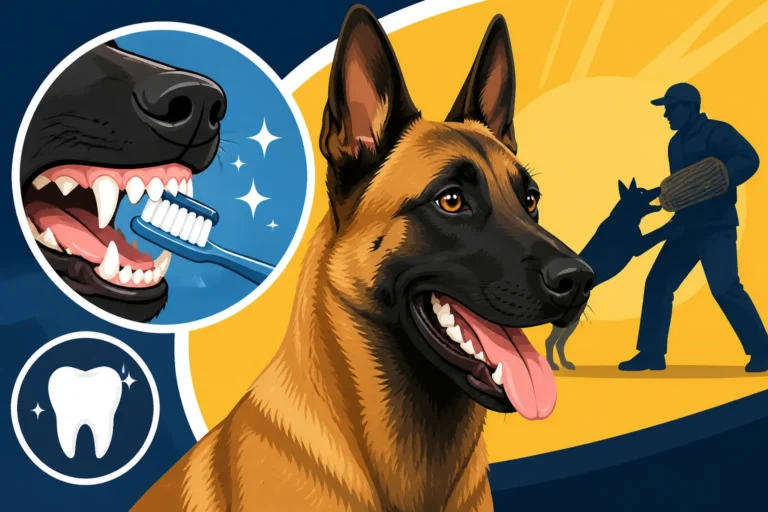
Beyond the behavioral aspect, chewing plays a vital role in maintaining your Malinois's dental hygiene. When a dog chews on appropriate items, the abrasive action helps to scrape away plaque and tartar buildup on their teeth. This mechanical cleaning is crucial for preventing gum disease, bad breath, and other periodontal issues that can lead to pain, infection, and even systemic health problems. A healthy mouth contributes to a healthier dog overall, allowing them to eat comfortably and avoid costly veterinary dental procedures down the line. However, the irony is that while some chewing is good for dental health, the wrong kind of chewing can cause immediate, severe damage, landing you right back at the vet. It’s a delicate balance to strike, and often, what seems like a natural choice (a bone) can be the most detrimental. Daily Tooth Brushing for a Malinois That Bites is often recommended in conjunction with appropriate chews.
The Very Real Risks Bones Pose to Working Malinois Teeth
You love your Malinois, and giving them a bone feels like a classic dog owner move, right? It seems natural, and dogs certainly love them. But for a dog with teeth as strong and powerful as a Belgian Malinois, especially one engaged in bite work or other demanding activities, bones – particularly certain types – are actually a significant danger to their dental health. The phrase "built to chew" doesn't mean "built to chew anything."
Fractured Teeth and Painful Consequences
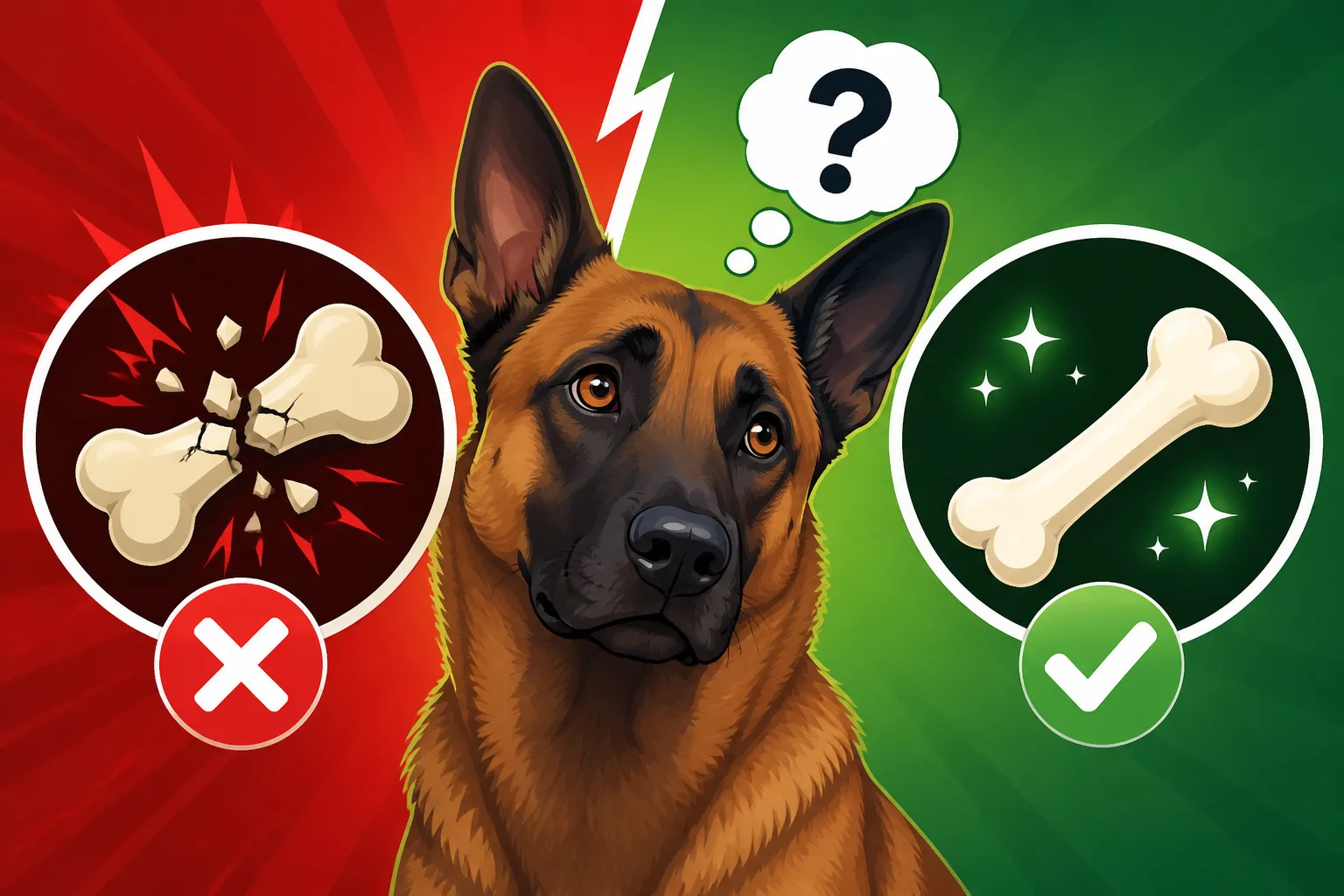
This is the biggest, most undeniable risk: fractured teeth. A Malinois’s jaws are incredibly strong, designed to apply immense pressure. When they bite down on something harder than their tooth enamel, that tooth will lose. Common fractures include slab fractures, where a piece of the tooth (often a large chunk of a premolar or molar) breaks off, exposing the sensitive pulp cavity. This is excruciatingly painful for your dog, imagine cracking your own tooth and having exposed nerves. Other types of fractures can involve horizontal breaks or even root fractures, which are much harder to diagnose without advanced imaging.
Beyond the immediate pain, a fractured tooth with an exposed pulp canal is an open invitation for bacteria to enter, leading to infection and abscesses. These infections can spread to the jawbone or even into the bloodstream, posing serious health threats. A Malinois living with a fractured tooth is a dog in chronic pain, which can impact their willingness to work, their appetite, and their overall demeanor. You might see subtle signs at first, like chewing on one side of their mouth or being hesitant to take a hard retrieve, but the underlying issue is severe. The repair of such an injury can be incredibly expensive and involve procedures like root canals or even extraction, which can significantly alter their bite and potentially impact their working ability. What a Crown on a Malinois Canine Costs can be substantial.
Gastric Upset and Internal Injuries
It's not just about the teeth. Bones, especially cooked bones, can splinter into sharp fragments. While a dog's digestive system is robust, these shards can still cause significant internal damage. Imagine sharp bone fragments traversing your dog's esophagus, stomach, and intestines. This can lead to tears, perforations, blockages, or severe constipation.
Symptoms of internal injury or blockage can include vomiting, diarrhea (sometimes bloody), lethargy, loss of appetite, straining to defecate, or abdominal pain. These situations often require emergency veterinary intervention, which can range from supportive care to endoscopy or even invasive surgery. It's a terrifying scenario to face, knowing that something you gave your dog with good intentions has led to such a critical health crisis. Even raw bones, while less prone to splintering, can still cause issues if large pieces are swallowed, leading to blockages.
What Makes a "Bad" Bone Choice for a Malinois
Not all chew items are created equal, and understanding what makes a bone risky is crucial. It’s not just about the size of the bone, but its density, how it’s processed, and even the natural shape of a Malinois's powerful bite. Owners often fall into the trap of thinking "natural is best," but for teeth, that's simply not always the case.
Cooked Bones vs. Raw Bones
Let's clear this up first. Cooked bones are universally bad. Heat processing changes the structure of bones, making them brittle and much more prone to splintering into sharp, needle-like fragments. These fragments are the primary culprits for internal injuries, perforations, and blockages in the digestive tract. Never, ever give your Malinois cooked bones of any kind – no turkey carcasses after Thanksgiving, no leftover steak bones, nothing from your dinner plate. The risk is simply too high.
Raw bones, on the other hand, are often touted as safer because they are more pliable and less likely to splinter. However, they still carry risks. While softer, they can still cause fractures if they are too dense for your dog's teeth. Additionally, raw bones carry bacterial risks like Salmonella, which can affect both your dog and the humans in the household, especially if sanitation isn't meticulous. If you choose to feed raw bones (and many do, with careful consideration), they should be soft, recreational bones that are appropriate for your dog's size and chewing style, and only given under supervision. But even then, there's always a risk of a tooth breaking.
Density and Hardness: The Real Enemy
The true enemy of your Malinois's teeth isn't necessarily a "bone" specifically, but anything that is harder than tooth enamel. This includes:
- Weight-Bearing Bones: Think femurs or hip bones from large animals like cows or bison. These bones are incredibly dense and are designed to support massive amounts of weight. They are simply too hard for a dog's teeth. Trying to break or grind down these bones is like trying to chew on a rock – something has to give, and it's usually the tooth.
- Antlers: While natural and long-lasting, antlers are also extremely dense. They're a very popular choice for power chewers, but they cause a high incidence of tooth fractures, particularly slab fractures on the premolars and molars. The material is hard and unyielding, offering no give when a Malinois applies force.
- Nylon Chews that are too hard: Some synthetic nylon chews are designed to be almost indestructible. While durable, many are far too hard and can pose the same fracture risk as natural bones or antlers. Always test the hardness of a chew; if you can't indent it with your thumbnail, it's likely too hard for your dog's teeth.
- Ice Cubes: Believe it or not, regular ice cubes can cause fractures, especially if your Malinois crunches down on them with enthusiasm. While they melt, the initial impact can be enough. Frozen kongs or toys are usually safer because the ice is encased or less directly impacted.
The key takeaway here is simple: if you can't easily indent it or break it with a fair amount of effort, it's too hard for your Malinois's teeth.
What to Look Out For
When inspecting any chew, whether it's a new purchase or one your dog has been working on, consider these points:
- The "Thumbnail Test": Can you make a slight indentation with your thumbnail? If not, it's probably too hard.
- The "Knee Cap Test": If you smack it against your knee, does it hurt? If it hurts you, imagine what it does to your dog's teeth.
- Sharp Edges or Splinters: Are there any sharp points or splinters forming as the dog chews? This is a red flag for internal injury.
- Size and Choking Hazard: Is the bone small enough to be swallowed whole, posing a choking risk or an internal blockage?
- Smell and Contamination: Does it smell rancid? Is there any mold or discoloration? These are signs of spoilage, particularly with raw bones.
It's tempting to think "my dog loves it, so it must be fine," but many dental injuries go unnoticed until they become severely painful or infected. Regular veterinary check-ups, especially The Checkup Schedule a Sport Malinois Should Keep, can help identify issues early, but prevention is always best.
Safer Alternatives to Traditional Bones for Malinois
So, if many traditional bones are off the table, what can you give your powerful Malinois to satisfy their chewing needs without risking a trip to the emergency vet? The good news is there are plenty of options out there that offer durability and satisfaction without the extreme hardness that leads to fractures.
Researched and Vet-Approved Chews
When searching for safe chews, look for products specifically marketed as "dental chews" or "tough chews" that prioritize flexibility over rock-hard density. Many reputable brands on platforms like Chewy and Amazon offer excellent choices.
- Dental Chews: These are often softer, digestible chews designed to reduce plaque and tartar through their texture and ingredients. They're not meant for intense, prolonged gnawing, but they can be a great daily supplement for oral hygiene. Brands like Greenies or VeggieDent are popular, but always check the size recommendations for your Malinois's powerful jaws. They won't last as long as a hard bone, but they serve a purpose.
- Veterinary Oral Health Council (VOHC) Approved Products: The VOHC stamp is a fantastic indicator. Products with this seal have met specific scientific standards for reducing plaque and/or tartar. This takes the guesswork out of it, as independent studies back their claims. You'll find a variety of chews, food additives, and water additives with this approval.
- Flexible Rubber Chews: Toys made from durable, flexible rubber are often a great option. They offer resistance and satisfy the chewing urge without being so hard that they damage teeth. Kongs are a classic example; they can be stuffed with treats or peanut butter and frozen for an extended chewing session. Brands like GoughNuts also make extremely durable rubber chew toys designed to withstand power chewers. These items often have an indicator that tells you when the toy is compromised, making them safer.
Edible Chews with Caution
While we're talking about avoiding hard bones, some edible chews can still be appropriate, but they require careful selection and supervision.
- Bully Sticks and Yak Chews: These are popular, long-lasting, and generally digestible. Bully sticks are made from beef pizzle and are tough but pliable. Yak chews are made from hardened cheese and soften with chewing. The key here is to choose appropriate sizes to prevent choking, and to always supervise, especially as they get to a small, swallowable size. Some dogs can still manage to break off large chunks of yak chews, so monitoring is essential. These are a fantastic alternative for satisfying that intense oral fixation without the risk of splintering bone. You can find a wide variety of these on Amazon.
- Rawhide Alternatives: Traditional rawhide can be problematic due to digestibility issues and potential choking hazards. However, many companies now offer "rawhide alternative" chews made from digestible proteins like collagen or vegetable starches. Always read the ingredients carefully and choose options that are highly digestible.
- Frozen Stuffed Kongs or Toppls: This isn't strictly an edible chew itself, but the contents are. Stuffing a durable rubber toy with plain yogurt, mashed sweet potato, wet dog food, or even a specialized paste and freezing it provides a long-lasting, safe chewing and licking activity. The cold also makes it more challenging, extending the engagement.
Safe Play Items and Training Tools
Don't forget that many of your Malinois's "working teeth" are engaged during training and play. These activities, when done correctly, satisfy their oral needs safely.
- Durable Tug Toys: High-quality tugs made from jute, leather, or French linen are perfect for channeling your Malinois's bite drive. They're designed to be durable for powerful gripping but are not meant to be chewed on constantly. Supervised tug play is an excellent way to engage their jaws and build a bond. Always teach a strong "out" command to prevent them from taking the toy off and destroying it or trying to swallow pieces. Tugs and Bite Pillows a Malinois Destroys quickly if not managed.
- Soft Rubber Balls/Discs: While not a chew, retrieving a soft but sturdy rubber ball or disc (like those from Chuckit! or Kong) engages their mouth and provides physical and mental exercise without putting undue stress on their teeth. Avoid cheap, thin plastic balls that can shatter.
- Enrichment Toys: Toys that dispense kibble or treats as your dog manipulates them provide mental stimulation and some gentle chewing or licking. These aren't meant for heavy chewing but are great for daily enrichment.
A little bit of caution and thoughtful selection can save your Malinois from painful dental injuries and save you from hefty vet bills for procedures like Whether a Belgian Malinois Needs a Root Canal or extractions. By understanding the risks and choosing appropriate chews, you can ensure your powerful working dog has a healthy mouth for a lifetime of engagement.
| Chew Type | Risk Level (for Malinois Teeth) | Primary Concerns | Safer Alternatives/Notes |
|---|---|---|---|
| Cooked Bones | VERY HIGH | Splintering, internal injury, blockages, fractures | Absolutely avoid. |
| Dense Raw Bones | HIGH | Tooth fractures (slab, crown), bacterial contamination | Supervise closely. Opt for softer recreational bones if using. |
| Antlers | HIGH | Extremely hard, common cause of slab fractures | Avoid for Malinois. |
| Hard Nylon Chews | MEDIUM to HIGH | Too rigid, can cause fractures | Choose flexible rubber, VOHC-approved chews. |
| Ice Cubes | MEDIUM | Can cause fractures upon initial impact | Use frozen stuffed toys instead. |
| Bully Sticks | LOW to MEDIUM | Choking hazard when small, supervise | Choose appropriate size, remove when small. |
| Yak Chews | LOW to MEDIUM | Choking hazard when small, can be hard if not softened enough | Choose appropriate size, remove when small, supervise. |
| Dental Chews (VOHC) | LOW | Designed for dental health, digestible | Excellent daily option. |
| Flexible Rubber Toys | VERY LOW | Durable, pliable, safe for teeth | Great for stuffing and prolonged engagement. |
| Collagen Chews | LOW | Digestible, less likely to splinter | Good rawhide alternative. |
| Tug Toys (supervised) | VERY LOW | Engages bite drive, not meant for prolonged chewing | Essential for working Malinois training. |
When to Seek Veterinary Attention
Even with the best intentions and the safest chews, accidents can happen, or you might notice a problem developing. It's crucial to know the signs that your Malinois might have a dental issue and when to seek professional help. Recognizing these signs early can make a huge difference in your dog's comfort and the success of treatment.
- Changes in Chewing Habits: Your dog suddenly avoids chewing on one side of their mouth, drops food, or is hesitant to pick up their favorite toys.
- Bad Breath (Halitosis): While some dog breath is normal, a sudden worsening or particularly foul odor can indicate infection.
- Drooling or Pawing at the Mouth: Excessive drooling, especially if bloody, or repeatedly pawing at their face suggests discomfort.
- Swelling: Any swelling around the jaw, under the eye, or on the face could indicate an abscess or infection.
- Visible Damage: You might see a chipped tooth, a missing piece of enamel, or even a dark spot on the tooth (indicating exposed pulp).
- Reluctance to Eat or Drink: Pain can cause a Malinois to refuse food or only eat very soft items.
- Behavioral Changes: A dog in chronic pain might become more irritable, withdrawn, or less enthusiastic about play or work. Signs a Belgian Malinois Is Slowing Down can include dental pain.
If you observe any of these signs, don't delay. Schedule an appointment with your veterinarian or, if it's severe, an emergency vet. A thorough oral examination, sometimes requiring sedation, and potentially X-rays or other imaging, will be necessary to diagnose the problem. Early intervention can prevent further complications and ensure your Malinois gets back to feeling their best, with a healthy mouth ready for action. Whether a Malinois That Bites Needs Yearly Dentals is a question many owners should consider for preventative care.
Disclaimer
This article is for general informational purposes only and does not constitute professional advice. Laws, prices and regulations vary by location and change over time. Consult a qualified professional for guidance on your specific situation.