Flea Prevention for a Kenneled Belgian Malinois
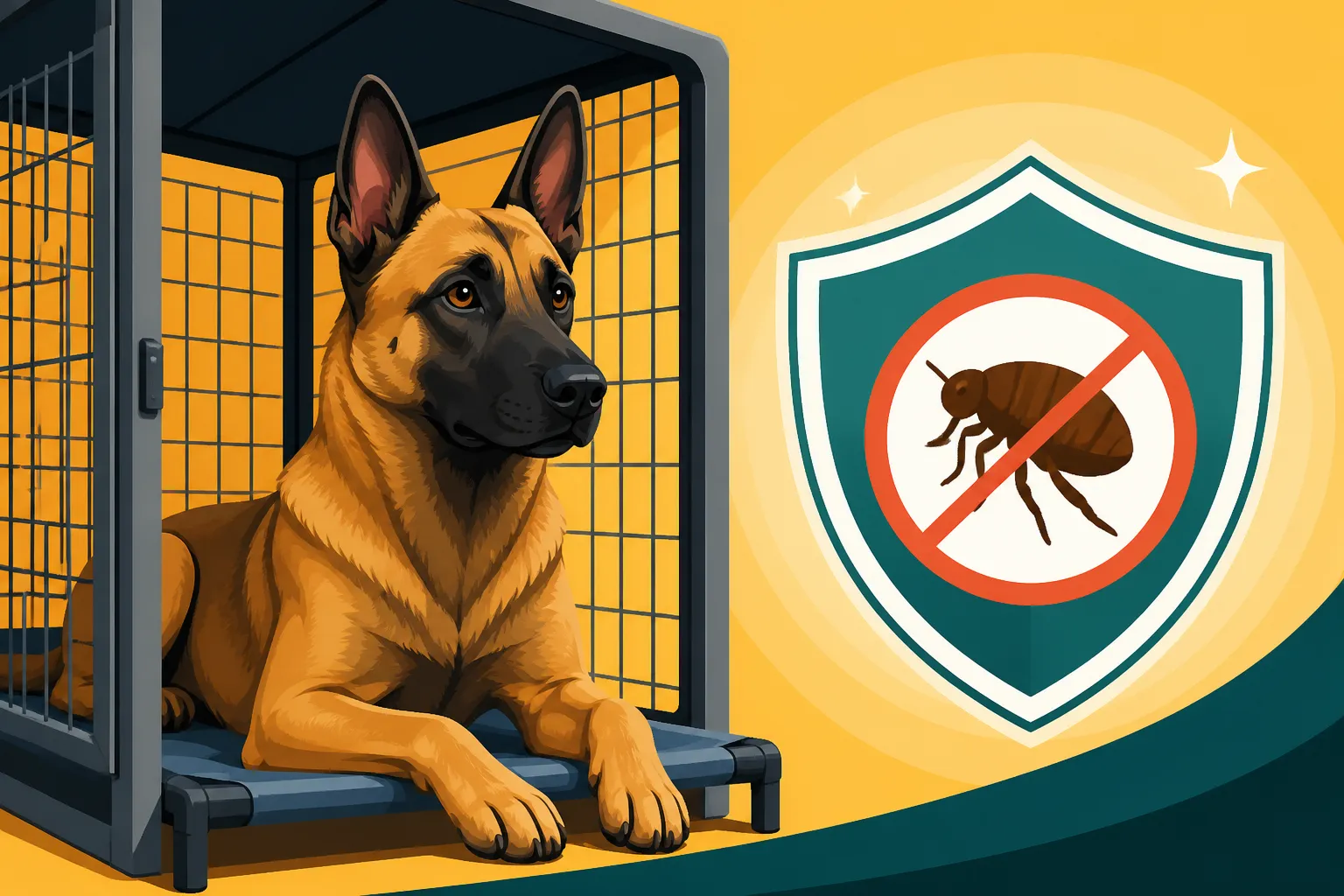
There are few things more frustrating than finding fleas on your Belgian Malinois, especially when you've put so much effort into maintaining a clean, healthy environment. For those of us with kenneled Malinois, the challenge of keeping these persistent parasites at bay can feel like a never-ending battle. This guide will dive deep into why flea prevention is critical for kenneled dogs, explore the most effective strategies, and help you choose the best products to keep your high-drive companion itch-free and focused.
Why Flea Prevention is a Different Ballgame for Kenneled Malinois
When you're dealing with a kenneled Belgian Malinois, flea prevention isn't just about protecting one dog; it's about safeguarding an entire environment. These dogs are often exposed to a different set of challenges than a house pet, and understanding these nuances is key to effective control. You've got enough on your plate keeping up with their immense exercise needs and intense training schedules, so the last thing you want is a flea infestation complicating things.
The Unique Challenges of a Kennel Environment
Kennels, by their very nature, present a higher risk for flea infestations. There's often a revolving door of dogs, even if it's just your own rotating in and out of different runs or shared training spaces. This means a constant potential for new fleas to be introduced. Imagine a scenario where a friend brings their dog over for a training session, and unknown to them, their dog has a few hitchhiking fleas. Those fleas can easily jump off onto your property, into your outdoor run, and before you know it, you've got a whole new problem.
Moreover, kenneled environments often involve more outdoor exposure. Dirt runs, gravel areas, and grassy perimeters are perfect breeding grounds for fleas. The eggs and larvae can lurk in these protected spots, waiting for a warm body to jump onto. It's not just about the direct contact with other dogs; it's about the environment itself being a potential reservoir. Plus, cleaning outdoor kennel spaces thoroughly enough to eradicate every single flea egg and larva is a monumental task, far more complex than vacuuming a living room carpet.
The sheer volume of potential reintroduction points is staggering. Think about shared grooming tools, bedding, or even the grass you train on at a club or field. Even if your Malinois is on top-notch prevention, if the environment around them isn't also addressed, you're fighting an uphill battle. It's truly a full-system approach required for these active, often kenneled, animals.
The Impact of Fleas on High-Drive Dogs
For a Belgian Malinois, especially one that's kenneled and working, fleas are far more than just an annoyance. These dogs are bred for focus, drive, and intense concentration. A persistent itch from fleas can completely derail their ability to concentrate, whether they're practicing a difficult obedience routine, tracking a scent, or engaging in bite work. Imagine trying to perform complex tasks when you're constantly distracted by something crawling and biting you. It's practically impossible for a Malinois to maintain their legendary intensity under such conditions.
Beyond the immediate distraction, fleas pose several significant health risks. Constant scratching can lead to skin irritation, hot spots, and secondary bacterial infections. These infections can be painful, require veterinary intervention, and further compromise your dog's comfort and training schedule. In severe cases, especially with puppies or older, less robust dogs, a heavy flea burden can even lead to anemia due to blood loss, which is a serious medical concern.
Furthermore, fleas are not just pests; they are carriers. They can transmit tapeworms, which means your Malinois might not only be scratching but also dealing with an internal parasite. This adds another layer of health complication and requires additional treatment. Preventing fleas, therefore, isn't just about comfort; it's a foundational part of maintaining your Malinois's overall health, mental clarity, and readiness for work. You pour so much into their [Care & Nutrition], so don't let fleas undermine that dedication.
Comprehensive Strategies for a Flea-Free Kennel
Tackling fleas in a kenneled environment requires a multi-pronged approach. You can't just rely on one product or one method; success comes from combining internal and external defenses, targeting both the dog and their living space. This integrated strategy is the most effective way to protect your driven Malinois from these tenacious pests.
Topical Treatments and Oral Medications
When it comes to direct dog protection, you typically have two main categories: topical spot-ons and oral medications. Both have their advantages and disadvantages, and the best choice often depends on your dog's individual needs, your lifestyle, and the specific challenges of your kennel. Many people swear by the convenience of oral medications. These are typically flavored chewable tablets that your dog ingests, and the active ingredient works its way into their bloodstream. Once a flea bites, it ingests the medication and dies.
Oral medications are often lauded for their lack of residue and effectiveness even after swimming or bathing, which is a huge plus for active Malinois who might be Washing a Malinois That Hates Standing Still or working in water. They tend to kill fleas very quickly, often within a few hours. Products like those you might find on Chewy or Amazon come in various strengths and durations, usually monthly. However, some dogs might experience mild digestive upset or other side effects. Always discuss these options with your vet to find the safest and most effective choice for your specific Malinois.
Topical spot-on treatments, on the other hand, are applied directly to a small area of skin, usually between the shoulder blades. The active ingredients then spread across the dog's skin and coat, killing fleas on contact or after they bite. These can be very effective and often repel fleas and ticks before they have a chance to bite. They are generally applied monthly. A common frustration with spot-ons is the potential for a greasy residue or a temporary odor, and you might need to keep your dog from getting wet or being handled too much immediately after application. For a highly active or water-loving Malinois, this can sometimes be a challenge. Ultimately, your choice should be a conversation with your vet, considering your dog's health, temperament, and your specific environment.
| Feature | Oral Medications | Topical Spot-Ons |
|---|---|---|
| Application | Given by mouth, often a flavored chew or tablet. | Applied directly to a small area of skin. |
| Speed of Action | Typically kills fleas within a few hours. | Can take 12-48 hours to fully spread and take effect. |
| Water Resistance | Not affected by bathing, swimming, or rain. | Some are waterproof after a drying period, but initial contact should be avoided. |
| Residue | No external residue on the coat. | Can leave a temporary greasy residue or wet spot. |
| Contact Safety | No restriction on handling after ingestion. | Caution advised for handling, especially with children, until dry. |
| Primary Mechanism | Works systemically after fleas bite the dog. | Kills fleas on contact or after they bite, often repelling. |
| Common Side Effects | Mild digestive upset (rare). | Skin irritation at application site, temporary odor. |
Environmental Control: Beyond Just the Dog
Protecting your Malinois isn't just about what you put on or in them; it's fundamentally about managing their environment. For kenneled dogs, this is perhaps even more crucial than for house pets. Fleas spend only a fraction of their life cycle on your dog; the rest – eggs, larvae, and pupae – are living in the environment: in bedding, carpets, cracks in floors, and especially in outdoor dirt or gravel runs.
Regular and rigorous cleaning protocols are your first line of defense. All bedding, blankets, and fabric toys that your Malinois uses in their kennel or sleeping area should be washed frequently in hot water. This kills flea eggs and larvae. For hard surfaces, like concrete kennel runs or feeding areas, routine cleaning with a strong disinfectant followed by a thorough rinse can help. However, relying solely on surface cleaning isn't enough to tackle microscopic eggs or larvae hiding in crevices.
For outdoor runs, things get even trickier. Treating your yard or outdoor kennel area can be done with various products, from chemical sprays designed to kill fleas and ticks at all life stages to beneficial nematodes, which are microscopic worms that prey on flea larvae in the soil. Consistent application, especially during warmer months, is key. If you have gravel or dirt runs, consider replacing the top layer periodically or using a steam cleaner designed for outdoor use. Remember, fleas thrive in shaded, moist areas, so focusing your efforts there can make a big difference. Think about where your Malinois relaxes in the shade after a hard training session; those are prime flea spots.
Integrated Pest Management (IPM) Approach
The most effective strategy for flea prevention in a kenneled Belgian Malinois is an Integrated Pest Management (IPM) approach. This means combining multiple methods to create a comprehensive, layered defense. It's about being strategic, not just reactive. Simply giving your dog a monthly chewable won't solve the problem if your kennel runs are a flea nursery.
An IPM plan for your Malinois and their kennel might look like this: start with consistent, year-round oral or topical flea prevention for your dog. This ensures immediate protection. Simultaneously, implement a rigorous cleaning schedule for all indoor and outdoor kennel spaces. This includes washing bedding weekly in hot water and thoroughly cleaning hard surfaces. Consider using an environmental spray for indoor areas, especially in cracks and crevices, if your Malinois spends time inside.
For outdoor areas, consider treating your yard or runs with a product that targets all life stages of fleas, potentially alternating between different types of treatments to prevent resistance. Regular vacuuming of any indoor spaces your Malinois frequents can also mechanically remove eggs and larvae. The key is consistency and understanding the flea life cycle – you need to break it at every possible point. It's a bit of a dance, but for the health and focus of your Working Malinois Against Show Malinois, it's entirely worth it.
Choosing the Right Products for Your Malinois and Kennel
With so many flea prevention products on the market, it can feel overwhelming to select the right one for your Belgian Malinois, especially when you factor in their unique lifestyle and environment. It's not just about what kills fleas, but what's safe, effective, and sustainable for your specific situation.
Understanding Different Active Ingredients
Different flea products utilize different active ingredients, each with its own mechanism of action and safety profile. Understanding these can help you make a more informed decision with your veterinarian.
- Isoxazolines: Found in many popular oral chewables (e.g., fluralaner, afoxolaner, sarolaner, lotilaner), these compounds work by overstimulating the flea's nervous system, leading to paralysis and death. They are generally very effective and long-lasting, typically providing protection for one to three months. Many Malinois owners appreciate these for their convenience and lack of external residue.
- Phenylpyrazoles: Fipronil (often found in spot-ons like Frontline) works by disrupting the flea's central nervous system. It accumulates in the hair follicles and sebaceous glands, continually re-releasing onto the skin and coat. This provides contact killing of fleas.
- Neonicotinoids: Ingredients like nitenpyram (found in Capstar) provide rapid kill but have a short duration, making them useful for immediate relief during an active infestation rather than long-term prevention.
- Insect Growth Regulators (IGRs) and Insect Development Inhibitors (IDIs): These don't kill adult fleas but prevent flea eggs from hatching or larvae from developing into adults. They are crucial for environmental control and breaking the flea life cycle, often found in environmental sprays or some combination topical products.
- Pyrethroids: Permethrin and similar compounds are insecticides often found in topical treatments or yard sprays. They work by disrupting the insect's nervous system. While effective, it's critical to note that permethrins can be toxic to cats, so extreme caution is needed in multi-pet households, especially if a cat might groom a treated Malinois.
When considering options, especially for a Malinois known for having sensitive skin or allergies, discussing the potential for reactions to different active ingredients with your vet is paramount. You certainly don't want a skin irritation on top of everything else. Some products may also contain tick prevention, which is often a bonus for working dogs spending time in fields or brush where Ticks on a Belgian Malinois After Field Training are a real concern.
Tailoring Prevention to Your Climate and Lifestyle
Your geographical location and your Malinois's daily routine play a massive role in tailoring an effective flea prevention plan. In some regions, fleas are a year-round menace, thriving in warm, humid climates. If you live in a state where winter temperatures rarely dip below freezing, you'll need a continuous prevention strategy. For those in colder climates, you might find seasonal fluctuations, with fleas being most active from spring through fall, though indoor environments can still harbor them year-round.
Consider your Malinois's exposure level. Does your dog regularly train in grassy fields, dense woods, or participate in activities that bring them into contact with other dogs and varied environments? The more outdoor exposure and potential contact points, the more robust your prevention strategy needs to be. For a Malinois who is constantly outside or traveling for trials, you'll want a highly reliable product, possibly an oral one that won't wash off.
Also, think about your household. Do you have young children who frequently interact with your Malinois? A topical product that leaves a residue might be less ideal. Are there other pets, like cats, that might be sensitive to certain ingredients? All these factors should inform your choice. For a kenneled dog, the focus isn't just on the dog's personal protection, but on creating a buffer zone for the entire facility. Remember that your Malinois can handle Heat, Cold and a Belgian Malinois on the Job, but fleas thrive in particular climates, so prevention methods must adapt accordingly.
When to Consult Your Veterinarian
While online resources and knowledgeable friends can offer advice, your veterinarian is your ultimate partner in flea prevention, especially for a kenneled Belgian Malinois. There are several scenarios where a vet consultation is not just recommended but absolutely necessary.
- Ineffective Treatment: If you've been consistently using a product, and your Malinois still has fleas, or the problem keeps recurring, it's time to talk to your vet. Fleas can develop resistance to certain chemicals, or there might be an issue with application or environmental control that needs professional assessment.
- Severe Infestations or Allergic Reactions: A heavy flea burden can lead to severe skin infections, hot spots, or even anemia. Some dogs develop Flea Allergy Dermatitis (FAD), where even a few flea bites trigger an intense allergic reaction. If your Malinois is experiencing significant discomfort, hair loss, or open sores, they need immediate veterinary attention.
- Considering New or Combination Products: With the array of products available, it can be confusing to know which combinations are safe and effective. Your vet can advise on the best product for your dog's age, weight, and health status, as well as any potential drug interactions if your Malinois is on other medications. They can help you craft a long-term strategy for your The Checkup Schedule a Sport Malinois Should Keep.
- Puppies, Pregnant, or Nursing Dogs: These groups are particularly vulnerable, and not all flea products are safe for them. Your vet can recommend specific, safe options that won't harm the mother or her litter.
Don't hesitate to reach out to your vet if you're feeling overwhelmed or if your current strategy isn't yielding the desired results. They have the expertise to diagnose underlying issues and prescribe the most appropriate solutions for your unique situation and a strong working dog like a Belgian Malinois.
Maintaining Vigilance and Long-Term Prevention
Flea prevention isn't a one-time fix; it's an ongoing commitment, particularly for a kenneled Belgian Malinois. These resilient pests require continuous vigilance and a sustained effort to keep them from returning and taking hold. It's about staying one step ahead, rather than constantly reacting to an infestation.
Regular Inspections and Early Detection
One of the most powerful tools in your flea prevention arsenal is regular, thorough inspection of your Malinois. Early detection can prevent a minor nuisance from escalating into a full-blown infestation that impacts your dog's health and your entire kennel. Get into the habit of checking your Malinois at least weekly, especially after training sessions or anytime they've been in new environments.
Focus on areas where fleas like to hide: the base of the tail, the groin, the armpits, and around the ears and neck. Look not just for live fleas, but also for "flea dirt" – tiny black specks that look like pepper. This is actually flea feces, and if you place it on a damp paper towel, it will turn reddish-brown as the dried blood rehydrates. A fine-toothed flea comb can be incredibly effective for these inspections, helping you physically remove any fleas or flea dirt you find. This kind of close inspection is part of Checking a Belgian Malinois Over After a Session for overall well-being.
If you find even one flea, consider it a warning sign. It's your cue to redouble your efforts – maybe it's time for the next dose of preventative, or perhaps it's a sign that your environmental control needs a boost. Don't assume one flea is just an anomaly; it's often the tip of the iceberg, indicating there's a wider population you can't yet see.
Sustaining Environmental Efforts
The battle against fleas is largely an environmental one, and it's a marathon, not a sprint. You simply can't treat the dog and ignore their living space, especially a kennel. Flea eggs can hatch in as little as two days under ideal conditions, and larvae can develop into pupae (which are highly resistant to insecticides) in just a week or two. This rapid life cycle means consistency in your environmental efforts is non-negotiable.
Establish a routine for cleaning and treating your kennel spaces. This might mean weekly washing of all bedding and fabric items in hot water, and a monthly deep clean and treatment of outdoor runs and indoor kennel flooring. Don't forget areas like under dog bowls, in crates, and any shady spots where your Malinois likes to rest. For optimal health, including a strong immune system to better handle any environmental stressors, consider a high-quality diet. Many Malinois owners find that a fresh food diet from companies like Ollie can contribute to a healthier coat and skin, making their dogs less attractive to pests and potentially aiding recovery from any irritations.
Think about how other pests operate too. Fleas often hitch a ride on rodents or wildlife. While you can't control every wild animal, reducing rodent populations around your kennel can indirectly help with flea control. It's about creating an inhospitable environment for fleas at every stage of their life cycle, continuously breaking their ability to reproduce and thrive.
Special Considerations for Breeding and Young Malinois
When dealing with breeding Malinois or puppies, flea prevention takes on an even more critical dimension. Many standard adult flea products are not safe for pregnant or nursing females, or for young puppies. Using the wrong product can have severe, even fatal, consequences. Therefore, any flea treatment for these sensitive populations must be done under direct veterinary guidance.
For pregnant and nursing females, your vet can recommend specific products that are safe. Often, these are older, gentler compounds or specific oral medications that have been proven safe during gestation and lactation. The goal is to protect the mother without exposing the developing puppies to harmful chemicals. Treating the mother is also crucial for protecting the puppies, as fleas will readily transfer to them once they are born.
Puppies themselves are highly vulnerable to flea infestations. A heavy flea burden can quickly lead to anemia in small puppies, which is a life-threatening condition. Most flea preventatives are not approved for puppies under a certain age or weight. For very young puppies, manual removal with a flea comb and bathing with a mild, puppy-safe shampoo (followed by thorough drying) may be the safest initial approach. Once they reach the appropriate age and weight, your vet can recommend a suitable preventative. Remember that a Malinois puppy is a bundle of energy, and protecting them from early discomfort is important for their development, so ensuring they don't get A Malinois Puppy That Bites Everything Including You due to flea irritation is key. Always read labels carefully and, when in doubt, consult your veterinarian.
Disclaimer
This article is for general informational purposes only and does not constitute professional advice. Laws, prices and regulations vary by location and change over time. Consult a qualified professional for guidance on your specific situation.