Whether Concrete Wears a Malinois’s Nails Down
It’s a common question among Belgian Malinois owners, especially for those whose dogs spend a good deal of time outdoors or working on various surfaces: does simply letting your Malinois roam on concrete keep their nails at a healthy length? Many of us hope that the natural friction of hard ground will take care of tedious nail trims, but the reality is often more nuanced than that. This guide will delve into how concrete interacts with your Malinois's nails, what constitutes healthy nail length, and why, for most Mals, even extensive concrete exposure isn't a silver bullet for nail care.
The Reality of Concrete and Malinois Nails
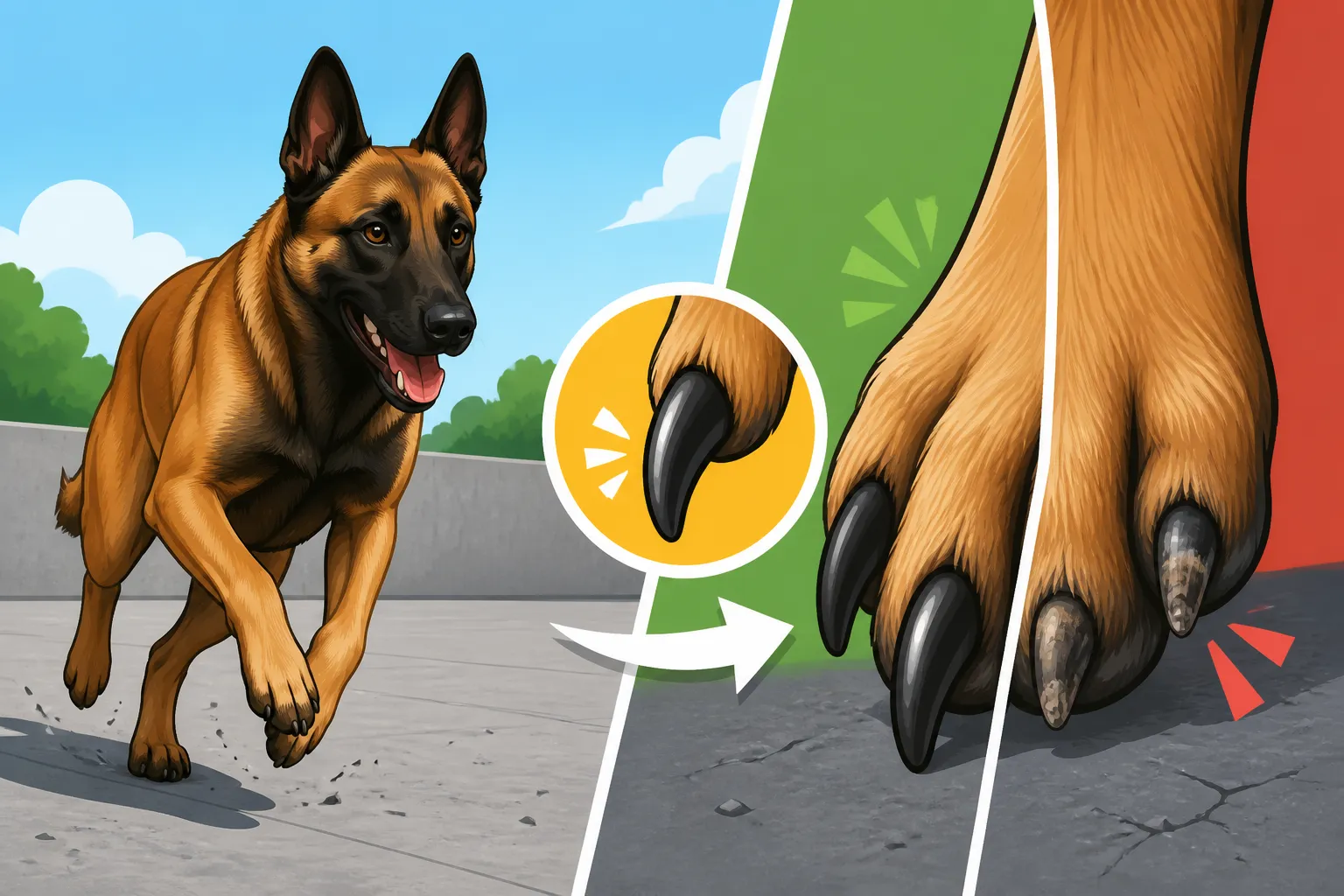
You've probably noticed that after a good session running around on pavement or concrete, your Malinois's nails might look a little smoother, perhaps even slightly shorter. It seems logical, right? Hard surface grinds down hard nails. And to some extent, it does. Concrete is certainly more abrasive than grass or dirt, and regular contact can contribute to some degree of natural wear. However, relying solely on concrete for nail maintenance in a Belgian Malinois is often a recipe for nails that are still too long, leading to a host of potential problems.
Why Concrete Isn't a Universal Nail Trimmer
The effectiveness of concrete in wearing down nails isn't a simple yes or no; it's a complex interplay of several factors, including the dog's gait, activity level, nail density, and even the specific type of concrete. For many working lines, or even highly active pet Malinois, their intense drive means they move with purpose, but not always in a way that provides even nail wear. Think about it: they're not typically shuffling their feet slowly, which might grind nails down more. Instead, they're leaping, running, and turning, often landing on their paw pads first, minimizing direct nail contact with the ground.
A Malinois's natural stride, especially when they're moving at speed or working, tends to lift their toes. This means that only the very tips of the nails, if they're already quite long, will consistently scrape the ground. The back of the nail, closer to the quick, and the nails on the outer toes (and certainly the dewclaws), often escape this natural abrasion. So, while you might see some wear on the central two nails, the others can become quite long, creating an imbalance. This uneven wear is precisely why we can't just set them loose on a concrete pad and call it a day for their paw health.
The Problem with Overly Long Nails
Regardless of how they get that way, long nails are detrimental to a Malinois's overall health and performance. When a dog's nails are too long, they constantly hit the ground before the paw pad does. This forces the dog to shift their weight back onto the heel of their paw, changing their natural foot angle and gait. Over time, this unnatural posture can put undue stress on the toe joints, ankle joints, and even further up the leg into the hocks, stifles, and hips. Imagine trying to walk comfortably in shoes that are too small and push your toes back constantly; it's an uncomfortable, unsustainable way to move.
For a breed like the Belgian Malinois, known for its athleticism, agility, and powerful movements, maintaining proper foot structure and joint health is paramount. Long nails can impede their speed, reduce their traction on various surfaces, and even lead to painful injuries like splayed toes or torn nails. A Malinois needs every advantage it can get for its body to perform at its peak, and that starts literally from the ground up, with well-maintained paws. You can delve more into overall paw care in Nails, Pads and Feet on a Working Belgian Malinois.
Understanding Ideal Nail Length for a Malinois
So, if concrete doesn't always do the trick, what is the ideal nail length for a Belgian Malinois? The golden rule is simple: when your Malinois is standing on a flat, hard surface, their nails should not touch the ground. You should be able to slide a piece of paper under them. If you can hear a distinct "click-click-click" as they walk across your kitchen floor, their nails are definitely too long. This clicking sound isn't just annoying; it's a clear indicator that their nails are constantly contacting the floor, putting pressure on their toes and disrupting their natural gait.
Achieving this ideal length means more than just a quick snip here and there. It often requires consistent, frequent attention. The quick, which is the blood and nerve supply within the nail, grows longer as the nail grows longer. To truly get and keep nails short, you need to gradually encourage the quick to recede, which involves either very frequent trimming (every few days) or regular grinding. This process might seem daunting, especially with a high-drive Malinois who might not enjoy having their feet handled, but it's crucial for their long-term well-being.
The Role of Dewclaws
One area where concrete absolutely fails to provide any wear is on the dewclaws. These are the "thumbs" located higher up on the inside of the front legs (and sometimes, though less common in Malinois, on the hind legs). Since they don't touch the ground at all, they will simply continue to grow in a crescent shape, eventually curling back into the paw pad if left untrimmed. This can be incredibly painful, causing irritation, infection, and making walking difficult. Many Malinois will also try to chew at an ingrown dewclaw, making the problem worse.
It's vital to remember that dewclaws must be trimmed regularly, regardless of how much time your Malinois spends on concrete or how well their other nails are wearing down. They are often overlooked, but the consequences can be severe. Integrating dewclaw checks and trims into your routine is non-negotiable for proper paw care. If you find yourself struggling to keep up with the dewclaws or other nails, looking into How Fast a Kenneled Malinois's Nails Grow might give you some insights into growth rates, or Getting a Malinois to Hold Still for Nail Trims for handling techniques.
Impact on Joint Health and Gait
The constant pressure from long nails forces the dog's toes upwards, stressing the ligaments and tendons in the paw. Over months and years, this can lead to chronic pain, arthritis, and even deformities in the foot structure. For a Belgian Malinois, a breed prone to certain joint issues, particularly in the hips and elbows, maintaining correct gait is a critical preventative measure. Every time they take a step with long nails, that subtle shift in weight reverberates up their skeletal system.
Consider a working Malinois involved in sport or police work. Their ability to accelerate, decelerate, and change direction rapidly is fundamental to their job. Long nails compromise this, making them less stable and more prone to slips, falls, and injuries like torn cruciate ligaments or muscle strains. It’s an easy detail to overlook in the grand scheme of training and conditioning, but its impact is profound. Proper foot care directly supports their ability to perform their demanding roles and helps to avoid long-term joint degradation. You can learn more about general joint health in Joint Supplements for a Working Belgian Malinois.
Strategies for Effective Malinois Nail Care
Since we can't rely solely on concrete, a proactive approach to nail care is essential for every Belgian Malinois owner. This usually involves a combination of tools and techniques, customized to your dog's temperament and lifestyle. The goal isn't just to cut the nail, but to manage the quick, ensuring the nail can stay as short as possible without causing discomfort or pain.
Regular Trimming with Clippers or Grinders
For most Malinois, regular manual trimming or grinding will be necessary. "Regular" for many means at least once a week, if not more frequently, especially if you're trying to achieve shorter nails and encourage the quick to recede.
- Nail Clippers: There are several types of clippers available – scissor-style or guillotine-style. Choose a sturdy pair that feels comfortable in your hand and has sharp blades. Dull clippers can crush the nail, which is painful for the dog. When clipping, aim for a small amount at a time, just the very tip, to avoid cutting the quick. This is especially important for dark nails where the quick isn't visible. If you're unsure, it's always better to take off less. Don't be afraid to ask your vet or a professional groomer for a demonstration.
- Nail Grinders: Many Malinois owners find grinders, like those available on Chewy or Amazon, to be a safer and more effective tool, particularly for dogs with dark nails or those who are anxious about clippers. Grinders allow you to remove very small layers of nail at a time, gradually sanding it down. This makes it easier to get closer to the quick without actually hitting it, and with consistent use, it can help the quick recede faster. The key is to introduce the grinder slowly and positively, making it a comfortable experience for your dog. Start with short sessions, rewarding heavily.
| Nail Care Method | Pros | Cons | Best For |
|---|---|---|---|
| Concrete Wear | Minimal effort for owner | Inconsistent, often insufficient, no dewclaw wear, uneven results | Dogs with naturally very short quicks, low activity on concrete |
| Clippers | Quick, inexpensive upfront | Risk of cutting quick, can be stressful for dog, requires practice | Dogs accustomed to handling, light-colored nails, quick trims |
| Grinders | Safer to avoid quick, smooth finish, quick recession | Slower, more upfront cost, noise/vibration can scare some dogs | Dogs with dark nails, anxious dogs, achieving very short nails |
The Importance of Starting Early
If you have a Malinois puppy, start handling their feet and introducing nail care tools from day one. Make it a positive experience with treats and praise. Touch their paws, play with their toes, and briefly show them the clippers or grinder without actually doing anything at first. This early desensitization is invaluable. A well-socialized puppy who accepts paw handling will be a much easier adult to manage for nail care, vet visits, and general grooming. Many behavior issues around nail trims stem from a lack of early, positive exposure.
For older Malinois who are already averse to nail trims, patience and positive reinforcement are key. Breaking down the process into tiny steps and rewarding each step will eventually help them tolerate, if not enjoy, the process. You might start just by touching the tool to their paw, then briefly touching a nail, then turning the grinder on for a second (away from them), gradually building up to a full trim. It's a journey, but a necessary one for their health.
Addressing the Quick
The quick is the living part of the nail, containing blood vessels and nerves. Cutting into it is painful and will bleed. If you accidentally cut the quick, apply styptic powder or cornstarch to stop the bleeding and avoid scolding your dog. They already feel bad enough. This can also create a negative association, making future trims harder.
To encourage the quick to recede, you need to trim or grind the nails frequently. By taking off small amounts of nail every few days, the quick gradually pulls back from the tip. This allows you to achieve shorter and shorter nails over time. It's a commitment, but the reward is a healthier, more comfortable dog whose paws are positioned correctly. Don't be discouraged if it takes time; consistency is what matters. Learn more about careful trimming in Cutting the Quick on a Belgian Malinois.
Beyond the Nail: Holistic Paw Health
Nail care is just one piece of the puzzle when it comes to keeping your Malinois's paws in top condition. Their pads, the skin between their toes, and the overall health of their feet are all crucial, especially for a working dog or one that spends a lot of time on varied terrain, including concrete.
Paw Pad Toughness and Care
While concrete can wear nails down, it can also be tough on paw pads. Constant friction and hard surfaces can lead to cracked or dry pads, which can be painful and prone to infection. While we want tough pads for a working Malinois, overly dry or cracked pads are a problem. Consider using paw balms or conditioners, particularly after rigorous sessions on abrasive surfaces or during extreme weather. Products readily available on platforms like Chewy or Amazon can help keep pads supple and resilient.
Regularly inspect your Malinois's paw pads for any cuts, punctures, or embedded debris. This is especially important if they're running in fields or rough terrain. Keeping the hair trimmed short between their paw pads can also prevent matting and the collection of burrs or mud, which can pull at the skin and cause discomfort. You can also explore Pad Toughening for a Belgian Malinois for more detailed information on maintaining healthy paw pads.
Protecting Against Environmental Factors
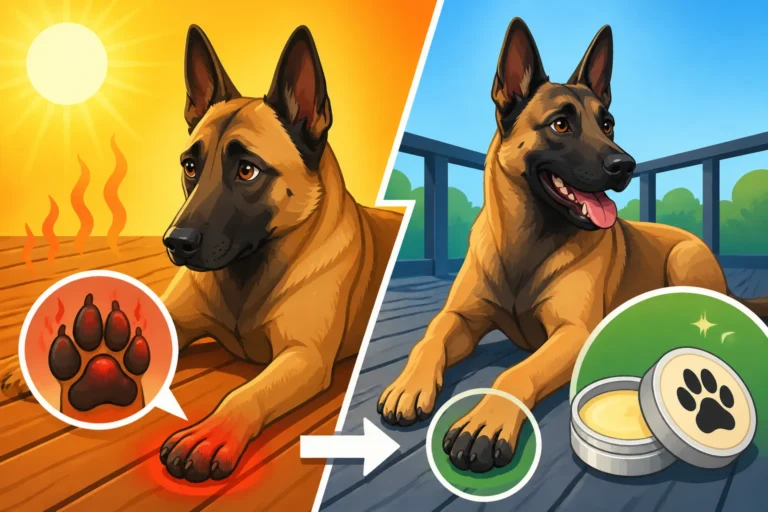
Concrete surfaces can heat up significantly in direct sunlight, especially during warmer months. Walking or working a Malinois on hot concrete can lead to burns on their paw pads. Always check the pavement temperature with your hand before heading out; if it's too hot for your hand, it's too hot for their paws. Adjust your exercise schedule to cooler times of the day, or seek out grassy or shaded areas.
In colder climates, concrete can also be an issue. De-icing salts and chemicals used on pavements can be irritating or even toxic if ingested by your Malinois. Consider using paw booties for protection or thoroughly rinsing their paws with warm water after walks in areas treated with these chemicals. This holistic approach ensures that while you're managing their nails, you're also protecting their entire paw.
When to Seek Professional Help
There's no shame in admitting that nail care is a struggle. Many Malinois are strong-willed, and if you're experiencing significant resistance, fear, or even aggression during nail trims, it's time to call in the professionals. A qualified groomer or veterinary technician can often perform the trims quickly and efficiently. Even better, a certified professional dog trainer or veterinary behaviorist can help you develop a desensitization and counter-conditioning plan to make future trims more manageable for both you and your Malinois.
Remember, healthy paws are fundamental to a healthy, happy, and functional Belgian Malinois. Don't underestimate the impact of proper nail care on their gait, joint health, and overall comfort. While concrete might offer a little help, it's rarely enough, and consistent, proactive attention from you is the best way to ensure your Malinois stands tall and moves freely.
Disclaimer
This article is for general informational purposes only and does not constitute professional advice. Laws, prices and regulations vary by location and change over time. Consult a qualified professional for guidance on your specific situation.