Insulating a Belgian Malinois’s Outdoor Kennel
Let's talk about something incredibly important for those of us with Belgian Malinois who spend time in outdoor kennels: keeping them warm and safe. It's a common misconception that a dog with a double coat is impervious to the cold, or that simply having a roof over their head is enough. But for a high-drive, lean, and intensely active breed like the Malinois, especially when the temperatures drop, inadequate outdoor shelter can lead to serious health issues, behavioral problems, and just plain misery. This guide is here to walk you through exactly how to properly insulate your Malinois's outdoor kennel, ensuring they have a secure, warm, and comfortable retreat no matter what the weather throws at them.
The Harsh Realities of Outdoor Kenneling for a Malinois
It's tempting to think that since our Malinois are tough, working dogs, they can just "handle" the elements. After all, they’re often seen training in all sorts of weather. But there's a huge difference between a dog working intensely for short bursts in the cold and a dog expected to live in an inadequately prepared outdoor kennel for hours on end, or overnight. Their lean bodies and relentless drive mean they burn through calories quickly, and a significant portion of that energy will be wasted simply trying to stay warm if their shelter isn't up to par.
Why "Just a Dog House" Isn't Enough for a Malinois
Many commercial dog houses, even those advertised as "insulated," often fall short for a Belgian Malinois. These dogs aren't just pets; they're canine athletes with specific physiological needs. A standard plastic igloo or thin-walled wooden shed might offer some respite from wind and rain, but it rarely provides the thermal barrier needed to retain body heat effectively in freezing temperatures. We’re talking about a breed whose core temperature needs to be maintained to prevent health issues, not just to avoid shivers.
Imagine yourself trying to sleep outside in a flimsy tent in winter, even with a sleeping bag. You'd quickly realize that without proper insulation, the cold seeps in from all sides. The same principle applies to our dogs. A basic dog house might keep direct precipitation off, but it won't stop the radiative heat loss from your Malinois's body into the cold air, ground, and walls. This constant battle against the cold drains their energy and can compromise their immune system, making them more susceptible to illness.
Understanding a Malinois's Cold Tolerance
While Belgian Malinois do possess a double coat, it's not the thick, plush fur you'd find on a Malamute or a Saint Bernard. Their coat is designed for protection in active work, not for prolonged stillness in extreme cold. They are lean, muscular, and have relatively short hair compared to many other working breeds. This means their natural insulation isn't as robust as some might assume, especially if they are not actively moving or if their body condition is on the leaner side, which is often the case for working lines. For more on this, you might find Cold Tolerance in a Short Coated Belgian Malinois helpful.
Puppies, older Malinois, or those with underlying health conditions are even more vulnerable to cold. A young Malinois puppy, with less body fat and an underdeveloped thermoregulatory system, can succumb to hypothermia rapidly. An older Malinois, perhaps with arthritis or a slower metabolism, will struggle significantly more to maintain body warmth. It's crucial not to generalize their resilience; each dog is an individual, and their shelter needs to reflect that, offering a true refuge from harsh weather.
The Hidden Dangers of Inadequate Shelter
Beyond discomfort, insufficient outdoor kenneling can lead to a host of serious problems. Hypothermia is the most obvious, but frostbite on ears, paws, and tails is also a real risk. Chronic exposure to cold can exacerbate joint issues, especially in a breed prone to orthopedic concerns. Furthermore, a cold, uncomfortable dog is a stressed dog. Stress can manifest in destructive behaviors, constant barking, or even resource guarding, as they try to protect their limited warm space.
A Malinois that is constantly battling the cold is also burning through an excessive amount of calories. This means they'll need more food just to maintain their weight, which can be an added expense and potentially lead to digestive upset if not managed properly. Moreover, a dog whose primary focus is survival against the cold cannot relax, cannot truly rest, and certainly isn't in a prime mental state for training or bonding. Their physical and mental well-being are intrinsically linked to having a safe, warm space to decompress.
Essential Insulation Strategies for a Malinois Kennel
Insulating a Malinois kennel isn't about throwing a blanket in there and calling it a day. It's about creating a true thermal envelope that traps heat inside and keeps the cold out, mimicking the protective qualities of a well-built home. We need to think about every surface: the walls, the floor, and the roof.
Walls, Floors, and Roof: Layering for Maximum Warmth
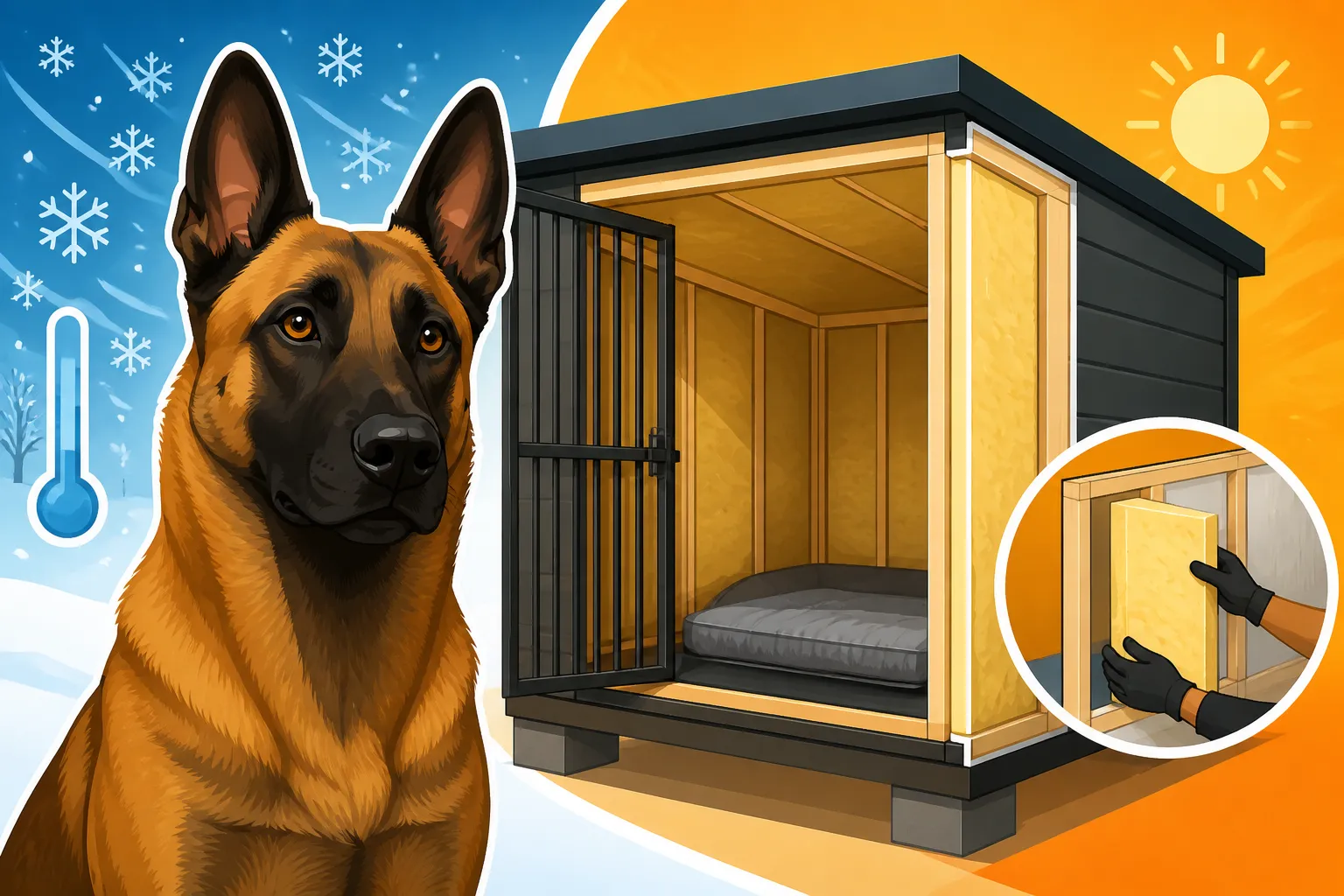
True insulation means creating multiple barriers between your dog and the outside temperature. For the walls, this usually involves an inner and outer layer with an insulating material sandwiched in between. Think about the construction of your own home – it's rarely just one sheet of material. The same logic applies here. This air pocket, combined with the insulating material, significantly reduces heat transfer.
The floor is often overlooked, but it's where much of your dog's body heat can be lost to the cold ground. Elevating the kennel off the ground is a fantastic first step, but then insulating the floor itself with rigid foam or even a double-layer of plywood with insulation in between is crucial. For the roof, consider not only insulation but also reflective barriers that can bounce radiant heat back down into the kennel during colder months, and reflect solar heat away during warmer months. Remember, insulation works both ways: keeping heat in during winter and out during summer.
Draft Proofing: Sealing Against the Elements
Even the best insulation is useless if cold air drafts freely into the kennel. Belgian Malinois are particularly sensitive to drafts, and a constant stream of cold air can quickly negate any warmth generated. Pay close attention to every seam, crack, and opening. Caulk any gaps in the construction, and consider adding weather stripping around the door opening. A heavy-duty, flexible flap door is almost always necessary to retain heat. These flaps allow your Malinois to enter and exit but immediately fall back into place, sealing the opening.
Another clever trick is to create an offset or baffled entryway. Instead of the door opening directly into the main sleeping area, design a small vestibule or a wall that forces your Malinois to turn a corner to get into the sleeping space. This design creates a pocket of air that further buffers the interior from direct wind and cold drafts. It also provides an extra layer of privacy and security for your dog, allowing them to feel more protected in their den.
Supplemental Heat Sources: When Insulation Isn't Enough
In extremely cold climates, or for particularly vulnerable Malinois, even excellent insulation might need a boost. Supplemental heat sources can make all the difference, but they must be chosen and installed with safety as the absolute top priority. Never use household space heaters not designed for animal use, as they pose a serious fire risk and can cause burns. Look for low-wattage, radiant heating panels designed specifically for dog kennels, or heated dog beds with chew-resistant cords. Many options can be found on sites like Amazon or Chewy.
When considering a heat source, think about its placement and power. It should provide gentle, ambient warmth without becoming a burn hazard. Heating pads or mats should be covered by a thick layer of bedding to prevent direct contact. Heat lamps, while popular for livestock, can be too intense and dangerous for a contained dog kennel due to fire risk and potential for burns. Always choose products designed for pet safety, and ensure all electrical components are outside the dog's reach and properly protected from chewing or moisture.
Practical Materials and Techniques for Insulation
Knowing why to insulate is one thing; knowing how and with what is the next critical step. There are various materials available, each with its pros and cons, and the installation process doesn't have to be overly complicated if approached methodically.
Choosing the Right Insulation Materials
When selecting insulation, you'll primarily be looking at rigid foam insulation boards (like extruded polystyrene or polyisocyanurate), fiberglass batts (though these are trickier for DIY dog kennels due to exposure risks), or even natural materials like straw, though straw needs frequent changing and isn't truly an insulator for the structure itself, but rather bedding. Rigid foam boards are often the best choice for DIY kennel insulation due to their ease of cutting, water resistance, and high R-value (a measure of thermal resistance).
| Insulation Type | Pros | Cons | Best Use for Malinois Kennel |
|---|---|---|---|
| Rigid Foam Boards | High R-value, easy to cut, moisture resistant, lightweight | Can be expensive, needs to be protected from chewing | Walls, floor, roof – create an inner panel to protect the foam |
| Fiberglass Batts | High R-value, readily available | Can irritate skin/lungs, absorbs moisture, must be fully enclosed | Only suitable if completely sealed behind solid panels; generally not recommended for DIY kennels |
| Straw (as bedding) | Cheap, warm, natural | Needs frequent replacement, can attract pests, not structural insulation | Excellent supplemental bedding inside an already insulated kennel |
| Reflective Foil/Bubble | Good for radiant heat barrier, adds some R-value | Low R-value alone, easily damaged by chewing | As an additional layer behind rigid foam, or for seasonal warmth |
Always ensure any insulation material is completely inaccessible to your Malinois. These dogs can be incredibly destructive when bored or stressed, and ingesting insulation can lead to serious health problems. Building an inner lining of plywood or other sturdy material over the insulation is non-negotiable.
Step-by-Step Installation Tips
Installing insulation doesn't require advanced carpentry skills, but it does demand attention to detail.
- Preparation: Ensure the kennel structure is sound, dry, and clean. Repair any existing damage.
- Measurements: Accurately measure all interior surfaces (walls, floor, ceiling). Cut your rigid foam boards to fit snugly.
- Wall Insulation: Attach the foam boards to the interior walls. You can use construction adhesive specifically rated for foam, or screws with large washers to secure them without crushing the foam.
- Inner Lining: This is crucial. Once the foam is in place, cover it with a protective layer like thin plywood, hardboard, or even heavy-gauge sheet metal. This prevents your Malinois from chewing on the insulation. Secure this lining firmly.
- Floor Insulation: If the kennel isn't already elevated, put it on skids or concrete blocks. Then, insulate the floor from underneath or create a false floor inside, with foam sandwiched between two layers of sturdy plywood. Again, the top layer must be impenetrable to chewing.
- Roof Insulation: Attach foam boards to the underside of the roof. If possible, create an air gap between the roof and the insulation for better thermal performance. Cover with a protective inner lining, just like the walls.
- Seal and Caulk: Once all insulation and lining are in place, caulk all seams and joints to eliminate drafts. Pay special attention around the door and any windows.
- Door Flap: Install a heavy-duty, flexible door flap. There are many robust, clear vinyl options available that allow light in while keeping drafts out.
Remember, a Malinois is a master of finding weak points. Double-check all fasteners and ensure there are no small gaps where they might start to chew or pry at the insulation.
Maintaining Your Insulated Kennel
Insulation isn't a "set it and forget it" solution. Regular maintenance is key to its effectiveness and your Malinois's safety. Throughout the colder months, make it a habit to check the integrity of the kennel structure and insulation. Look for any signs of chewing on the interior lining. If you find any damage, address it immediately. Even a small hole can compromise the insulation's efficiency and give your dog access to potentially harmful materials.
Regularly inspect the door flap for wear and tear. A cracked or missing flap will allow drafts and heat loss. Check caulk and weather stripping for degradation and reapply as needed. Also, ensure that any drainage holes or ventilation points aren't blocked by snow or debris, which could lead to moisture buildup. Proper ventilation, even in an insulated kennel, is important to prevent dampness and maintain air quality, which we'll discuss next.
Beyond Insulation: Ensuring Overall Comfort and Safety
While insulating the structure is paramount, the interior environment, bedding, and overall kennel management play an equally vital role in your Malinois's comfort and health. It's about creating a holistic safe haven, not just a warm box.
Proper Bedding and Elevated Sleeping Surfaces
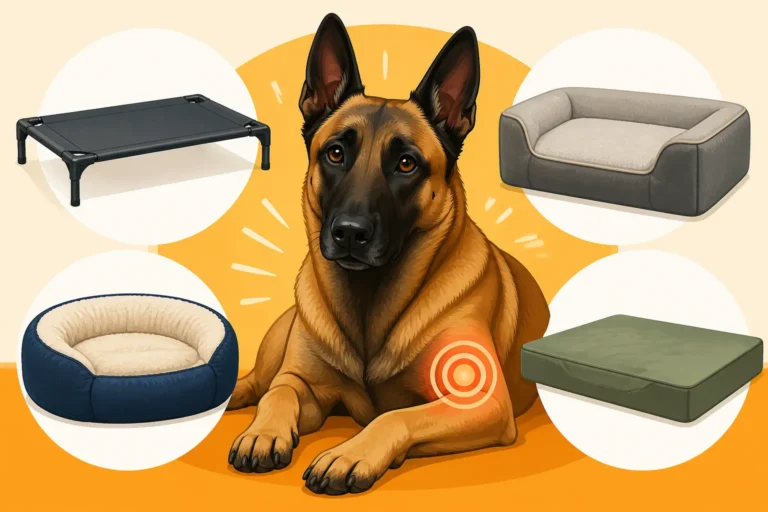
Even the best-insulated kennel needs appropriate bedding. A thick, soft, and dry bed provides an additional layer of insulation and comfort. Consider options like cedar shavings (which are naturally repellent to fleas and provide some insulation), or thick, washable dog beds specifically designed for outdoor use. For a Malinois, durability is key, so look for chew-resistant materials. A good orthopedic bed can be found on Chewy or Amazon, often with waterproof covers. These are often better than just straw or blankets, which can get damp and matted easily.
Elevated dog beds are an excellent choice because they lift your Malinois off the cold floor, preventing heat loss through conduction. Even within an insulated kennel, an elevated cot with a thick pad can significantly increase comfort. During the coldest months, layering a thick, insulated bed on top of an elevated cot provides a superb sleeping surface. Remember, bedding needs to be kept clean and dry; damp bedding loses its insulating properties and can lead to skin issues. You can learn more about suitable options in Bedding for a Belgian Malinois in a Kennel Run.
Ventilation and Air Quality
It might seem counterintuitive to talk about ventilation after emphasizing sealing against drafts, but proper airflow is crucial for health. A completely sealed kennel can become humid and stagnant, leading to moisture buildup, mold, and poor air quality. This can exacerbate respiratory issues and skin problems. The goal is to minimize drafts while allowing for a slow, continuous exchange of air.
This can be achieved through carefully placed, small, high-up vents that are protected from direct wind and rain. Often, an eave vent under the roof overhang, combined with the door flap, creates enough passive airflow. The idea isn't to blast cold air in, but to let stale, moist air escape and fresh air gently enter without creating a chilling draft directly on your dog. In warmer months, these same vents become even more vital to prevent the kennel from becoming an oven.
Monitoring Your Malinois's Comfort in Extreme Weather
Finally, no amount of preparation can replace diligent monitoring. You need to be aware of what kind of temperatures your Malinois is experiencing. On particularly brutal cold days or nights, it's essential to check on your dog frequently. Feel the inside of the kennel. Is it genuinely warmer than the outside air? Is your Malinois curled up tight, shivering, or are they relaxed and comfortable? Behavioral cues are critical. If your Malinois is huddling, shivering, or exhibiting signs of distress, the kennel isn't warm enough.
Consider investing in a remote thermometer that has a sensor you can place inside the kennel, allowing you to monitor the internal temperature from inside your home. This takes the guesswork out of it. Also, ensure fresh, unfrozen water is always available. Heated water bowls are an excellent investment for outdoor kennels in winter to prevent dehydration. While a Belgian Malinois is generally built to handle a lot, they still need our responsible care to thrive, especially when kept outdoors. Whether a Belgian Malinois Can Sleep Outside touches on the considerations for outdoor living.
Disclaimer
This article is for general informational purposes only and does not constitute professional advice. Laws, prices and regulations vary by location and change over time. Consult a qualified professional for guidance on your specific situation.