Whether a Belgian Malinois Needs Its Ears Plucked
It's a common grooming question, and one that often leads to confusion, especially for new Belgian Malinois owners: do these active, erect-eared dogs actually need their ear hair plucked? Many assume that all dog ears benefit from plucking, but the truth is, what's beneficial for one breed can be downright detrimental to another. This guide will cut through the misinformation and help you understand the unique needs of your Malinois's ears, so you can provide the best care without causing unnecessary discomfort or harm.
Understanding the Malinois Ear: Anatomy and Natural Design
When you look at a Belgian Malinois, one of their most striking features is often those sharp, alert, erect ears. Unlike many breeds with floppy or heavily feathered ears, the Malinois ear is designed for optimal airflow and natural cleanliness. Understanding this natural structure is the first step in knowing how to properly care for them.
The Malinois Ear Structure
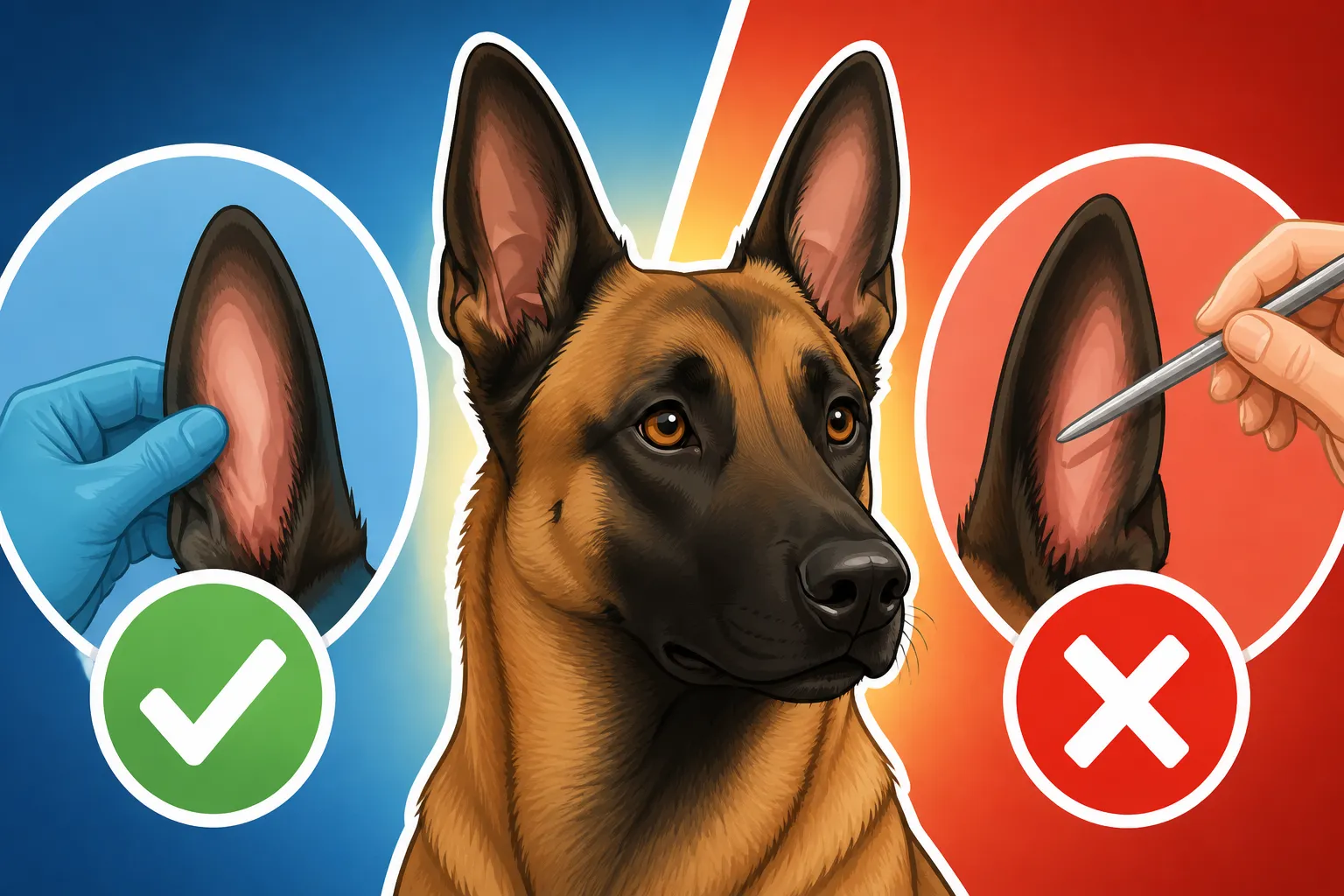
A Malinois's ears are typically set high on the head, stand upright, and are fairly open, allowing for excellent air circulation. Inside the ear canal, you'll generally find that the hair is quite sparse and short, not thick and dense like in breeds such as Poodles or some Terriers. This minimal hair growth is a deliberate design by nature, allowing moisture to evaporate quickly and preventing a humid, warm environment where yeast and bacteria love to thrive. Think about it: a working dog like a Malinois, often outside, running through fields, or even swimming, benefits immensely from ears that can dry out efficiently. Their short, protective outer coat extends into the ear, offering a barrier against dust and debris without suffocating the canal. It's a testament to their utilitarian breeding that every aspect of their anatomy, right down to their ears, is finely tuned for performance and resilience.
Why Ear Hair Grows in Some Breeds
The presence of significant hair growth within the ear canal is largely a genetic trait, primarily found in breeds whose original purpose or aesthetic did not prioritize the same kind of open, self-cleaning ear structure as the Malinois. For instance, Poodles were bred for retrieving from water, and their thick, non-shedding coats, including dense ear hair, might have been thought to offer some protection. However, this dense hair then traps moisture and debris, necessitating routine plucking to prevent infections. Similarly, many terriers, with their wiry coats, often have copious hair in their ears. The Malinois, however, was bred as a functional herding and protection dog, where acute hearing and a low maintenance body were paramount. Therefore, they simply don't have the genetic predisposition for excessive hair growth deep within the ear canal that would block airflow or trap moisture. This fundamental difference is crucial in determining whether plucking is ever a good idea.
The Myth vs. Reality of Plucking Malinois Ears
The idea of ear plucking can be quite ingrained in the grooming world, and it's easy to assume it applies to all dogs. For a Belgian Malinois, however, it's rarely necessary and can often do more harm than good. Let's separate the facts from the fiction.
The Purpose of Ear Plucking in Other Breeds
For certain breeds, especially those with floppy ears or dense hair that grows profusely within the ear canal, ear plucking serves a legitimate purpose. Breeds like Poodles, Shih Tzus, and Schnauzers often have hair that grows so thickly it forms a mat, effectively sealing off the ear canal. This creates a dark, warm, moist environment – a perfect breeding ground for yeast and bacterial infections. In these cases, regular plucking, often done by a professional groomer or veterinarian, helps to:
- Improve Airflow: Opening up the ear canal allows air to circulate, keeping the environment dry.
- Prevent Matting: Dense hair can mat deep inside the ear, trapping wax and debris.
- Reduce Moisture Retention: Less hair means less surface area for moisture to cling to, which is vital after baths or swimming.
Without plucking, these breeds would be prone to chronic, painful ear infections. However, the critical distinction here is that this situation rarely, if ever, applies to the typically sparse-haired, erect ears of a Belgian Malinois. The physiological need simply isn't there for our breed.
Risks and Downsides of Unnecessary Plucking for Malinois
Attempting to pluck a Malinois's ears when there's no excessive hair can lead to a host of problems. It's not just an uncomfortable experience for your dog; it can actively compromise their ear health.
- Pain and Discomfort: The skin inside a dog's ear is incredibly delicate and sensitive. Pulling out sparse, healthy hairs that are not causing an obstruction can be genuinely painful for your Malinois. Imagine having hairs ripped from a sensitive area of your own body; it's no different for them. This pain can also lead to a negative association with ear handling, making future necessary veterinary examinations or cleaning much more difficult.
- Irritation and Inflammation: The act of plucking can irritate the lining of the ear canal. This irritation can cause redness, swelling, and inflammation, making the ear more susceptible to problems rather than less. It's counterintuitive, but by attempting to "clean" a healthy ear this way, you're actually creating an unhealthy environment.
- Micro-abrasions and Infection Risk: Each hair follicle, when plucked, leaves a tiny, open wound. These micro-abrasions are perfect entry points for bacteria and yeast, which are naturally present on the skin. Instead of preventing infections, unnecessary plucking can introduce them, leading to otitis externa (ear canal inflammation) or even more severe conditions. This is a common scenario we want to avoid with our active Malinois, who might be exposed to various environmental elements during their training and work.
- Removal of Natural Protection: Even sparse hair inside the ear canal serves a purpose. It acts as a natural filter, catching some dust, dirt, and tiny insects before they can travel deeper into the ear. Removing this protective layer leaves the delicate inner ear more vulnerable to environmental irritants. Unless there's a specific, vet-identified problem, leaving the Malinois's ear as nature intended is usually the best approach.
When to Consider Intervention (and What Kind)
While routine ear plucking is generally not recommended for Belgian Malinois, that doesn't mean you should ignore their ears entirely. It's crucial to be vigilant for signs of trouble and to know when professional intervention is warranted. The key is understanding what kind of intervention is appropriate.
Signs of Ear Trouble in a Malinois
Being proactive means knowing what to look for. Your Malinois can't tell you their ear hurts, so it's up to you to recognize the subtle cues. Pay close attention if you notice any of the following:
- Redness or Swelling: A healthy ear canal should be pale pink. If it looks red, inflamed, or swollen, that's a red flag.
- Foul Odor: A strong, yeasty, or unpleasant smell emanating from the ear is a classic sign of infection. Healthy ears should have a very mild, neutral scent, if any.
- Discharge: Any discharge – whether it's waxy buildup, dark brown gunk, yellow pus, or a watery fluid – is abnormal and indicates a problem.
- Head Shaking or Tilting: Dogs will often shake their heads vigorously or persistently tilt it to one side if they have discomfort in an ear.
- Excessive Scratching: If your Malinois is constantly scratching at their ears with a paw, or rubbing their head against furniture or the ground, it's a clear sign of irritation.
- Sensitivity to Touch: Your dog might pull away, yelp, or even snap if you try to touch their ear, indicating pain.
- Behavioral Changes: Lethargy, loss of appetite, or general grumpiness can sometimes be secondary signs of pain or discomfort, including ear infections.
If you observe any of these symptoms, it's not time to reach for tweezers; it's time to call your veterinarian. These symptoms could point to Ear Infections in a Malinois With Erect Ears, allergies, foreign bodies, or even polyps, all of which require a professional diagnosis.
Professional Examination and Alternatives to Plucking
When you suspect ear trouble, a veterinary visit is non-negotiable. Self-diagnosing and attempting to treat an ear issue can worsen the problem or delay proper care, leading to chronic conditions. Your vet will perform a thorough examination using an otoscope to look deep into the ear canal, identify the cause of the problem, and recommend the correct course of action.
For a Malinois, if there is truly a minimal amount of hair causing an obstruction (which is rare), a vet might carefully trim it with blunt-nosed scissors, rather than plucking. This avoids the trauma to the follicle. More often, the solution will involve:
- Medicated Ear Cleaners: Your vet might prescribe or recommend a specific ear cleaning solution designed to combat yeast, bacteria, or dissolve wax. Products available on platforms like Chewy or Amazon can be useful for maintenance, but always use a vet-approved cleaner for active infections.
- Medications: Depending on the diagnosis (bacterial, yeast, or mite infection), the vet will prescribe topical or oral medications.
- Foreign Body Removal: If a grass awn, tick, or other foreign object is present, the vet will carefully remove it, often under sedation if the dog is in pain or uncooperative.
The key takeaway here is: trust your vet. They are trained to understand canine ear anatomy and pathology.
Maintaining Healthy Malinois Ears
Preventative care for your Malinois's ears is mostly about observation and sensible hygiene, not aggressive intervention.
- Regular Visual Inspection: Make it a habit to lift your Malinois's ears and take a peek inside a few times a week. Look for any redness, discharge, or odors. Early detection of problems means easier, faster treatment. This can be part of your routine Checking a Belgian Malinois Over After a Session.
- Gentle Cleaning (Only When Necessary): If you notice a small amount of normal ear wax accumulation, you can gently wipe the outer folds of the ear with a soft cloth or cotton ball. If you use a liquid ear cleaner, ensure it's specifically formulated for dogs and follow your vet's instructions. Over-cleaning can disrupt the natural balance of the ear, so only clean when needed, not just because.
- Drying Ears After Exposure to Water: If your Malinois loves to swim, or after a bath, gently dry their outer ears and the accessible part of the ear canal with a towel or cotton ball. Excess moisture can contribute to infection.
- Overall Health is Key: A healthy dog is more resistant to infections. Ensure your Malinois is on a high-quality diet, perhaps like options from Ollie that support overall wellness, and gets regular exercise. Good nutrition strengthens the immune system, which in turn helps prevent various health issues, including ear problems. Don't forget their annual check-ups, which might include The Bloodwork a Working Malinois Should Have Annually to catch any underlying issues.
Common Misconceptions and Best Practices for Malinois Ear Care
There are a lot of old wives' tales and well-intentioned but misguided practices out there when it comes to dog grooming. For a specific and robust breed like the Belgian Malinois, it's vital to rely on informed care rather than outdated assumptions.
The "Cleanliness" Fallacy
One of the biggest misconceptions driving unnecessary ear plucking is the idea that a super-clean, hairless ear canal is always a healthy ear canal. For a Malinois, this couldn't be further from the truth. Their ears are naturally designed to be self-cleaning to a significant extent. The sparse hair and erect, open structure allow air to circulate and moisture to evaporate, which are the primary mechanisms for preventing the overgrowth of yeast and bacteria.
Aggressive cleaning or plucking in a healthy Malinois ear is akin to scrubbing your skin raw in an attempt to make it "cleaner." You're not helping; you're actually stripping away natural protective oils, causing irritation, and potentially creating micro-lesions that invite infection. A healthy Malinois ear might have a little bit of visible wax, and that's usually perfectly normal. Unless it's excessive, smelly, or accompanied by other symptoms, it's best left alone. More intervention does not automatically equal better health; often, with Malinois ears, less is genuinely more.
Groomers vs. Veterinarians on Ear Care
It's common practice for many groomers to include ear cleaning and sometimes plucking as part of a standard grooming package, especially for breeds where it's traditionally needed. However, this is where communication becomes paramount for a Malinois owner.
- Groomer's Default: A groomer, dealing with many different breeds, might default to plucking ears, particularly if they're used to working with Poodles, Bichons, or other breeds with dense ear hair. They're often acting on the assumption that it's beneficial for all dogs.
- Veterinarian's Expertise: Your veterinarian, on the other hand, has a deep understanding of canine anatomy, breed-specific health concerns, and ear pathology. They are the primary resource for determining if any intervention, beyond gentle cleaning, is actually needed for your Malinois's ears.
It is absolutely essential to clearly instruct your groomer not to pluck your Malinois's ears. Explain that your breed does not typically require it and that it can cause harm. If you're using a professional groomer, discuss their ear care protocol beforehand. If they insist on plucking without a specific veterinary recommendation, it might be time to find a groomer who respects breed-specific needs, or who you've consulted with about Whether a Malinois Ever Needs Professional Grooming. Remember, if there's ever a question of medical necessity, defer to your vet, not your groomer.
Proactive vs. Reactive Ear Care
The best approach to Malinois ear care is proactive observation combined with minimal, appropriate intervention, rather than reactive, aggressive treatment after a problem has developed.
- Preventative Measures: Focus on simple, consistent habits:
- Regularly check your Malinois's ears for any changes in appearance or smell.
- Ensure their ears are dried thoroughly after swimming or bathing.
- Maintain their overall health through good diet, exercise, and regular vet check-ups. Issues like Atopy in a Belgian Malinois can manifest as ear problems, so addressing underlying health is crucial.
- Be mindful of their environment. If they are often in dusty or dirty conditions, a quick visual check and gentle wipe of the outer ear might be more frequently needed.
- Genetic Influence: Choosing a reputable breeder who prioritizes health and sound structure can also play a role. While ear plucking isn't a genetic trait, the overall health and conformation of a dog, including their ears, is influenced by responsible breeding practices.
Ultimately, your Malinois's ears are a marvel of natural design. By understanding their unique needs and avoiding unnecessary interventions like plucking, you can help ensure they stay healthy, comfortable, and ready to listen for your next command.
| Ear Type | Common Breeds | Typical Ear Hair Growth (Internal) | Plucking Recommended? | Why/Why Not |
|---|---|---|---|---|
| Erect, Open Ears | Belgian Malinois, German Shepherd, Husky | Sparse, short | Rarely | Good airflow, self-cleaning, plucking causes irritation, micro-abrasions. |
| Floppy, Dense Hair | Poodle, Cocker Spaniel, Bichon Frise | Dense, profuse | Often | Traps moisture, reduces airflow, prone to matting and infection. |
| Drop Ears, Sparse Hair | Labrador Retriever, Beagle, Vizsla | Sparse, short | Rarely/Never | Good airflow for a drop ear, plucking unnecessary and can cause irritation. |
| Wiry Hair, Semi-Erect | Terrier breeds (e.g., Schnauzer, Airedale) | Varies, can be dense | Sometimes | Depends on individual hair growth; vet or groomer guidance is best. |
Disclaimer
This article is for general informational purposes only and does not constitute professional advice. Laws, prices and regulations vary by location and change over time. Consult a qualified professional for guidance on your specific situation.