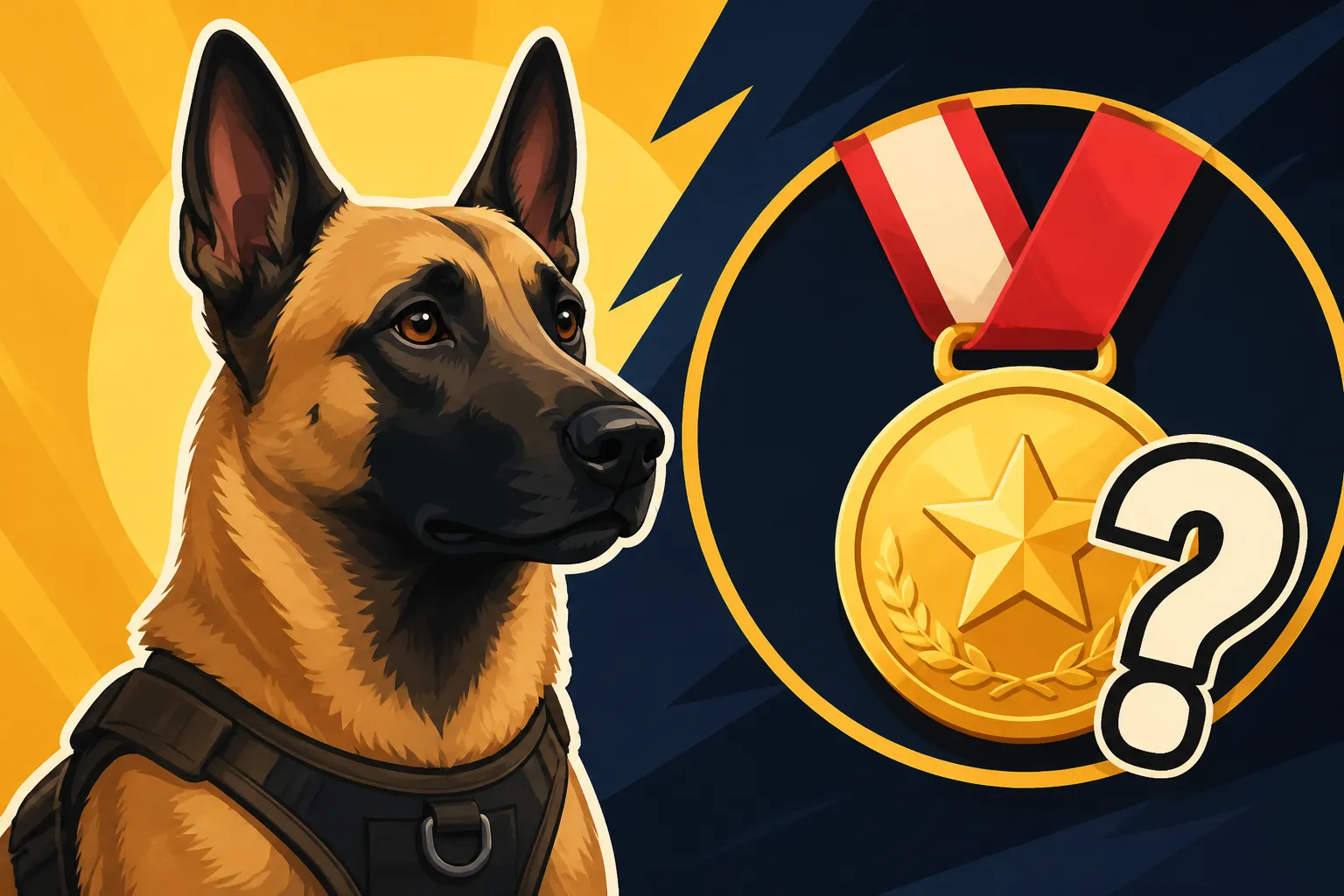
Whether the Malinois Cairo Received a Medal
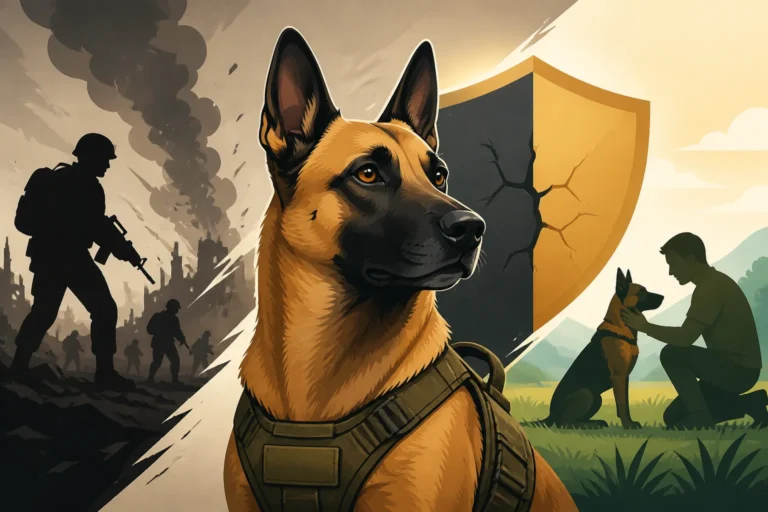
Cairo, the Belgian Malinois who accompanied U.S. Navy SEALs during the 2011 raid on Osama bin Laden’s compound, is often described as a decorated military dog. The careful answer is that no reliable public record confirms Cairo received an official U.S. military medal or a widely recognized animal valor medal. The confusion comes from mixing his service, the honors given to people involved, and awards other working dogs have received.
Did Cairo Receive an Official Medal
What the public record supports
Cairo is known for taking part in Operation Neptune Spear, the U.S. mission in Abbottabad, Pakistan. He worked with the SEAL team and his handler, Will Chesney. Public accounts describe his role as part of the operation, but they do not establish that Cairo was formally awarded a U.S. military decoration.
That distinction matters because a dog can perform valuable work without receiving a medal. Military animals may be praised, remembered, or recognized through an organization or a special ceremony, but those forms of recognition are not automatically the same as an official service medal. When a post says Cairo “was decorated,” it is worth checking what award it means and who presented it.
The most responsible answer, then, is not that Cairo’s contribution was unimportant. It is that an official medal for Cairo is not substantiated by the public record. His role is widely associated with the raid, while a specific medal awarded to him is not clearly documented.
Why stories about a Cairo medal circulate
The word medal gets used loosely in stories about military dogs. It might mean an official military decoration, an animal bravery award, a commemorative medal, or even an informal token of appreciation. Those are different things, but short headlines and social posts often flatten them into the same claim.
Another source of confusion is that people involved in military operations may receive formal recognition, while a dog’s contribution is described alongside theirs. Readers can easily come away thinking the dog received the same award. A report may also say a dog was “honored” without naming the award, its presenter, or whether it was an official military decoration.
When you encounter a claim that Cairo received a medal, look for the name of the award and a clear account of its presentation. If those details are missing, treat the claim cautiously. The same care helps when reading stories about other working dogs, including Famous Belgian Malinois in Police Service.
Cairo’s Work and Why It Was Significant
The role of a military working dog
Military working dogs can support teams in demanding environments through tasks such as detecting explosives, searching areas, and helping handlers assess potential risks. A dog’s contribution depends on its training, the mission, and the team’s working procedures. It is not simply a matter of a dog being brave; the work involves learned behaviors and close cooperation with a handler.
Cairo was part of the team sent into the compound during the Abbottabad raid. Accounts of his participation helped draw public attention to the use of dogs in special operations. That visibility can make a dog seem like a character in a dramatic story, but Cairo was a trained working animal whose role depended on the human handlers and operational planning around him.
If you want to understand the broader job rather than focus only on the medal question, What a Malinois Combat Assault Dog Does offers a useful next topic. It is also worth keeping in mind that a dog’s work can be important even when the details are limited or not publicly discussed.
Cairo, his handler, and the attention after the raid
Cairo’s story is closely connected to Will Chesney, the SEAL who worked with him. Their partnership became more familiar to the public through later accounts of the raid and the relationship between a handler and a working dog. That personal connection is one reason people continue to ask whether Cairo received recognition of his own.
Cairo’s fame also arrived in an unusual way. Many military dogs work without becoming widely known outside their units. The raid brought intense public attention, and the presence of a Belgian Malinois became part of the story people remembered. That attention is not proof of a medal, however; public recognition and a formal award are separate matters.
For more about the handler’s perspective, see The SEAL Handler Who Wrote About His Malinois. The details of any operation can be sensitive, so public accounts may leave out information. A lack of a named award in public reporting should not be treated as a complete measure of Cairo’s value to the team.
Medal Claims Compared With Other Forms of Recognition
Official decorations and animal awards are not interchangeable
An official military decoration is governed by the rules of the service that awards it. An animal bravery medal, by contrast, may be presented by a civilian organization or an animal-welfare institution. A commemorative medal may recognize a dog’s role without being a formal military decoration at all.
For that reason, a clear claim should answer three questions: What is the award called? Who gave it? Was it an official military decoration, an animal award, or a commemorative recognition? Without those details, “Cairo received a medal” is too vague to confirm.
| Type of recognition | What it generally means | What to check in a Cairo claim |
|---|---|---|
| Official military decoration | A formal award issued under a military service’s rules | The exact medal name and an official record or announcement |
| Animal valor award | Recognition from an organization for an animal’s service or courage | The awarding organization and its recipient records |
| Commemorative medal | A keepsake or special token marking an event or contribution | Who presented it and whether it is described as honorary |
| Public praise | News coverage or statements recognizing a dog’s role | Whether any actual award is named |
This distinction is useful beyond Cairo’s story. For example, the British PDSA Dickin Medal is an animal bravery award, not a U.S. military decoration. A dog receiving an award like that would not mean it had received a U.S. service medal. Likewise, a ceremonial token could be meaningful without being an official decoration.
What can be said without overstating the evidence
The cautious, evidence-based conclusion is that Cairo’s operational role is well known, but a specific official medal awarded to him is not established in reliable public accounts. Claims that name a particular medal should be checked against the issuing organization or a formal announcement rather than repeated as fact.
That answer may feel less satisfying than a simple yes or no, especially when a dog’s service seems deserving of a tangible honor. But “deserving recognition” and “documented as receiving a particular medal” are different claims. Keeping them separate respects both the animal’s contribution and the facts available about the award.
Cairo’s story is also part of the wider public image of the breed. The raid helped many people associate the Belgian Malinois with military and police work, though one famous dog cannot represent every Malinois or every working line. For context, read Whether the Bin Laden Raid Made Malinois Popular and How the Malinois Went From Herding to Police Work.
How to Evaluate Claims About Cairo
Check the award name and its source
Start with the exact wording. Does the report identify a named medal, or does it merely say Cairo was “honored” or “decorated”? Those phrases can refer to very different forms of recognition. If no award name is given, the story has not established that he received a specific medal.
Next, ask who supposedly presented it. A military service, an animal charity, a breed organization, and a private group may all recognize a dog in different ways. Their awards should not be described as interchangeable. A credible account should make the awarding body clear and explain what the recognition represents.
Finally, check whether the story distinguishes Cairo’s recognition from awards received by his handler or other team members. This small detail can prevent a common mix-up: a report about a decorated team being retold as a report that the dog itself received a military medal.
Keep the wider Malinois story in perspective
Cairo’s fame can make the breed appear as if every Belgian Malinois is destined for military work. In reality, a working dog’s abilities are shaped by breeding, health, training, temperament, and the fit between dog and handler. The breed’s reputation does not mean every individual is suitable for high-risk work, nor does one famous mission explain the full range of Malinois roles.
Media attention can also blur the difference between a real working dog and a dramatic image of one. A Malinois may be trained for detection, patrol, sport, or other tasks, and each setting requires different preparation. For more on how public portrayals shape expectations, explore How Films Portray the Belgian Malinois and The Reputation a Belgian Malinois Carries in Public.
So, did Cairo receive a medal? The careful answer is that no official U.S. military medal or widely recognized animal valor medal for him is confirmed in the public record. His participation in the raid and his partnership with Will Chesney remain central to his story, but they should not be confused with proof of a specific award.
Disclaimer
This article is for general informational purposes only and does not constitute professional advice. Laws, prices and regulations vary by location and change over time. Consult a qualified professional for guidance on your specific situation.