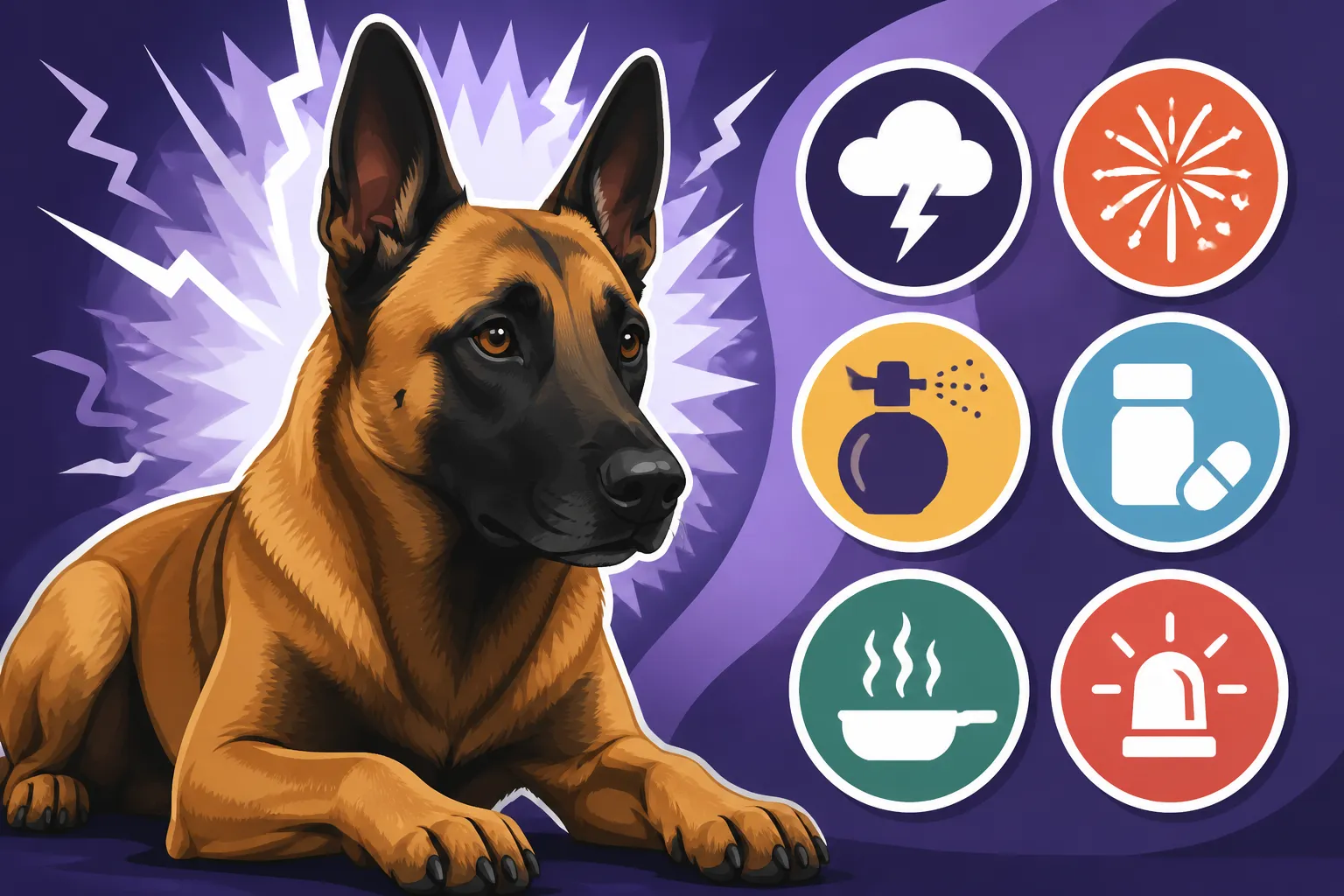
What Triggers a Belgian Malinois Seizure
It's incredibly frightening to witness your beloved Belgian Malinois suddenly collapse into a seizure. That moment of panic, seeing your usually vibrant, driven dog lose control, can leave you feeling helpless and desperate for answers. Many Malinois owners worry about what might be causing these episodes and how to prevent them. This guide aims to shed light on the common triggers and underlying factors that can lead to seizures in Belgian Malinois, offering practical advice to help you manage this challenging health concern.
Understanding Seizures in Belgian Malinois
When your Malinois has a seizure, it's not just a physical event; it’s a neurological storm. Understanding what's happening inside their brain is the first step toward feeling a little less overwhelmed and more empowered to help them.
The Nature of Canine Seizures
At its core, a canine seizure is an uncontrolled burst of electrical activity in the brain. Think of it like a short circuit disrupting the normal flow of communication between brain cells. This sudden, abnormal activity manifests in various ways, from subtle changes in behavior to dramatic convulsions. Generalized seizures, often called grand mal seizures, are what most people picture: the dog loses consciousness, falls over, and exhibits full-body stiffening and paddling of the limbs. They might vocalize, drool excessively, or even lose bladder and bowel control. These episodes usually last from a few seconds to a few minutes, followed by a post-ictal phase where your dog might be disoriented, restless, or temporarily blind.
Then there are focal seizures, sometimes called partial seizures, which are much harder to spot. These involve electrical activity in only one part of the brain. Your Malinois might experience twitching in just one limb or side of the face, snapping at invisible flies, lip-smacking, or exhibiting repetitive behaviors like tail chasing. Sometimes, these focal seizures can generalize, spreading to affect the entire brain. It's crucial to observe carefully and even try to capture these events on video, as this information is invaluable for your veterinarian to diagnose and develop a treatment plan. Understanding these different manifestations is key, because not all seizures look like the dramatic events seen in movies.
Why Malinois Are Prone to Seizures
The Belgian Malinois, for all their incredible intelligence and athleticism, unfortunately, has a known genetic predisposition to epilepsy, making them more susceptible to seizures than some other breeds. It’s a heartbreaking reality for many owners who dedicate so much to these dogs. This isn't to say every Malinois will have seizures, but the breed's genetic pool carries a higher risk, particularly for what's known as idiopathic epilepsy. Idiopathic epilepsy means there's no identifiable cause for the seizures beyond a suspected genetic component. It's not due to a brain tumor, head injury, or metabolic issue; it's simply "bad wiring" that they've inherited.
Often, when epilepsy first appears in a Malinois, it presents itself between one and five years of age. It's a devastating diagnosis because it means lifelong management, not a cure. The high-drive nature of Malinois can sometimes make these seizures more pronounced or even influence their frequency in response to stress or over-stimulation, which we'll dive into more. This genetic vulnerability is why responsible breeders go to great lengths to screen their lines, trying to reduce the incidence, but it remains a persistent challenge within the breed. The concern for a seizing Malinois is very real, and owners have every right to feel worried when these episodes strike.
Common Triggers for Belgian Malinois Seizures
While genetics often lay the groundwork for seizures in Malinois, external factors can act as the spark that ignites an episode. Identifying these triggers is a critical part of managing a dog prone to seizures.
Environmental Stressors and Over-Stimulation
For a high-strung, sensitive breed like the Belgian Malinois, environmental stressors and over-stimulation are incredibly common triggers. Imagine a Malinois, already wired for intense work, suddenly thrust into a chaotic environment: a bustling dog park, a loud construction site, or a house full of unfamiliar guests and screaming children. The sheer sensory overload can push their neurological system past its threshold. This isn't just about loud noises; it's about any sudden change that disrupts their routine or sense of security. Intense training sessions, especially those pushing them to their limits without adequate decompression, can also be a culprit. For instance, a long session of bite work or agility, especially if the dog is already tired, might be enough to tip them over.
I’ve heard countless stories from owners whose Malinois had their first seizure after a fireworks display, a move to a new home, or even just an unexpected visit from a large group of people. The constant vigilance and high arousal state typical of a Malinois means their bodies are always primed for action. When this state is prolonged or intensified by external factors, it can lead to neurological imbalance, making a seizure more likely. It’s a common frustration for owners who feel like they’re walking on eggshells, trying to maintain a perfectly calm bubble around their driven dogs, especially when trying to introduce their Malinois to new experiences or social situations.
Sleep Deprivation and Fatigue
You might not immediately connect sleep deprivation with seizures, but for a dog with a predisposition, it can be a significant trigger. Just like in humans, adequate rest is crucial for brain health and function. A Malinois that isn't getting enough deep, uninterrupted sleep can become neurologically vulnerable. This is especially true for working Malinois who are constantly on the go, whether it's through intense training, sport, or actual police or military duty. Their minds are always engaged, always processing. If they don't have enough downtime to truly switch off and enter restorative sleep cycles, that persistent state of high alert can wear down their system.
Consider a scenario where a Malinois is crated for long hours during the day, then brought out for rigorous training in the evening, and perhaps even struggles to settle at night due to anxiety or noise. This cumulative lack of rest can build up, increasing the likelihood of a seizure. Many owners report that seizures often occur shortly after waking up or during periods of relaxation following intense activity, which further highlights the connection between sleep patterns and neurological stability. Ensuring your Malinois gets consistent, quality sleep, perhaps with a dedicated quiet space, is a vital part of managing their overall health and potentially reducing seizure frequency.
Diet and Nutritional Factors
While less common as a direct cause of epilepsy, diet and nutritional factors can certainly influence seizure activity or act as triggers in some individual Malinois. Certain food sensitivities or intolerances, for example, can cause systemic inflammation or stress that indirectly affects neurological stability. If your Malinois is constantly battling an upset stomach or itchy skin due to a food allergy, that underlying physiological stress could lower their seizure threshold. Some owners have also explored connections between specific ingredients, such as certain artificial preservatives, dyes, or even glutens, and seizure activity, though scientific evidence for this is often anecdotal and varies widely between dogs.
It's also important to consider consistency in feeding. Sudden changes in diet, irregular meal times, or periods of fasting can sometimes disrupt blood sugar levels, which can, in rare cases, trigger seizures in sensitive individuals. Ensuring a balanced, consistent diet with high-quality ingredients, potentially with a limited ingredient formula if sensitivities are suspected, can contribute to overall health and neurological stability. While a specific "anti-seizure diet" isn't generally prescribed, feeding a performance kibble from a brand like Purina Pro Plan or Royal Canin that provides consistent nutrition and avoids known allergens for your individual dog is always a good starting point. You might also want to look into Whether a Probiotic Settles a Malinois's Gut if stomach issues accompany the seizures.
Exposure to Toxins and Medications
This is a critical area where prevention is absolutely key, as exposure to toxins and certain medications can cause acute symptomatic seizures, even in dogs not predisposed to epilepsy. Household chemicals are a major culprit: cleaning products, antifreeze, rodenticides, insecticides, and even certain fertilizers can be highly neurotoxic if ingested. Remember, Malinois are notorious for getting into everything, especially when bored or undersupervised. They might chew on plants in the yard, lick up spills, or get into garbage. Many common house plants are also toxic, so it's wise to research what's safe in your home.
Beyond household hazards, some medications, both over-the-counter and prescription, can have side effects that include seizure activity, especially if given incorrectly or if your dog has an underlying condition affecting metabolism. Even some flea and tick preventatives have been linked to seizures in sensitive individuals, though this is rare. Always consult your vet before giving any medication not specifically prescribed for your Malinois. If your dog has a seizure after potential exposure to something new, immediate veterinary attention is paramount. It’s always better to be overly cautious when it comes to poisons and medications, keeping them securely out of reach of your intelligent and curious Malinois. For a working dog, it's also important to consider The Vaccines a Working Belgian Malinois Needs and discuss any potential reactions with your vet.
Internal Factors and Medical Conditions
Sometimes, the triggers aren't external or environmental but stem from deeper, internal issues within your Malinois's body or brain. These underlying medical conditions require a comprehensive diagnostic approach from your veterinarian.
Genetic Predisposition and Idiopathic Epilepsy
As mentioned earlier, idiopathic epilepsy is the most common cause of recurrent seizures in Belgian Malinois. This isn't a condition that "triggers" an individual seizure in the same way a loud noise might; rather, it's the fundamental, internal propensity for seizures to occur. The brain essentially has a lower threshold for electrical excitation, meaning it's easier for those "short circuits" to happen. This is why you'll often hear discussions about breeding lines and careful selection to try and avoid passing on these traits. If your Malinois starts seizing between the ages of one and five, and all other medical causes have been ruled out, a diagnosis of idiopathic epilepsy is very likely.
Managing an epileptic Belgian Malinois on medication is a lifelong commitment. The goal isn't necessarily to stop all seizures, but to reduce their frequency, severity, and duration, improving the dog's quality of life. Owners often wonder What Triggers a Belgian Malinois Seizure to try and prevent episodes, but with idiopathic epilepsy, sometimes seizures just happen, regardless of external factors. This can be frustrating, as it feels like there's nothing you can do. This genetic component underscores the importance of thorough health clearances and understanding the lineage when considering a Belgian Malinois puppy. Asking a breeder for past health records and discussing the prevalence of epilepsy in their lines can provide valuable insight.
Underlying Health Issues
Beyond idiopathic epilepsy, seizures can be a symptom of a wide array of other serious underlying health issues, both neurological and systemic. These are often referred to as symptomatic seizures, meaning they are a symptom of another disease process. Brain tumors, for instance, can cause seizures, especially as they grow and put pressure on brain tissue. Head trauma, even from an incident that happened years ago, can leave scar tissue that irritates brain cells and leads to seizure activity. Infections, such as distemper, encephalitis, or certain fungal infections, can also inflame the brain and trigger seizures.
But it's not always brain-specific problems. Systemic conditions affecting other organs can also manifest with seizures. Severe liver disease or kidney disease, for example, can lead to a buildup of toxins in the bloodstream that then affect brain function. Low blood sugar (hypoglycemia), often seen in very young puppies or dogs with specific metabolic disorders, can also induce seizures. Electrolyte imbalances, certain thyroid conditions like A Malinois Whose Thyroid Has Given Out, or even heart problems that restrict blood flow to the brain are also potential culprits. This is why when your Malinois has a seizure, your vet will want to do a full workup, including blood tests and potentially advanced imaging like an MRI, to rule out all these possibilities before settling on an idiopathic epilepsy diagnosis. The cost of diagnosing a Malinois's seizures can be significant, so having pet insurance from providers like Healthy Paws can provide much-needed relief.
Hormonal Fluctuations
While not a primary cause, hormonal fluctuations can, in some rare cases, influence seizure activity in sensitive individuals. Female dogs, particularly those who are intact, may experience an increase in seizure frequency or intensity around their heat cycles. The significant changes in estrogen and progesterone levels during estrus can impact brain chemistry and lower the seizure threshold for dogs already predisposed to epilepsy. Similarly, some owners report changes in seizure patterns after spaying or neutering, though these effects can be unpredictable – some dogs might improve, while others might see no change or even a temporary increase.
This connection isn't fully understood and isn't a universal trigger, but it's something to consider and discuss with your veterinarian, especially if you notice a pattern correlating with your female Malinois's reproductive cycle. Hormonal imbalances, such as those related to the thyroid, can also affect overall health and potentially influence seizure susceptibility, highlighting the interconnectedness of bodily systems. Keeping detailed records of seizure activity, including dates relative to heat cycles or any recent changes like spay/neuter surgery, can provide valuable data for your vet to analyze.
Managing and Preventing Seizure Triggers
Once you've identified potential triggers or have a diagnosis, actively managing your Malinois's environment and lifestyle becomes paramount. It's about creating a stable, supportive world for them.
Creating a Stable Environment
For a Malinois prone to seizures, a predictable and calm environment can be one of your most powerful tools. This means establishing a consistent daily routine for feeding, exercise, and rest. Dogs thrive on routine, and a Malinois, especially one with neurological sensitivities, benefits immensely from knowing what to expect. Minimize sudden changes in their schedule or surroundings as much as possible. If a change is unavoidable, introduce it gradually and with plenty of positive reinforcement. For instance, if you know loud noises bother them, consider sound-proofing a quiet "safe room" where they can retreat during thunderstorms or fireworks. Some owners even use calming music or white noise machines to create a more tranquil atmosphere.
Managing stimuli also means being mindful of visitors, new pets, or even intense training methods that might overstimulate your dog. While your Malinois needs ample mental and physical exercise, you might need to adjust the intensity or duration of sessions to prevent over-fatigue. Look for signs of stress or over-arousal and be ready to de-escalate the situation. Teaching your dog an Building a Malinois's Place Command can be invaluable, offering them a clear cue to settle and relax in their designated safe space. The goal isn't to wrap them in cotton wool, but to proactively reduce known stressors that could lower their seizure threshold.
Working With Your Veterinarian
Your veterinarian is your most important partner in managing seizures in your Belgian Malinois. The first step after any seizure is a thorough veterinary examination to determine the cause. This often involves a complete physical exam, bloodwork to check organ function and rule out metabolic causes, and potentially a urinalysis. If these initial tests are inconclusive, your vet might recommend more advanced diagnostics, such as an MRI of the brain, to look for structural abnormalities like tumors or inflammation. Discussing Whether an MRI Is Worth Running on a Seizing Malinois with your vet can help determine if it's the right next step.
If idiopathic epilepsy is diagnosed, your vet will work with you to find the right medication protocol. This typically involves anti-epileptic drugs (AEDs) like phenobarbital, potassium bromide, or levetiracetam. It's often a process of trial and error to find the optimal dose and combination of medications that effectively control seizures with minimal side effects. Consistent communication with your vet is crucial. Keep a detailed seizure log, noting the date, time, duration, type of seizure, and any potential triggers you observed. This data helps your vet adjust medication as needed. Regular blood tests will also be required to monitor drug levels and ensure the medication isn't negatively impacting organ function. Veterinary care, especially for chronic conditions, can be expensive, and pet insurance, such as a comprehensive policy from Healthy Paws, can significantly ease the financial burden.
Lifestyle Adjustments and Support
Beyond medical intervention, several lifestyle adjustments can support your Malinois and potentially reduce seizure frequency. Consistent, high-quality nutrition is important. If food sensitivities are suspected, working with your vet on an elimination diet or choosing a novel protein source can be beneficial. Ensure your Malinois has access to fresh water at all times, as dehydration can exacerbate many health issues. Incorporate a balanced exercise regimen that provides plenty of physical and mental stimulation without leading to over-exertion or extreme fatigue. Keeping an Old Belgian Malinois Mentally Busy is vital, but the type and intensity of work may need to be adjusted with age or seizure frequency.
It's also essential for you, as the owner, to learn how to handle a seizing Malinois safely. Stay calm, move furniture or objects away from your dog to prevent injury, and avoid putting anything in their mouth. Time the seizure if possible. Provide a quiet, comfortable space for recovery after the event. Joining online support groups for owners of epileptic dogs can provide invaluable emotional support and practical advice from others who understand what you're going through. Remember, you're not alone in this journey.
| Potential Seizure Trigger | Management & Prevention Strategy |
|---|---|
| Environmental Stress/Over-Stimulation | Maintain consistent routines, provide quiet safe spaces, introduce changes gradually, avoid chaotic environments. |
| Loud Noises/Sudden Shocks | Sound-proof rooms, calming music, consider desensitization, keep dog indoors during fireworks. |
| Sleep Deprivation/Fatigue | Ensure adequate, uninterrupted rest, avoid over-exercising, provide a comfortable, quiet sleeping area. |
| Food Sensitivities | Consistent, high-quality diet, identify and avoid allergens, discuss with vet if diet changes are needed. |
| Toxins/Poisons | Secure all household chemicals, medications, toxic plants; supervise dog's environment diligently. |
| Certain Medications (Vet-Prescribed) | Discuss all medications with your vet, report any adverse reactions immediately. |
| Underlying Health Conditions | Regular vet check-ups, follow prescribed treatments for other illnesses (e.g., liver, kidney disease). |
| Hormonal Fluctuations | Discuss patterns with vet, consider spay/neuter timing or hormonal therapy if advised. |
Disclaimer
The information provided in this guide is for informational purposes only and does not constitute veterinary medical advice. Always consult with a qualified veterinarian for any health concerns or before making any decisions about your Belgian Malinois's care.