What a Belgian Malinois Puppy Costs by Bloodline
The journey to bringing home a Belgian Malinois puppy is incredibly exciting, filled with dreams of future adventures and a loyal companion. But let's be honest, before you even get to puppy snuggles, you're likely staring down a price tag that can vary wildly, leaving you wondering why some puppies cost a few thousand dollars while others seem to break the bank. This comprehensive guide is here to demystify the cost of a Belgian Malinois puppy, particularly how their bloodline, breeding, and the breeder's dedication directly influence that initial purchase price, helping you understand exactly what you're paying for.
Understanding the Initial Sticker Shock: Why Malinois Puppies Aren't Cheap
Bringing a Belgian Malinois into your home isn't like picking up a common breed from a local pet store, and their price tag reflects that. These aren't your average couch potatoes; they're high-octane, intelligent, and often intensely driven animals that demand a specific lifestyle. The initial cost of the puppy itself is just the tip of the iceberg, but it's crucial to understand what drives that upfront expense. It’s a testament to the effort, knowledge, and investment that goes into producing a truly sound and healthy Malinois.
The Bare Minimum: What Even a Pet-Quality Malinois Demands
Even if you're looking for a Belgian Malinois purely as a companion, often referred to as a "pet-quality" or "family dog," don't expect a bargain-basement price. A responsible breeder, regardless of whether they're aiming for a working champion or a beloved family pet, still invests significantly in their breeding program. This includes the initial cost of acquiring health-tested foundation dogs with good temperaments, often traveling across the country or even internationally to find the right genetics. They aren't just pairing any two dogs; they're thoughtfully selecting individuals who will contribute positively to the breed.
These "pet-quality" puppies typically come from the same litters as those destined for sport or show. The designation simply means that, while healthy and structurally sound, a particular puppy might not possess the extreme drive, specific conformation, or intense focus required for top-tier competition. However, they still benefit from the same high standards of care, early neurological stimulation, and proper socialization that all puppies in a reputable program receive. You're paying for the breeder's knowledge, the health of the parents, and the meticulous care given during the crucial first eight weeks of life.
Beyond the Price Tag: Hidden Costs to Consider Early On
That initial puppy price, whether it’s in the mid-thousands or higher, is really just the start. Many people get sticker shock and forget about the immediate follow-up costs. Think about the first vet visits, vaccinations, deworming, and microchipping – sometimes these are included or partially covered by the breeder, but often they're not. Then there's the initial haul of puppy supplies: a sturdy crate, bowls, appropriate chew toys (and a lot of them, because Malinois chew!), a leash, and collar.
You'll also need to factor in early training and socialization. While a good breeder starts the process, it's on you to continue it. Puppy classes, good quality food from brands like Chewy's extensive selection of premium kibble or even fresh food options like Ollie, and maybe even initial private sessions with a trainer experienced in high-drive breeds, all add up quickly. Neglecting these early investments in training and nutrition will only lead to bigger, more expensive problems down the line, potentially impacting your dog's health and behavior.
Bloodlines and Purpose: The Core of Malinois Puppy Pricing
When people talk about the "bloodline" of a Belgian Malinois, they're really discussing the dog's ancestry, which dictates its inherent traits and suitability for specific roles. This is perhaps the single biggest factor influencing a puppy's price. A puppy from parents with generations of proven working titles will command a significantly higher price than one from unproven lines, and for good reason. Each bloodline is carefully cultivated for certain attributes, whether that's elegance in the show ring or unrelenting drive for bite work.
Show Line Malinois: Elegance and Conformation
Show line Malinois are bred primarily for conformation to the breed standard, which describes the ideal appearance, structure, and gait of the dog. These dogs often have a slightly softer temperament than their working counterparts, though they still possess plenty of intelligence and energy characteristic of the breed. Breeders in this sphere are striving for exquisite beauty, balanced structure, and movement that catches a judge's eye in the conformation ring. They invest heavily in showing their dogs, which involves travel, entry fees, professional handlers, and meticulous grooming.
Puppies from successful show lines can still be quite expensive, ranging from $2,500 to $4,000 or more, depending on the titles of the parents and the reputation of the kennel. While their primary purpose isn't high-level police or protection work, they are still active, intelligent dogs that require substantial exercise and mental stimulation. Owners often enjoy participating in dog sports like agility, obedience, and rally with them, activities where their athleticism and trainability shine, even if their drive isn't quite as extreme as a dedicated working line.
European Working Lines: KNPV, IPO/IGP, and Belgian Ring Pedigrees
This is where the price for a Malinois puppy often escalates significantly. European working lines, particularly those from programs like KNPV (Koninklijke Nederlandse Politiehond Vereniging), IPO/IGP (International Gebrauchshund Prüfung), and various Ring sports (French Ring, Belgian Ring, Mondioring), are bred for intense drive, courage, trainability, and extreme athletic ability. These are the dogs you see working in military, police, and advanced protection roles globally. Their pedigrees are filled with ancestors holding prestigious working titles, demonstrating their genetic predisposition for these demanding jobs.
A Belgian Malinois puppy from top European KNPV or IGP lines, where parents have achieved high-level titles and demonstrate exceptional working ability, can easily range from $3,500 to $6,000, and sometimes even higher for truly exceptional pairings or imported puppies. The breeders invest not only in health testing but also in extensive training, trialing, and sometimes importing expensive stud dogs or breeding females. They are selling a "tool" designed for a specific, high-stakes purpose, and the price reflects the decades of careful selection to produce these traits. These puppies are not for the faint of heart or first-time dog owners, as their drive can be overwhelming without experienced handling.
American Working Lines: Blending Drive with Domestic Standards
American working lines for Belgian Malinois often bridge the gap between pure European intensity and the practicalities of domestic sport and companion homes. While some American breeders import directly from top European lines and maintain similar standards, others focus on producing dogs for American dog sports like Schutzhund/IGP, PSA (Protection Sports Association), or even advanced obedience and agility, while still aiming for sound temperament suitable for active family life. These lines might not have the sheer depth of KNPV titles in their immediate pedigree, but they still emphasize strong working drives and trainability.
The cost for puppies from American working lines can vary quite a bit, typically falling in the $2,500 to $4,500 range. This usually reflects parents who have achieved titles in various American working sports or conformation, demonstrating both genetic health and working aptitude. Breeders here often aim for a dog that can excel in a sport while still being a manageable (though still very high-energy) part of a dedicated family. The price still covers significant breeder investment in health clearances, training, and the selective breeding process to produce balanced, capable dogs.
The Price of Proven Health and Temperament: What Reputable Breeders Invest In
A significant portion of a Belgian Malinois puppy's price is directly attributable to the health testing and early developmental care provided by a reputable breeder. This isn't just about covering basic vet bills; it's a proactive investment to ensure that the puppies born are as healthy and structurally sound as possible, reducing the risk of devastating genetic conditions down the line. It's an expense that might seem high upfront, but it pales in comparison to the potential veterinary costs of an unhealthily bred dog.
Comprehensive Health Clearances: Hips, Elbows, and Genetic Panels
Responsible Belgian Malinois breeders are meticulous about screening their breeding stock for genetic health issues common in the breed. The most universally recognized clearances are for hips and elbows, typically certified by organizations like the Orthopedic Foundation for Animals (OFA) or PennHIP. These certifications involve radiographs to assess joint quality and reduce the likelihood of passing on crippling conditions like hip and elbow dysplasia. You can learn more about The Hip and Elbow Numbers Behind a Malinois Clearance and why they are so important. These evaluations are not cheap, often costing hundreds of dollars per dog, and usually need to be done after the dog is two years old.
Beyond structural health, modern breeders also conduct extensive genetic DNA panels. For Malinois, this often includes testing for conditions like Spongy Degeneration with Cerebellar Ataxia (SDCA1 and SDCA2), which causes severe neurological impairment. Understanding The Two Ataxia Genes Belgian Malinois Are Tested For is vital. These tests ensure that puppies are not at risk of inheriting two copies of a problematic gene. Reputable breeders can provide documentation for all of these clearances for both parent dogs, offering transparency and peace of mind. This commitment to genetic health directly translates to a higher, but ultimately worthwhile, puppy price.
Early Socialization and Development: Breeder's Role in a Sound Puppy
A good breeder's job extends far beyond simply producing puppies; they are critically involved in shaping the puppy's foundational temperament and resilience. From birth, responsible breeders implement early neurological stimulation (ENS) programs and puppy culture protocols. This includes handling the puppies daily, exposing them to various sights, sounds, and textures, and gradually introducing them to different environments. They work on potty training basics, crate acclimation, and even introduce bite inhibition techniques.
This intensive, hands-on approach during the crucial early weeks helps develop confident, well-adjusted puppies that are better equipped to handle stress and new situations in their future homes. Puppies raised in a stimulating, clean, and loving environment with proper nutrition will thrive, setting them up for success. This labor-intensive care, requiring constant supervision and dedication, is another significant factor built into the puppy's price. It's an investment in a puppy's psychological well-being, just as critical as its physical health.
The Guarantee: What a Reputable Breeder Offers and Why
Reputable Belgian Malinois breeders stand behind their puppies, and this commitment is often reflected in their health guarantees and contracts. While no breeder can guarantee a dog will never have a health issue, they typically guarantee against life-altering genetic conditions for a specific period, often the first two years of the dog's life. This might involve a partial refund, a replacement puppy from a future litter, or assistance with veterinary costs for qualifying conditions.
This guarantee isn't just a piece of paper; it’s a demonstration of the breeder's confidence in their breeding program and their ethical responsibility to the breed. It means they've done their due diligence with health testing and careful selection. When comparing prices, always ask about the breeder's health guarantee. A breeder unwilling to offer one, or whose guarantee is vague, is a red flag. The peace of mind that comes with knowing your breeder will stand by their puppies is invaluable, and it’s a component of the overall value you receive for the purchase price.
The Impact of Titles and Training on Puppy Value
The letters and abbreviations you see before or after a parent dog's name on a pedigree aren't just for show (though some are for show!). They are tangible evidence of a dog's proven abilities, whether in the conformation ring, obedience arena, or high-stakes protection sports. These titles significantly increase a puppy's value because they represent genetic proof that the parents possess the desired traits for which the Malinois breed is renowned.
Decoding Parent Titles: What Those Letters Mean for Your Puppy
When a breeder discusses their dogs, they'll often rattle off a string of titles like "GCH CH," "IPO3," "MR3," or "PDC." For a show line Malinois, titles like "CH" (Champion) or "GCH" (Grand Champion) signify that the dog has been judged to meet the breed standard in appearance and structure. These dogs embody the ideal physical characteristics of a Malinois, demonstrating sound conformation which often translates to better longevity and fewer structural issues. A puppy from a titled show champion is priced higher because the parents have proven their quality in a competitive environment.
For working lines, the titles are even more critical. An "IPO3" (International Gebrauchshund Prüfung Level 3) or "MR3" (Mondioring Level 3) title indicates that the parent dog has successfully completed rigorous tests in tracking, obedience, and protection work, often at an elite level. These are not easy titles to achieve; they require years of dedicated training, immense drive, and exceptional genetic aptitude. A puppy from parents with these high-level working titles is expected to inherit much of that innate ability, making them highly sought after for serious sport or professional work. This is why you might see such a vast difference in puppy prices.
Started Puppies: The Premium for Early Foundation Work
While most Belgian Malinois puppies are sold between 8 and 12 weeks of age, some breeders or specialized trainers offer "started" puppies. These puppies have typically stayed with the breeder or a professional trainer for an extended period, perhaps up to 4-6 months, and have received intensive foundational training. This might include advanced socialization, solid crate training, leash manners, basic obedience commands (sit, stay, down, recall), and even initial imprinting for specific skills like tracking or scent detection.
The price for a started Malinois puppy can be significantly higher than a standard 8-week-old, often ranging from $5,000 to well over $10,000, depending on the extent and quality of the training. This premium covers the additional time, expertise, and resources invested in the puppy's development. For busy individuals or those new to the demanding Malinois breed, a started puppy can be a fantastic option, providing a significant head start. It allows you to bypass some of the most challenging early puppy phases and begin with a dog that already understands basic structure and commands. However, it's crucial to ensure the training methods align with your philosophy and that you are prepared to continue building on that foundation.
Navigating the Purchase: What to Expect in the Buying Process
Once you've done your research and found a reputable Belgian Malinois breeder whose program aligns with your goals, understanding the actual purchasing process is the next step. It's more than just handing over money; it involves contracts, understanding registration, and often a period of anticipation as you wait for your future companion.
Breeder Contracts and Deposits: Protecting Your Investment
Almost every reputable Belgian Malinois breeder will require a signed contract and a non-refundable deposit to reserve a puppy. The deposit usually ranges from $500 to $1,500 and secures your place on a waiting list or a specific pick from a litter. This deposit is crucial for the breeder, as it shows commitment from potential buyers and helps them plan for litter expenses. It's non-refundable because if you back out, they've potentially missed a sale to another qualified family.
The contract itself is a vital document. It outlines the health guarantee, spay/neuter clauses (often requiring it by a certain age for pet homes), what happens if the puppy cannot be kept, and the responsibilities of both the breeder and the buyer. It might specify the puppy's registration type, microchip information, and any conditions for breeding (if applicable). Never sign a contract you don't fully understand or agree with. This is your chance to ask clarifying questions and ensure you're comfortable with all terms before committing.
Understanding Limited vs. Full Registration
When purchasing a Belgian Malinois puppy, you'll likely encounter the terms "limited registration" and "full registration" through registries like the AKC. Limited registration means the dog is registered, but any offspring it produces cannot be registered, and it cannot compete in conformation shows. This is the most common type of registration for pet-quality puppies and is a way for breeders to protect their lines and ensure that only dogs meeting certain criteria are bred. The price for a puppy with limited registration is usually the standard advertised price.
Full registration, on the other hand, means the dog can be bred, and its offspring can be registered. It also allows the dog to compete in conformation events. Puppies sold with full registration typically come with a significantly higher price tag, sometimes doubling the cost of a limited registration puppy. This is because the breeder is essentially selling their breeding rights and the potential future progeny. Full registration is usually reserved for proven show or working prospects, or for individuals with a strong track record as ethical breeders themselves. It's rare for pet homes to receive full registration.
The Waiting Game: Demand for Quality Malinois Puppies
Finding a high-quality Belgian Malinois puppy isn't an instant gratification process. Reputable breeders often have waiting lists that can extend for months, sometimes even over a year, especially for specific pairings or genders. This is a testament to their reputation and the quality of the dogs they produce. Be wary of any breeder who has puppies readily available at all times with no vetting process; this can be a sign of a puppy mill or an irresponsible breeding operation more focused on quantity than quality.
During this waiting period, a good breeder will keep you updated on the breeding plans, pregnancy, and birth of the litter. They'll likely interview you extensively to ensure a Malinois is the right fit for your lifestyle and experience level. This isn't them being nosy; it's them doing their due diligence to place their puppies in suitable, forever homes. This long wait and thorough vetting process contribute to the overall value, ensuring that when you do finally bring your puppy home, it's from a responsible source committed to the health and welfare of the breed.
Beyond the Puppy: Long-Term Ownership Costs to Anticipate
The initial purchase price of your Belgian Malinois puppy, while significant, is truly only the beginning of your financial commitment. Owning one of these incredible dogs is a marathon, not a sprint, and there are substantial ongoing costs that span their entire lifespan. Ignoring these can lead to compromises in their care and well-being, which is simply not fair to a Malinois.
Lifelong Care: Food, Vet, and Training Commitments
A healthy adult Belgian Malinois can easily eat 4-6 cups of high-quality kibble per day, especially if they are working dogs. If you opt for premium brands available on sites like Chewy, or explore fresh food diets such as Ollie, these costs can add up quickly. Expect to spend $80-$150+ per month on food alone. Then there are routine veterinary visits, vaccinations, parasite prevention, and annual check-ups. Even if your Malinois is perfectly healthy, these preventative measures are crucial. Don't forget the potential for unforeseen illnesses or injuries; these dogs are athletes and can push themselves to the limit, sometimes resulting in Injuries a Bite Sport Belgian Malinois Collects.
Ongoing training is non-negotiable for a Malinois. From advanced obedience classes to specialized dog sports or protection work, consistent mental and physical exercise will be part of their life. This can involve club memberships, trial entry fees, or private sessions with experienced trainers. Consider costs for items like What a Quality E-Collar Costs for a Belgian Malinois or specialized gear for whatever sport you choose. These aren't luxuries; they are fundamental requirements for a well-adjusted and fulfilled Malinois. It's no wonder that What a Year With a Working Belgian Malinois Costs can run into the thousands.
Insurance and Emergency Funds: Planning for the Unexpected
Given the active nature of Belgian Malinois and their propensity for injuries during rigorous training or simply due to their intense energy, pet insurance is a highly recommended consideration. Companies like Healthy Paws offer various plans that can help mitigate the financial burden of unexpected accidents, surgeries, or chronic illnesses. While monthly premiums can range from $40-$100 depending on coverage, age, and location, one major incident like a torn cruciate ligament or an emergency splenectomy could easily cost thousands, making insurance a worthwhile investment for many.
Even with insurance, it's wise to have an emergency fund specifically for your dog. Most insurance plans have deductibles and co-pays, and some conditions might not be covered. Additionally, a Malinois might require specific therapies or medications not always fully covered by insurance, such as ongoing care for conditions like Pannus. For instance, Treating Pannus in a Belgian Malinois for Life can involve daily eye drops that add up over time. Having a dedicated savings account or credit line for your Malinois provides a safety net against the unexpected financial challenges that can arise with any dog, especially an active, large breed.
Equipment and Supplies: Essential Gear for a Malinois Life
Beyond food and vet care, a Belgian Malinois requires a significant investment in specialized equipment and supplies throughout their life. A standard plastic crate might not hold up to their determination, so many owners opt for heavy-duty metal or impact-tested crates, especially for vehicle transport. You might need Crates, Kennels and Heat Alarms for a Belgian Malinois if your dog will spend time in a dedicated outdoor run or in a car in varying temperatures. Chew-proof dog beds, indestructible toys, and specialized training tools like long lines, tracking harnesses, or bite sleeves are all part of the Malinois ownership experience.
These items aren't one-time purchases; many will need regular replacement due to wear and tear. A Malinois can be incredibly destructive if bored or left unsupervised with inappropriate items. Investing in high-quality, durable equipment upfront saves money in the long run and prevents your Malinois from getting into dangerous situations. Think about specialized leashes, collars, and perhaps even a muzzle for training or vet visits – not because your Malinois is aggressive, but because responsible ownership means preparing for all contingencies, and it's always better to introduce a muzzle proactively.
Ethical Considerations and Avoiding Pitfalls
The allure of a Belgian Malinois, particularly after seeing them in action in movies or working alongside military and police, has unfortunately led to a surge in demand. This rise in popularity has created a market for irresponsible breeders and scammers, making it critical for prospective owners to understand the ethical considerations and common pitfalls to avoid when seeking a Malinois puppy.
The Dangers of "Bargain" Malinois Puppies
It can be incredibly tempting to go for the "cheaper" Malinois puppy you find online or in an ad, perhaps from a backyard breeder or through an online listing that seems too good to be true. However, these "bargain" puppies almost always come with a hidden, far greater cost. Breeders who sell puppies for significantly less than the going rate often cut corners on health testing, proper nutrition for the mother and puppies, and critical early socialization. This can result in puppies with significant genetic health issues, poor temperaments, or behavioral problems rooted in neglect or improper upbringing.
Saving a thousand dollars on the purchase price could easily translate into thousands or even tens of thousands of dollars in veterinary bills down the line for conditions like severe hip dysplasia or chronic skin allergies. Even more heartbreaking is dealing with a dog whose temperament is unstable or aggressive due to poor breeding, which can necessitate expensive behavioral rehabilitation or, in the worst cases, lead to rehoming. When it comes to a Belgian Malinois, a lower price tag is almost always a red flag signaling an irresponsible breeder and a potentially unhealthy or unsound dog.
Rescues and Rehoming: An Alternative Path to Malinois Ownership
For those truly committed to the breed but unable or unwilling to meet the high prices of reputable breeders, or perhaps those with significant prior experience, rescue organizations dedicated to Belgian Malinois offer a viable alternative. Malinois rescues are unfortunately plentiful, largely due to the breed's high energy and demanding nature being underestimated by inexperienced owners. Many people fall in love with the idea of a Malinois, only to discover Why a Belgian Malinois Is the Wrong First Dog for them.
The adoption fees for a rescue Malinois are typically much lower than breeder prices, ranging from a few hundred dollars to around $1,000. These fees usually cover the costs of spay/neuter, vaccinations, microchipping, and any initial veterinary care the dog received while in foster care. While you might not get a puppy and often won't have a known pedigree, rescue organizations do extensive temperament evaluations and often provide valuable insight into the dog's personality and potential issues. Adopting a rescue Malinois requires a deep understanding of the breed's needs and a willingness to work through potential behavioral challenges, but it can be an incredibly rewarding path for the right individual or family.
Comparative Costs: A Quick Glance
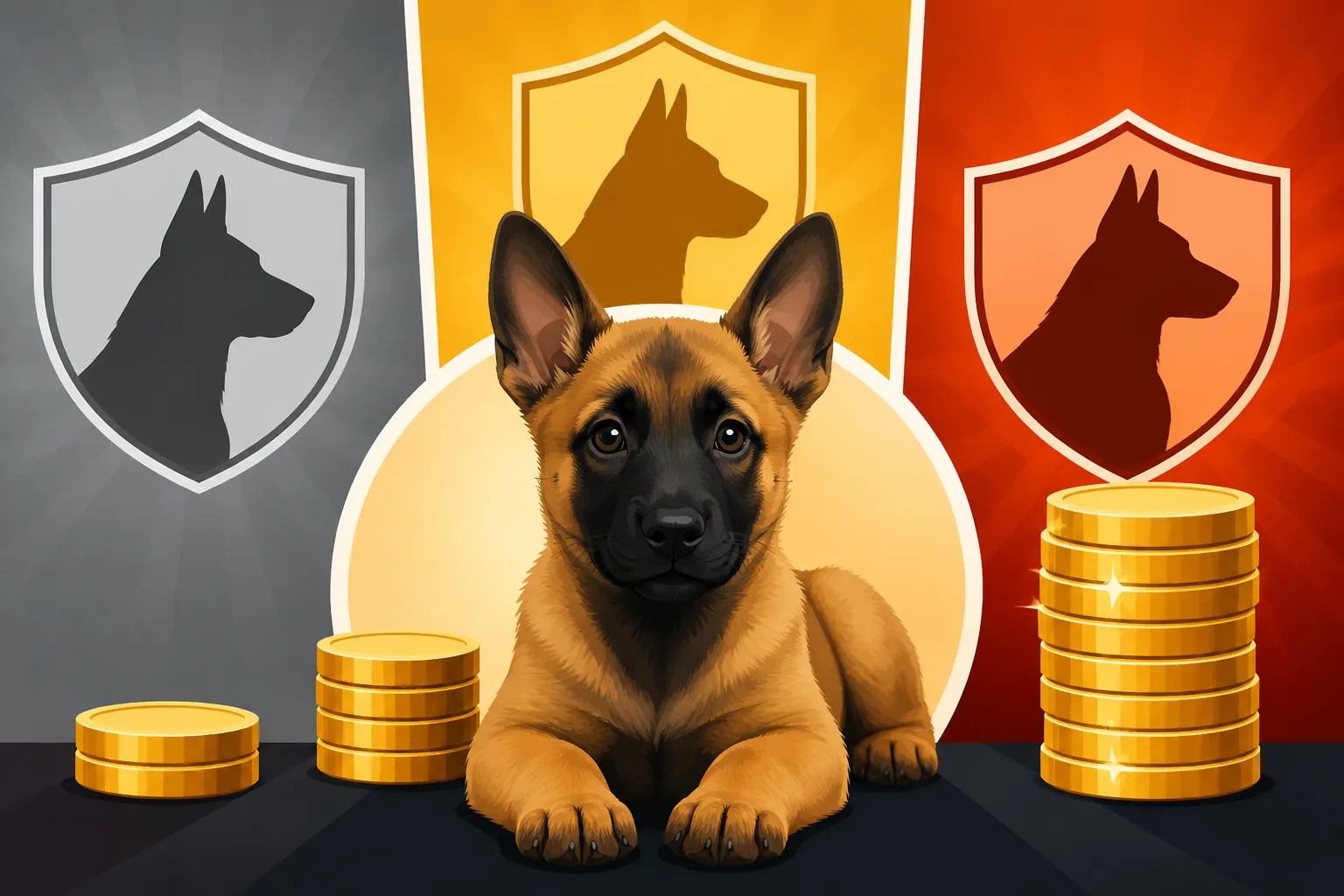
To help put things into perspective, here's a general table outlining the typical price ranges for Belgian Malinois puppies based on their bloodline and purpose. Remember, these are estimates, and specific prices will vary by breeder, location, and the current demand.
| Bloodline/Purpose | Typical Price Range ($USD) | Key Characteristics |
|---|---|---|
| Pet/Companion Quality | $1,800 – $3,000 | Healthy, sound temperament; may not have extreme drive or specific conformation for show/sport. Limited registration. |
| Show Prospect | $2,500 – $4,500 | Strong conformation to breed standard; good temperament; often from titled show parents. Potential for full registration (higher cost). |
| American Working Line | $2,500 – $4,500 | Good drive and trainability for various dog sports (IGP, PSA, agility); from titled working parents. Limited or full registration. |
| European Working Line | $3,500 – $6,000+ | Extreme drive, courage, and athleticism for high-level protection/police work (KNPV, Ring); from highly titled parents. Potential for full registration (premium). |
| Started Puppy | $5,000 – $10,000+ | Puppy with significant foundational training (obedience, crate, leash manners); price depends on age and training level. |
| Rescue/Rehomed Adult | $300 – $1,000 | Adoption fee typically covers vetting; temperament assessed; history may be unknown. Requires experienced handler. |
Keep in mind that these are just initial purchase costs. The ongoing financial commitment for food, vet care, training, and equipment will be substantial throughout the entire life of your Belgian Malinois.
Disclaimer
The information provided in this article is for general informational purposes only and does not constitute professional advice. While we strive to provide accurate and up-to-date content, circumstances can vary. Always consult with a qualified veterinarian, professional dog trainer, or reputable breeder for advice tailored to your specific situation and for any health or behavioral concerns regarding your Belgian Malinois.