A Malinois Puppy That Bites Everything Including You
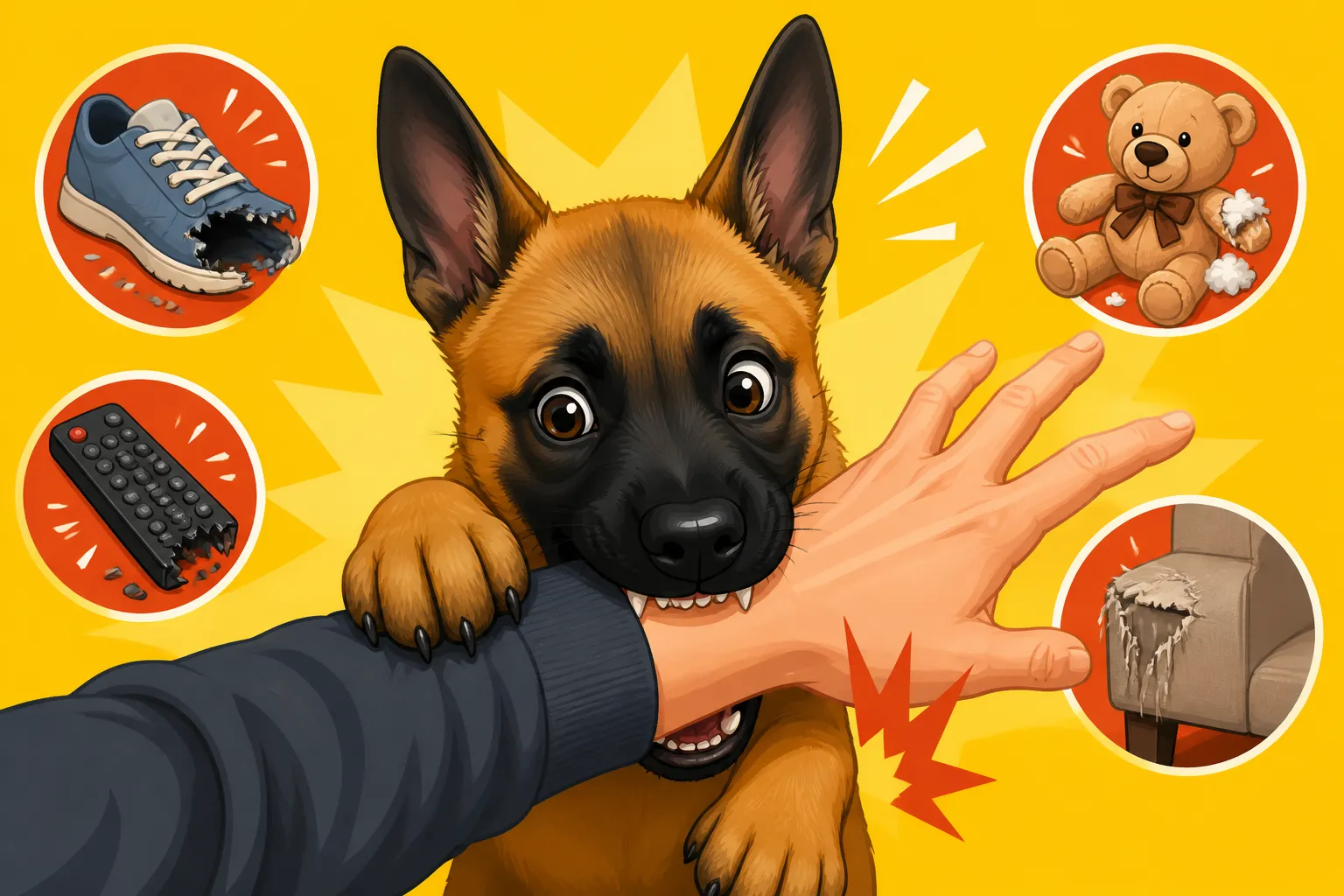
Anyone who has welcomed a Belgian Malinois puppy into their home knows that delightful, yet utterly exhausting, stage often called the "shark phase." It's that period where your adorable little fuzzball seems to have more teeth than sense, biting everything that moves – and plenty that doesn't – including your hands, ankles, and favorite furniture. This guide is here to help you understand why your Malinois puppy is so mouthy and, more importantly, equip you with practical strategies to navigate this challenging but temporary stage, helping your puppy learn appropriate bite inhibition and develop into a well-mannered companion.
Understanding the Malinois Puppy "Shark Phase"
It's easy to feel personally attacked when your Malinois puppy constantly nips and bites, but it's crucial to understand that this behavior, while intense, is largely normal for their age and breed. They're not being malicious; they're simply being puppies – and particularly Malinois puppies.
Why Malinois Puppies Bite So Much
Belgian Malinois are a breed steeped in working tradition. Their instincts are incredibly strong, driven by generations of selective breeding for tasks that require intense focus, problem-solving, and yes, using their mouths. A Malinois puppy's biting behavior stems from several deep-seated, instinctual drives. Firstly, they explore their world primarily with their mouths. Everything new is sniffed, licked, and then, inevitably, chewed. This is how they gather information about textures, shapes, and objects. It’s their equivalent of a human baby putting everything in their mouth.
Beyond exploration, their high energy levels and innate prey drive play a huge role. They need an outlet for this boundless energy, and in the absence of appropriate toys or directed activities, your hands and feet become the most convenient (and often most responsive) targets. They're practicing hunting and self-defense skills, even if it's just a game of "catch the moving ankle." This drive is incredibly powerful and needs a constructive channel, otherwise, it manifests in less desirable ways. Compared to many other breeds, a Malinois’s drive to bite and tug is amplified, making this phase more pronounced and requiring a more proactive approach from their owners.
Normal vs. Concerning Biting Behavior
Distinguishing between normal puppy nipping and something that might be a cause for concern is really important for Malinois owners. Every puppy will mouth and nip; it’s part of their development. Normal puppy biting involves playful nips that might be a bit sharp but usually don't break the skin and are often accompanied by loose, wiggly body language. A puppy might "play bite" a bit too hard, but if you yelp, they typically back off or soften their bite. They are learning about pressure and boundaries from their littermates and, ideally, from you. This is how they develop The Shark Phase Every Malinois Puppy Goes Through.
However, there are times when puppy biting can lean into concerning territory. If your puppy’s bites are consistently hard, breaking the skin frequently, or if they seem to be targeting you with a stiff body and an unyielding grip, it’s time to take note. A lack of bite inhibition – where the puppy doesn't learn to gauge the force of their bite – can be problematic. If they don't respond to your yelps or attempts to disengage, or if they growl or become aggressive when you try to redirect them, these are red flags. This might indicate an underlying issue with fear, over-arousal that quickly escalates, or a lack of proper early socialization. Addressing these behaviors early is paramount, as an uncorrected biting problem in a powerful breed like a Malinois can become serious down the line. It's important to differentiate between playful nips and genuinely aggressive behavior; most Malinois puppies are simply full of intense, unchanneled energy.
Essential Strategies for Managing Puppy Biting
Successfully navigating the "shark phase" requires consistency, patience, and a clear understanding of how to communicate with your Malinois puppy. You're teaching them a new language of appropriate interaction, and it takes time for them to learn.
Redirection: The Golden Rule
Redirection is your absolute best friend when dealing with a mouthy Malinois puppy. The moment those sharp little teeth make contact with your skin or an inappropriate object, immediately, calmly, and firmly redirect them to something they are allowed to chew. Have a variety of appropriate chew toys readily available – keep them in your pockets, strategically placed around the house, and within arm's reach at all times. The key is to interrupt the unwanted behavior and immediately offer an acceptable alternative.
For example, if your puppy nips your hand, a firm "No!" or "Ah-ah!" can be used, followed immediately by presenting a sturdy chew toy. When they take the toy, lavish them with praise. This teaches them, "Hands are not for biting, but this awesome toy is!" Consistency is non-negotiable here. Every single time those teeth land on you, redirect. Every time they choose the toy, reward. Over time, your puppy will start to associate biting with the cessation of attention and redirection to a less exciting object, while appropriate chewing brings positive reinforcement. Online, you can find a vast array of durable chew toys suitable for powerful chewers on platforms like Amazon, from KONGs to Nylabones to ropes, ensuring you always have a suitable decoy ready. Redirecting a Biting Malinois Puppy Onto a Toy is a skill you'll hone daily.
Teaching Bite Inhibition
Beyond simply redirecting, teaching your Malinois puppy how hard they can bite is crucial. This is known as bite inhibition, and it's a skill typically learned from littermates who will yelp and stop playing if a bite is too hard. You can mimic this. If your puppy bites too hard during play, let out an exaggerated "Ouch!" or a sharp yelp. Immediately withdraw your hand (or whatever they were biting) and end the play session for a few seconds.
The idea is that the sudden withdrawal of attention and fun teaches them that hard bites make the good things stop. After a brief pause (5-10 seconds), you can resume play, but if the hard biting persists, repeat the process. If they are really over-aroused and not getting the message, a brief time-out might be necessary. Lead them to a quiet, boring space like their crate or a puppy pen for a minute or two, then release them. This isn't punishment; it's a reset button to help them calm down and learn that play ceases when their mouth is used inappropriately. With a high-drive breed like the Malinois, consistency here is paramount; otherwise, they may learn to ignore your signals. This process, coupled with redirection, gradually refines their bite, teaching them to play more gently.
Setting Up Your Environment for Success
A proactive approach to your home environment can significantly reduce biting incidents and make the "shark phase" much more manageable for both you and your Malinois puppy. It’s about setting them up to succeed by removing temptations and providing appropriate outlets.
Puppy-Proofing Your Home and Yourself
Malinois puppies are incredibly curious and destructive, especially when bored or over-stimulated. Puppy-proofing isn't just about protecting your belongings; it's also about safeguarding your puppy from ingesting something harmful. Go through your home room by room and remove or secure anything a puppy might chew. This means electrical cords need to be tucked away or covered with cord protectors. Precious rugs, shoes, books, and children's toys need to be out of reach. Consider using baby gates to block off rooms where you can't supervise closely, or to create designated "puppy zones" that are entirely safe and chew-proof.
Think about your own attire too. Loose, flowing clothing, shoelaces, and dangling jewelry are irresistible targets for a Malinois puppy’s sharp teeth. Opt for sturdy jeans and closed-toe shoes during intense play sessions. Keep your hands mostly in your pockets or holding appropriate toys to reduce the temptation for them to nip at your fingers. Setting up safe zones within your home, such as a large crate or a puppy pen filled with appropriate toys and water, gives your puppy a place to decompress and prevents them from practicing unwanted chewing behaviors when you can't give them your undivided attention. Remember, What a Malinois Destroys in One Unsupervised Hour can be truly astonishing.
Providing Adequate Chew Outlets
A Malinois puppy's need to chew is immense. They aren't just teething; they are genetically programmed to use their mouths. Providing a wide variety of appropriate chew outlets is not just a suggestion; it’s an absolute necessity. You need durable toys that can stand up to powerful jaws and keep them interested. Think beyond a single type of toy. Offer different textures: rubber KONGs that can be stuffed with treats, rope toys for tugging (under supervision), sturdy plastic chews like Nylabones, and perhaps natural options like bully sticks or appropriate dental chews.
Rotate their toys regularly to keep them novel and exciting. If a toy is always available, it loses its appeal. By rotating, you make old toys feel new again. When selecting chew toys, especially for a Malinois, prioritize durability. Flimsy toys will be shredded in minutes and can become choking hazards. Platforms like Amazon are fantastic for finding heavy-duty, highly-rated chew toys designed for strong chewers, offering a huge selection to keep your puppy engaged. Remember to always supervise your puppy with new toys, especially if they are enthusiastic chewers, to ensure they are safe and durable enough. The more attractive and available appropriate chew items are, the less likely your puppy will be to turn their attention to your furniture or, worse, your hands.
Integrating Training and Socialization
Managing puppy biting isn't just about stopping the unwanted behavior; it's also fundamentally about channeling your Malinois puppy's incredible drive into productive and acceptable activities. Training and socialization are key components of this process.
Structured Play and Training Sessions
For a Belgian Malinois puppy, random romping in the yard simply isn't enough to satisfy their mental and physical needs. Their biting drive, if left unchanneled, will inevitably be directed towards you or your belongings. Structured play and short, frequent training sessions are vital to help them learn control and focus. Engage them in games of fetch with a durable ball or controlled tug-of-war using a designated tug toy. These activities allow them to use their mouths and expend energy in a directed manner. During tug, teach a clear "Out!" or "Drop it!" command, rewarding them when they release the toy. This builds invaluable impulse control.
Short, positive obedience sessions, lasting just 5-10 minutes several times a day, can work wonders. Teach basic commands like "sit," "down," "stay," and "come." The mental exertion of learning and focusing on these commands can be just as tiring, if not more so, than physical exercise. Consistency with these sessions helps your puppy learn to listen and respond even when excited, which is crucial for a breed with such high drive. If you're looking for guidance, online puppy training programs can be incredibly helpful. For instance, BAXTER & Bella offers comprehensive online training resources that walk you through setting up structured play, teaching obedience, and managing common puppy behaviors, providing a structured curriculum you can follow from home. The Mental Work That Finally Tires a Malinois Out is a concept worth embracing early.
Safe Socialization for Bite Inhibition
Socialization is about exposing your Malinois puppy to a variety of new experiences, people, and other dogs in a positive and controlled manner. This is especially important for developing good bite inhibition. When puppies interact with other puppies or calm, adult dogs, they learn how hard they can bite before receiving a clear "stop" signal from their playmates. A yelp from another dog is often far more effective than a human's.
Seek out puppy classes or organized puppy playdates where interactions are supervised by experienced trainers. These environments offer invaluable opportunities for your puppy to learn appropriate social cues and refine their bite. Ensure the other dogs are vaccinated and have good temperaments. Avoid dog parks during this critical developmental stage, as uncontrolled environments can lead to negative experiences that might exacerbate behavioral issues rather than resolve them. Focus on quality, positive interactions over quantity. While it might seem counterintuitive to put a biting puppy with other dogs, controlled exposure is key to teaching them that not all interactions involve nipping. Socializing a Belgian Malinois Puppy Safely means carefully curated experiences, not just throwing them into any situation.
Addressing Persistent or Escalating Biting
While most Malinois puppy biting can be managed with consistent training and redirection, there are instances where the behavior persists, escalates, or shows signs that warrant professional intervention. Recognizing these signs early is crucial for the safety and well-being of both your puppy and your household.
When to Seek Professional Help
If, despite your best efforts at redirection, consistent application of bite inhibition techniques, and providing ample outlets, your Malinois puppy's biting remains intensely hard, breaks the skin regularly, or seems to be accompanied by genuine aggression (snarling, stiff body language, guarding, unprovoked lunging), it's time to seek professional help. Similarly, if your puppy shows no signs of improvement in bite inhibition by the time they are four to five months old, or if they start to growl or become aggressive when you try to interrupt their biting or remove an inappropriate item, these are significant red flags.
A certified professional dog trainer specializing in working breeds or a veterinary behaviorist can assess the situation objectively. They can help identify potential underlying causes, whether it’s extreme over-arousal, fear-based aggression, or a fundamental misunderstanding of communication cues. Early intervention is key. Waiting too long can allow problematic behaviors to become deeply ingrained, making them much harder to modify later, especially with a powerful and driven breed like a Malinois. Whether a Malinois Puppy's Biting Is Aggression is a question best answered by an expert in complex dog behavior.
Tools and Techniques for Advanced Cases
In more persistent or challenging cases, a professional might recommend specific tools and techniques to supplement your existing training. One such tool is a basket muzzle. While the idea of a muzzle can be alarming, muzzle conditioning, when introduced positively, can be an incredibly useful management and training tool, especially for a Malinois. It allows safe handling, vet visits, and controlled socialization without the risk of biting. A muzzle is a management tool, not a punishment, and your puppy should learn to associate it with positive experiences. Learning Muzzle Conditioning Before a Malinois Ever Needs One is a responsible step for any Malinois owner.
Other management tools like tethers can be invaluable. A tether involves briefly attaching your puppy to a stationary object near you. This allows you to supervise them closely and immediately interrupt unwanted behaviors, redirecting them to appropriate toys or offering a brief time-out without having to physically handle a nipping puppy. Crates, when used properly, also serve as excellent management tools, providing a safe and contained space for your puppy to settle when unsupervised or over-aroused. Furthermore, working on building a rock-solid "Out" or "Drop it" command for any item, not just toys, becomes even more critical in these situations. This teaches them to release objects on cue, which is vital for both safety and preventing resource guarding tendencies.
| Chew Toy Type | Best Use Case | Malinois Suitability | Benefits | Drawbacks |
|---|---|---|---|---|
| Rubber KONGs | Stuff with treats, peanut butter, yogurt, frozen | Excellent | Durable, mentally stimulating, long-lasting | Can be expensive, needs refilling |
| Nylabones | Persistent chewing, dental hygiene | Good to Excellent | Very durable, promotes clean teeth | Can be too hard for some puppies, not edible |
| Rope Toys | Tug-of-war (supervised), fetching | Good | Interactive, helps clean teeth (some) | Can be shredded, fibers can be ingested |
| Bully Sticks | Edible, natural chew | Good | High value, fully digestible | Strong odor, can be consumed quickly (expensive) |
| Dental Chews | Oral health, quick chew session | Fair to Good | Designed for teeth, palatable | Less durable, quickly consumed |
| Puzzle Toys | Mental stimulation, slow feeding | Excellent | Brain work, prevents boredom | Requires refills, can be noisy |
Remember, consistency across all these techniques is the golden thread that ties successful Malinois puppy training together. It might feel like an uphill battle at times, but with dedication, your sharky little puppy will learn the ropes. The good news is that typically, the worst of the intense biting begins to ease up around The Month a Malinois Puppy's Biting Eases, usually between 4-6 months, as their adult teeth come in and they gain better impulse control. Continue to reinforce good habits, and you'll soon have a mouthy but well-mannered Malinois.
Disclaimer
This article is for general informational purposes only and does not constitute professional advice. Laws, prices and regulations vary by location and change over time. Consult a qualified professional for guidance on your specific situation.