Whether a Malinois Puppy Should Be Corrected for Biting
Bringing a Belgian Malinois puppy into your home often feels like welcoming a tiny, furry land shark. Many new owners, especially those unfamiliar with the breed's intense drive, quickly find themselves overwhelmed by persistent nipping and biting. The common question that arises is whether these sharp little teeth warrant a harsh correction, or if there's a more effective, humane way to guide this energetic bundle of joy. This guide dives deep into understanding Malinois puppy biting behavior and outlines strategies to teach appropriate mouth manners without damaging your precious bond.
Understanding Malinois Puppy Nipping: It's Not Always Aggression
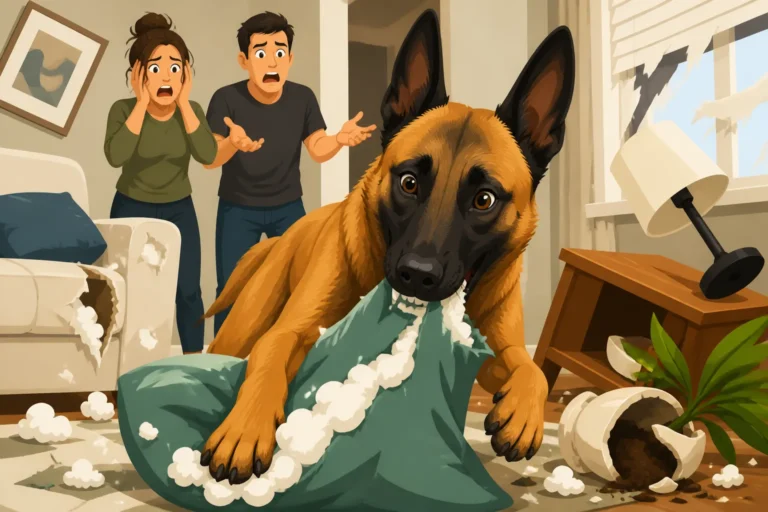
It's easy to feel like your adorable Malinois puppy has a personal vendetta against your hands, ankles, and anything else within reach of those needle-sharp puppy teeth. But for most puppies, especially one as driven as a Malinois, this isn't aggression at all – it's a completely natural, albeit frustrating, stage of development.
The Natural "Shark Phase" of a Malinois Puppy
Think of a Malinois puppy as a tiny explorer whose primary tool for interacting with the world is its mouth. They use it to investigate new objects, to communicate with their littermates, and to learn about their environment. When puppies play with each other, they mouth, nip, and sometimes even bite quite hard. This rough-and-tumble interaction is how they learn "bite inhibition" – understanding how much pressure is too much before it causes pain. If one puppy bites another too hard, the bitten puppy will yelp and stop playing, teaching the biter a valuable lesson.
For us humans, this "shark phase" can be particularly jarring, especially with a breed known for its power and intensity. It's not uncommon to feel frustrated, hurt, or even a little scared when your puppy seems determined to sink its teeth into you. This isn't a sign of a bad puppy; it's just a puppy doing what comes naturally. The goal isn't to stop them from using their mouth entirely, but to teach them how to use it gently and appropriately with humans. Ignoring this developmental stage or misinterpreting it as malicious aggression can lead to counterproductive training methods. To learn more about this specific stage, check out The Shark Phase Every Malinois Puppy Goes Through.
Why Malinois Puppies Bite Harder Than Others
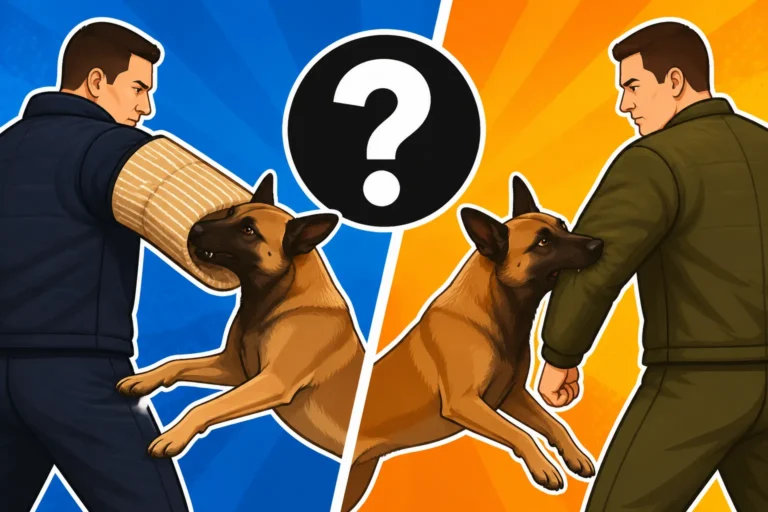
While all puppies go through a biting phase, a Belgian Malinois puppy often seems to take it to an entirely different level. There's a reason for this: their inherent drive, tenacity, and physical prowess. Malinois are bred to be high-performing working dogs, and this means they come hardwired with immense prey drive and a powerful bite reflex, even as youngsters. Their play is often more intense, their focus more absolute, and their physical capabilities far beyond many other breeds of the same age.
When a Malinois puppy latches onto your hand during play, it's not necessarily trying to hurt you; it's often expressing its natural drives. They don't yet understand the fragility of human skin compared to a littermate's fur-covered body or a sturdy bite toy. This intensity can make traditional puppy nipping feel much more severe, leading owners to believe their puppy is exceptionally "bad" or aggressive. In reality, it simply means they need even clearer, more consistent guidance and redirection than some other breeds. Providing appropriate outlets for their innate drives, like specific chew toys or structured play, is crucial from day one.
The Pitfalls of Harsh Correction Methods
When faced with a nipping Malinois puppy, the instinct might be to react with a sharp "No!" or a physical deterrent. After all, isn't that how you "correct" a dog? However, with a Malinois, and indeed with most puppies, harsh correction methods often do more harm than good, creating new problems instead of solving the original one.
When Physical Corrections Backfire
It's tempting to think that a swift tap on the nose or a scruff shake will immediately teach a puppy not to bite. Unfortunately, with a Belgian Malinois, physical corrections can have serious negative consequences. First and foremost, they can severely damage the trust between you and your puppy. A Malinois thrives on a strong bond with its handler, built on respect and clear communication. If your puppy associates your hands with pain or fear, it learns to distrust you rather than learning proper mouth manners.
Furthermore, physical punishment can inadvertently teach a puppy that biting is a way to get attention, even negative attention. A high-drive Malinois often prefers any interaction over no interaction. More dangerously, it can teach a puppy to suppress its warning signals. A puppy that learns it will be punished for nipping might stop giving warning nips and instead go straight to a full, hard bite when it feels overwhelmed or threatened later in life. This isn't a safer dog; it's a more unpredictable one. Instead of teaching the puppy what to do, physical corrections only teach it what not to do in the moment, without offering an appropriate alternative behavior.
The Problem with Yelling and Aversives
Similar to physical corrections, yelling at a Malinois puppy for biting can be counterproductive. While you might think a loud "NO!" communicates displeasure, a high-arousal Malinois might interpret your raised voice as part of the exciting play, inadvertently fueling their drive rather than dampening it. Or, at the other extreme, a sensitive Malinois might become fearful or shut down, which is also not conducive to a confident, well-adjusted working dog.
Aversives, such as bitter apple sprays or shaker cans, also come with their own set of problems. While a bitter spray might deter a puppy from chewing on furniture, applying it to your hands or body can create a negative association with human contact. Your puppy might learn to avoid your hands altogether, or worse, develop a generalized fear of people reaching for them. Loud, sudden noises, like a shaker can, might startle a puppy into stopping momentarily, but they don't teach the puppy what to do instead. Instead, they can simply make the puppy anxious or fearful in that situation, leading to increased stress and potentially more behavioral issues down the line. Consistency is key in training a Malinois, and it's incredibly difficult to apply harsh aversives consistently and fairly without inadvertently creating fear or confusion.
Effective, Humane Strategies for Biting Inhibition
Instead of focusing on harsh corrections, the most effective way to teach a Malinois puppy appropriate mouth manners is through clear communication, redirection, and consistent positive reinforcement. This approach builds trust and teaches your puppy what you want it to do, rather than just punishing it for what you don't.
Teaching Bite Inhibition Through Controlled Play
One of the most crucial lessons for any puppy, especially a Malinois, is bite inhibition – learning to control the pressure of their bite. This isn't about stopping them from biting entirely, but teaching them that human skin is fragile and requires a soft mouth. The best way to teach this mimics how they learn with their littermates.
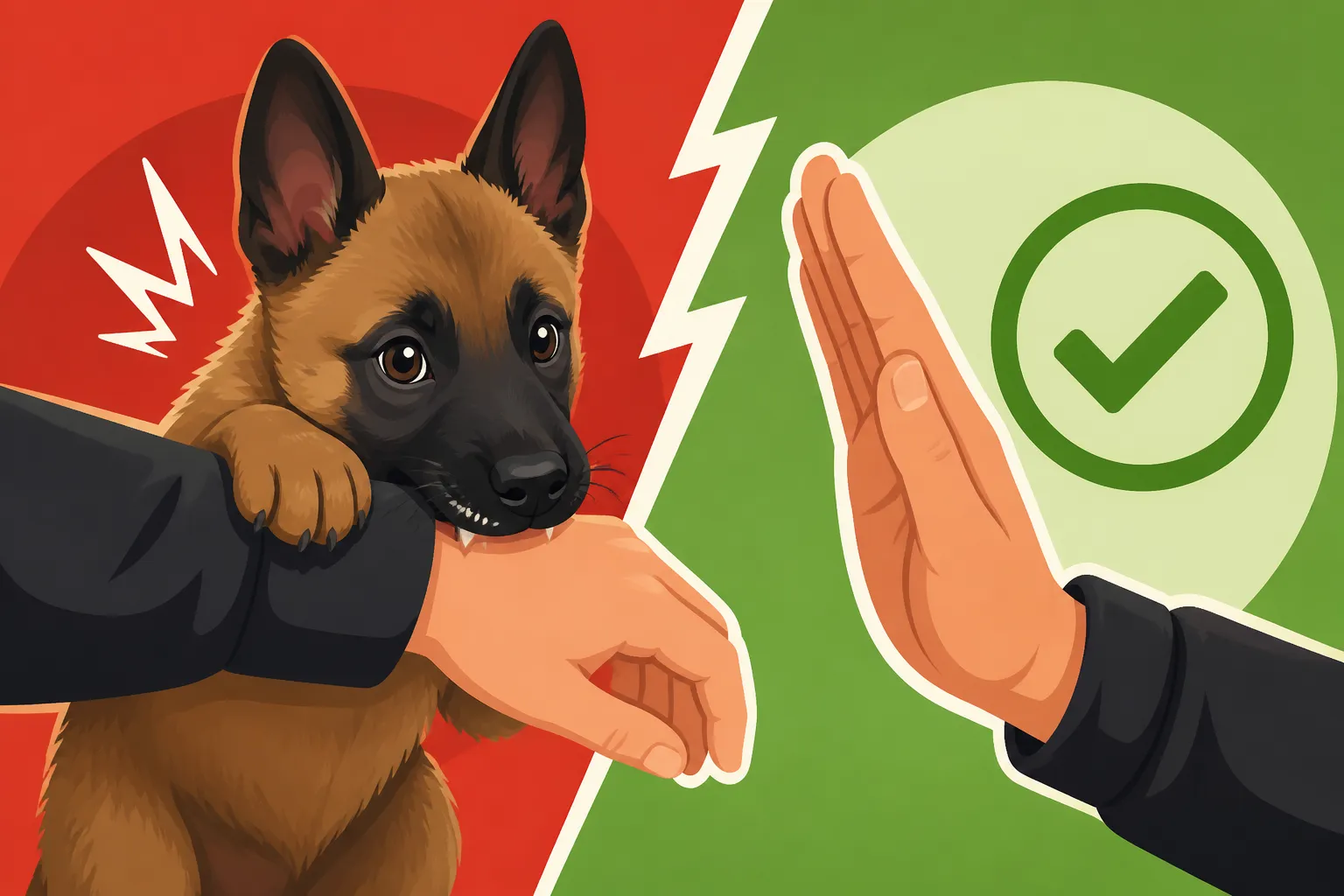
When your Malinois puppy nips you too hard during play, let out a sharp, high-pitched "Yelp!" – similar to what a puppy would do. Immediately withdraw your hand and stop all interaction for a few seconds. This communicates clearly that "that hurt, and play is over." If the puppy tries to re-engage with soft mouthing, you can resume play. If they bite hard again, repeat the yelp and stop. Consistency is absolutely paramount here. Every family member needs to react the same way every time. Over time, your puppy will learn to associate hard bites with the cessation of fun, and they'll start to self-regulate their bite pressure. This method fosters understanding rather than fear, and helps them learn the difference between playful mouthing and an unacceptable bite.
Redirection and Providing Appropriate Outlets
A Malinois puppy has an innate need to chew and bite, driven by their powerful working dog instincts and the discomfort of teething. Trying to stop this natural behavior without offering an alternative is like trying to stop a river from flowing – it's going to find another path, usually one you don't like (like your furniture!). The key is redirection.
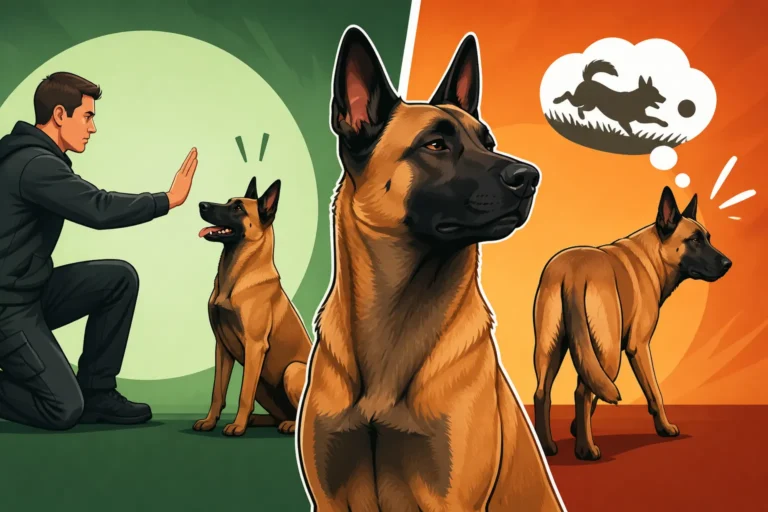
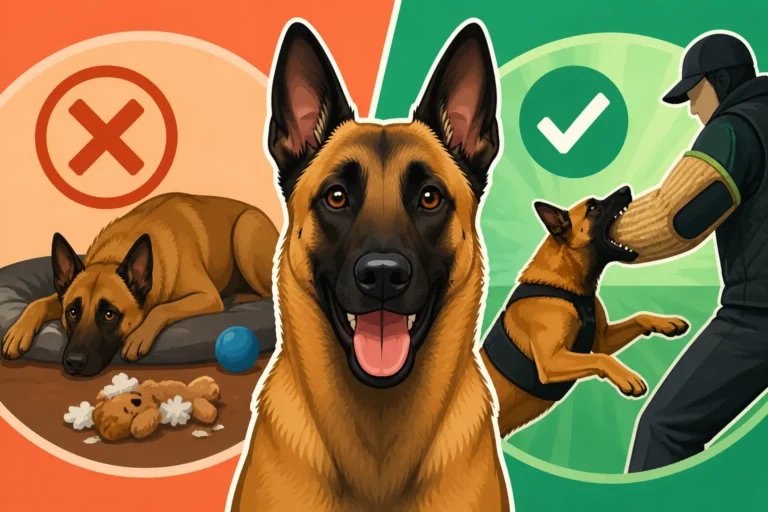
Always have a variety of appropriate, durable chew toys readily available. When your puppy starts to nip at your hands or clothing, calmly and immediately redirect their attention to a toy. You can offer a tempting tug toy, a sturdy chew bone, or a durable rubber toy. The moment their teeth connect with the toy instead of you, praise them lavishly and continue playing with the toy. This teaches them, "Ah, this is what I'm allowed to chew on, and it makes my human happy!" Redirecting a Biting Malinois Puppy Onto a Toy is a skill you'll use constantly. For a Malinois, these toys need to be robust; look for high-quality, long-lasting options available on Amazon. Beyond simple redirection, providing ample mental and physical stimulation through structured play, training, and enrichment activities will naturally reduce the amount of unwanted nipping. A tired and mentally satisfied Malinois is less likely to resort to frustrated biting. This includes channeling that immense Channeling a Belgian Malinois's Prey Drive Into a Tug into appropriate games.
Online training platforms can also be incredibly helpful in this regard, offering structured exercises and guidance on how to manage and redirect that energy. Programs like BAXTER & Bella, for instance, often include modules specifically on puppy biting and offer strategies for teaching appropriate play and chew habits using positive reinforcement. They provide step-by-step instructions that ensure consistency and effectiveness in managing such behaviors.
The Role of Management and "Time Outs"
Sometimes, a Malinois puppy gets overtired, overstimulated, or simply too wound up, making their nipping escalate beyond easy redirection. In these moments, management becomes your best friend. Management isn't training, but it's a critical tool to prevent your puppy from practicing unwanted behaviors.
One effective management technique is the "reverse time-out." Instead of punishing your puppy by putting them away, you calmly remove yourself from the situation. If your puppy is nipping too much, simply get up, say nothing, and walk into another room, closing the door behind you for 30-60 seconds. This immediately removes the source of attention and fun, teaching the puppy that unruly biting makes the fun stop. When you return, if the nipping restarts, repeat the process.
Crate training is another invaluable management tool. A properly introduced crate should be a safe, comfortable den for your puppy. When your Malinois puppy is overstimulated or needs to settle down, a brief period in their crate can help them decompress. This isn't a punishment but a safe space where they can't practice nipping. For tips on how to make the crate a positive experience, see Crate Work With a Malinois Puppy That Screams. You can also use puppy pens or baby gates to create safe, contained spaces where your puppy can't get to you or destructive items during times you can't actively supervise.
Consistency and Patience Are Paramount
Training a Belgian Malinois is a marathon, not a sprint, and dealing with puppy biting is no exception. This breed is intelligent, but also intensely driven, and they need clear, consistent boundaries from everyone in the household. If one person allows nipping while another corrects it, your puppy will become confused and progress will be slow, if not nonexistent. Gather all family members and ensure everyone understands and implements the same strategies for redirection, bite inhibition, and time-outs.
Remember that progress isn't always linear. There will be days when you feel like you've taken two steps forward and one step back. Stay calm, be patient, and trust the process. Most Malinois puppies will significantly improve their bite inhibition by The Month a Malinois Puppy's Biting Eases, typically around 4-6 months, as their adult teeth come in and they gain better control of their jaws. However, some will require ongoing guidance. If you find that despite consistent effort, your puppy's biting is escalating, becoming harder, or seems to carry an edge of genuine aggression rather than play, it's time to seek professional help. A certified professional dog trainer or a veterinary behaviorist can assess the situation and provide tailored guidance.
When Biting Becomes a Concern: Distinguishing Play from Problem Behavior
While puppy nipping is a normal part of development for a Belgian Malinois, it's essential for owners to recognize when the behavior crosses the line from playful mouthing into something more concerning. Understanding the difference can help you intervene appropriately and seek professional help if needed.
Signs Your Malinois Puppy's Biting Isn't Just Puppy Play
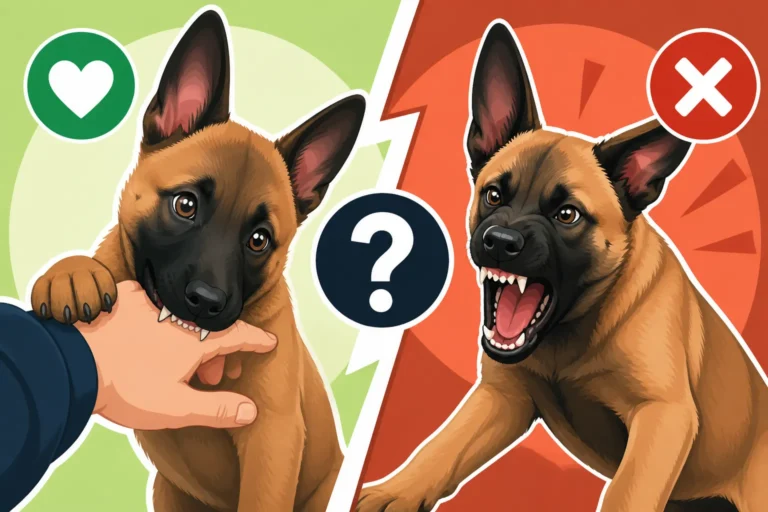
Most playful puppy nipping, even from a Malinois, typically involves a relaxed body, a wiggly tail, and an eagerness to re-engage in play after a "yelp" or time-out. However, there are specific signs that indicate the biting might be moving beyond normal puppy antics and into problem behavior that needs more serious attention:
- Stiff Body Language: Instead of a loose, playful posture, the puppy's body might stiffen, their tail might be held low or tucked, and their ears might be flattened or pulled back.
- Growling or Snarling: While play growls are normal, a hard, deep growl coupled with a stiff body, a direct stare, or a baring of teeth that doesn't quickly resolve back into play can be a red flag.
- Intense Stare or Fixation: The puppy might fixate on a person or object with an unblinking, intense stare, often before lunging or biting, rather than engaging in typical back-and-forth play.
- Reluctance to Disengage: If the puppy bites and then resists letting go, even with redirection or a firm "out" cue, this indicates a level of possessiveness or drive that needs careful management.
- Increased Force or Skin Breaks: If the puppy consistently bites hard enough to break skin, causes bruising, or if the intensity of the bites increases rather than decreases with your bite inhibition training, it's a concern.
- Resource Guarding: If the biting occurs when the puppy is protecting food, toys, a bed, or even a person, this is a clear sign of a more serious issue than simple puppy nipping.
- Lack of Resolution: Normal puppy nipping usually resolves or decreases in intensity as the puppy matures and learns. If your Malinois puppy's biting isn't improving by 6-7 months of age, or is getting worse, professional intervention is highly recommended. Understanding Whether a Malinois Puppy's Biting Is Aggression can be incredibly complex.
Seeking Professional Guidance
If you observe any of the concerning signs listed above, or if you simply feel overwhelmed and unable to manage your Malinois puppy's biting on your own, please do not hesitate to seek professional help. Early intervention is critical with this breed. The longer problematic behaviors are allowed to continue, the harder they are to modify.
Look for a certified professional dog trainer or a veterinary behaviorist who has experience with high-drive working breeds like the Belgian Malinois. A good professional will use positive, humane, and force-free training methods to address the root cause of the behavior. They can help you implement a comprehensive training plan, teach you advanced handling skills, and ensure that your Malinois develops into a well-adjusted, safe companion. Remember, asking for help is a sign of responsible pet ownership, not failure.
Here's a comparison of different approaches to puppy biting:
| Approach | Description | Pros | Cons |
|---|---|---|---|
| Harsh Physical Pun. | Hitting, alpha rolls, scruff shakes. | Perceived immediate stop (often temporary). | Damages trust, creates fear, can lead to suppressed aggression, often makes biting worse later. |
| Yelling/Aversives | Loud "NO!", shaker cans, bitter sprays on hands. | May startle puppy, can deter from specific objects. | Confuses puppy, can be seen as exciting play, creates negative associations, doesn't teach alternatives. |
| Bite Inhibition (Yelp) | Mimicking puppy yelp, immediate play cessation. | Teaches bite pressure control, natural communication, builds trust. | Requires consistency, can be slow, puppy might test boundaries initially. |
| Redirection w/ Toys | Offering appropriate chew toys immediately when puppy nips. | Teaches acceptable chew targets, fulfills natural drive, positive. | Requires constant vigilance and readiness with toys, doesn't directly teach bite pressure. |
| Reverse Time-Out | Owner leaves the room when puppy bites too hard. | Immediately removes reinforcement (attention), clear consequence. | Puppy may chew on other things when alone, requires a safe space for the puppy. |
| Management | Crating, gates, pens to prevent access to inappropriate chew items. | Prevents practice of unwanted behavior, provides safe space. | Not a training method in itself, requires proper crate/pen introduction to be positive. |
Disclaimer
This article is for general informational purposes only and does not constitute professional advice. Laws, prices and regulations vary by location and change over time. Consult a qualified professional for guidance on your specific situation.