Whether a Belgian Malinois Needs Dog Park Time
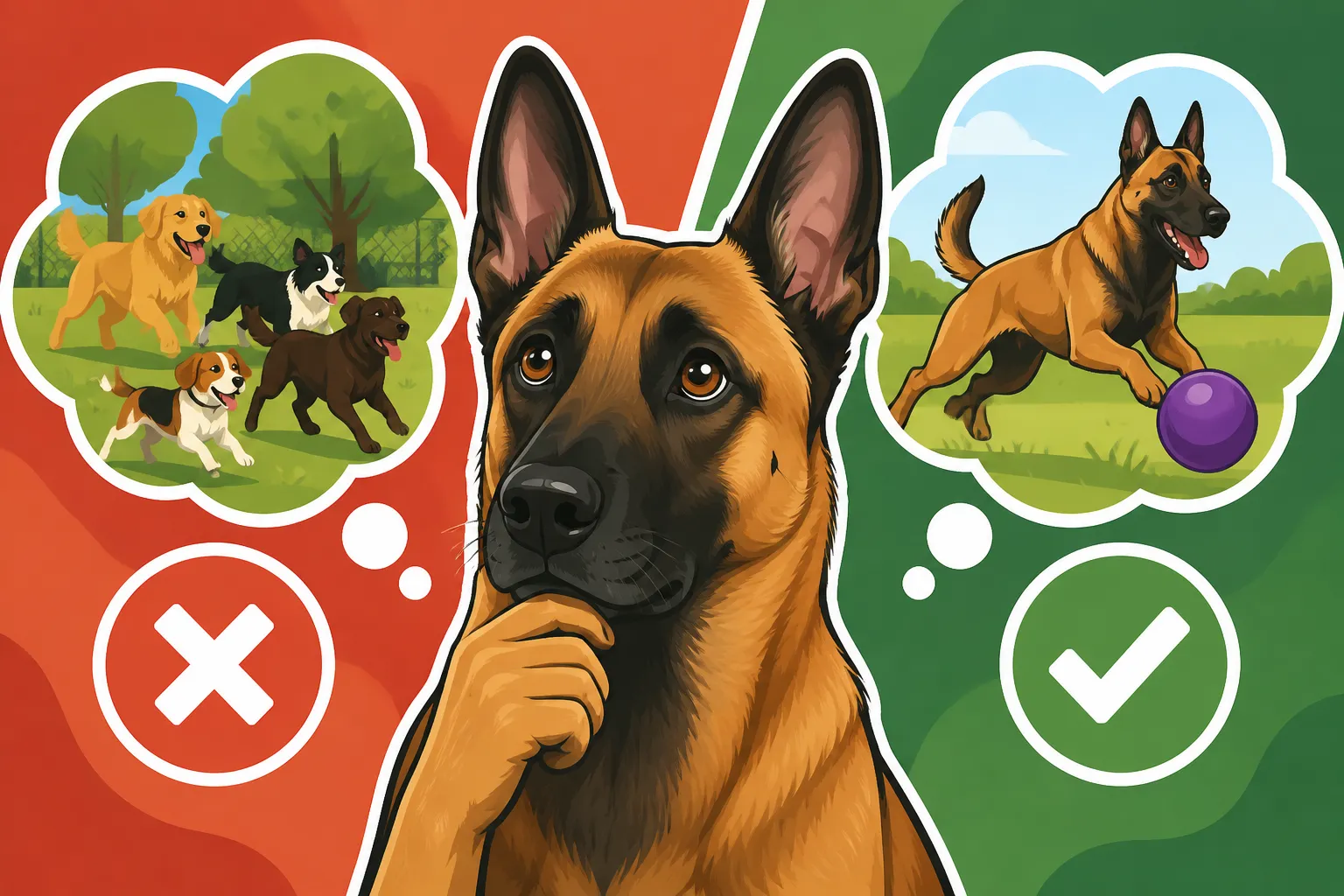
One of the most common questions I hear from new Belgian Malinois owners, or even those considering bringing one of these incredible dogs into their lives, is about dog parks. There’s this persistent idea that every dog needs to run free and interact with as many other dogs as possible, and a dog park seems like the perfect place for that. However, for a Belgian Malinois, that widely accepted notion can actually be a recipe for disaster, not healthy socialization. This guide will dive deep into why dog parks are generally a poor fit for the unique temperament and drives of a Malinois, and what far more effective, safer alternatives exist to help your canine partner thrive socially.
Understanding the Belgian Malinois Temperament
Before we can even talk about where a Malinois should or shouldn't socialize, we need to really understand who a Malinois is at its core. These aren't your average Golden Retrievers or Labradors looking for a free-for-all play session. Malinois are a highly specialized working breed, and their temperament reflects generations of selective breeding for intense focus, drive, and a strong protective instinct.
High Drive and Intense Focus
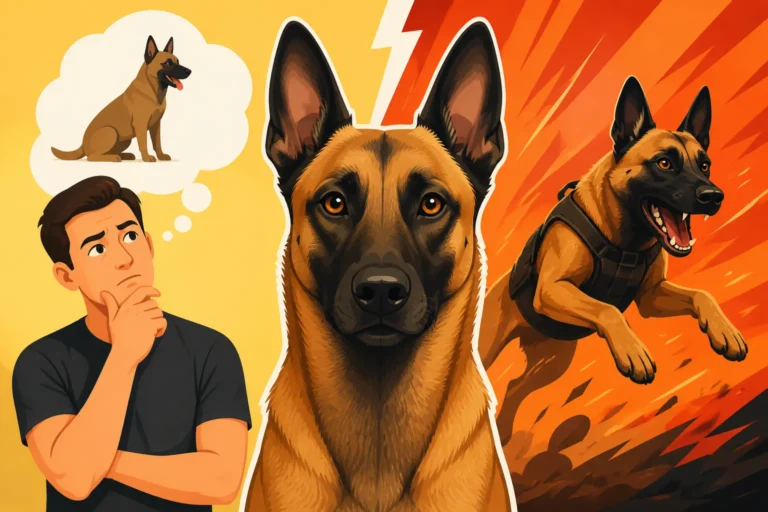
A Belgian Malinois possesses an almost unparalleled level of drive and intensity. When we talk about "drive," we're not just talking about energy; we're talking about a powerful, internal motivation to pursue a task to completion, whether that's chasing a ball, tracking a scent, or engaging a decoy. For many Malinois, their "play" isn't a casual romp; it's a full-throttle, committed engagement that can easily be misinterpreted by other dogs and even other dog owners.
Imagine your Malinois in a dog park. What might look like exuberant play to you – a relentless chase, body slams, focused "mouthiness" – might be perceived as aggressive or overwhelming by a less driven or smaller dog. A Malinois isn't just playing fetch; they're often working fetch with an intensity that can make other dogs uncomfortable or even scared. This isn't because your Malinois is inherently "bad" or aggressive; it's simply how their hardwired drive manifests. They struggle to switch off that intensity, and the chaotic, stimulating environment of a dog park often amplifies it rather than mellowing it out. It's a fundamental mismatch in play style that causes frequent friction.
Prey Drive and Herding Instincts
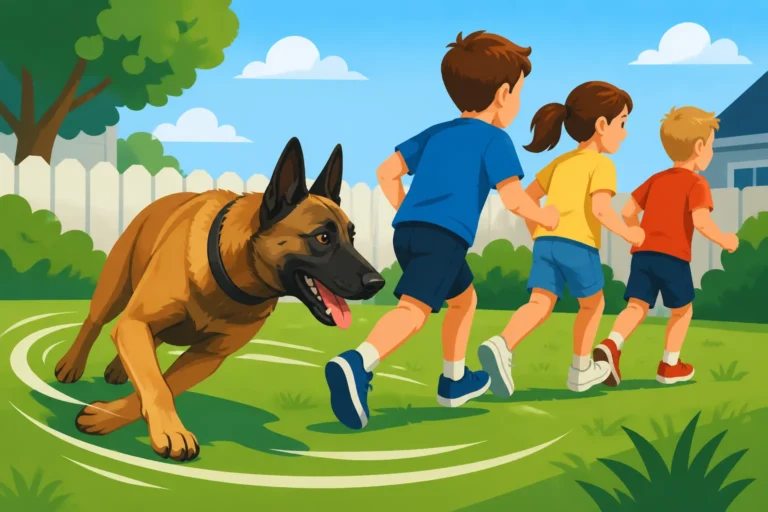
Another crucial aspect of the Malinois temperament is their strong prey drive and underlying herding instincts. These dogs were originally bred to gather and protect livestock, and that innate desire to chase, nip, and control movement is still very much alive. In an uncontrolled environment like a dog park, these instincts can become a serious liability.
Picture this: a small, fast-moving dog darts across the park. For many Malinois, this triggers their prey drive, turning that little dog into a "lure" or "prey item" that needs to be pursued. This isn't malice; it's instinct. Similarly, their herding tendencies can lead to body-slamming, nipping at heels, or trying to gather groups of dogs, which is often perceived as aggressive or bullying by other canines. These behaviors, while natural to the Malinois, are unacceptable in a dog park setting and can quickly escalate into dangerous situations. Owners often find themselves validating that their Malinois is "just playing," but the reality is that these instincts, when unleashed in a free-for-all, can be incredibly intimidating or even harmful to other dogs.
Sensitivity to Environment and Strangers
While often seen as confident and imposing, many Belgian Malinois possess a surprising sensitivity to their environment and can be wary of unfamiliar dogs and people. They bond incredibly deeply with their primary handler and family, often viewing strangers with a degree of suspicion until proven otherwise. This isn't shyness or fear in the traditional sense, but rather a protective instinct and a desire for predictability and control.
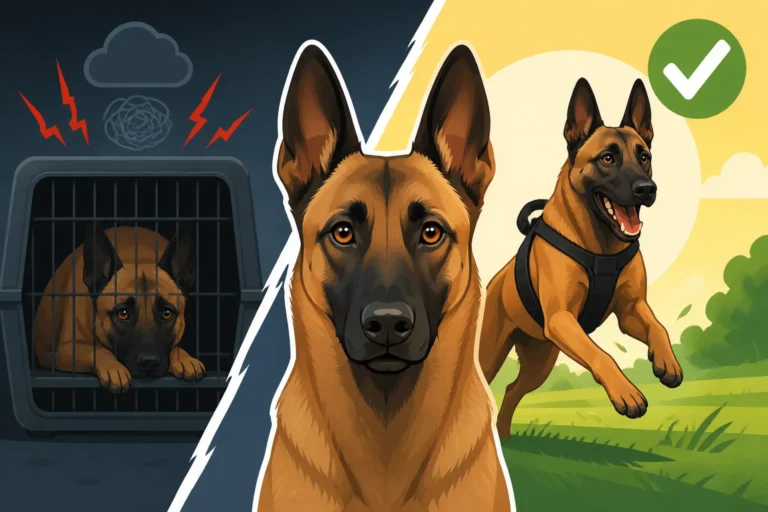
A dog park, by its very nature, is the antithesis of predictability. It's a constantly shifting landscape of unknown dogs, unfamiliar humans, varying energy levels, and unpredictable interactions. For a Malinois, this chaotic environment can be incredibly stressful and overwhelming. Instead of enjoying themselves, they might spend their time hyper-vigilantly scanning, guarding their handler, or reacting defensively to perceived threats or rude approaches from other dogs. This constant state of heightened arousal isn't healthy for their mental well-being and can actually contribute to reactivity rather than reducing it.
Why Dog Parks Are a Mismatch for Most Malinois
Considering the intrinsic nature of a Belgian Malinois, it becomes clear why dog parks are rarely a good fit. It’s not about judging the breed or suggesting they can’t be around other dogs; it’s about understanding the specific environment and its inherent risks for a dog with such a distinct behavioral profile.
Unpredictable Dog Personalities and Play Styles
The biggest problem with dog parks is the sheer unpredictability of who and what you will encounter. You'll find everything from tiny terriers to giant mastiffs, from shy wallflowers to overly boisterous bullies, all with varying levels of training and owner supervision. A Malinois's natural play style, characterized by intense chasing, hard body contact, and focused retrieve work, is simply too much for most other breeds.
Think about it: a Golden Retriever might enjoy a rough-and-tumble session, but their play breaks are frequent and their overall intensity is typically lower than a Malinois. A smaller dog could easily be injured by an accidental body check or an overzealous play bite from a Malinois. Even well-meaning dogs can have play styles that clash spectacularly, leading to misunderstandings and escalating tension. One moment your Malinois might be chasing a ball, the next they could be cornered by a rude dog or unintentionally causing distress to a timid one. The risk of these mismatches leading to a negative encounter is simply too high, and it's a burden that a responsible Malinois owner often cannot mitigate in such an uncontrolled setting.
Risk of Negative Encounters and Training Regression
Every Malinois owner knows the immense time, effort, and often financial investment that goes into their dog's training. From early puppy stages, building a solid foundation in obedience is paramount, often involving advanced concepts like Building an Off Switch Into a Belgian Malinois or developing bombproof recall. Introducing a Malinois to the uncontrolled chaos of a dog park puts all of that hard work at risk.
One single negative experience – a fight, a bad scare, or even just being repeatedly bullied by another dog – can undo months of careful socialization and training. Malinois are incredibly smart and form strong associations, both positive and negative. If a dog park becomes associated with stress, fear, or conflict, your dog might develop reactivity or aggression towards other dogs in general, even outside the park. This isn't just a temporary setback; it can fundamentally change your dog's perception of other canines and public spaces, making future training and daily walks significantly more challenging. Why risk it when there are so many better ways to provide social outlets?
Lack of Structure and Handler Control
A Belgian Malinois thrives on structure, clear communication, and consistent leadership from their handler. They are at their best when they have a job to do and understand the rules. Dog parks, by design, are devoid of this structure. They are often characterized by distracted owners, undefined rules of engagement, and a free-for-all atmosphere where chaos reigns.
This lack of control is antithetical to what a Malinois needs. In a structured training environment, like a Schutzhund or IGP club, there are specific protocols for dog interactions, experienced decoys, and handlers who are actively engaged and knowledgeable about canine behavior. Here, even dogs with high drives learn to exist and work in proximity. In contrast, a dog park often sees owners chatting on their phones, not paying attention to their dog's subtle body language, or failing to intervene when play becomes too rough. This leaves your Malinois vulnerable to bad interactions and puts you in a reactive, rather than proactive, position. The foundation of Building Engagement With a Belgian Malinois is a strong partnership and clear expectations, something nearly impossible to maintain effectively in a public dog park.
Safer and More Effective Socialization for Your Malinois
So, if dog parks are largely off the table, how do you provide appropriate socialization for such a demanding and complex breed? The answer lies in controlled, intentional, and high-quality interactions that prioritize safety, positive experiences, and reinforce your bond and leadership.
Controlled Introductions to Known Dogs
Forget the "meet every dog" mentality. For a Malinois, quality trumps quantity every single time. The best way to provide canine companionship is through carefully managed playdates or walks with dogs you know, whose temperaments are stable, and whose owners are responsible. Look for dogs that are calm, confident, and understand the nuances of working-breed play – perhaps another Malinois, a well-socialized German Shepherd, or a balanced Labrador.
These introductions should always be supervised and ideally in a neutral, enclosed space, or on a structured walk. Observe body language closely and be prepared to intervene immediately if play escalates too much. The goal isn't to create a free-for-all, but to allow for natural, positive interaction that builds confidence rather than stress. You can even equip yourself with quality gear from places like Amazon, where you can find durable long lines and appropriate muzzles for safe introductions if needed, allowing you to manage distance and prevent any accidental nips while your Malinois learns.
Structured Training and Group Classes
This is where a Malinois truly shines and learns the most valuable social skills. Enrolling in obedience classes, advanced dog sports like IGP, Mondioring, or even specialized agility or nose work clubs provides immense benefits. These environments offer controlled exposure to other dogs and people, but always under the guidance of experienced instructors.
In these classes, your Malinois learns to focus on you despite distractions, to work calmly alongside other dogs, and to have polite interactions during breaks or specific exercises. It's not about playing with every dog, but about building neutrality and appropriate responses in a social setting. For example, Starting Scent Detection With a Belgian Malinois allows your dog to use their incredible drive and focus in a productive way, often in close proximity to other working dogs without direct interaction, teaching them to exist peacefully in a group. Similarly, if you're considering Whether IGP Suits a Belgian Malinois, you'll find these clubs are highly structured and excel at teaching dogs to be both intense in work and calm when not.
Parallel Walking and Neutrality Building
One of the most valuable forms of "socialization" for a Malinois isn't about direct interaction at all, but about building neutrality. This involves taking your Malinois on walks in public areas where they will encounter other dogs and people, but your explicit goal is for them to ignore them. This teaches your dog that the presence of others isn't an invitation to interact, nor is it a threat.
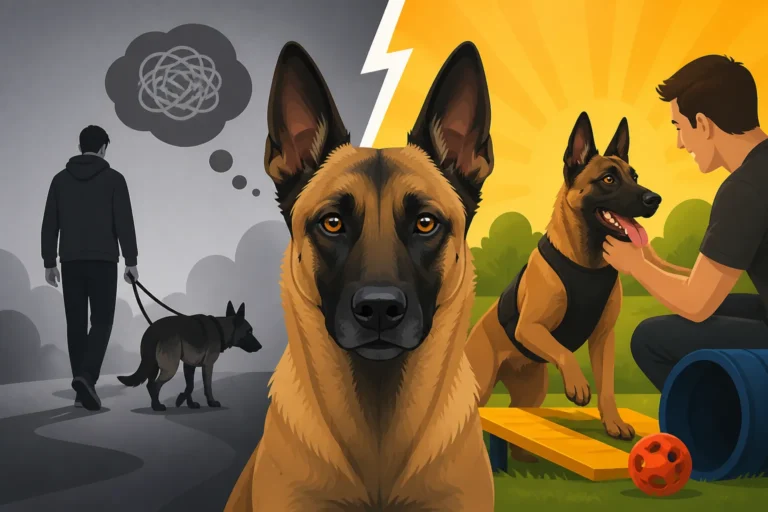
Start at a distance where your Malinois can comfortably observe other dogs without reacting. Reward calm behavior, loose leash walking, and checking in with you. Gradually decrease the distance as your dog shows more composure. This builds confidence, reinforces your leadership, and teaches your Malinois to be a polite member of society without demanding interaction. It's a foundational skill that is essential for any working dog and prevents the reactivity that often stems from an over-desire or an over-fear of meeting other dogs.
Online Resources and Training Programs
In today's world, you don't always have to be in person to get expert guidance on socialization. Many fantastic online resources and training programs exist that can help you build the right foundation for your Malinois from the comfort of your home, or prepare them for structured real-world experiences. For instance, programs like BAXTER & Bella offer comprehensive online puppy and dog training courses that emphasize positive reinforcement, impulse control, and proper socialization techniques. They provide structured lessons that guide you through introducing your dog to new experiences, sounds, and controlled environments in a way that builds confidence and prevents negative associations.
These platforms often break down complex concepts like neutrality, desensitization, and appropriate play into manageable steps, which is invaluable for a high-drive breed like the Malinois. They help you understand how to be an effective leader and advocate for your dog, ensuring that every social encounter is a positive learning opportunity rather than a potential disaster. This kind of structured, expert-led training can be a cornerstone for developing a well-adjusted Malinois, even if you don't have access to top-tier in-person clubs right away.
Recognizing When Your Malinois Needs Socialization (and What Kind)
It’s crucial to understand that "socialization" isn't a one-time event or a free-for-all at the dog park. It's an ongoing process of exposing your Malinois to various sights, sounds, people, and select dogs in a controlled, positive manner throughout their life. The type of socialization needed often depends on what your dog is struggling with.
Signs of Insufficient Socialization
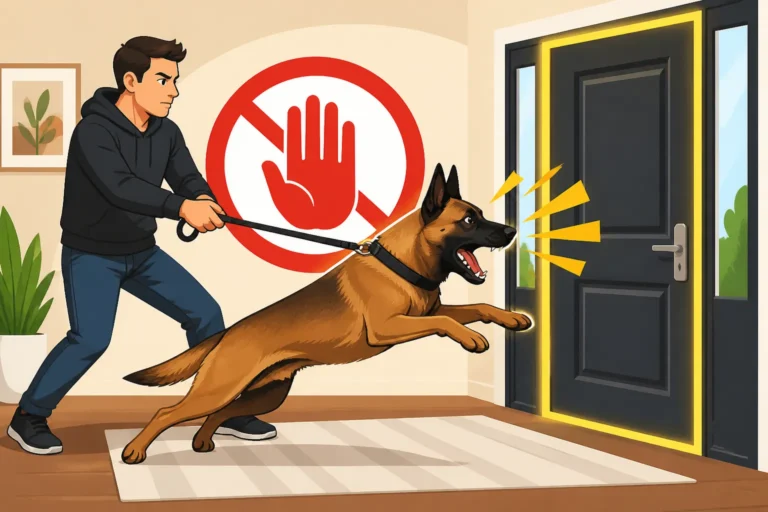
How do you know if your Malinois needs more, or different, socialization? The signs are usually quite clear, and they often manifest as either reactivity or withdrawal. Reactivity can include excessive barking, lunging on the leash, growling, or intense fixation on other dogs or people. They might become over-aroused and struggle to calm down, even after the trigger has passed. Conversely, a Malinois with insufficient or poor-quality socialization might show extreme shyness, fear, or avoidance behaviors – trying to hide, tucking their tail, or trembling when confronted with novel situations or strangers.
It's important to differentiate between true social anxiety and a Malinois simply being wary, which is part of their protective nature. However, if your dog is consistently uncomfortable, overly aggressive, or overly fearful in a variety of public settings or around well-behaved, neutral dogs, it's a strong indicator that their socialization needs a serious overhaul. Often, the solution isn't more exposure, but better quality, more controlled exposure.
Prioritizing Desensitization and Counter-Conditioning
If your Malinois is already exhibiting signs of reactivity or fear, simply throwing them into another social situation, like a dog park, will only make things worse. Instead, the focus should shift to desensitization and counter-conditioning. Desensitization means gradually exposing your dog to the trigger (e.g., another dog) at a distance or intensity level where they remain calm. Counter-conditioning means changing your dog's emotional response to that trigger from negative (fear, anxiety, aggression) to positive (excitement for a treat, calm observation).
This often requires the guidance of a professional trainer or behaviorist who specializes in working-breed dogs. They can help you set up structured exercises, using positive reinforcement, to slowly build your Malinois's confidence and teach them appropriate coping mechanisms. For example, if your Malinois barks at every passing dog on a walk, a trainer might help you identify their threshold distance, and then work on rewarding calm attention on you as dogs pass far away, slowly closing the gap over weeks or months. This patient, systematic approach is far more effective and less traumatic than hoping they "figure it out" in a chaotic dog park.
The Role of the Handler in Socialization
Ultimately, you are the most crucial factor in your Belgian Malinois's socialization journey. Your calm demeanor, consistent leadership, and ability to advocate for your dog are paramount. A Malinois looks to its handler for direction and reassurance. If you are anxious or unsure in social settings, your dog will pick up on that and reflect your stress.
Being a good handler means setting your Malinois up for success, not failure. It means making wise choices about where and with whom they interact. It means saying "no" to random dog park visits or rude dogs. It means providing The Structure a Belgian Malinois Needs Every Day, which includes clear expectations for behavior in all environments. You are your Malinois's protector and guide, and it’s your responsibility to ensure their social experiences are positive, controlled, and contribute to their overall well-being, rather than undermining it. Trust your gut; if a situation feels off, remove your dog from it. Their long-term emotional health depends on your thoughtful choices.
| Feature | Dog Parks (General) | Structured Socialization (Recommended for Malinois) |
|---|---|---|
| Environment | Unpredictable, chaotic, diverse dogs & handlers | Controlled, predictable, often specific dogs & knowledgeable handlers |
| Handler Control | Often minimal, distracted owners | High, direct involvement, clear communication |
| Risk of Injury | High due to mismatched play, lack of supervision | Low due to careful selection, constant supervision |
| Training Impact | High risk of regression, negative associations | Reinforces training, builds neutrality & focus |
| Focus | Free play, random interaction | Neutrality, polite existence, specific skill building |
| Mental Stimulation | Often over-stimulating, stressful | Targeted, confidence-building, appropriate challenge |
| Appropriate for Malinois? | Generally not recommended | Highly recommended for healthy development |
Disclaimer
This article is for general informational purposes only and does not constitute professional advice. Laws, prices and regulations vary by location and change over time. Consult a qualified professional for guidance on your specific situation.