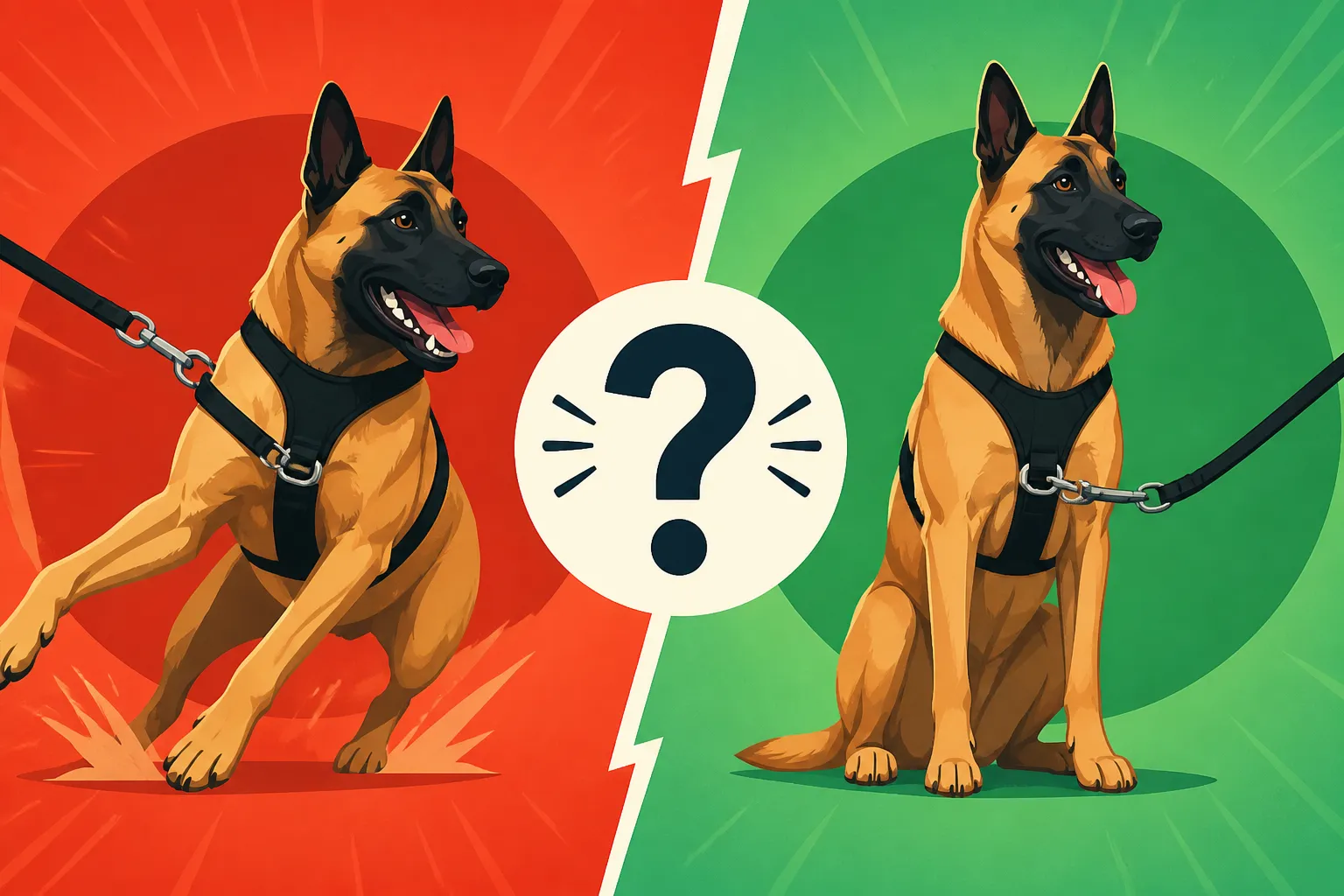
Whether a Front Clip Harness Holds a Belgian Malinois
Anyone who has walked a Belgian Malinois knows the feeling: that sudden lurch, the strained arm, the sheer power as your dog attempts to redecorate the landscape with your body. It's frustrating when your otherwise brilliant canine decides that pulling like a freight train is the only way to experience the world. This guide delves deep into whether a front-clip harness truly stands a chance against the formidable pulling power of a Belgian Malinois, and what other strategies you might need in your arsenal.
Understanding the Belgian Malinois Pulling Power
The Belgian Malinois is a force of nature, a dog bred for work, drive, and incredible athleticism. It's no wonder that trying to contain that energy on a leash can feel like holding back a charging rhino. Many owners, especially those new to the breed, quickly realize that a standard flat collar or even a back-clip harness is often no match for a Malinois on a mission.
The Sheer Strength and Drive Behind the Pull
These dogs possess a physical prowess that belies their often lean build. A fully grown Malinois, even one on the smaller side, can generate immense pulling force when driven by prey instinct or simply an overwhelming desire to get somewhere now. They are built for endurance and power, with strong necks and shoulders designed to exert force. This isn't just about strength; it's about an intense focus and drive that overrides discomfort if the reward (that squirrel, that scent, that decoy) is compelling enough. You might find your Malinois bracing their entire body, digging in their nails, and practically dragging you down the street, especially if they haven't had their daily quota of mental and physical stimulation. For a deeper understanding of their energy demands, check out Two Hours and a Job a Belgian Malinois Demands Daily.
Beyond the raw power, it's their mental tenacity that often makes pulling such a hard habit to break. A Malinois isn't just strong; they're also incredibly smart and persistent. If pulling has ever gotten them what they wanted – even once – they’ve learned a valuable lesson. That reward could be as simple as reaching a sniff spot faster or seeing a person they want to greet. They quickly learn that if they just pull hard enough, you will eventually relent, or at least be unable to stop them from reaching their objective. This isn't defiance, it's simply efficient behavior from their perspective.
Why Traditional Collars Often Fail
Traditional flat buckle collars are perfectly adequate for many well-mannered dogs, but for a high-drive Malinois with a pulling habit, they offer very little leverage or control. When a Malinois pulls on a flat collar, the pressure is primarily on their trachea and throat. Not only is this uncomfortable and potentially damaging to their neck, but for a dog as driven as a Malinois, it often acts as a counter-signal: they pull into the pressure, rather than backing off. It becomes a game of tug-of-war, with you almost always losing the battle.
Even a back-clip harness, while often more comfortable for the dog by distributing pressure across their chest and shoulders, still gives them the full advantage of their pulling power. With the leash attachment point on their back, they can lean into the harness and essentially become a sled dog. This type of harness might prevent choking and offer better security than a flat collar, but it does little to deter the actual act of pulling. In fact, some Malinois seem to enjoy the feeling of "working" into a back-clip harness, making walks even more strenuous for the handler. The fundamental problem is that the physics are working against you; the dog's center of gravity and power remain ahead of the leash attachment.
How Front-Clip Harnesses Work and Their Limitations
Front-clip harnesses have become a popular tool for mitigating pulling, and for good reason. They introduce a different mechanical principle that, in theory, makes it harder for a dog to pull effectively. However, the unique characteristics of a Belgian Malinois mean that these harnesses come with their own set of considerations and limitations.
The Mechanics of Redirecting Pull
The design of a front-clip harness is simple yet ingenious: the leash attachment ring is located on the dog's chest, rather than their back. When your Malinois starts to pull forward, the leash connection point redirects their momentum. Instead of allowing them to lean into their power and pull straight ahead, the pressure from the leash gently, but firmly, turns their body to the side. Essentially, it causes them to pivot back towards you, disrupting their forward momentum. This makes it difficult for them to get the full purchase they need to drag you down the street. It's a subtle but effective way to shift the dynamics of the walk.
This redirection can be a game-changer for many dogs, teaching them that pulling doesn't get them to their destination faster. For a Malinois, this can momentarily break their intense focus and remind them to pay attention to their handler. It's not about pain or discomfort; it's about an awkward change in direction that makes pulling inefficient. Many handlers find that it reduces the sheer physical effort required to walk their strong Malinois, making the experience more pleasant for both parties.
When a Front-Clip Harness Shines
A front-clip harness can be an excellent management tool for a Belgian Malinois in several specific situations. Firstly, for a young Malinois or one just starting to develop strong pulling habits, it can prevent those habits from becoming deeply ingrained. The immediate feedback of redirection can help them understand that pulling is unproductive. Secondly, for Malinois who are generally well-behaved but get overly excited by specific triggers – a passing jogger, another dog, or a compelling scent – the front-clip harness can provide that extra bit of control to manage these moments without resorting to harsh corrections. It allows you to maintain better steerage.
Thirdly, for owners who are committed to positive reinforcement training and want a tool that aligns with that philosophy, a front-clip harness offers a humane way to manage pulling without causing pain or fear. It gives you an advantage while you work on building actual leash manners through training games and rewards. It's particularly useful in busy environments where you need more immediate control to navigate safely. Many owners find that it enables them to actually enjoy a walk with their Malinois, rather than dreading it, because the physical strain on their arm is significantly reduced. This allows them to focus more on reinforcing good behavior.
The Real-World Challenges with a High-Drive Malinois
While front-clip harnesses are great, they are not a magic bullet, especially with a Belgian Malinois. These dogs are powerful, persistent, and incredibly clever. One common issue is that a determined Malinois might still try to pull, simply twisting their body to compensate for the redirection. They might learn to pull sideways or at an angle, still applying significant force. For the really intense pullers, the harness might simply reduce the degree of pulling rather than eliminating it entirely. You might go from being dragged to being strongly pulled, which is an improvement, but still not a loose-leash walk.
Another significant challenge is the potential for chafing, especially with a Malinois’s short, coarse coat and high energy levels. If the harness isn't perfectly fitted or has rough seams, the constant friction on their armpits and chest can lead to rubs and sores. This is particularly true if they are still pulling against the harness. You need to ensure a snug, but not restrictive, fit and check for any signs of irritation after walks. Finally, some Malinois are notorious chewers, and if they can reach the straps of the harness with their mouth, they might make quick work of it, rendering it useless. The strength of their bite is something to always consider with equipment choices.
Beyond the Harness: Training and Management Strategies
While a front-clip harness can be a valuable aid, it's crucial to remember that it's just a tool. It manages the symptom (pulling) but doesn't address the root cause, which is often a lack of proper leash manners training or insufficient mental and physical exercise. For a Belgian Malinois, truly successful loose-leash walking requires a holistic approach that combines effective equipment with consistent, dedicated training.
Integrating Training with Equipment
Think of your front-clip harness as a teaching assistant, not the main teacher. It helps you manage the situation while you actively train your Malinois on how to walk nicely on a leash. This means using positive reinforcement to reward your dog whenever the leash is slack. Mark the moment the leash loosens with a verbal cue ("yes!" or a clicker) and immediately reward with a high-value treat. This teaches your Malinois that walking beside you with a loose leash earns them good things. Building Engagement With a Belgian Malinois is a vital step here, as a dog engaged with you is less likely to be pulling away.
Consistency is absolutely key. Every single walk, every time you step out the door, is a training opportunity. If you sometimes let them pull and other times try to correct it, your Malinois will become confused and default to what has worked in the past. If your Malinois pulls, stop walking immediately. Wait for the leash to slacken, even for a moment, then praise and resume walking. If they pull again, stop again. This teaches them that pulling makes the walk stop, while a loose leash makes it continue. This can be slow and feel frustrating at first, but with a Malinois, persistence pays off.
Building a Solid Foundation of Leash Manners
To truly achieve a calm, enjoyable walk with your Belgian Malinois, you need to invest in building solid leash manners from the ground up. Start training in a low-distraction environment, like your backyard, before moving to more stimulating places. Teach a "heel" or "with me" command, rewarding your dog heavily for staying by your side. Use short, frequent training sessions to keep their attention. Teaching a Malinois to Walk Without Dragging You goes into more detail on specific techniques.
Beyond formal obedience, ensure your Malinois is getting adequate mental and physical exercise before you even attempt a structured walk. A bored or under-exercised Malinois is far more likely to pull out of sheer pent-up energy. Incorporate activities like fetch, flirt pole play, scent work, or obedience drills in a secure area before hitting the pavement. A mentally tired Malinois is a much calmer walking companion. Remember, a walk is not just for physical exercise for these dogs; it's a prime opportunity for sniffing, exploration, and mental engagement, which can be done on a loose leash. Sometimes, what seems like pure physical energy is actually an understimulated brain.
Considering Other Tools and Approaches
While a front-clip harness is a good starting point, some Malinois may require a combination of tools or more advanced training techniques. Head halters (like a Halti or Gentle Leader) offer even more direct control by steering the dog's head, which dictates where their body goes. This can be very effective for strong pullers, but it requires careful introduction and conditioning to ensure your Malinois accepts it comfortably. The pressure is on the muzzle, which they may initially resist.
Another option, often used in conjunction with a harness for safety and compliance, might be a properly fitted prong collar or an e-collar, but these should only be used under the guidance of a knowledgeable and experienced professional trainer who understands their correct application for a high-drive working breed like the Malinois. Improper use can cause fear, anxiety, or damage your relationship with your dog. The goal with any tool is always to improve communication and teach desired behaviors, not simply to suppress unwanted ones through force. For more on advanced tools, consider reading Whether a Prong Has Any Place on a Malinois or E-Collar Timing on a Belgian Malinois.
Choosing the Right Front-Clip Harness for a Malinois
Selecting the right front-clip harness for your Belgian Malinois isn't just about finding one that fits. It's about durability, comfort, and a design that can stand up to the unique demands of this powerful and active breed. A cheap, flimsy harness won't last long against a determined Malinois.
Key Features to Look For
When shopping for a front-clip harness, especially for a Malinois, prioritize quality and thoughtful design. Look for harnesses made from strong, durable materials like heavy-duty nylon webbing. The buckles and D-rings should be metal or high-quality, reinforced plastic, capable of withstanding significant tension without bending or breaking. Stitching should be robust and even, with no loose threads. Padding around the chest and under the armpits is a huge plus, as it can prevent the chafing issues we discussed earlier, especially for dogs that are still learning not to pull.
Another important feature is adjustability. A good harness will have multiple adjustment points (typically around the neck, chest, and girth) to ensure a snug, customized fit. Malinois have a very athletic build, and a generic harness might not conform well to their deep chest and lean waist. Reflective stitching or material is also a wise addition, especially if you walk your Malinois in low light conditions, enhancing visibility and safety for both of you. You can often find a wide variety of these features when browsing on platforms like Amazon.
Sizing and Fit for the Athletic Malinois Build
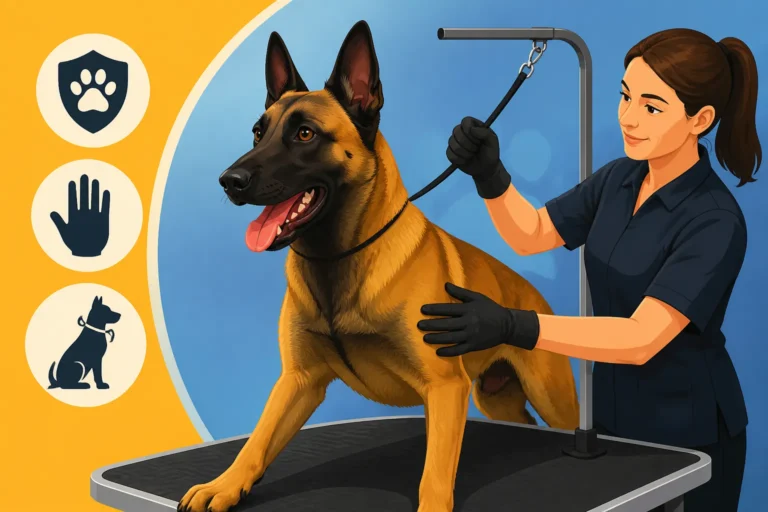
Proper fit is paramount for both effectiveness and your dog's comfort. A harness that is too loose can allow your Malinois to slip out of it, or shift and rub, causing discomfort. One that is too tight will restrict movement and also cause chafing. You should be able to comfortably slide two fingers under all the straps of the harness once it's on. Pay particular attention to the area behind the front legs; this is a common spot for rubbing if the harness is ill-fitting. The chest strap should sit low enough that it doesn't press on your dog's throat but high enough to allow free shoulder movement.
Because Malinois have such a distinctive athletic build, often with deep chests and relatively lean bodies, it's often best to measure your dog carefully before purchasing. Use a soft tape measure to get their chest girth (the widest part of their rib cage, usually just behind the front legs) and their neck circumference. Compare these measurements to the manufacturer's sizing chart. Don't just guess based on weight or breed. If you're unsure, many brands, including those found on Amazon, provide detailed sizing guides and customer reviews often offer insights into how a particular harness fits a Malinois-like build.
Popular Brands and Where to Find Them
There are several brands that offer robust front-clip harnesses suitable for a strong dog like a Belgian Malinois. Harnesses from brands known for their durability and thoughtful design often stand up well. When you're looking for these, online retailers like Amazon are a fantastic resource, offering a huge selection and customer reviews that can guide your choice. You can read feedback from other Malinois owners about how a particular harness performed under strenuous conditions.
When it comes to comprehensive training resources, particularly for getting a puppy or young dog started right, BAXTER & Bella offers online programs that integrate well with the use of a front-clip harness. While they don't sell harnesses directly, their training philosophy often supports using tools like front-clip harnesses to assist in loose-leash walking while building foundational skills. Combining a high-quality harness with a structured training program can provide the best results for your powerful Malinois. Always prioritize brands that offer good customer support and warranty policies, as even the best equipment can sometimes fail under the intense pressure a Malinois can exert.
Here's a quick comparison of harness types:
| Harness Type | Leash Attachment | Primary Mechanism for Pulling Control | Pros for Malinois | Cons for Malinois |
|---|---|---|---|---|
| Flat Collar | Back of Neck | Direct pressure on neck/throat | Simple, lightweight | No leverage, can cause neck injury, encourages pulling into pressure, easy to slip |
| Back-Clip Harness | Back (between shoulders) | Pressure across chest/shoulders | Distributes pressure, more secure than flat collar | Still allows full pulling power, acts like a sled dog harness, less control |
| Front-Clip Harness | Chest | Redirects forward momentum, turns dog sideways | Reduces pulling force, gentle redirection, good for training | Can chafe armpits if ill-fitting, some dogs learn to pull sideways, chew risk |
| Head Halter | Muzzle | Steers dog's head, influencing body direction | Excellent control, very effective for strong pullers | Requires conditioning/acceptance, can be resisted, not for all dogs |
Remember, the right equipment is only one part of the puzzle. Consistent training, adequate exercise, and understanding the incredible drive of your Belgian Malinois are what truly lead to successful, enjoyable walks. The Structure a Belgian Malinois Needs Every Day should always be at the forefront of your mind when addressing any behavioral challenge.
Disclaimer
This article is for general informational purposes only and does not constitute professional advice. Laws, prices and regulations vary by location and change over time. Consult a qualified professional for guidance on your specific situation.