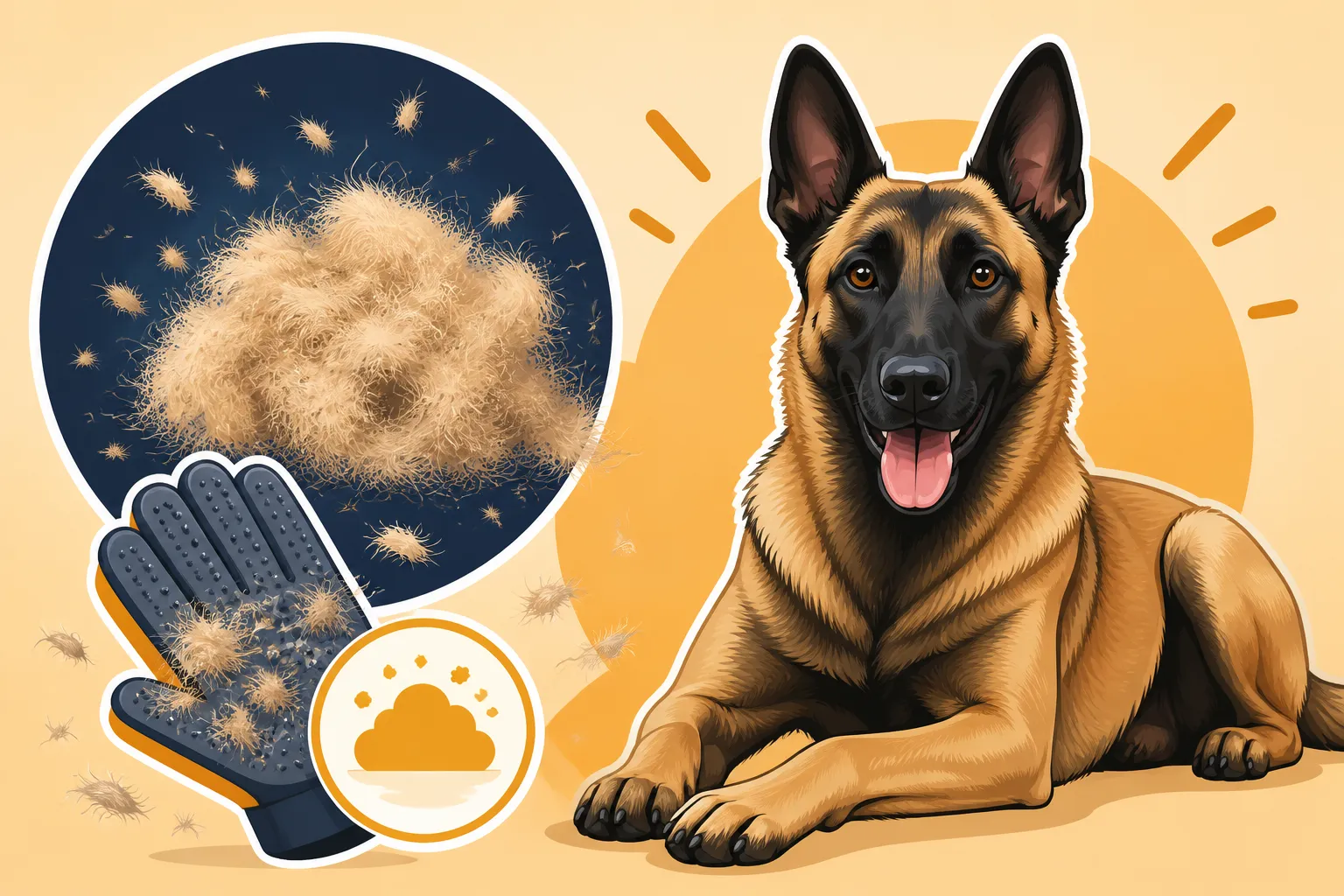
How Much Dander a Malinois Double Coat Puts Out
If you've ever owned a Belgian Malinois, or even just spent a significant amount of time around one, you know the struggle: you brush, you vacuum, you lint-roll, and still, the hair persists. But beyond the visible fur tumbleweeds, there's an invisible culprit that often triggers allergies and makes your home feel perpetually dusty – dander. This guide will delve deep into understanding how much dander a Malinois, with its unique double coat, actually produces and what that means for you and your living space.
Understanding the Belgian Malinois Double Coat and Dander Production
Let's be real, a Belgian Malinois isn't exactly a poster child for "hypoallergenic." Far from it. These magnificent, high-drive dogs come equipped with a formidable double coat, built for resilience in varying climates, which is fantastic for them but can be a bit of a challenge for their human companions, especially those with sensitivities. The double coat consists of two distinct layers, each playing a crucial role in the dog's comfort and, yes, in dander production.
The outer coat is made up of short, straight, harsh hairs that are water-resistant and provide protection from the elements. This is the visible layer that gives the Malinois its sleek, athletic appearance. Beneath this lies the dense, soft undercoat. This downy layer acts as insulation, keeping them warm in cold weather and helping to regulate their body temperature in warmer months. It's this undercoat that is primarily responsible for the seasonal "blow-outs" that Malinois owners know all too well, and it's also a major contributor to the amount of dander released into your environment.
Dander itself isn't just hair. It's microscopic flakes of dead skin cells that all animals, including humans, shed continuously. These tiny particles become airborne and settle on surfaces, carrying with them proteins from the dog's saliva and urine, which are the real triggers for most pet allergies. Because Malinois shed their undercoat so heavily during certain times of the year, they are constantly replenishing those skin cells, and thus, producing a steady supply of dander. So, while you might focus on the hair, remember that the invisible dander is often the more potent allergen. This consistent turnover means that, unfortunately, a Malinois double coat puts out a considerable amount of dander, making it a breed that allergy sufferers often struggle with.
The Seasonal Shedding Cycle and Its Impact on Dander
One of the biggest factors influencing dander output in a Malinois is its seasonal shedding cycle. Unlike breeds with single coats or those that shed minimally, a Malinois experiences distinct periods of heavier shedding, often referred to as "blowing coat." This typically happens twice a year, usually in spring and fall, coinciding with changes in temperature and daylight hours. During these times, the dog sheds its old undercoat to make way for a new one more suitable for the upcoming season.
When your Malinois is blowing coat, you're not just dealing with more hair; you're dealing with a significantly increased release of dander. All those dead hairs being shed are accompanied by the skin cells clinging to them, not to mention the general increase in skin cell turnover as the body prepares new growth. A daily brushing routine that might keep things manageable during the rest of the year becomes barely sufficient when your Malinois is actively blowing its coat. You'll notice a marked increase in dust and dander settling on furniture, floors, and even circulating in the air. This is the period when many owners, especially those new to the breed, find themselves wondering if their dog is suddenly shedding too much or if there's a problem, when in reality, it's just the natural cycle of a healthy double-coated breed. Managing this period effectively is key to keeping both the hair and dander under control. You might find some useful tips in How Much a Malinois's Short Coat Actually Sheds and The Two Week Stretch When a Malinois Drops Coat.
Factors Influencing Malinois Dander Levels
While all Belgian Malinois produce dander due to their double coat, several factors can influence the amount they put out and how noticeable it is in your home. It's not always a fixed quantity, and understanding these variables can help you better manage the situation.
Think about it like this: a healthy Malinois with good skin and a well-maintained coat will likely produce less irritating dander than one suffering from skin issues or poor nutrition. This is because healthy skin sheds cells at a more regular, less inflammatory rate. Anything that disrupts the skin's natural balance can lead to increased flaking and, consequently, more dander. So, while you can't eliminate dander entirely, you can certainly work to reduce excessive production.
Skin Health and Diet's Role in Dander Output
The health of your Malinois's skin is paramount when it comes to dander production. Dry, irritated, or unhealthy skin will flake more, leading to an increase in dander. Several things can contribute to poor skin health, including:
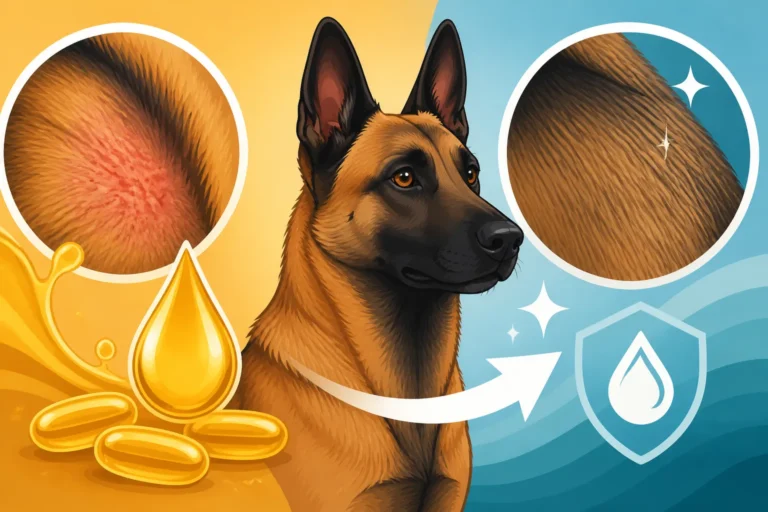
- Nutritional Deficiencies: A diet lacking in essential fatty acids (Omegas 3 and 6) can lead to dry, flaky skin. A high-quality kibble designed for active dogs, or a carefully balanced raw diet, is crucial. If you're exploring options, many brands focus on skin and coat health, and services like Ollie often highlight ingredients beneficial for healthy skin. You might also consider supplements; Whether Omega Oils Calm a Malinois's Skin has more on that.
- Allergies: Just like people, Malinois can suffer from environmental or food allergies. These can manifest as itchy skin, excessive scratching, and subsequent flaking. If you notice your Malinois constantly scratching, chewing at their paws, or developing hot spots, it's worth investigating potential allergies with your vet. This can drastically increase dander output.
- Parasites: Fleas, mites, and other external parasites can cause intense itching and skin irritation, leading to more dander. Regular parasite prevention is a non-negotiable for any dog owner, especially for an active Malinois that spends a lot of time outdoors.
- Environmental Factors: Low humidity in your home, especially during winter months when heaters are running, can dry out a dog's skin, just as it does ours. This can lead to more flaking. Bathing too frequently or with harsh shampoos can also strip natural oils, leaving the skin dry and prone to dander.
Ensuring your Malinois has a balanced diet rich in skin-supporting nutrients is one of the most effective ways to manage dander. Look for foods with healthy fats and consider adding a high-quality fish oil supplement if recommended by your vet. A healthy gut also often translates to healthy skin, so some owners also consider probiotics if their Malinois experiences soft stools or other digestive upsets that might impact nutrient absorption.
Grooming Practices and Their Effect on Shedding Dander
Consistent and proper grooming is your primary weapon in the battle against Malinois hair and dander. While you can't stop a Malinois from shedding, you can significantly reduce the amount of dander that becomes airborne and settles in your home.
Here's why grooming makes such a difference:
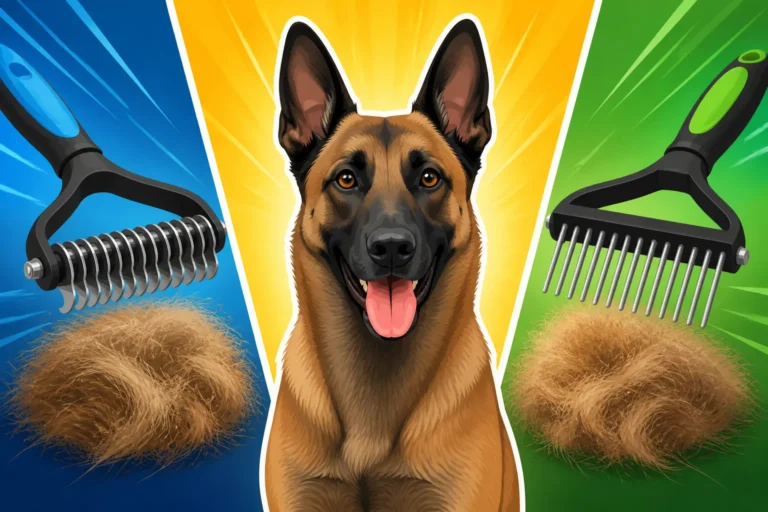
- Removing Dead Undercoat: Regular brushing, especially with tools designed for double coats, physically removes loose fur and the attached dander before it has a chance to fall off naturally. During shedding season, daily brushing isn't just a suggestion; it's a necessity. Tools like de-shedding rakes or undercoat rakes are invaluable for pulling out that dense, dead undercoat. You can often find a good selection of these on Amazon or Chewy.
- Distributing Natural Oils: Brushing helps distribute the natural oils produced by your Malinois's skin across their coat. These oils keep the skin moisturized and healthy, reducing dryness and flaking. A healthy, moisturized coat also tends to shed less excessively and holds onto dander better until it's brushed out.
- Bathing: While over-bathing can dry out the skin, occasional baths with a moisturizing dog shampoo can help remove loose dander and dead hair. Just be sure to use a shampoo specifically formulated for dogs to avoid irritating their skin. Thoroughly rinsing and drying your Malinois is also crucial to prevent skin irritation. Some owners also find that bathing prior to a major coat blow can help loosen and remove a significant amount of undercoat and dander all at once, making the shedding season slightly more manageable. You can also refer to How Rarely a Malinois Coat Needs Washing for more specific bathing guidance.
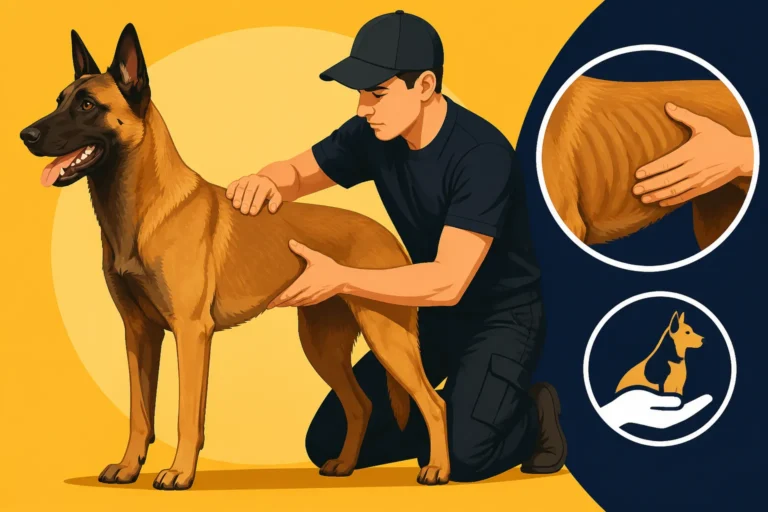
A good grooming routine not only helps with dander but also allows you to regularly check your dog's skin for any issues like dryness, redness, lumps, or parasites that might be contributing to increased dander.
Strategies for Managing Malinois Dander in Your Home
Living with a Belgian Malinois, especially if you or someone in your household has allergies, requires a proactive approach to managing dander. It's not just about brushing your dog; it's about creating an environment that minimizes the spread of these tiny irritants. This isn't just about cleanliness; it's about comfort and making sure everyone, two-legged and four-legged, can coexist happily. The reality is, a Malinois will always produce dander, but how much of it impacts your daily life is largely within your control.
These strategies involve a combination of direct dog care, home maintenance, and being smart about your living spaces. It requires consistency, but the payoff—a cleaner home and fewer sniffles—is absolutely worth the effort.
Grooming Tools and Techniques for Dander Reduction
To effectively reduce dander, you need the right tools and a consistent approach. Simply running a slicker brush over your Malinois isn't enough; you need to get down to that dense undercoat where most of the shedding happens.
Here's a breakdown of effective tools and techniques:
- Undercoat Rakes: These tools are specifically designed with long teeth to penetrate the outer coat and gently pull out loose undercoat without damaging the topcoat. Use them regularly, especially during shedding season. Start at the neck and work your way back, ensuring you're getting down to the skin but not dragging or pulling.
- De-shedding Tools: Brands like Furminator offer specialized tools that are highly effective at removing loose undercoat. They have a fine-toothed blade that works wonders, but be careful not to overdo it, as excessive use can irritate the skin.
- Rubber Curry Brushes/Gloves: These are great for daily grooming, especially for short-coated breeds like the Malinois. The rubber nubs massage the skin, stimulate blood flow, and capture loose hair and dander from the top layer. They are also excellent for use during baths to work shampoo through the coat and loosen dead hair.
- Fine-toothed Comb: After using a de-shedding tool or rake, a fine-toothed comb can help catch any remaining loose hairs and check for tangles or mats, though mats are less common in a Malinois's short coat.
- Bathing with De-shedding Shampoos: During heavy shedding, a de-shedding shampoo and conditioner can help release the undercoat. Always follow up with thorough rinsing and drying. For more on washing, check Washing a Malinois That Hates Standing Still.
Technique is Key:
Always brush outside if possible, especially during heavy shedding. This prevents vast amounts of dander and hair from entering your home in the first place. If brushing indoors, choose an area that's easy to clean, like a tiled floor. Work in short, gentle strokes, making sure to cover the entire body. Pay extra attention to areas with thicker undercoat, like the ruff around the neck and the hindquarters. A consistent routine, even just 10-15 minutes a few times a week, is far more effective than infrequent, marathon grooming sessions.
Environmental Control Measures for Allergy Sufferers
Beyond grooming your Malinois, you need to implement strategies within your home to control airborne dander and minimize its presence. This is particularly crucial if anyone in the household has pet allergies.
Here are some actionable steps:
- Designated "Dog-Free" Zones: If allergies are severe, consider designating certain rooms, like bedrooms, as off-limits for your Malinois. This creates a sanctuary where dander levels can be kept significantly lower.
- High-Efficiency Particulate Air (HEPA) Filters: Invest in a good quality HEPA air purifier for key living areas and bedrooms. These devices are designed to capture microscopic particles, including dander, from the air. Regular filter changes are vital for their effectiveness. Your HVAC system should also have a high-MERV filter, changed frequently, to trap dander circulating through your vents.
- Regular Cleaning Regimen:
- Vacuuming: Use a vacuum cleaner with a HEPA filter and strong suction. Vacuum carpets, rugs, and upholstery frequently, at least every other day, if not daily.
- Wiping Surfaces: Dander settles everywhere. Wipe down hard surfaces with a damp cloth daily to pick up settled dander rather than just redistributing it.
- Washing Fabrics: Regularly wash dog beds, blankets, and any fabrics your Malinois frequently contacts. Hot water washing is most effective.
- Hard Flooring: If possible, opt for hard flooring (hardwood, tile, laminate) over carpets. Carpets are notorious for trapping dander and allergens. If you have carpets, consider professional steam cleaning periodically.
- Furniture Covers: Use washable covers on couches and chairs where your Malinois is allowed. These can be easily removed and laundered to reduce dander buildup.
- Air Duct Cleaning: Periodically having your home's air ducts cleaned can remove accumulated pet dander and other allergens, improving overall air quality.
By combining consistent grooming with diligent environmental control, you can create a much more comfortable living space, even with a high-shedding, dander-producing Belgian Malinois. For additional insights on managing the shedding, you may want to read Why Malinois Hair Weaves Into Upholstery and Living With Belgian Malinois Hair Everywhere.
Misconceptions About Malinois Dander and Allergies
There's a lot of misinformation swirling around pet allergies, especially when it comes to breeds like the Belgian Malinois. It's easy to fall into the trap of thinking certain things will solve the problem entirely, or to misunderstand what's truly causing the allergic reaction. Let's clear up a few common misconceptions.
The biggest one, perhaps, is equating "shedding" with "allergies." While they are related, they aren't the same. A dog can shed minimally but still produce significant dander, and conversely, a heavy shedder might not bother everyone. It's the proteins in the dander, saliva, and urine that are the culprits, not just the hair itself. So, simply having a dog that sheds a lot doesn't automatically mean everyone will be allergic, but a dog with a heavy dander output does increase the likelihood of exposure to those allergenic proteins.
"Hypoallergenic" Breeds vs. Dander Production
One of the most pervasive myths is the concept of a truly "hypoallergenic" dog breed. The truth is, there's no such thing as a 100% hypoallergenic dog. All dogs produce dander, saliva, and urine, and thus, all dogs produce the proteins that trigger allergic reactions in sensitive individuals. Some breeds are simply less allergenic because they shed less hair and, consequently, less dander, or they produce less of the specific proteins that cause reactions.
Breeds often labeled "hypoallergenic," like Poodles or Portuguese Water Dogs, tend to have hair that grows continuously and sheds minimally, similar to human hair. This means fewer dead skin cells (dander) are released into the environment. A Belgian Malinois, with its dense double coat and seasonal "blowing coat" phases, falls squarely on the other end of the spectrum. They are prolific dander producers precisely because of their natural shedding patterns. Therefore, anyone severely allergic to dogs should be extremely cautious when considering a Malinois, as their dander output is consistently high. It's not a matter of "if" they produce dander, but "how much," and for a Malinois, it's a lot.
Can Diet or Supplements Change Dander?
While diet and supplements can't stop dander production entirely, they can absolutely influence the quality and amount of dander your Malinois produces. As discussed earlier, dry, unhealthy skin flakes more. So, supporting skin health is a key strategy.
- Omega Fatty Acids: Supplements rich in Omega-3 and Omega-6 fatty acids are often recommended for coat and skin health. These healthy fats can help keep the skin hydrated and supple, reducing dryness and excessive flaking. You can find these in fish oil supplements, often available on Chewy or Amazon, or in certain diets. However, always consult your veterinarian before adding any supplements to your dog's regimen. Whether Omega Oils Calm a Malinois's Skin is a good resource here.
- High-Quality Diet: A diet formulated with easily digestible ingredients and appropriate nutrient levels supports overall health, including skin and coat. Poor nutrition can manifest as dull coats and flaky skin, exacerbating dander issues. Many premium dog food brands focus on ingredients that support skin health. Companies like Ollie often emphasize fresh, wholesome ingredients that contribute to a healthy coat.
- Hydration: Ensuring your Malinois is well-hydrated is also important for skin health. Fresh, clean water should always be available.
It's important to have realistic expectations. Dietary changes and supplements are tools to optimize skin health and potentially reduce excessive dander caused by dryness or irritation, but they will not turn a Malinois into a low-dander breed. The fundamental nature of their double coat and shedding cycle means consistent dander production. These interventions are about making the best of the situation, not eradicating it.
| Dander Production Factor | Impact on Malinois Dander | Management Strategy |
|---|---|---|
| Double Coat | High & Consistent | Regular brushing with undercoat rakes; professional grooming during shedding peaks. |
| Seasonal Shedding | Very High (2x yearly) | Daily de-shedding brushing; outdoor grooming; de-shedding shampoos. |
| Skin Health (Dryness/Allergies) | Increased Flaking | High-quality diet with Omega fatty acids; vet consultation for allergies/irritation. |
| Poor Nutrition | Exacerbated Flaking | Balanced, complete diet; consider vet-approved supplements. |
| Lack of Grooming | Uncontrolled Spread | Consistent weekly/daily brushing; proper tools for undercoat removal. |
| Indoor Environment | Traps & Circulates Dander | HEPA air purifiers; frequent vacuuming; hard flooring; washable furniture covers. |
Disclaimer
This article is for general informational purposes only and does not constitute professional advice. Laws, prices and regulations vary by location and change over time. Consult a qualified professional for guidance on your specific situation.