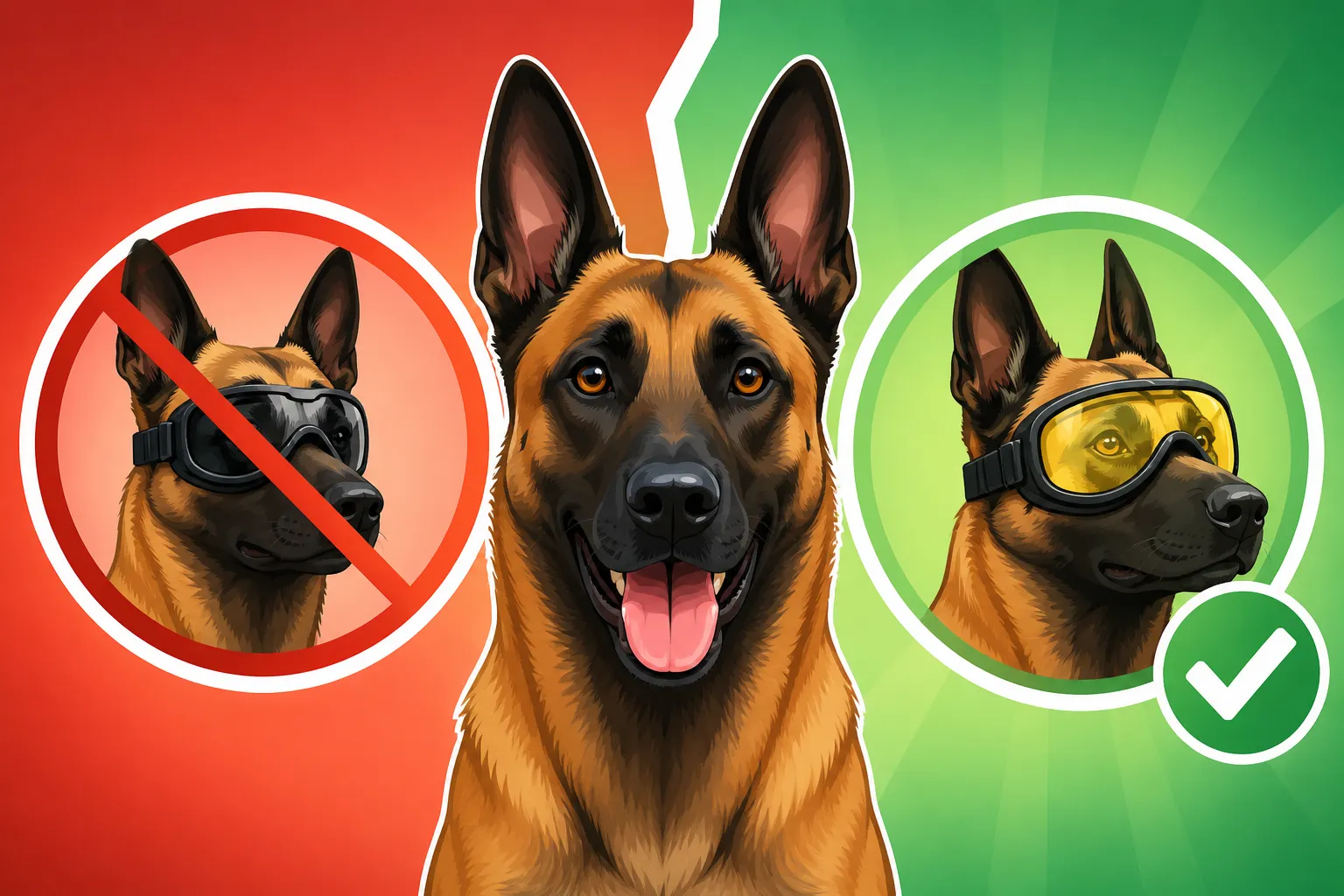
Whether Tinted Goggles Suit a Belgian Malinois
It's incredibly frustrating when your dedicated Belgian Malinois, who lives for work and adventure, starts showing signs of discomfort or risk to their precious eyes. Whether it's the harsh glare of the sun during outdoor training, abrasive dust on a scent trail, or a specific eye condition that makes them sensitive, protecting their vision is paramount. This guide is here to walk you through the world of dog goggles, specifically addressing whether tinted options are suitable for your high-drive Malinois and how to make the best choice for their long-term health and performance.
Understanding Why Goggles Become Necessary for a Malinois
For a breed as active and intensely focused as the Belgian Malinois, their eyes are not just windows to their soul – they're essential tools for their job, whether that's sport, police work, or simply navigating a busy backyard. Given their dynamic lifestyles, it's not uncommon for Malinois owners to consider protective eyewear, and for very good reasons.
Protecting Sensitive Eyes from Environmental Hazards
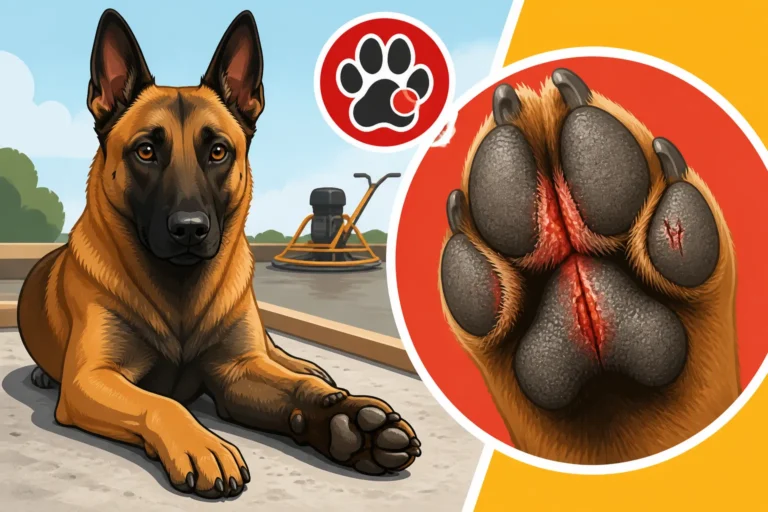
Imagine your Malinois tearing through a field, nose to the ground, kicking up dirt, or working a search pattern in a dusty demolition site. Their eyes are constantly exposed to environmental irritants that can cause discomfort, injury, or even chronic issues. Fine particulate matter, like sand or dust, can scratch the cornea, leading to painful abrasions and potential infections. This is especially true if you live in a windy area, or if your dog often accompanies you on trails where loose debris is common. Think about those long car rides with the window down; while many dogs love the breeze, it can blast their eyes with wind, dust, and insects at high speeds. Even seemingly innocuous things like tall grasses or brush can flick into their eyes during an enthusiastic romp, causing irritation or minor trauma. A single eye injury can sideline a working dog for weeks, leading to vet bills, lost training time, and a frustrated Malinois with pent-up energy.
Managing Specific Eye Conditions Like Pannus
Beyond just general environmental protection, some Malinois develop specific eye conditions that necessitate extra care. One of the most common and challenging for the breed is Pannus, formally known as Chronic Superficial Keratitis. This is an immune-mediated condition where inflammatory tissue and blood vessels invade the cornea, often starting at the outer edges and progressing inward. It’s highly suspected that ultraviolet (UV) radiation from sunlight plays a significant role in triggering and worsening Pannus. You might notice a grayish film creeping across their eye, often starting with the white part and moving onto the clear cornea. For dogs diagnosed with Pannus, consistent UV protection isn't just a recommendation; it's a critical part of their lifelong management plan to slow the progression and minimize flare-ups. Without it, the condition can become more severe, potentially impacting their vision significantly over time. Owners often face the challenge of treating Pannus in a Belgian Malinois for Life, which typically involves daily eye drops and, crucially, diligent sun protection.
The Unique Demands of a Working Malinois's Lifestyle
A Belgian Malinois isn't just a pet; for many, they are elite athletes or dedicated service dogs. This means they are often exposed to environments far more extreme than your average companion dog. Police K9s might work in urban environments with shattered glass, flying debris, or in situations involving chemical irritants. Search and rescue dogs could be navigating dense undergrowth or unstable terrain after a disaster. Sport dogs, excelling in disciplines like IGP or Belgian Ring, perform high-speed jumps and complex routines that put them in close contact with various surfaces and potential hazards. Whether it's training for Explosives Detection Training for a Belgian Malinois or The Checkup Schedule a Sport Malinois Should Keep, their eyes are always on the front lines. The intensity of their work means they often can't afford a momentary lapse in vision due to irritation or injury. Goggles can provide an invaluable layer of protection, allowing them to focus on the task at hand without the distraction or risk of eye discomfort.
Clear vs. Tinted: Making the Right Goggle Choice for Your Malinois
When it comes to selecting goggles for your Belgian Malinois, you'll quickly discover that not all lenses are created equal. The primary distinction often comes down to clear versus tinted, and understanding the nuances of each can help you make an informed decision tailored to your dog's specific needs and environment.
The Role of UV Protection in Dog Goggles
Regardless of whether the lenses are clear or tinted, the most important feature in any dog goggle is effective UV protection. Just like humans, dogs are susceptible to the damaging effects of ultraviolet rays, which can contribute to various eye problems, including cataracts and, as discussed, Pannus in susceptible breeds like the Malinois. High-quality dog goggles, regardless of their visible tint, should block 99-100% of both UVA and UVB rays. This is usually indicated by a label like "UV400" or "100% UV protection." A clear lens with proper UV coating offers just as much protection from harmful rays as a dark tinted lens. The tint primarily affects visible light transmission, not UV filtration. So, when you're browsing options on retailers like Amazon or Chewy, always prioritize the UV rating over the darkness of the tint. Effective UV protection is non-negotiable, especially for a Malinois prone to Pannus and the Sunlight That Drives It in Malinois or those spending extended periods outdoors in bright conditions.
Assessing the Benefits and Drawbacks of Tinted Lenses
Tinted goggles offer several specific advantages, primarily related to managing visible light. Their main benefit is reducing glare, similar to how sunglasses work for people. If your Malinois is working in very bright, reflective environments – think snow, water, or large expanses of concrete on a sunny day – tinted lenses can significantly enhance their comfort by cutting down on intense light. This can prevent squinting, reduce eye fatigue, and potentially improve their ability to focus on tasks in high-glare situations. For a Malinois whose Pannus and the Sunlight That Drives It in Malinois is actively flaring due to light sensitivity, reducing visible light can offer immediate relief.
However, tinted lenses also come with drawbacks. The most significant is their reduction in overall light transmission. This means they make everything appear darker. While beneficial in bright sunlight, this can become a hindrance in lower light conditions, indoors, or during dusk/dawn operations. A dog relying on their keen eyesight for tracking or detection work in varied lighting might find their performance compromised by overly dark lenses. Additionally, some dogs might be initially resistant to the perceived darkening of their vision, making the conditioning process slightly more challenging. It's a balance between comfort in bright light and optimal visibility in diverse conditions.
When Clear Lenses Are the Optimal Solution
For many Belgian Malinois, clear lenses often present a more versatile and less intrusive option. They provide excellent protection against physical debris, wind, and, crucially, offer full UV protection without altering the dog's perception of light and shadow. This means your Malinois can maintain their natural vision across a wider range of lighting conditions, from bright daylight to overcast skies or even indoors, without compromising their ability to see clearly. If your dog's primary need is protection from dust, wind, or physical impacts – perhaps from Corneal Scratches on a Malinois Working Brush – clear lenses are perfectly adequate and often preferable. They are also ideal for dogs who might be sensitive to changes in light, or for situations where consistent, unaltered visual acuity is paramount, such as precision obedience work or navigating complex environments. Ultimately, clear lenses offer robust protection with minimal interference to your Malinois's natural sensory input, making them a default choice for many handlers.
Here's a quick comparison of clear vs. tinted goggles for your Malinois:
| Feature | Clear Lenses | Tinted Lenses |
|---|---|---|
| UV Protection | Excellent (if rated UV400/100%) | Excellent (if rated UV400/100%) |
| Glare Reduction | Minimal | Significant |
| Visible Light | Unchanged, natural light perception | Reduced, objects appear darker |
| Best Use Cases | Debris, wind, physical protection, varied light, indoors | Intense sunlight, snow, water, light sensitivity (e.g., severe Pannus) |
| Visibility | Optimal in all light conditions | Potentially reduced in low light |
| Initial Acceptance | Often easier | May require more conditioning due to darkness |
Introducing and Conditioning Your Malinois to Wearing Goggles
Getting a high-drive Belgian Malinois to willingly wear something on their face can be a genuine challenge. It's not like asking them to wear a cute bandana. This requires patience, consistency, and a deep understanding of positive reinforcement. Rushing the process will almost certainly lead to frustration for both you and your dog, making the goggles a battle rather than a helpful tool.
Starting the Process: Patience and Positive Reinforcement
The key to successful goggle introduction is to make it a positive experience, every single time. Start in a calm, familiar environment with no distractions. Introduce the goggles slowly, letting your Malinois sniff them without any pressure. Pair the sight and smell of the goggles with high-value treats and praise. Don't try to put them on yet! The goal is to build a positive association. Once they are comfortable being near the goggles, move to briefly touching their face with the goggles, again, immediately followed by a reward. This might take several short sessions.
The next step is getting them to accept the goggles resting on their nose for just a second or two, then quickly removing them and offering a jackpot of treats. Gradually increase the duration. When you finally attempt to secure the strap, make it quick and immediately follow with rewards and maybe a favorite game. The goal is that the goggles predict something good is about to happen. Keep sessions short – literally 30 seconds to a minute – and always end on a positive note. Consistency is far more important than speed. Remember, this is about shaping a new behavior, and a Malinois needs clear, consistent feedback to understand what you want.
Choosing the Right Fit and Style for Comfort
Just like with humans, ill-fitting eyewear is uncomfortable and irritating. For a Malinois, comfort is critical to their acceptance of goggles. Look for brands that offer various sizes and adjustable straps. The goggles should sit securely on their face without pressing on their eyes or pinching their ears. The bridge of the goggles should rest comfortably on their nose without sliding down or riding up. Many dog goggle manufacturers, whose products you might find on Chewy or Amazon, provide sizing guides based on weight and head measurements, so take accurate measurements of your Malinois's head before purchasing.
Consider the design as well. Some goggles have a single wide strap, while others have two adjustable straps that go around the head and under the chin. You might find that one style is more stable or comfortable for your dog's specific head shape. Ensure there's enough padding around the lenses to prevent chafing, especially around the eyes. If the goggles are causing any discomfort, your Malinois will quickly develop an aversion to them, making your training efforts much harder. A comfortable fit will encourage them to keep the goggles on, rather than constantly trying to paw them off.
Integrating Goggles into Daily Routines and Work
Once your Malinois tolerates the goggles for short periods, it's time to integrate them into their actual routines. Start by having them wear the goggles during calm activities they already enjoy, like a short walk in the yard or a quiet training session indoors. Gradually increase the duration and introduce them during more stimulating activities. For instance, if you use them for Keeping a Belgian Malinois Out of Midday Sun due to Pannus, put them on before you go outside, not as a punishment for being in the sun.
Make the goggles part of their "work uniform" if they are a working dog. If your Malinois performs Search and Rescue Work With a Belgian Malinois or Whether a Pet Belgian Malinois Can Do Nose Work, put the goggles on before you start the activity. This helps them associate the goggles with their job and the satisfaction that comes with it. Always monitor their reaction. If they seem overly distressed or try repeatedly to remove them, take a step back in your training. Patience, positive reinforcement, and gradual exposure will help your Malinois not just tolerate, but perhaps even accept and anticipate, wearing their protective eyewear.
Disclaimer
This article is for general informational purposes only and does not constitute professional advice. Laws, prices and regulations vary by location and change over time. Consult a qualified professional for guidance on your specific situation.