Whether Concrete Flooring Suits a Malinois Kennel
When you're looking at kennel options for your high-drive Belgian Malinois, concrete flooring often pops up as a practical choice. It's durable, easy to clean, and seems like a no-brainer for a powerful dog that can destroy almost anything. However, many Malinois owners worry about the long-term impact on their dog's joints, skin, and overall comfort. This guide will break down the realities of concrete kennel flooring for your Malinois, offering practical insights and solutions to ensure your working companion stays healthy and happy.
The Core Dilemma: Concrete Flooring for a Belgian Malinois Kennel
It's a classic struggle for any Malinois owner: you need something that can stand up to their incredible energy and strength, but you also want them to be comfortable and avoid unnecessary wear and tear on their bodies. Concrete seems to fit the bill for resilience, yet it comes with its own set of concerns.
Why Concrete Appears to Be a Good Choice
Let's face it, concrete is tough. For a dog like a Belgian Malinois, who can dig, chew, and scratch through weaker materials, concrete offers a level of permanence that other flooring options just can't match. Imagine the frustration of replacing ripped linoleum or splintered wood every few months because your Malinois decided it was an exciting new chew toy or a project for their excavating skills. Concrete is impervious to most of that kind of mischief. It's also incredibly easy to sanitize, which is a huge bonus when dealing with kennel cleanliness, especially for dogs who might be coming in from dirty training fields or tracking practice. You can hose it down, scrub it with disinfectants, and feel confident that you're minimizing bacteria and odors. This low-maintenance aspect is a big draw for busy owners and professional handlers alike.
The density of concrete also means it's not going to absorb liquids or odors in the way porous materials might. Accidents, spilled water, or general dampness won't seep in and create lingering smells or mildew issues. For many, the sheer practicality of concrete outweighs initial reservations, particularly when designing a kennel or run where extreme durability and hygiene are paramount. It feels like a 'set it and forget it' solution in terms of structure, allowing you to focus more on the dog rather than constant kennel repairs.
The Immediate Concerns for Your Malinois
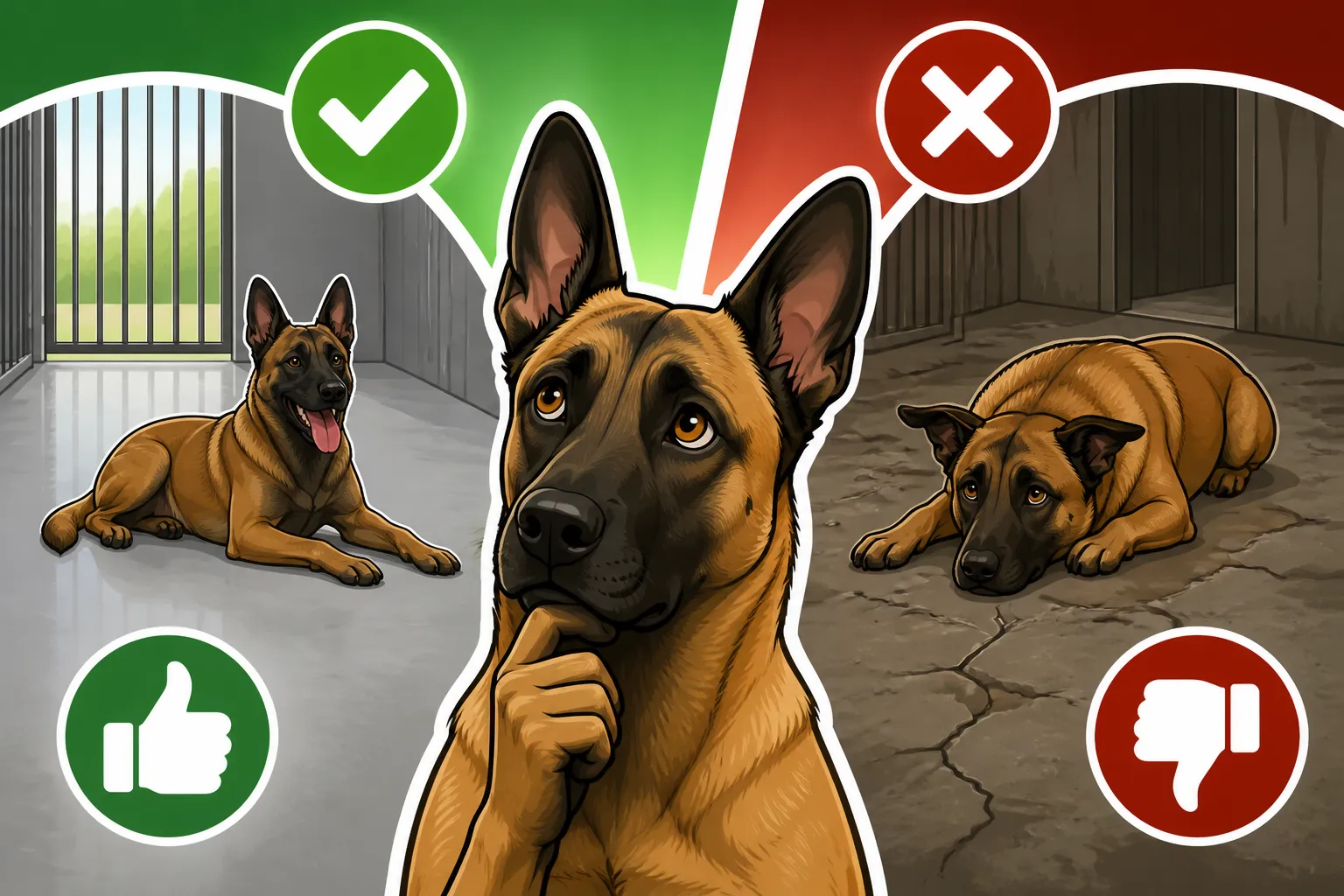
However, the very properties that make concrete durable also raise red flags for a Malinois's well-being. The most immediate concern is its sheer hardness. Dogs, especially active, athletic breeds like Malinois, need cushioning. Lying on a hard surface for extended periods can be uncomfortable, leading to pressure sores, calluses on elbows and hocks, and general stiffness. Think about how you feel after a night sleeping on the floor; your Malinois experiences that amplified, given their skeletal structure and weight distribution. This hardness can be particularly problematic for puppies whose bones are still developing, or for older Malinois who might already be contending with Arthritis in a Belgian Malinois at Nine or other joint issues.
Temperature is another big concern. Concrete is a thermal mass; it absorbs and retains heat and cold. In summer, direct sunlight on concrete can make it scorching hot, risking burns to paw pads and contributing to overheating. In winter, it can become chillingly cold, drawing heat away from your Malinois's body and increasing the risk of hypothermia, especially for a short-coated breed that doesn't have a thick insulating layer like some other shepherd breeds. Imagine your dog trying to sleep on an ice-cold slab after a long training session. It's simply not conducive to proper rest and recovery. Owners often find themselves facing a dilemma: provide comfort and insulation, but risk it being destroyed, or leave the concrete bare and risk health issues.
Making Concrete Comfortable and Safe: Practical Solutions
So, if you've decided concrete is the best structural choice for your Malinois kennel, don't despair! There are many effective ways to mitigate its harshness and ensure your dog remains healthy and comfortable. The key is thoughtful planning and investing in the right accessories.
Providing Adequate Cushioning and Insulation
The number one priority when using concrete is to provide ample cushioning. This means investing in high-quality, durable bedding. Forget flimsy blankets; your Malinois needs something robust. Heavy-duty rubber mats are an excellent option. They provide a dense, shock-absorbing layer that protects joints and offers some insulation from temperature extremes. Look for mats designed for horse stalls or gym floors, as these are built to withstand heavy use and can be found on sites like Amazon or Chewy. They are also relatively easy to clean – you can hose them down or wipe them off. For an added layer of comfort and warmth, particularly in cooler climates, consider a raised dog bed with a chew-proof fabric. These elevate your dog off the cold concrete, preventing heat loss through conduction, and often come with orthopedic foam inserts that contour to their body.
Beyond mats and raised beds, specialized kennel pads made from dense foam or recycled rubber granules can offer superior comfort. Some Malinois owners even use straw or wood shavings in outdoor kennel runs during colder months, which provides excellent insulation, but this does require more frequent cleaning and replacement. Whatever you choose, ensure it's something your Malinois isn't likely to chew through immediately. For a dog that needs a job, even destroying a bed can be a fulfilling activity, so chew-resistant options are paramount. Don't forget to rotate and clean bedding regularly to maintain hygiene and prevent odors.
Addressing Temperature Regulation
Since concrete is such a poor insulator, managing kennel temperature is crucial. In hot climates or during summer, providing shade is non-negotiable. This means a roof over the entire kennel area, or at the very least, a shaded portion where your Malinois can escape the sun's direct rays. Consider misters or fans to create air movement and evaporative cooling. If your kennel is indoors or enclosed, proper ventilation is key to prevent stagnant, hot air. For extreme heat, some owners even use cooling mats, which can be found online through retailers like Amazon, though these might not stand up to a persistent Malinois for long.
In colder environments, insulating the kennel walls and roof is just as important as insulating the floor. Radiant heat panels can be installed overhead or under durable mats to provide warmth. For more permanent structures, underfloor heating (hydronic or electric) can be incredibly effective, warming the concrete slab itself. For outdoor kennels, a well-insulated dog house placed inside the larger concrete run, with an entrance flap, offers a critical refuge from the elements. Remember that a Malinois has a short coat and isn't inherently built for extreme cold, so protecting them from drafts and providing warmth is vital, especially as they get older. Cold Tolerance in a Short Coated Belgian Malinois is a real concern that owners should always keep in mind.
Maintaining Traction and Foot Health
The smooth, hard surface of bare concrete can sometimes lack adequate traction, especially when wet. For a fast, agile dog like a Malinois, this can lead to slips, falls, and potential injuries. Placing rubber mats or even outdoor carpeting in high-traffic areas can significantly improve grip. Textured concrete finishes can also be incorporated during the initial pour to create a rougher, more paw-friendly surface.
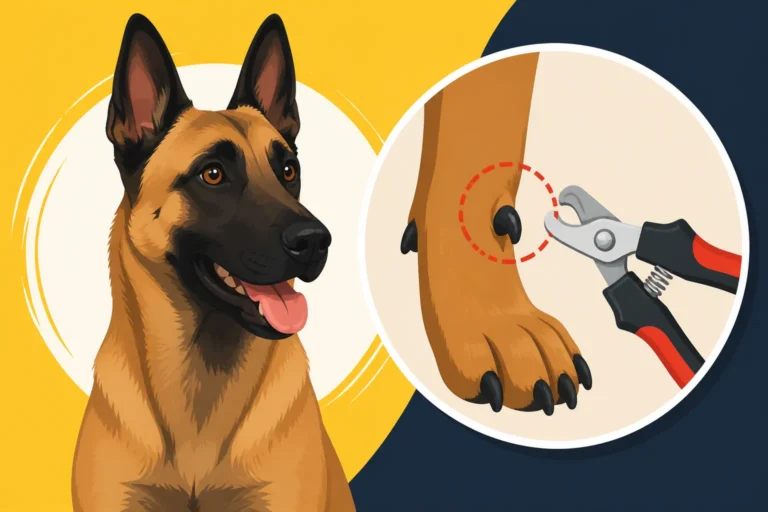
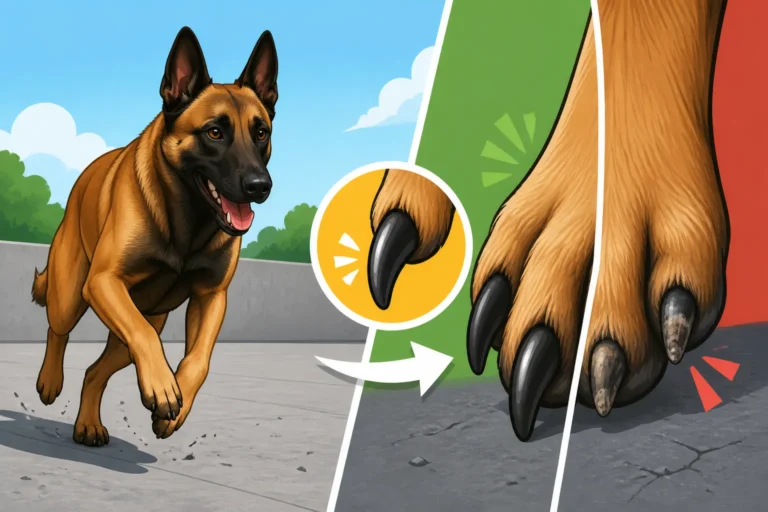
Regular care of your Malinois's paws is also more important with concrete. The hard surface can be tough on paw pads, leading to cracking or excessive wear. Regularly check their pads for dryness, cracks, or tenderness. Paw balms, available from pet suppliers like Chewy, can help keep pads supple and resilient. Additionally, concrete can be a nail-grinding machine, which sounds convenient but can lead to overly short nails or quick exposure if not managed. While some dogs naturally wear their nails down, others may still require regular trimming to prevent issues. How Fast a Kenneled Malinois's Nails Grow can vary, so consistent checks are important.
Beyond Comfort: Long-Term Health and Behavioral Considerations
While cushioning and temperature control address immediate comfort, the long-term effects of concrete on a Malinois's health and behavior are equally important. You're investing in a lifetime with your dog, and their environment plays a huge role in that.
Joint Health and Orthopedic Concerns
The impact of concrete on a Malinois's joints is perhaps the most significant long-term health concern. Consistent exposure to hard surfaces can exacerbate or even contribute to orthopedic issues that these athletic breeds can be prone to, such as hip and elbow dysplasia. While genetics play a primary role in these conditions, environmental factors like constant jarring on hard surfaces can worsen symptoms and accelerate degenerative changes. Even for a Malinois with excellent clearances for The Hip and Elbow Numbers Behind a Malinois Clearance, the relentless impact over years can take its toll. The body is designed to absorb shock, but repeated, unbuffered impact wears down cartilage and stresses ligaments.
Consider a young Malinois puppy whose growth plates are still open; excessive impact or lack of cushioning can potentially impact proper joint development. Whether a Malinois puppy's joints can take impact is a vital consideration for responsible breeders and new owners. For adult Malinois, especially those actively involved in sports like IGP, KNPV, or Ring, their joints are already under immense strain. Providing a soft, supportive surface for rest and recovery is not just a luxury; it's a necessity for extending their working life and ensuring they remain comfortable into their golden years. This is where joint supplements, perhaps purchased from a reputable online store like Amazon, can also play a supportive role alongside proper flooring.
Skin Issues and Pressure Sores
Another common problem associated with bare concrete is the development of skin issues. Lying on hard surfaces can restrict blood flow to certain areas, leading to pressure sores, especially on prominent bony areas like elbows, hocks, and hips. These sores can range from simple hair loss and calluses to open wounds that become infected, requiring veterinary intervention. While a common problem for any large dog on hard surfaces, a high-energy Malinois might spend less time lying down, but when they do, they need that support.
Moreover, the abrasive nature of concrete can irritate the skin, leading to chronic dry patches or even hot spots, especially if combined with dampness. If the concrete is perpetually cold, it can also lead to issues like hygromas (fluid-filled sacs) on the elbows as the body tries to protect itself from pressure. Regular checks of your Malinois's skin, especially on their pressure points, are crucial. If you notice any signs of irritation or hair loss, it's a clear signal that your current bedding isn't sufficient. This underscores the need for effective, durable, and regularly maintained cushioning.
Mental Well-being and Behavioral Adaptations
Beyond the physical, the environment of a kennel, including its flooring, can impact a Malinois's mental state and behavior. A dog that is constantly uncomfortable, stiff, or cold might become restless, anxious, or even destructive. If they cannot find a comfortable spot to settle, they may pace excessively, dig at the concrete, or try to escape. This can lead to stress behaviors that are counterproductive to their training and overall happiness. Whether a Belgian Malinois Ever Truly Relaxes is a question many owners ponder, and a harsh environment certainly doesn't help!
On the flip side, a comfortable, secure kennel with proper cushioning and temperature control can promote calmness and good resting habits. It provides a safe haven where your Malinois can decompress after intense training or work. A dog that is well-rested is better able to focus, learn, and perform. Therefore, investing in proper concrete mitigation isn't just about physical health; it's about fostering a mentally stable and balanced companion. While a Malinois is adaptable, they still benefit immensely from an environment that caters to their specific needs.
Weighing Your Options: When Concrete Works and When It Doesn't
Ultimately, deciding on kennel flooring for your Malinois comes down to balancing durability with your dog's specific needs and your ability to maintain the environment. Concrete has its clear advantages, but these must be actively managed to prevent serious downsides.
When Concrete is a Realistic and Manageable Option
Concrete genuinely shines in situations where extreme durability and ease of sanitation are the highest priorities. For professional kennels, police dog facilities, or serious sport dog homes with multiple high-drive Belgian Malinois, concrete offers an unmatched long-term structural solution. If you have the budget and commitment to invest in robust rubber matting, radiant heating, effective cooling systems, and regular maintenance of bedding and paw health, then concrete can absolutely work. It's an excellent base upon which to build a comfortable and hygienic environment.
It also works well when integrated with other materials. For example, a concrete slab might form the foundation of an outdoor run, but a large, well-insulated dog house with a raised bed or deep straw is placed within it. Or, an indoor concrete-floored kennel could have nearly its entire surface covered in high-quality rubber matting, ensuring minimal direct contact with the hard floor. The key is to view concrete not as the final flooring solution, but as a sturdy foundation that needs thoughtful additions to become a suitable living space for a Malinois. It offers the framework for a resilient setup that, with the right accessories, can provide a healthy home for your dog, even for The Fourteen to Sixteen Years a Belgian Malinois Lives.
When You Might Want to Consider Alternatives
However, for many pet owners, or those with limited resources for extensive modifications, concrete might present too many challenges. If you cannot commit to providing high-quality, durable bedding that will withstand your Malinois's chewing or digging tendencies, or if you live in an area with extreme temperature fluctuations without the means to regulate the kennel environment, concrete might be more detrimental than beneficial. A bare concrete floor, even for short periods, is simply not ideal for any dog, let alone an active Malinois.
Alternatives include packed earth or gravel for outdoor runs (which offer better drainage and some impact absorption but can be harder to sanitize), or specialized kennel tiles made from softer, more forgiving materials that still offer durability. Even heavily textured rubber flooring systems can be installed directly over a subfloor, providing cushioning without the concrete's inherent hardness. The best approach is to assess your climate, your dog's temperament (are they a super chewer?), and your budget before committing. For more general advice on Housing a Belgian Malinois in a Kennel or a Crate, consider all factors holistically. No single material is perfect, and every choice has trade-offs.
| Feature | Bare Concrete | Concrete with Mitigation |
|---|---|---|
| Durability | Excellent, highly resistant to damage | Excellent, underlying structure remains durable |
| Cleaning Ease | Excellent, non-porous, hoseable | Very good, mats can be cleaned or replaced |
| Comfort | Poor, very hard and unyielding | Good to excellent, with proper bedding and mats |
| Joint Health | Poor, high impact, risk of pressure sores | Good, cushioning reduces impact and prevents sores |
| Temperature Reg. | Poor, retains heat/cold, can be extreme | Good to excellent, with insulation, heating/cooling |
| Traction | Moderate to poor, especially when wet | Good to excellent, with textured mats/surfaces |
| Cost (Initial) | Low for basic slab | Moderate to high, due to added mats, heating, insulation |
| Maintenance | Low for basic slab, high for dog health | Moderate to high, for bedding replacement/cleaning |
| Long-Term Health | High risk of orthopedic issues, calluses | Reduced risk, promotes longevity and comfort |
Disclaimer
This article is for general informational purposes only and does not constitute professional advice. Laws, prices and regulations vary by location and change over time. Consult a qualified professional for guidance on your specific situation.