Grooming a Malinois That Has Stopped Working
When your beloved Belgian Malinois transitions from an active working life to a well-deserved retirement, it’s a huge shift for both of you. Many owners find themselves wondering if their grooming routines need to change, and the answer is a resounding yes. A retired Malinois might not be tearing through fields or engaging in intense bite work anymore, but their grooming needs don't disappear; they simply evolve, often requiring a gentler, more observant approach to ensure their comfort and continued well-being as they age. This guide will walk you through how to adapt your grooming habits to keep your retired Malinois looking good and feeling great, addressing their changing physical needs.
Understanding the Transition: Why Grooming Changes for a Retired Malinois
It’s easy to think that a less active dog requires less grooming, but for a Belgian Malinois, that's rarely the case. Their high-energy, driven nature often meant their working life naturally kept their coat and body in a certain condition. Retirement introduces new dynamics that can subtly, yet significantly, alter their grooming requirements.
Reduced Activity and Coat Condition
Think about a working Malinois – they're constantly on the move, running through brush, rolling on the ground, interacting with decoys or other environments. This constant motion, the friction from harnesses or vests, and even just the physical demands of their job contribute to a self-grooming effect. Loose hair is rubbed off, dirt is shed, and their strong muscle tone helps keep their skin supple. When that intense activity stops, these natural processes slow down.
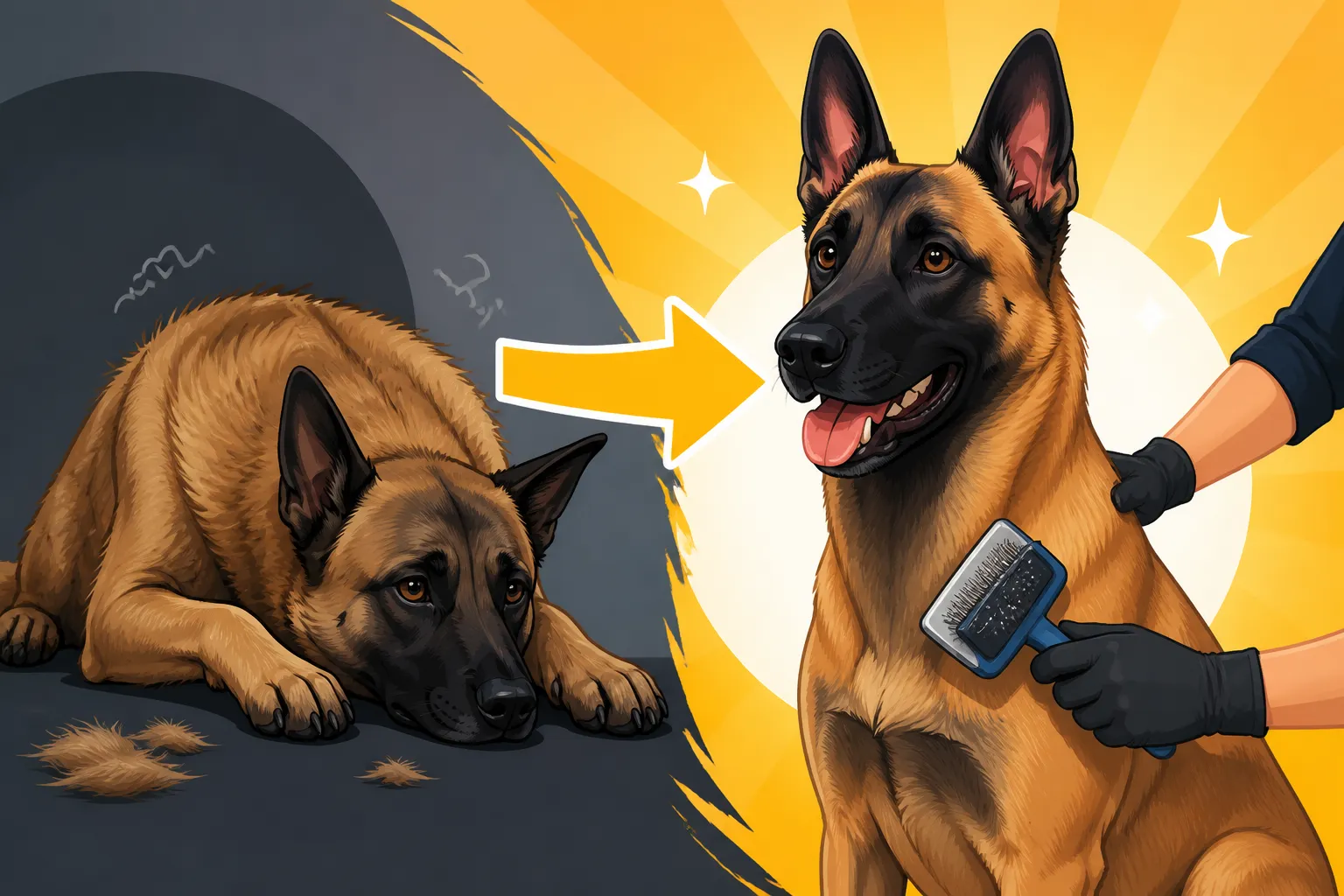
A retired Malinois, spending more time lounging indoors, might not shed loose undercoat as effectively. The short, dense double coat, which was once a low-maintenance marvel in the field, can start to hold onto more dead hair, leading to increased shedding indoors, skin irritation from trapped hair, or even a duller appearance. You might notice more hair on your furniture than when they were actively working. Their skin may also become a bit drier without the constant stimulation and oil distribution that comes with vigorous activity. Furthermore, any changes to their diet that often accompany retirement, such as reducing caloric intake, can also impact coat quality if not balanced correctly. It’s not that they suddenly have a "bad" coat, but rather that the dynamics of keeping it healthy have shifted, requiring more direct intervention from you.
Age-Related Grooming Challenges
Just like us, dogs experience physical changes as they age, and these changes directly influence how we should approach their grooming. A retired Malinois, likely entering their senior years, might have developing arthritis, especially in their hips, elbows, or spine. This means they might find it painful to stand for extended periods, or to be positioned in certain ways. What was once a quick, effortless brush might now become a delicate dance around sore joints. Arthritis in a Belgian Malinois at Nine is a common concern that directly impacts grooming comfort.
Their skin might become thinner, more sensitive, or develop age spots or benign lumps. These require extra gentleness during brushing and bathing. Hearing and vision might also decline, making them more easily startled by sudden movements or noises during grooming. They might not be as tolerant of restraint or unfamiliar tools. You might also notice their nails becoming thicker and harder, making trimming more challenging, or their paw pads becoming less resilient. Being aware of these potential physical limitations is paramount. You want every grooming session to be a positive, comfortable experience, not a source of pain or anxiety. It’s about adapting your routine to their new reality, treating them with the extra care and patience they've certainly earned.
Essential Grooming Practices for the Retired Belgian Malinois
Transitioning your Malinois into retirement grooming isn't about doing less, but often about doing things differently, with more consistency and gentle attention. Their short, dense coat, while not prone to severe matting like some long-haired breeds, still benefits immensely from regular care, especially when their active lifestyle is no longer providing that natural upkeep.
Daily Brushing and Coat Maintenance
Daily brushing becomes your secret weapon against excessive shedding, dull coats, and potential skin issues in a retired Malinois. While a working Malinois might get by with less, a sedentary one can quickly accumulate dead hair in their dense undercoat. Start with a good quality slicker brush to remove loose topcoat hair and stimulate the skin. Follow this with an undercoat rake or a deshedding tool – these are absolute game-changers for a double-coated breed like the Malinois, even with their short hair. The goal isn't to strip their coat, but to gently remove the dead undercoat that would otherwise end up all over your home. For example, a reliable deshedding tool found on Amazon can drastically reduce the amount of hair floating around. You can explore options like Furminator or similar brands. When brushing, always work in the direction of hair growth, using short, gentle strokes. Pay particular attention to areas where friction might occur, like behind the ears, under the legs, and around the tail, though these spots are less problematic on a short-coated Malinois than on a long-haired breed.
During these brushing sessions, it’s not just about the coat; it's a prime opportunity for a full-body health check. Run your hands over their entire body, feeling for any new lumps, bumps, or tender spots. Check for fleas or ticks, especially if they still enjoy walks in grassy areas. Look for any skin irritations, redness, or dryness. Consistency is key here. A few minutes every day will be far more effective and less stressful than trying to tackle a massive shed once a week. Moreover, daily brushing helps distribute natural skin oils, promoting a healthy sheen. If you’re wondering Which Rake Pulls a Malinois's Coat Out Fastest, it's often a good quality undercoat rake with rotating teeth that can gently de-shed without pulling healthy hair or scratching the skin.
Bathing and Skin Care Considerations
Bathing a retired Malinois often needs to be a more thoughtful affair. While working dogs might have needed frequent baths due to dirt and grime from the job, a less active, older Malinois might not need them as often, perhaps every 4-6 weeks, or when visibly dirty. Over-bathing can strip natural oils, leading to dry, itchy skin, which is even more uncomfortable for an older dog.
When you do bathe them, use a high-quality, gentle dog shampoo. For older dogs with potentially drier or more sensitive skin, an oatmeal-based or hypoallergenic shampoo can be very soothing. If you notice any skin issues, like persistent itching or dryness, consult your vet about a medicated shampoo. There are excellent options available from places like Chewy that cater to sensitive skin. Be sure to rinse thoroughly – residual shampoo can cause irritation. As for drying, towel-dry as much as possible, then use a low-heat setting on a dog-specific blow dryer or simply let them air dry in a warm, draft-free room. Older dogs can get chilled easily, so ensure they are completely dry before being exposed to cold. Towel Drying a Malinois in Cold Weather is a crucial step to prevent them from getting sick. Pay attention to any new skin tags or lesions you might find during bathing; these should be mentioned to your vet during their next check-up.
Nail, Paw, and Ear Care
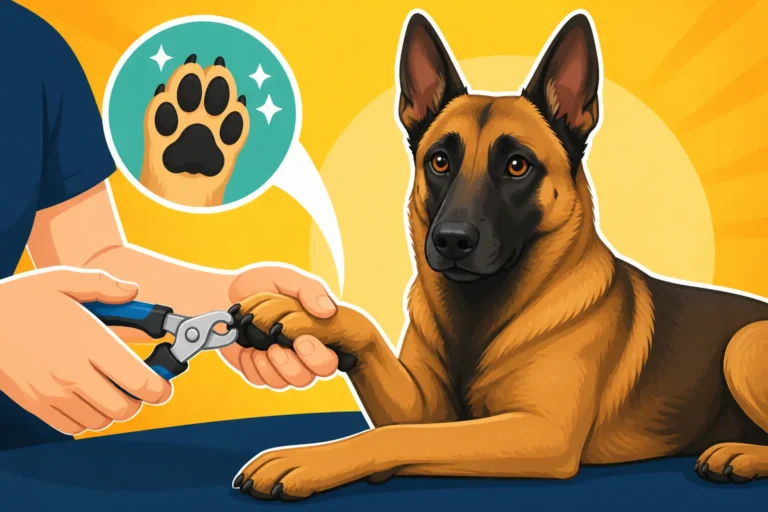
For a retired Malinois, nail care becomes even more critical. When they were working, hard surfaces and intense activity often helped wear down their nails naturally. With less running and impact, their nails can quickly become overgrown, leading to discomfort, splayed toes, and even joint problems. Long nails can alter their gait, putting unnecessary stress on their joints, which is especially detrimental for an older, potentially arthritic dog. Aim to trim their nails every 2-4 weeks, or as needed.
Use sharp clippers designed for large dogs or a Dremel tool. Many Malinois tolerate a Dremel better as it grinds the nail down gradually, reducing the risk of cutting into the quick. Make these sessions calm and positive, offering treats and praise. For those who struggle with their dog's resistance to nail trims, you might be interested in learning tips on Getting a Malinois to Hold Still for Nail Trims. Beyond nails, regularly check their paw pads. Are they cracked, dry, or unusually soft? Apply a dog-safe paw balm to keep them supple, especially if they're walking more on concrete or indoors on slick surfaces.
Ear care for a Malinois, with their erect ears, is generally straightforward. They tend to have good air circulation, which reduces the risk of ear infections. However, still check their ears weekly for redness, odor, or excessive wax buildup. A gentle wipe with a vet-approved ear cleaner can keep them fresh. If you notice any signs of infection, such as head shaking, scratching, or a strong odor, it's time for a vet visit.
Adapting Grooming for Comfort and Health in Senior Malinois
Grooming a senior Belgian Malinois is as much about psychological comfort as it is about physical care. As they slow down, their patience might wane, and old aches and pains can make routine tasks more challenging. Your approach needs to be one of gentle understanding and keen observation.
Creating a Low-Stress Grooming Environment
Making grooming a positive experience for your retired Malinois is paramount. They’ve given you years of dedication and hard work; now it’s your turn to make their golden years as comfortable as possible. This means transforming grooming sessions from a chore into a calm, reassuring ritual. Choose a quiet, familiar space where they feel safe and where distractions are minimal. Perhaps a comfortable mat in the living room rather than a cold, slick bathroom floor. Use non-slip mats on any surfaces they need to stand on, to prevent slips and falls that could exacerbate joint pain.
Keep your grooming sessions short, especially at first. Instead of trying to do everything at once, break it down into manageable chunks. Five minutes of gentle brushing in the morning, another five in the evening, rather than one long, potentially tiring session. Use positive reinforcement liberally: gentle praise, their favorite soft treats, and comforting pets. If they tolerate it, a gentle massage can also be incorporated to soothe tired muscles. If you know certain areas are sensitive due to arthritis or old injuries, approach them with extreme caution and communicate with your dog. Watch for subtle cues of discomfort like tensing, turning their head away, or sighing. If they show discomfort, stop, reassure them, and try again later or move to a different area. Consistency with positive interactions can turn grooming into a cherished bonding time.
Monitoring for Health Changes During Grooming
Grooming sessions are an invaluable opportunity for a hands-on health check that can catch potential issues early. As you brush and handle your retired Malinois, you're not just tidying their coat; you're conducting a thorough, head-to-tail physical exam. Feel for any new lumps or bumps under the skin – while many are benign fatty tumors (lipomas) common in older dogs, some can be more serious. Catching Lumps Worth Aspirating on a Belgian Malinois early can make a significant difference in treatment and prognosis. Don't just feel on the surface; gently palpate their muscles and bones for any swelling, warmth, or pain, which could indicate underlying joint issues or injury.
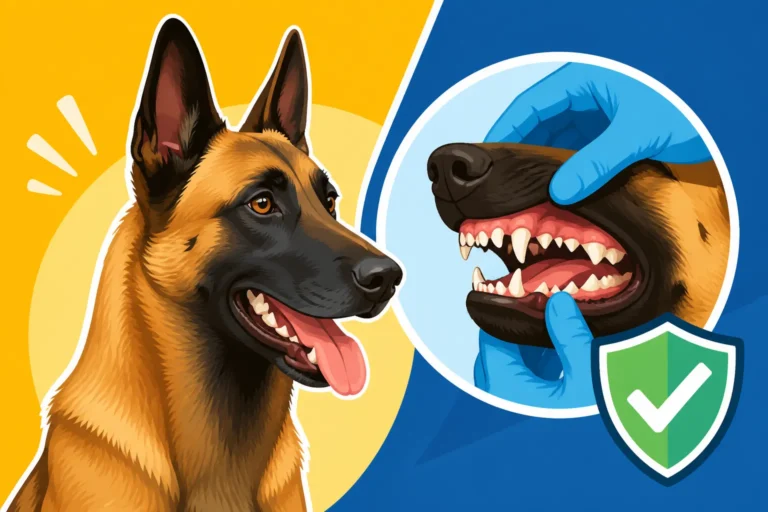
Examine their eyes for any discharge, cloudiness, or irritation. Look at their gums and teeth for signs of dental disease, such as redness, swelling, tartar buildup, or bad breath, which can be a source of discomfort and systemic health issues. Check their paw pads for cuts, cracks, or foreign objects embedded. Observe their overall body condition: are they maintaining a healthy weight, or are they losing muscle mass? Are there any changes in their skin like excessive dryness, flakiness, or redness, which could indicate allergies or other dermatological problems? These regular, intimate checks allow you to establish a baseline for your dog's health, making it easier to spot deviations and seek veterinary attention promptly. Your groomer's eye can truly be an extension of your vet's care.
Seeking Professional Assistance
Sometimes, despite your best efforts, grooming a retired Malinois becomes too challenging at home. This is especially true for dogs with significant arthritis who struggle to stand, or those who become more anxious or defensive about being handled as they age. Don't view seeking professional help as a failure; it's a responsible choice for your dog's comfort and safety, and yours.
Professional groomers often have specialized equipment like hydraulic grooming tables that can be lowered for easy access, reducing the strain on your dog's joints as they step on and off. They are also skilled in handling dogs with various temperaments and physical limitations, employing gentle techniques and knowing how to safely maneuver a senior dog. Many groomers offer specific "senior dog" grooming packages, which focus on shorter, less stressful sessions and extra comfort measures. For example, a local professional groomer might be accustomed to the nuances of handling working breeds like Malinois, making the experience smoother. They can also often spot skin conditions or other health concerns that you might miss, providing another layer of vigilance. It’s also worth noting that if your Malinois has a history of reactivity or strong guarding tendencies, finding a groomer experienced with such temperaments is crucial. Handling a Belgian Malinois at the Groomer requires someone who understands their specific needs and doesn't push them past their limits.
Nutritional Support and Environmental Factors for Coat Health
While hands-on grooming is crucial, the health of your retired Malinois's coat and skin is also deeply intertwined with their overall health, particularly their diet and environment. Grooming from the outside in is only half the battle; supporting their body from the inside out is just as vital.
Diet's Role in a Healthy Coat
A healthy coat begins in the gut, and this remains true for a retired Malinois. As their activity levels decrease, their caloric needs change, but their nutritional requirements for skin and coat health remain important, if not more so, as their body ages. A diet rich in high-quality protein, essential fatty acids (especially Omega-3s and Omega-6s), and vitamins (like Vitamin E and B vitamins) is fundamental.
If your Malinois was on a high-performance working dog formula, you might need to transition them to a senior-specific diet or a less calorically dense adult formula. However, ensure that this new diet still provides excellent nutritional support. Brands like Ollie or other reputable fresh food options often provide well-balanced meals that can be particularly beneficial for senior dogs, promoting healthy skin and a shiny coat. Many senior formulas also include joint-supporting ingredients like glucosamine and chondroitin, which benefit both their mobility and indirectly their ability to move comfortably during grooming. Omega fatty acids, found in fish oil supplements, are particularly beneficial for skin hydration and reducing inflammation, which can manifest as dry, flaky, or itchy skin. You might find that Whether Omega Oils Calm a Malinois's Skin is a question many senior Malinois owners explore, and often, the answer is yes. Discuss any dietary changes or supplements with your veterinarian to ensure they are appropriate for your individual dog's health needs and any existing medical conditions.
Environmental Impact on Skin and Coat
The environment your retired Malinois lives in can also significantly impact their skin and coat health. A Malinois that once spent hours outdoors might now be primarily an indoor dog, and this shift in environment brings different considerations. Indoor air, especially in climates with harsh winters or dry summers where heating or air conditioning is constantly running, can be very dry. This can lead to dry skin and a dull coat, potentially exacerbating any existing skin sensitivities.
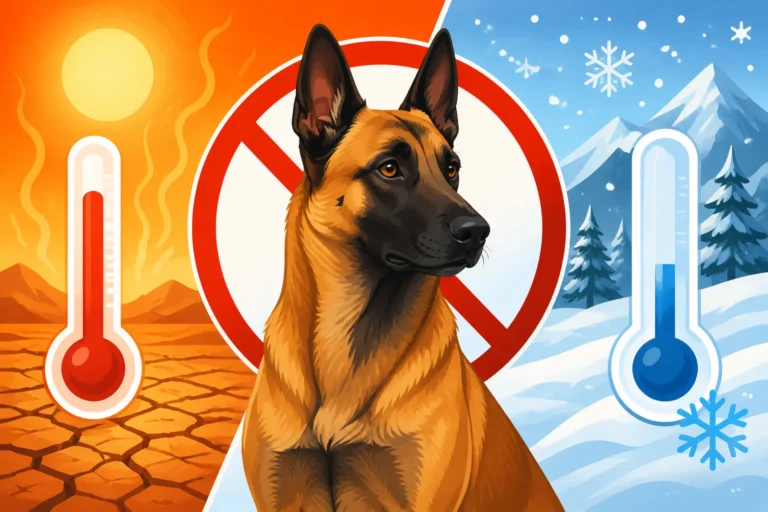
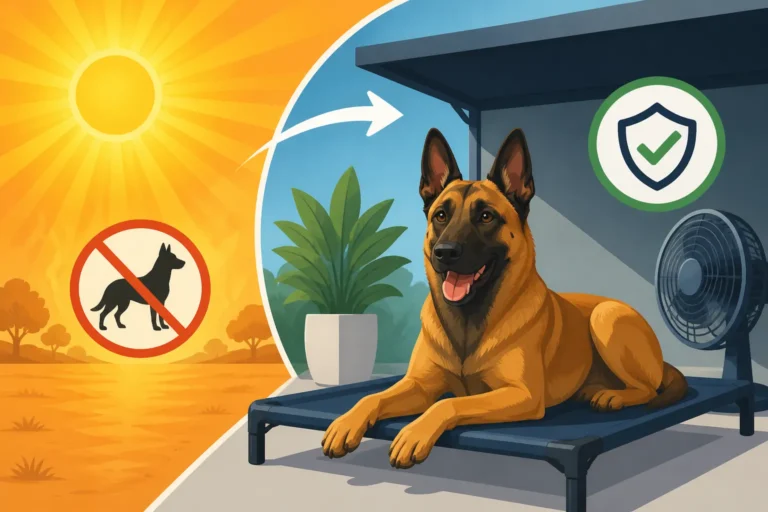
Consider using a humidifier in your home, especially in the room where your Malinois spends most of their time, to add moisture to the air. Their bedding also plays a role. Ensure they have comfortable, clean bedding that supports their joints. Beds an Arthritic Malinois Can Get Out Of are crucial for a senior dog's comfort. Look for orthopedic beds with supportive foam that can be easily washed to keep allergens and dirt at bay. Avoid harsh cleaning products or strong air fresheners in your home that could irritate their sensitive skin or respiratory system. Regular vacuuming helps to minimize dander and loose hair, further contributing to a cleaner, healthier environment for both you and your Malinois. Protection from extreme temperatures is also important, as an older dog may have a harder time regulating their body temperature, which impacts overall skin and coat health.
Grooming Tools for a Retired Belgian Malinois
To help you visualize the necessary tools, here’s a quick overview of what you’ll likely need in your grooming kit for a retired Malinois:
| Tool | Purpose | Usage Frequency | Key Considerations |
|---|---|---|---|
| Soft Slicker Brush | Removes loose topcoat hair, stimulates skin. | Daily | Gentle bristles, appropriate size for your Malinois. |
| Undercoat Rake | Removes dead undercoat, prevents matting. | 3-4 times/week | Rotating teeth are gentler; use carefully to avoid scratching skin. |
| Deshedding Tool | Deeply removes shedding undercoat. | 1-2 times/week | Can be very effective; don't overuse to prevent coat damage. |
| Dog Shampoo/Conditioner | Cleans coat, moisturizes skin. | Every 4-6 weeks | Hypoallergenic, oatmeal-based, or vet-prescribed for sensitive skin. |
| Large Nail Clippers | Trims overgrown nails. | Every 2-4 weeks | Keep sharp; ensure comfort for arthritic dogs. |
| Dremel/Nail Grinder | Smooths and shortens nails; often better tolerated than clippers. | Every 1-2 weeks | Introduce slowly with positive reinforcement. |
| Paw Balm | Protects and moisturizes paw pads. | As needed | Natural ingredients, safe if licked. |
| Ear Cleaner | Cleans ear canal, prevents infections. | Weekly/As needed | Vet-approved formula, gentle cotton balls. |
| Soft Towels | Absorbs water after bathing. | Post-bath | Ensure quick drying to prevent chilling. |
| Grooming Mitt/Glove | Gentle massage, picks up loose hair on sensitive dogs. | Daily | Good for bonding and light hair removal. |
Remember, the goal is always comfort and health. Adapting your grooming routine as your loyal companion ages is a small way to show your immense gratitude for their years of service and companionship. It ensures their retirement is filled with as much comfort and dignity as possible, allowing them to enjoy their golden years to the fullest.
Disclaimer
This article is for general informational purposes only and does not constitute professional advice. Laws, prices and regulations vary by location and change over time. Consult a qualified professional for guidance on your specific situation.