The Belgian Malinois in Airport Detection Work
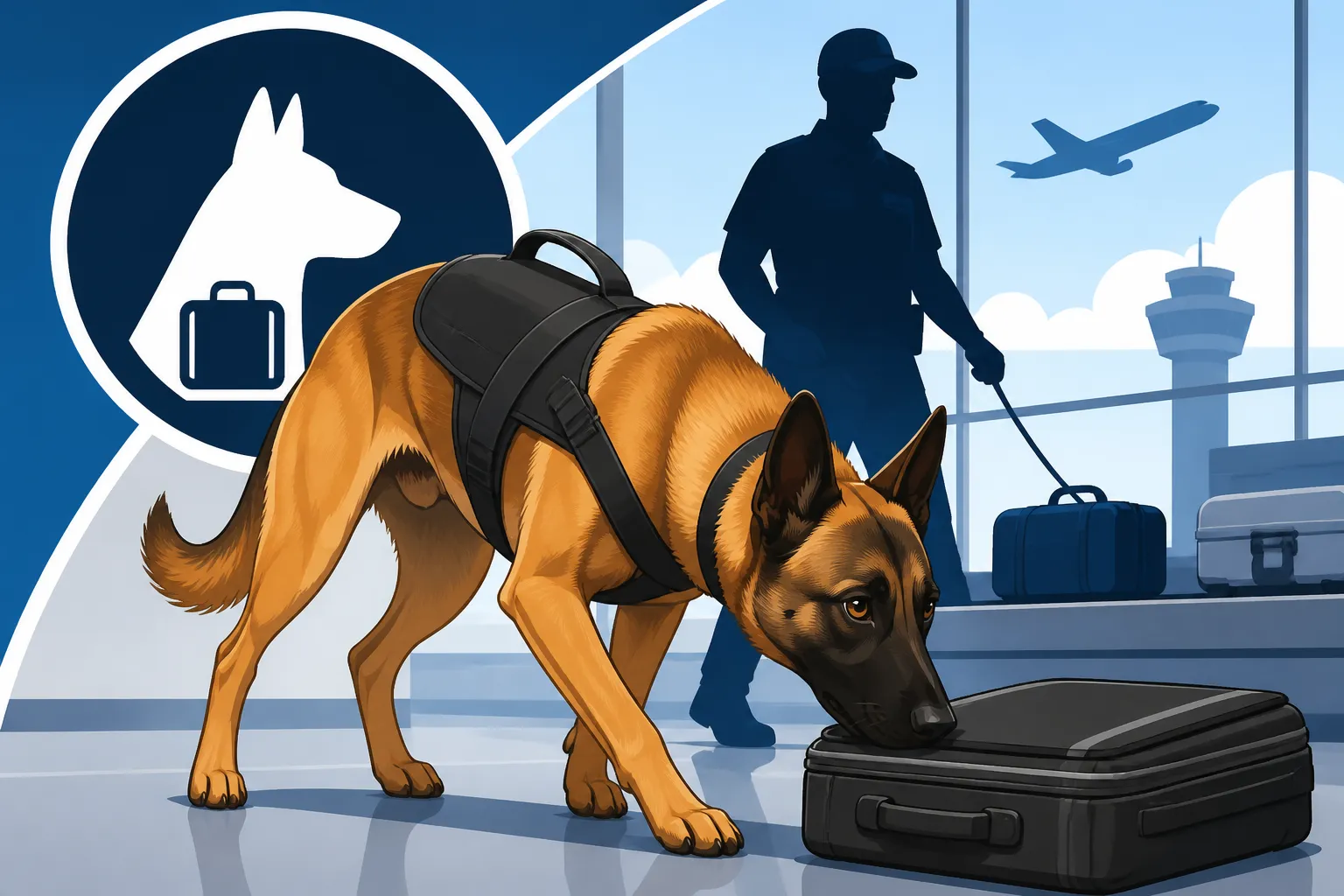
Walking through a busy airport, it's easy to get caught up in the rush of travel, but have you ever paused to notice the calm, focused presence of a working dog and its handler? These incredible animals play an absolutely critical role in keeping us safe, often sniffing out dangers that human eyes or machines might miss. For anyone curious about the specific abilities and intense dedication required, this guide will delve deep into the world of the Belgian Malinois in airport detection work, uncovering why this breed has become indispensable to national security.
Why the Belgian Malinois Excels in Detection Work
The Belgian Malinois is a breed that consistently rises to the top when it comes to demanding working roles, and airport detection is no exception. Their unique blend of physical prowess, mental acuity, and relentless drive makes them perfectly suited for the intense, high-stakes environment of a bustling airport. It’s not just about a strong nose; it’s about the entire package.
Unmatched Drive and Focus
What truly sets a Malinois apart is their almost insatiable drive. These aren't dogs content to laze on the couch all day; they thrive on having a job to do. This inherent desire to work, to please their handler, and to pursue a task to completion translates into incredible focus, even amidst the chaos of an airport terminal. Think about it: hundreds of people, luggage carts clattering, announcements blaring, food smells wafting – it's a sensory overload. Yet, a properly trained Malinois can tune out these distractions with remarkable ease, locking onto their scent work with unwavering intensity. This isn't just a casual interest; it's a deep-seated instinct that allows them to perform repetitive detection sweeps for extended periods without losing enthusiasm or precision. They treat their "job" like the most exciting game, and that drive is what keeps them going, hour after hour. This intense engagement is what breeders often select for, ensuring that the puppies coming from these lines have that innate spark to work. Whether a Belgian Malinois Was Always This Driven touches on this historical predisposition.
Exceptional Scenting Ability
Beyond their drive, the Malinois possesses an incredibly refined sense of smell. While all dogs have superior olfactory capabilities compared to humans, the Malinois takes it to another level, particularly when coupled with their incredible work ethic. Their noses are highly sensitive, capable of detecting minute traces of specific substances that might be masked by other odors or hidden deep within luggage or cargo. This isn't just about identifying a single scent; it's about discriminating between countless smells in a complex environment. They are taught to identify a target odor, whether it's an explosive component or a narcotic, and then to alert their handler to its presence, often with a subtle "sit" or "down" signal that doesn't alarm the public. This precision requires not only a keen nose but also immense self-control and clarity in communication. The training to harness this natural ability is extensive, transforming a powerful instinct into a reliable, life-saving skill.
Diverse Detection Roles in Airport Security
When you see a K9 team at the airport, you might immediately think of drugs or bombs, and you wouldn't be wrong. However, the detection capabilities of a Belgian Malinois extend far beyond those obvious categories, encompassing a range of critical tasks designed to safeguard national interests and public health.
Explosives Detection
Without a doubt, explosives detection is one of the most vital and high-pressure roles an airport K9 can undertake. These dogs are specifically trained to sniff out a wide array of explosive compounds, from common military-grade materials to more exotic substances. Their work is often proactive, sweeping terminals, cargo areas, vehicles, and even passengers themselves to ensure no dangerous devices are present. The stakes are incredibly high, and their accuracy can mean the difference between life and catastrophe. Training for this role involves exposing them to various explosive scents in controlled environments, teaching them to identify these odors regardless of their concentration or how well they are concealed. This process of teaching them what not to alert on, known as proofing, is equally important. Explosives Detection Training for a Belgian Malinois is a deep dive into how this specialized training unfolds, demonstrating the immense commitment required.
Narcotics and Contraband Detection
Another prominent role for Malinois at airports is the detection of illegal drugs and other contraband. Smugglers go to great lengths to hide narcotics, often using elaborate packaging or chemical masks to try and fool human inspectors. A Malinois, however, can often cut through these attempts, zeroing in on the distinct scent of illegal substances. This might involve checking luggage on a conveyor belt, scanning parcels in a mail facility, or even performing targeted searches on individuals. Their ability to work quickly and efficiently means they can screen a large volume of items, significantly increasing the chances of interception. This is a constant game of cat and mouse, where the dogs are continuously trained on new and emerging threats to stay ahead of illicit operations. The intensity of this work requires significant mental stamina from the dog. Starting a Belgian Malinois on Narcotics Detection covers the initial phases of this crucial training.
Agricultural and Currency Patrols
While perhaps less dramatic than bomb or drug detection, agricultural and currency detection teams play a crucial role in protecting national economies and ecosystems. Agricultural K9s are trained to sniff out prohibited plants, fruits, meats, and insects that could introduce diseases or pests harmful to local agriculture. Imagine the devastation if a foreign pest were to establish itself due to a smuggled fruit – these dogs prevent such scenarios. Similarly, currency detection dogs are invaluable in the fight against money laundering and other financial crimes, identifying large sums of undeclared cash being transported across borders. These roles require the same precision and focus as other detection tasks, albeit with different target odors. The silent, diligent work of these Malinois teams often goes unnoticed by the public but forms a vital layer of protection for broader societal interests.
The Rigorous Training of an Airport K9
It’s easy to admire these dogs in action, but the journey from a spirited puppy to a highly specialized airport detection K9 is long, arduous, and incredibly expensive. It demands commitment from both the dog and its handler, forging an unbreakable bond built on trust and mutual understanding.
Early Socialization and Foundation Skills
The training of an airport Malinois often begins when they are very young puppies. Breeders specifically select puppies with high drive, strong nerves, and excellent scenting potential from proven working lines. From the moment they arrive, these pups undergo extensive socialization to prepare them for the bustling, unpredictable environment of an airport. This isn't just about meeting people; it's about exposure to loud noises, strange surfaces, confined spaces, and diverse crowds, all while building confidence and resilience. Alongside socialization, foundational obedience commands are instilled, but with a twist: they are taught in a way that fuels the dog's drive rather than stifles it. Play is a huge motivator, and everything is framed as a rewarding game. During this critical growth phase, it’s vital that puppies receive appropriate nutrition to support their rapid development, which often means high-quality puppy food and perhaps some supplements. Many handlers source these kinds of specialized diets and even sturdy, appropriate toys for early training from reputable online retailers like Chewy.
Scent Discrimination and Proofing
Once a solid foundation is established, the real scent work begins. Puppies are introduced to target odors through positive reinforcement, often associating the scent with a favorite toy or treat. This process gradually progresses, making the task more complex by hiding the scent in various locations, at different heights, and in diverse containers. Crucially, the dogs are taught to ignore distractor scents, a process known as proofing, which is vital in a cluttered environment like an airport where food, perfumes, and other strong smells are abundant. They learn to ignore everything except their target. This training is relentless and methodical, building the dog's drive for the target scent to an almost obsessive level. They learn to communicate their finds with a clear, passive alert (like sitting or lying down), which is safer and less disruptive in public areas. This intensive training ensures that when an airport Malinois is working, it's not just sniffing randomly, but actively and accurately seeking out specific target odors. The Structure a Belgian Malinois Needs Every Day plays a significant role in mastering these complex behaviors.
Certification and Ongoing Education
Becoming an operational airport detection K9 is not a one-time achievement. Before deployment, both the Malinois and its handler must pass rigorous certification tests administered by federal agencies or recognized professional organizations. These tests simulate real-world scenarios, demanding flawless performance under pressure. However, certification is just the beginning. The world of threats constantly evolves, requiring these teams to undergo continuous training and re-certification. This ongoing education ensures they remain proficient with existing target odors and are quickly introduced to new ones as threats emerge. Handlers regularly attend workshops, seminars, and specialized training sessions, often engaging with experienced decoys and trainers to keep their skills sharp. This dedication to perpetual learning is a testament to the gravity of their role and the commitment of the agencies and handlers to maintaining the highest standards of security.
Daily Life and Care for an Airport K9
The life of an airport detection Malinois is far from ordinary. These are elite athletes and dedicated professionals, and their daily routines, nutrition, and veterinary care are meticulously managed to ensure they can perform at their peak for many years.
Optimized Nutrition and Physical Conditioning
A working Malinois burns an incredible amount of energy, both physically and mentally. Their diet is a critical component of their performance and longevity. Most airport K9s are fed high-quality, high-protein performance dog food specifically formulated for active breeds. The exact portions and feeding schedule are carefully calibrated by their handlers and veterinarians to maintain optimal body condition – lean, muscular, and ready for action. Supplements for joint health, antioxidants, and essential fatty acids are also common, given the physical demands of their job, especially if they are frequently jumping or navigating uneven terrain. Feeding a Malinois That Is Never Not in Drive provides insight into how crucial this dietary management is. In addition to nutrition, regular physical conditioning is non-negotiable. This isn't just about walks; it includes structured exercise like running, jumping, swimming, and agility work to keep their muscles strong, their joints flexible, and their stamina high. Finding the right balance of exercise, nutrition, and downtime is a constant management task for the handler. For specialized diets, joint supplements, or even heavy-duty feed bowls designed for working dogs, many handlers rely on stores like Chewy for convenient and reliable access to these essential products.
Specialized Veterinary Care
Working dogs, especially those in high-stress roles like airport detection, require a proactive and comprehensive veterinary care plan. Regular check-ups are paramount, often more frequent than for a typical pet. This includes annual blood panels to monitor organ function, specialized orthopedic examinations to check for any signs of strain or injury to their hips, elbows, or spine, and routine dental care to ensure their bite remains strong and healthy. The Bloodwork a Working Malinois Should Have Annually details the specific diagnostic measures taken to keep these dogs in top shape. Given their exposure to various environments and potential stressors, immunizations and parasite prevention are meticulously managed. Any minor limp, cough, or behavioral change is immediately investigated, as even a small issue can impact their ability to work. Handlers often have a close relationship with veterinarians who specialize in working dogs, understanding the unique demands and potential health concerns specific to breeds like the Malinois.
Mental Stimulation and Downtime
Even the most driven Malinois needs downtime. While their work is mentally stimulating, it's also incredibly demanding and can be stressful. Handlers are acutely aware of the need to provide appropriate mental stimulation off-duty, as well as genuine relaxation. This might include puzzle toys, engaging chew items from retailers like Chewy, or simply quiet time with their handler. The relationship between an airport K9 and its handler is a 24/7 partnership; they often live together, creating a deep bond that allows the dog to decompress. A well-rested Malinois is a focused Malinois, so ensuring they have a comfortable, safe space to sleep and truly relax is part of their overall care strategy. This balance prevents burnout and keeps their drive and enthusiasm for work consistently high.
Challenges and Rewards of Airport Detection Work
The life of an airport Malinois K9 team is one of profound challenges and immense rewards. It's a testament to the dedication of both the dog and the handler, and it offers a unique perspective on the critical role these animals play in our society.
Navigating a High-Stress Environment
Airports are inherently high-stress environments, even for humans. For a dog, the constant barrage of novel sights, sounds, and smells can be overwhelming. The noise of jet engines, the crowds of rushing people, the unfamiliar smells of diverse international cuisine, and the ever-changing array of luggage can all be potential stressors. A Malinois K9 must learn to operate calmly and effectively amidst this chaos, maintaining its focus on the task at hand. They must be comfortable working in tight spaces, on moving walkways, and through security checkpoints, all while remaining approachable and non-threatening to the public. Whether a Belgian Malinois Handles Loud Environments explores this specific challenge in detail. This requires exceptional nerve strength and extensive desensitization training from a young age, carefully building their resilience to external stimuli.
The Unbreakable Bond with Their Handler
Perhaps the most defining aspect of an airport K9 team is the extraordinary bond between the Malinois and its handler. This isn't just a pet-owner relationship; it's a deep, symbiotic partnership built on countless hours of training, shared experiences, and absolute trust. The handler is the dog's entire world, its guide, its protector, and its playmate. The Malinois, in turn, offers unwavering loyalty, boundless enthusiasm, and a profound commitment to its work. This bond is the foundation of their success, allowing for seamless communication, often with subtle cues that are imperceptible to outsiders. The dog learns to read its handler's intentions, and the handler learns to interpret every nuance of the dog's body language, anticipating its needs and responses. This mutual understanding is what enables them to operate as a single, highly effective unit, and it's a relationship that most working dog handlers cherish deeply.
Public Perception and Education
The sight of a working Malinois at an airport often elicits a mix of admiration, curiosity, and sometimes, a little apprehension from the public. While many people appreciate the security they provide, some may not fully understand their role or how to interact around them. Handlers often take opportunities to educate the public, explaining that these dogs are working and should not be distracted, petted, or fed. It's a delicate balance: maintaining the dog's focus while also being a visible, reassuring presence. Campaigns and public awareness initiatives help to foster a greater understanding of the invaluable contribution these K9 teams make. This public interaction is an important part of the job, and both the Malinois and handler are trained to navigate it gracefully, upholding the professional image of their agency and breed.
Detection Work Comparison Table
Here's a quick overview of some common detection tasks performed by Belgian Malinois at airports:
| Detection Type | Primary Target | Potential Hiding Spots | Why Malinois Excel Here |
|---|---|---|---|
| Explosives | Various compounds used in IEDs | Luggage, cargo, vehicles, body cavities, unattended items | High drive, exceptional scent discrimination, passive alert |
| Narcotics | Cocaine, heroin, marijuana, methamphetamine, etc. | Luggage, mail, body searches, interior/exterior of vehicles | Persistent searching, ability to detect subtle, masked odors |
| Currency | Large amounts of paper currency | Pockets, bags, false bottoms in luggage, hidden compartments | Focus on specific chemical compounds in currency, thoroughness |
| Agriculture | Prohibited plants, fruits, meats, insects | Incoming baggage, personal items, parcels | Wide scent profile training, crucial for environmental protection |
| Firearms | Gunpowder, lubricants, metal components | Luggage, cargo, clothing, vehicles | Combination of scent detection (powder) and object recognition (metal) |
Disclaimer
This article is for general informational purposes only and does not constitute professional advice. Laws, prices and regulations vary by location and change over time. Consult a qualified professional for guidance on your specific situation.