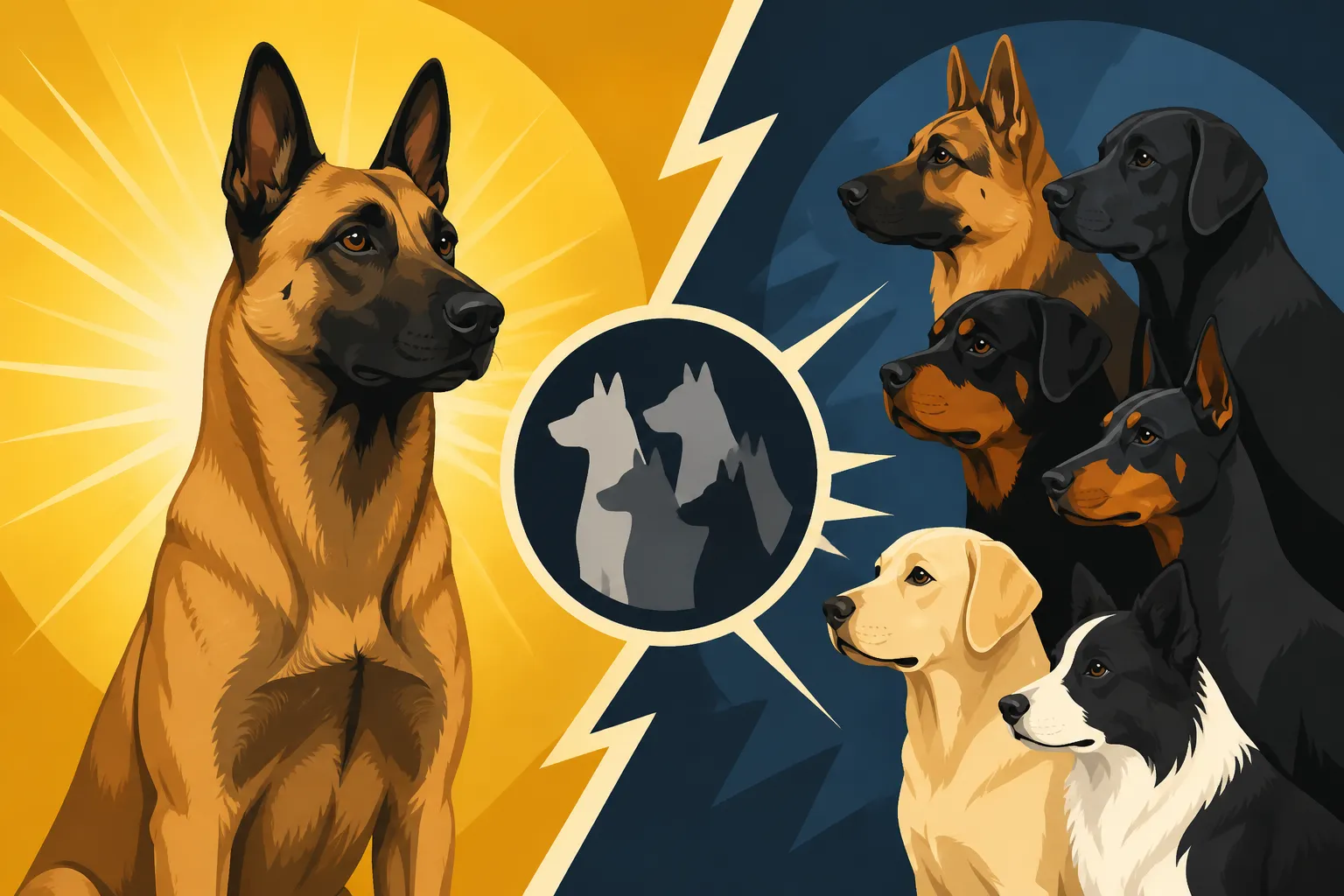
Whether the Malinois Outnumbers the Other Varieties
It's a common observation for many folks interested in the incredible Belgian Shepherd dogs: you see a lot of Malinois out there, and sometimes it feels like the other varieties are almost mythical. You might wonder if you’re just seeing things, or if the Malinois truly has eclipsed its cousins in popularity and sheer numbers. This guide is here to shed some light on that very question, helping you understand the dynamic within the Belgian Shepherd family and why the Malinois seems to dominate the conversation.
Understanding the Belgian Shepherd Family: Four Distinct Coats, One Shared Heritage (Mostly)
Before we dive into the numbers, it’s crucial to understand that the Belgian Malinois isn't just a singular breed; it's one of four distinct varieties of Belgian Shepherd Dogs, all originating from Belgium. This family connection is often a source of confusion, even for seasoned dog enthusiasts, because while they share a common ancestor and many fundamental traits, their appearances and levels of public recognition can be drastically different.
The Quadruple Threat: Malinois, Tervuren, Groenendael, and Laekenois
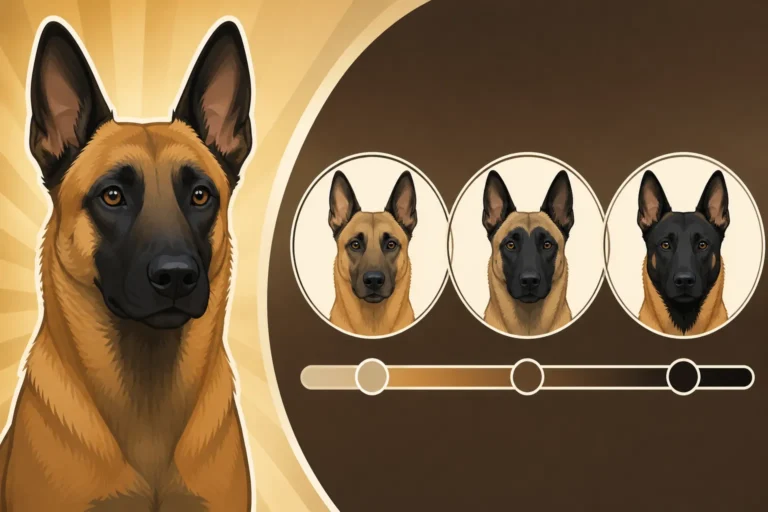
Imagine a family reunion where everyone shares the same last name and genetic predispositions, but each cousin has their own unique style and personality that makes them stand out. That's a pretty good analogy for the Belgian Shepherds. You've got the short-coated, often fawn-colored Malinois; the long-coated, also fawn-colored Tervuren; the long-coated, solid black Groenendael; and the wire-haired, rustic Laekenois. They are all brilliant, active, and intensely loyal dogs, but their coats are what historically defined their separation into distinct varieties. It's a fascinating bit of history, really, and for a deeper dive into their origins, you might find The Four Belgian Varieties the Malinois Belongs To incredibly insightful.
The frustration often comes when people only recognize the Malinois, assuming any "Belgian Shepherd" is automatically that dog they saw in a movie or working with law enforcement. It can be hard to explain to well-meaning friends that your long-haired black dog isn't "just a German Shepherd mix," but a purebred Groenendael with a rich heritage of its own. It's a struggle for the other varieties to step out of the Malinois's shadow.
The Historical Context of Their Divergence
Back in the late 19th century, Belgian veterinarians and fanciers gathered to standardize these working dogs. Their goal was to preserve the native shepherd dog types, which were then quite varied. The initial classification was primarily based on coat type, as genetic testing wasn't even a dream yet! This led to the creation of standards for the four varieties we know today. Over time, some kennel clubs, particularly in North America, made distinct breeds out of these varieties, while others, like the FCI (Fédération Cynologique Internationale) still consider them all varieties of a single breed: the Belgian Shepherd Dog. This is why you might hear about The 1959 Split That Made the Malinois Its Own Breed in the American Kennel Club, creating the distinct Malinois breed we recognize here.
This divergence, based mostly on aesthetics, eventually set the stage for how each variety would be perceived and utilized. The Malinois, with its short, easy-care coat, was often favored by working people who needed a dog that could endure all weather without needing extensive grooming, making them practical choices for herding and later, for more demanding roles.
The Rise of the Malinois: From Herding Fields to Global Superstars
There's no denying that the Malinois has become the most recognizable and, arguably, the most numerous of the Belgian Shepherd varieties in many parts of the world. This didn't happen by accident; it's a combination of specific functional traits, historical events, and a certain undeniable charisma that makes them impossible to ignore.
Functional Selection: Why the Malinois Stood Out
When it comes to raw, unadulterated working drive, the Malinois often takes the cake. They were originally developed as herding dogs, but even in those early days, their intense focus, lightning-fast reflexes, and incredible stamina set them apart. Over decades, breeders selected for these traits, often prioritizing working ability over strict adherence to show ring aesthetics. This relentless drive and intelligence made them exceptionally well-suited for demanding tasks beyond herding. You can learn more about The Herding Job the Belgian Malinois Was Built For to appreciate their foundational purpose.
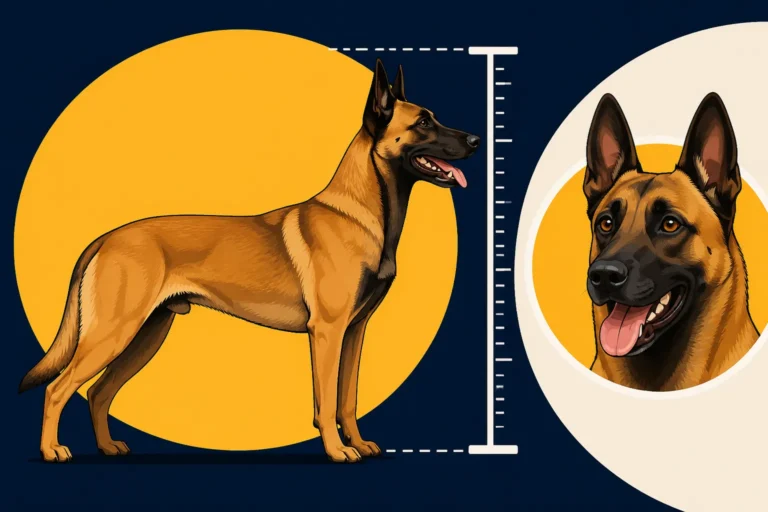
Their physical structure—lean, agile, and incredibly athletic—also contributes to their success in high-intensity roles. They're built for speed and endurance, making them perfect candidates for police, military, and protection sports. While the Tervuren and Groenendael share much of this underlying drive, their longer coats can be a disadvantage in certain environments or for handlers who prefer minimal grooming. The rugged Laekenois, with its wiry coat, also has immense working potential, but its relative rarity means it hasn't had the same widespread adoption.
Media Influence and the "Cairo Effect"
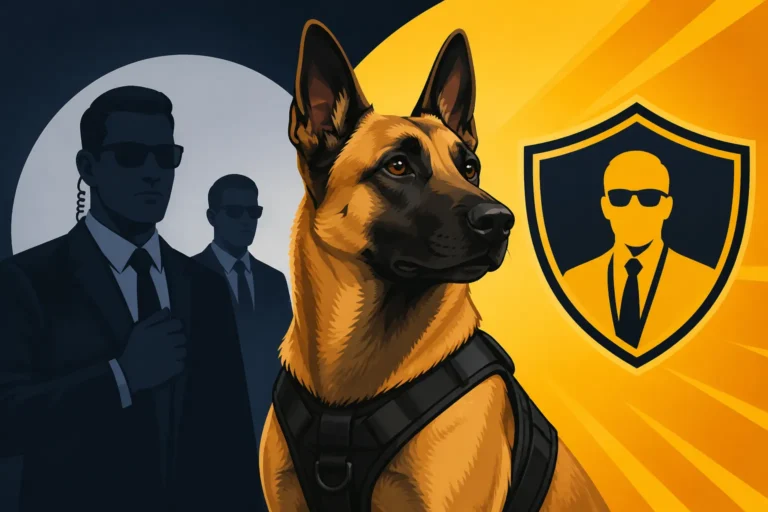
Let's be honest, nothing catapults a breed into the public consciousness quite like a starring role on the world stage. For the Malinois, this moment largely came with the global recognition of dogs like Cairo, the Belgian Malinois who participated in the raid on Osama bin Laden's compound. That single event, and the subsequent media coverage, cemented the Malinois's image as the ultimate military and police K9. Cairo and What One Raid Did to the Malinois is a fascinating read that details this impact.
Suddenly, everyone wanted a "Navy SEAL dog." This surge in visibility, while a testament to the breed's capabilities, also led to a significant increase in demand, often from individuals completely unprepared for the reality of owning such an intense animal. The media often focuses on their heroic deeds without fully explaining the decades of dedicated training, specific breeding, and handler expertise required to mold these dogs into such incredible partners. It created a perception that was both awe-inspiring and, frankly, misleading for the average pet owner. This is also why How the Belgian Malinois Took Over Police Work is such an important topic to explore, as it explains their journey into these demanding roles.
Examining the Numbers: Registration, Rescues, and Real-World Presence
So, does the Malinois truly outnumber the other varieties? The answer, based on available data and anecdotal evidence, is a resounding yes in many regions, particularly North America. But let's look at what "outnumber" really means and where these numbers come from.
Registration Trends: A Glimpse into Breed Popularity
The most common way to gauge a breed's popularity is through official kennel club registration statistics. Organizations like the American Kennel Club (AKC) publish annual rankings that reflect how many puppies of each breed are registered. While these numbers don't capture every single dog, they offer a reliable snapshot of trends. For years, the Belgian Malinois has consistently ranked significantly higher than the other three Belgian Shepherd varieties. This is directly addressed in Whether Belgian Malinois Registrations Are Still Climbing, which indicates a sustained interest.
It's a stark contrast: you might see the Malinois in the top 50 or 60 most popular breeds, while the Tervuren and Groenendael hover much lower, and the Laekenois remains quite rare, often among the least registered breeds. This disparity isn't just about personal preference; it reflects the market demand driven by the Malinois's public image and perceived utility. However, it's crucial to remember that registration numbers only tell part of the story. They don't account for dogs bred by working kennels that might not prioritize AKC registration, or for the sheer volume of "Malinois-type" dogs that end up in shelters due to uninformed purchases.
The Rescue Reality: A Different Kind of Popularity
One of the unfortunate side effects of a breed's skyrocketing popularity, especially for a high-drive working dog like the Malinois, is the inevitable influx into rescue organizations. When people buy a dog based on a cool movie or a perceived "tough dog" image, without truly understanding the breed's intense needs for mental and physical stimulation, the result is often a dog that is too much for them to handle. This leads to surrenders, and breed-specific rescues for Malinois are often overwhelmed.
This is a harsh reality, and it contrasts sharply with the lower numbers of Tervuren, Groenendael, or Laekenois you'll find in general rescue. While any breed can end up in a shelter, the sheer volume of Malinois, often under two years old, tells a story of impulse buys and unprepared owners. Organizations like Chewy and other pet supply retailers often carry resources for new dog owners, but even the best gear won't replace proper training and a realistic understanding of what you're bringing into your home. The article Why So Many Belgian Malinois Are Rehomed delves into this painful topic in detail. If you're considering any Belgian Shepherd, starting your research at a breed-specific rescue can offer a sobering, yet important, perspective on the commitment required.
| Belgian Shepherd Variety | Coat Type | General Color Palette | Relative Popularity (AKC/General) | Common Uses Today |
|---|---|---|---|---|
| Malinois | Short | Fawn to mahogany with black mask | Highest | Police, Military, Sport, Active Pet |
| Tervuren | Long | Fawn to mahogany with black mask | Moderate | Herding, Sport, Family Companion |
| Groenendael | Long | Solid Black | Moderate | Herding, Sport, Family Companion |
| Laekenois | Harsh, Wiry | Fawn with charbonnage (sootiness) | Lowest (Rarest) | Herding, Sport, Unique Companion |
The Implications of Malinois Dominance: For the Breed and for Owners
The Malinois's rise to prominence isn't just a matter of numbers; it has profound implications for the breed itself and for anyone considering bringing a Belgian Shepherd into their life, regardless of the variety.
Benefits and Drawbacks of High Visibility
On the one hand, the Malinois's popularity has brought some benefits. It means there are more dedicated breeders, more training resources, and more veterinary expertise available for the breed. The sheer demand has driven innovation in training methods and equipment. For instance, finding specialty performance foods or durable toys from retailers like Chewy is often easier for a widely recognized breed like the Malinois, simply due to market volume. There are more clubs and opportunities for those genuinely interested in working their dogs.
However, the drawbacks are significant and far-reaching. The primary concern is the proliferation of irresponsible breeding. When demand outstrips the supply of well-bred, health-tested dogs, backyard breeders and puppy mills jump in, producing dogs without regard for temperament, health clearances, or proper socialization. This can lead to a rise in genetic health issues, unstable temperaments, and dogs ill-suited for any home, working or pet. It also contributes to the problem of misunderstood dogs in shelters. The public perception of the breed can also suffer when poorly bred or improperly handled Malinois are involved in incidents, reinforcing unfair stereotypes.
What it Means for Potential Owners of Any Belgian Variety
If you're drawn to the intelligence, athleticism, and loyalty of the Belgian Shepherds, whether it's a Malinois, Tervuren, Groenendael, or Laekenois, the Malinois's dominance means you need to be exceptionally diligent in your research. For prospective Malinois owners, the challenge is sifting through the noise to find reputable breeders who prioritize health, temperament, and working ability, not just capitalizing on demand. You need to ask yourself if you truly are The Kind of Owner a Belgian Malinois Requires – it's a serious commitment.
For those interested in the Tervuren, Groenendael, or Laekenois, their relative rarity can be both a blessing and a curse. You're less likely to encounter "trend breeders," but finding a reputable breeder might require a longer search and possibly traveling further. There might be fewer local resources or trainers specifically experienced with these varieties. However, you often find a deeply committed community of enthusiasts who are passionate about preserving their specific variety's traits and supporting new owners. Regardless of which beautiful Belgian Shepherd calls to your heart, always remember that their intelligence and drive demand a committed, educated owner ready for a lifetime of engagement and training.
Disclaimer
This article is for general informational purposes only and does not constitute professional advice. Laws, prices and regulations vary by location and change over time. Consult a qualified professional for guidance on your specific situation.