Whether a Malinois Specialty Is Worth the Trip
A Belgian Malinois specialty can be a terrific day out—or a long, expensive drive that feels underwhelming if you arrive expecting a working-dog trial. The difference comes down to what you want to see, who is attending, and how the event is organized. This guide explains what a specialty offers and how to decide whether the trip makes sense for you and your dog.
What a Belgian Malinois specialty actually offers
A focused look at the breed
A specialty is a dog show devoted to one breed or a small group of related breeds. A Belgian Malinois specialty generally centers on judging Malinois against the breed standard, with opportunities to watch classes, compare dogs, meet breeders and owners, and learn how people involved in the breed think about structure and temperament.
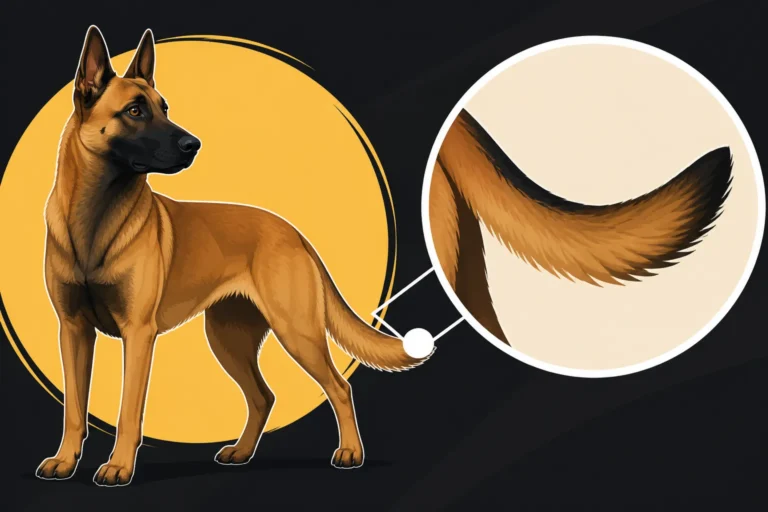
That focus can make a specialty more useful than a general dog show if you’re trying to understand the Malinois beyond photographs and online descriptions. You can see several dogs in person, notice how they move, and ask thoughtful questions about differences between individuals. If you’re still learning what the standard describes, reading The Height Limits a Belgian Malinois Is Judged Against or Fawn to Mahogany and the Black Malinois Mask beforehand can help you follow what’s happening in the ring.
Still, a specialty is not a guarantee of access to every answer you want. Some people are busy showing or handling dogs, and not every exhibitor will be available for a long conversation. Approach people politely, wait until they’re not preparing to enter the ring, and ask specific questions rather than expecting a quick walk-through of the whole breed.
A show is not the same as a working event
One of the easiest ways to end up disappointed is to assume that a Malinois specialty will feature protection work, police demonstrations, or a full day of sport. Those activities may happen around some breed events, but they aren’t automatic. The event schedule matters: a conformation specialty evaluates dogs in the ring, while a trial or club training day is organized around performance.
If your main goal is to see a Malinois work, check whether the event lists demonstrations, obedience, tracking, herding, or protection-sport activities. If there’s no clear mention, contact the organizer before making travel plans. For a more direct look at working dogs, Where to See Malinois Working Before You Buy may be a better starting point than a show weekend.
It also helps to decide what “worth it” means to you. A first-time owner researching temperament may value conversations and observation. A breeder, handler, or serious enthusiast may be interested in judging, pedigrees, and networking. Someone hoping to watch an exciting bite-work session may want a different event entirely.
The dogs are individuals, not a breed-wide guarantee
At a specialty, you’ll see dogs presented in a particular setting, often after careful preparation. That can be informative, but it doesn’t show every aspect of life with a Malinois. A dog behaving calmly at a show is not proof that every Malinois is easy to live with, just as a high-energy dog in a busy venue is not a complete picture of the breed.
Think of the event as one useful window, not a final verdict. If you’re weighing whether this breed fits your household, look at the broader demands of daily ownership and talk with people whose lives resemble yours. Whether a Belgian Malinois Belongs in a Pet Home and What Malinois Owners Say Nobody Warned Them About can help you put the show experience in context.
How to decide whether the trip is worth it
Match the event to your reason for going
Before booking a hotel or loading the car, write down what you hope to learn. That small step can save you from driving hours to an event that doesn’t match your interests. Your goal might be to see the breed standard in action, meet breeders, compare lines, learn about clubs, or introduce a young dog to a new environment.
| Your main goal | What to check before going | Is a specialty likely to help? |
|---|---|---|
| See Malinois judged against the breed standard | Confirm conformation judging is scheduled | Usually, yes |
| Meet breeders and exhibitors | Check whether the event includes social time or an information area | Often, if you plan ahead |
| Watch working demonstrations | Look for a specific demonstration or trial on the schedule | Only if one is listed |
| Find a club or training community | Ask which clubs will attend and whether visitors may observe | Potentially |
| Decide whether to buy a Malinois | Treat the event as research, not as a shortcut to choosing a puppy | Helpful, but not enough by itself |
| Give your dog an outing | Review access rules, noise levels, and whether dogs may attend | Depends on the venue and your dog |
If you want to learn how people participate in the breed community, Which Malinois Clubs Are Worth the Dues may help you prepare questions. For a prospective owner, a specialty can complement conversations with breeders and time spent observing dogs in other settings. It should not replace meeting a breeder, discussing health and temperament, and understanding what kind of home a particular dog needs.
Consider the real cost of attending
The ticket or entry fee is only one part of the decision. A distant event may involve fuel, lodging, meals, parking, time away from work, and possibly arranging care for other pets. If you’re taking your own dog, add the practical demands of travel, downtime, and keeping them comfortable in a crowded setting.
Estimate the full trip before you commit. If the event is close enough for a day trip, the decision may be easy. If it means a long drive and an overnight stay, make sure there’s enough on the schedule to justify the effort. Check the venue’s rules for dogs, crates, water, food, and spectator access instead of assuming ordinary show policies apply.
Pack for the actual conditions, not an imagined perfect day. Depending on venue rules and weather, basics may include water, a bowl, cleanup bags, a leash, and a quiet place for your dog to rest. If you need to pick up travel supplies, Chewy is one option for checking available bowls, leads, or portable mats; confirm sizing and delivery timing before relying on an item for the trip.
Be realistic about access and conversations
Specialty events can be busy. Exhibitors may be grooming, warming up, checking schedules, or keeping dogs settled between classes. You’ll likely get better conversations by watching first and asking concise questions during a lull. A question such as “What should a first-time visitor pay attention to in the ring?” is easier to answer than “Tell me everything about Malinois.”
If your interest is a future puppy, avoid treating a show result as a complete recommendation. Ask about the individual dog’s temperament, health screening, work or show background, and the breeder’s goals. A polished presentation tells you something about preparation and appearance; it doesn’t, on its own, tell you how a dog behaves at home or what a puppy from that line will be like.
For a deeper comparison of the different priorities people may bring to breeding and showing, see Working Malinois Against Show Malinois. The labels can be useful shorthand, but individual dogs and breeding programs vary. Ask what a breeder means by a term rather than assuming everyone uses it in exactly the same way.
Make the most of the day
Plan your schedule before you arrive
Get the event schedule in advance and mark the classes or activities you care about. If you arrive without a plan, it’s easy to spend the morning looking for the ring, miss a class you wanted to see, and leave feeling that the event was hard to follow. Note where spectators may sit and whether there are breaks or public areas for conversations.
Arrive with enough time to get oriented, but don’t crowd handlers while they’re preparing to show. Take notes on what you observe: how dogs move, how they respond to the environment, and what questions you want to ask later. Those notes make it easier to compare your impressions afterward rather than relying on a vague feeling that one dog “looked right.”
Bring only what you need. If you’re attending without a dog, you can focus on watching and talking. If you’re bringing one, plan for rest and distance from the ring. A busy show environment can be tiring even for a confident dog, and a Malinois that is overwhelmed may not benefit from being there all day.
If you bring your own Malinois
First, verify that spectators may bring dogs. An event that welcomes entered dogs may still limit pets or require specific check-in arrangements. Follow the venue’s rules, keep your dog on a secure leash, and give other teams room. Not every dog attending is comfortable greeting strangers, and a crowded show is not the place to test dog-to-dog manners.
Think about whether your dog will actually enjoy the outing. A young dog, a dog that struggles with noise, or one that becomes frustrated watching other dogs may do better staying home with a trusted caregiver. If you do bring your dog, plan a quiet break away from the busiest areas and bring familiar supplies. Chewy can be a convenient place to compare travel bowls or washable mats, but the most important preparation is making sure your dog can settle and leave the venue when needed.
Don’t feel pressure to stay all day. You can watch the portion that interests you and leave before your dog is exhausted or overstimulated. A short, successful visit is better than pushing through a full schedule simply because you made the drive.
Compare the specialty with other ways to learn
A specialty is one option among several. You might also visit a club training session, watch a sport event, attend a general dog show, or speak with owners in your area. Each setting answers different questions. A show can help you understand conformation and breed presentation; a training day may show how dogs work and how handlers interact with them.
If you’re hoping to learn whether a Malinois suits your lifestyle, try to see the breed across more than one context. Ask a club whether visitors may observe, and be transparent about being new. If your interest includes both appearance and working ability, Whether a Belgian Malinois Can Be Both Show and Working offers another useful angle for thinking about what you want to investigate.
After attending, take a moment to separate what you saw from what you inferred. You may have met a friendly dog, but that doesn’t mean every Malinois will behave the same way. You may have seen a beautifully presented dog, but that doesn’t establish whether a puppy from that breeding would fit your household. The specialty is most valuable when it sharpens your questions and helps you plan what to learn next.
So, is a Malinois specialty worth the trip?
For people interested in the breed standard, meeting knowledgeable owners, or seeing a concentrated group of Malinois in person, a specialty can be well worth attending. It’s especially useful when the schedule is clear, the event is accessible, and you know what you want to observe. You’ll get more from it if you arrive curious, prepared, and ready to respect the pace of people who are showing dogs.
It may not be worth a major journey if you mainly want to watch protection work and the event lists only conformation judging. In that case, seek out a suitable trial, training club, or demonstration instead. And if you’re considering buying a Malinois, treat the specialty as one part of careful research—not as a shopping trip or a substitute for assessing the breeder, the dog’s background, and your own readiness.
A practical final check is to ask yourself three questions: Is the activity I care about definitely on the schedule? Can I comfortably manage the travel and any dog-care needs? Will I come away with information or experience I can’t easily get closer to home? If the answers are yes, go. If not, save the trip for an event that fits your goals better.
Disclaimer
This article is for general informational purposes only and does not constitute professional advice. Laws, prices and regulations vary by location and change over time. Consult a qualified professional for guidance on your specific situation.